We have just returned from 10 days in Madeira with kids and we have green stars in our eyes! Indeed, it’s crazy how luxuriant the vegetation is on this island! It’s lush! Clearly, for an immersion in green landscapes, this is the ideal place! A natural destination as we like them, perfect for recharging your batteries and also for hiking (which was our primary objective). On the other hand, a warning to all those who prefer beach holidays: Madeira is not the island for you! I will elaborate further below. You also don’t have to be afraid of the rain! And yes, all this vegetation isn’t there by chance ;-). Madeira is located in the Atlantic Ocean, off the coast of Portugal, just above (exactly northwest of) the Canary Islands. But we found Madeira very different from the Canaries, wetter, greener. Perhaps a little resemblance in decor to what I described to you in the north of Tenerife. And in terms of size, it’s similar to Lanzarote but it has absolutely nothing to do in terms of landscape! In short, Madeira is Madeira! And if I continue with the similarities, I rather had the impression of being on Reunion Island, between the vegetation, the mountains, the waterfalls, the hiking possibilities and the rum! But it’s still different (and so much closer!)… Let’s get into the heart of the subject. If you are thinking about Madeira for your next family vacation, I will tell you below what you can do there and you’ll find practical advice for getting organized: accommodation, drop-off points, transport, weather.
***
Ages of our children during this trip: Ticoeur, 13 years old and Titpuce 11 years old. Travel period: the first 10 days of April
What to do in Madeira? 10 activities for the whole family:
Here are 10 things we discovered in Madeira during our stay.
1- Hike along the levadas:
Levadas are the numerous irrigation canals found throughout Madeira. There are more than 2000 km of levadas! These canals were essential for agriculture on this island with its strong reliefs. Many hiking trails allow you to follow these typical Madeiran levadas with the advantage of being level paths! By the way: have a look at my post about our family hikes on Madeira. Walking along the levadas is one of the great attractions of the island!
We followed the levada of the 25 springs and the levada do Alecrim (both combined), the levada Faja do Rodrigues, the levadas Nova and Moinho (in one combined hike near Ponta do Sol), levada Ribeira da Janela near Porto Moniz . For children, these paths are real little adventures because we come across tunnels, narrow paths and waterfalls. Often, the canals pass through eucalyptus forests to the delight for our nostrils!
Warning! Since January 2026, you have to pay access fees (from age 12) and book your time slot several days in advance to hike on Madeira’s popular trails. More information and prices on the official website. Book all your hikes at the same time as you will benefit from a better-value package.
This summer, we visited Santorini as a family during our trip exploring three Cycladic islands. I had some concerns about Santorini as everyone seems to love it but often finds it too crowded. So, first, we aimed for the start of the school holidays in July and second, we decided not to hire a car. We spent 4 days/3 nights in Santorini, as a family, getting around on foot and by bus. When we made the decision to go “car-free in Santorini”, I struggled to find information about whether getting around on foot and by bus would allow us to fully enjoy the island. I found a few articles by solo or couple travellers who had explored Santorini without a car, but I didn’t find any accounts of family holidays. With kids, I didn’t want logistics to become a nightmare. Anyway, let me remove all suspense right now: visiting Santorini as a family, on foot and by bus is totally doable! We really enjoyed this approach.
Why visit Santorini on foot and by bus?
Avoid parking issues in touristy areas (especially Oia)
Reduce pollution on an already natural island which has to deal with a number of cruise ships leaving their engines running 24/7! (Luckily, the number of ships has dropped significantly).
Save a considerable amount of money: just check car hire prices during school holidays and you’ll see!
Take your time, get a new perspective, and go off the beaten track.
Hiking along the Caldera, between Fira and Oia
Now, I’d like to share some information that may help you plan a car-free stay in Santorini. Of course, this means you need to walk, enjoy walking, and have children who are old enough to walk (or young enough to be carried). In our family, walking is a true joy, and you know that Ticoeur and Titpuce have long been little adventurers… If you also love walking, then my tips are for you!
On foot and as a family in Santorini:
First, a quick note about the weather: we had around 26°C during our stay in Santorini. So it wasn’t too hot for walking, especially as we had the meltemi blowing (a north wind). Obviously, if it had been hotter, that would have changed our hiking plans, but bear in mind that the Cyclades usually don’t get as hot as the mainland in summer. We’re not fans of extreme heat and were drawn to the Cyclades for their climate. Still, as always with weather, expect the unexpected.
The hike between Oia and Fira:
This was the highlight of our trip! Clearly the must-do experience on the island! Allow 3 hours one way. It was so magical that we did it twice! The first day from Fira, and the second day from Oia to Fira. And it was the kids who asked to do it again! The whole thing is done 100% on foot! We loved it! Along the route, we made a detour to Skaros Rock. It adds a bit of time, but it’s well worth it:
Our other walks:
From Finikia (the village where we stayed) to Oia: 20 minutes each way. Oia is very quiet in the morning. We went almost every day just after breakfast for a peaceful swim. I was really worried about the crowds in Oia, but it’s only in the late afternoon that tourists arrive en masse to stroll and watch the sunset from the Old Castle. We preferred to go against the flow. For our morning swim, we walked down the 278 steps from the heights of Oia to Amoudi, a little cove where we swam (the water was around 20°C – quite refreshing!). Between the steps and the swim, it was a proper workout! We loved this little morning ritual!
The alleyways of Finikia
Oia
Our swimming spot after walking down all the steps:
Amoudi BayAmoudi Bay
Sunset walk above Finikia, near the church of Profitis Ilias for a panoramic view. No regrets about skipping the crowds in Oia!
From the village of Megalochori to Red Beach: after a morning hike along the Caldera, we took a bus from the central station in Fira (a grand name for a small station ;-)) hoping to get to Red Beach in the south. We should have taken a bus to Akrotiri but accidentally boarded one that stopped at Megalochori. No worries! This village, which didn’t look that exciting from the road, turned out to be very charming and lively:
After wandering around Megalochori, we caught another bus towards Akrotiri. To get to Red Beach, the final stretch is on foot. It’s not far. The beach is pretty thanks to the red rock formations. In high season, it must be very crowded as it’s quite narrow. The sea was 22°C when we were there, and not many people were swimming.
Red Beach
From the village of Megalochori to Pyrgos: after returning from Red Beach, we walked along the roadside to Pyrgos, a lovely hilltop village that we recommend for a stroll. We had a drink at Brusco bar and wrote a few postcards to the grandparents.
Pyrgos
From Megalochori to the natural arch “The Heart of Santorini”: the next day, we returned to Megalochori, by bus from Fira which we reached on foot from Oia (are you still with me?). After a short stroll and an ice cream in the village, we walked to the natural arch. It’s not a must-see, but it’s a pleasant walk. On the way back, we stopped by the potter “Earth and Water” who gave us a warm welcome and let the children try the pottery wheel.
From the village of Emporio to Perissa Beach: after our visit to the potter, we took a bus to Emporio, a deserted village when we arrived in the afternoon. After exploring the alleyways, we walked to Perissa Beach (about 30 minutes). It’s a long black-sand beach (7 km) where we strolled before enjoying a drink by the sea. The water was 22°C. Ticoeur and I were fine with that, but we didn’t swim, as we prefer the coves below Oia. We took the bus back to Fira, visited a few art galleries, then another bus to Oia. Then walked back to Finikia.
EmporioPerissa Beach
By bus and as a family in Santorini:
For some of the outings and walks described above, we started by taking the bus. Here’s some useful info to help you get organised:
A bus ticket costs €1.60 to €2.50 (edit in 2026), and children pay from age 7.
Don’t rely on the posted timetables! Buses seemed to leave when full (which happens quickly, at least in July).
For reference, here’s the link to the bus company’s website, KTEL. It’ll give you an idea, but don’t trust the times too much.
Don’t rely on the bus route map either – it’s not accurate. It’s better to ask locals where the bus stops. Just because you’re at a bus stop doesn’t mean it’s actually in use!
There are often eucalyptus trees at bus stops – great for shade!
Despite these tips, you’ll still get lost – but that’s a chance to discover new places ;-).
From the port or airport, there are also buses that take you to Fira first. On arrival, just stay calm – the bus will come when it comes. But when leaving, especially early, consider a taxi for the last leg.
Fira is the island’s main bus hub. You’ll often have to change buses there to get around. Staying in Fira is convenient for buses, but we chose a quiet little village in the north because we fell in love with the accommodation. So we often changed buses at Fira.
Most of the other bus passengers were young people, but there were also other families.
And again: we were in Santorini at the beginning of the school holidays. Later in the season, getting around by bus might be tough (crowded, no seats…). But you know what? It’s not just the buses I wouldn’t recommend at that point – it’s Santorini altogether. Personally, I wouldn’t attempt it in August…
***
There you go! I hope this article has inspired you to discover Santorini as a family, on foot and by bus! For a broader view of our adventures in these Greek islands, check out my article: The Cyclades with kids: Santorini, Milos, Sifnos. You’ll find our tips and favourite places to stay and eat!
Ah, Wales! It was the only country in the United Kingdom we hadn’t set foot in yet! In 2022, we went there twice, in road trip mode, with our campervan. I’ll start with the story of our first one-week itinerary, last April, discovering south Wales. But first, a little weather introduction. You know how you sometimes (often) make fun of the weather and the rain in England? Well, in England, the English sometimes, often, but kindly make fun of the weather in Wales! It’s supposedly the rainiest and most changeable weather in Great Britain! All that to say that by choosing to travel in April, it was very (too) optimistic of us! That said, you’ll also notice that we chose to focus on south Wales. That turned out to be a good choice because the weather would have been worse in north Wales! In short, you’ve got it: for once, we had a bit of a hard time with the elements. It had to happen to us one day! Since we’ve been travelling by van, we’ve always been very lucky with the weather. Wales came along to remind us that sometimes, it’s otherwise. We had snow, hail, rain and sunshine! It’s almost as if we experienced the four Welsh seasons in a single week! Actually, pretty classy! As for landscapes, it was magnificent, and we recommend all the places we discovered and that I’m going to tell you about now but… maybe come in summer instead ;-).
Our stops in south Wales (one week):
As I mentioned in the introduction, we were in a campervan, but of course you can take inspiration from the same itinerary if you come by car… For nights, we mostly slept at campsites. I’ll give you the addresses below.
The Gower Peninsula: a start that really wows you!
A mum from school recommended the Gower Peninsula to me, and it was excellent advice! What a great introduction to discovering the beauties of the south Wales coast. On the peninsula, we did two stops:
Rhossili Bay: a favourite spot! We did a 2-hour walk there. It was superb! A real end-of-the-world feeling, varied seascapes, beautiful colours… This place is unmissable! We’ll probably go back! Do pay attention to the tide times so you don’t get stuck. After our fresh-air walk, we sat down in the little café at the Lookout.
I’m not the only one with hair blowing in my face in the wind: This hairstyle is more practical:
Three Cliffs Bay: also a stunning site! We really started strong! We walked along the whole bay, then stayed overnight at Holiday Park campsite, which overlooks the area. A very good campsite: very friendly welcome, superb spot and a little food truck where we ordered Indian-style wraps (night rate: £35 with shower).
Pembrokeshire: the best-known coastal area
This is the south-western tip at the far end of Wales. It’s probably the most touristy area in summer, but in April there was no one. Here are our stops on this peninsula:
Tenby and its colourful seaside houses: this village is very cute. We did a long walk. Then, at midday, back in the village, we bought seafood to take away and eat on the go while admiring the beach.
Church Cove: another beautiful spot for a seaside walk, but the rain came down on us, with a few bright spells all the same…
Whitesands: a lovely beach, a walk along the footpath and a night at Whitesands campsite, where we were alone with a sea view. The site is very simple, with no particular charm, but the view was great (£30 a night). It was the only evening when we managed to eat outside, in the sun (wearing big puffer jackets).
St Davids: this was the only small disappointment of our stay in Wales. I’d heard so many good things about this village! Honestly, I don’t think there’s anything special about it. No charm, no beautiful architecture… But OK, there is one site to see: St Davids Cathedral! It’s worth it! So yes, make a quick stop in St Davids, but I think it’s unnecessary to linger in the village.
The Blue Lagoon: not far from St Davids, we liked this spot for a short, peaceful walk…
The Brecon Beacons: for hiking lovers!
The Brecon Beacons are a mountain range that isn’t very high, but high enough for the hikes to be sporty. The landscapes are, once again, magnificent. We didn’t have great conditions for walking, with the wind, rain and sometimes fog. We’re used to hiking, but the weather made the challenge harder! Nevertheless, come what may, we reached the summit of the Brecon Beacons: Pen y Fan! It took us 55 minutes to reach the top in bad weather. The descent was much quicker, so I’d say allow under 2 hours for the round trip. But where is the summit? Fortunately, the sky cleared and the panoramic view appeared: As often, it wasn’t the highest summit that was our best hike: our favourite was Llyn y Fan (2 hrs 45 hike). Look at the landscapes! A great memory, even though I was scared by the power of the wind! Fortunately, Papa Voyage made us do the loop in a direction where the wind couldn’t push us towards the edge. What would we do without his sense of direction! That same afternoon, we did the 4 Falls (waterfalls) walk: it took us 2 hrs 30, but it isn’t technically difficult. Do be careful, though, if it’s been raining, as the ground could be slippery. The 2nd waterfall and the 4th were our favourites. While picnicking (in our campervan because of the weather), we stopped near a site we really liked: a bumpy landscape linked to the presence of quarries: Finally, still in the same area, we visited an old coal mine: Big Pit. It’s a fascinating visit for children! It’s free, and it’s retired former miners who take you around the mine, explaining with emotion the difficulties of this work in their time, and also in the time of their fathers and grandfathers… In short, it’s Germinal, Welsh version! For camping, we slept several nights at Grawen campsite: nice because it’s very green, but you can hear the road a little (£28 a night).
On the edge of Wales: the River Wye and the Forest of Dean
Here are a few places that are located on the edge of Wales, on the border with England, sometimes on one side, sometimes on the other: the River Wye is partly a natural border between the two countries. I wanted to stop there because of the landscapes you can see in the series Sex Education. The riverbed is indeed very charming, although I think it must be even more beautiful in summer or autumn… In summer, holidaymakers like to hire canoes/kayaks to go along the river. We did a long walk along the water, starting from the Symonds Yat Rocks viewpoint (the viewpoint not to be missed). Right at the beginning, we came across, without even having to look for it, the famous big villa where Otis and his mum live in the series: it’s very beautiful, but the filmed images are a bit misleading because you don’t realise it isn’t quite as isolated as that, so in the end no, I didn’t feel like buying it ;-). In fact, I looked it up and apparently you can rent it for a few days as a holiday home. If I’ve understood the geography correctly, the house is on the English bank of the river. About the series, the new season is currently being filmed in Wales again… We visited Tintern Abbey: a superb abbey, located by the river on the Welsh side. We had lovely light at the end of the day: During this visit, we discovered that there is a card that lets you visit Wales’s major sites, notably quite a lot of castles (the equivalent of the English Heritage card in England). As the aim of our trip was more about nature and hiking, we didn’t get it, but if you’re planning to visit a few castles, it will quickly pay for itself: see the Cadw website. In the River Wye area, we slept in a pub car park! Yes, I know, it’s not glamorous, but it’s a handy option in Great Britain in general: not all pubs agree, but most do, so you just need to push the door and ask. The idea is that if you spend money with them, they allow you to stay overnight in their car park and, in the best case, to use their toilets during the night. I won’t give the address of the pub where we stayed, as they don’t do it on a conveyor belt either… It’s on request and perhaps depending on the evening and how busy they are, but I wanted to share the idea in case you’re travelling in a campervan in the UK. Our dinner at the pub, by the fireplace, was actually very good and really comforting after several evenings of having to cook inside the camper. Finally, just before arriving in Wales, so still in England, we stopped for a lunch picnic in the Forest of Dean. We saw it in all kinds of weather! The road through this forest is really beautiful.
See that sunshine? And yet, here’s the same place ten minutes earlier:
South Wales, in conclusion?
We recommend it! It’s very beautiful! I complained a lot about the weather in this article, but even so, it didn’t spoil my very positive impression of this region! If you have no choice and you come in spring, then don’t worry: I’m sure you’ll enjoy your trip, like we did. You just need to be prepared and properly equipped (jackets, hats, gloves, sturdy shoes, lots of socks…). Especially in a van, it was cold at night. We even had zero degrees! Also, most of the time, we ate inside the van, which I don’t like too much. It’s obviously very cramped. As I’ve said in the past, for me the advantage of a van is more the outside of the van – the terrace in the sunshine :-). If you’re sleeping in a B&B, a rental, or a hotel, the experience will be easier early in the season. In nice weather, van life is truly a plus. On the other hand, for campsites, in high season you need to book. In April, there was no need! We were often alone! In short, you can’t have it all. Finally, there are many other places to discover in south Wales: more hikes in the Brecon Beacons, more coves, more beaches and many castles, so you can stay as long as you like! In one week, we got a lovely, varied and convincing overview that makes you want to go back! In any case, your trip to Wales will be a great wild adventure… under ever-changing skies!
***
So? Tempted by south Wales? Do you already know it?
Also worth reading
Road trip in Scotland with a babyHikes in the Highlands with a baby on a 10-day holiday in Scotland: walks, sightseeing and also city breaks in Edinburgh and…
Our one-week Cornwall road-tripOur family holiday in Cornwall: Nos vacances en famille en Cornouailles : dream coves, vanlife and wild coast
Last July, we went to the Cyclades for the first time. We’d been tempted by these Greek islands for so long! We had already visited several islands in Greece: Corfu, Kefalonia and Ithaca on the Ionian Sea, and also Crete, but we didn’t know the Cyclades yet. We first considered renting a sailboat, but I was wary of the infamous meltem, the strong wind that can be fierce in summer… If I’m not mistaken, Ulysses had some trouble with it… I didn’t want to deal with it: Papa Voyage is a good skipper; I’m not quite a top crew member yet! So, we opted to travel between the islands by ferry. And on each island, we chose to get around on foot and by bus! Which Cyclades islands to choose? We chose Santorini, Milos and Sifnos. Three islands, three vibes. We loved all three for different reasons. Here’s our take on each and the details of our itinerary…
Santorini with kids: 3 nights
We started with Santorini, the most touristy, because we thought it best to visit as early in the season as possible. I was expecting such huge crowds that we were pleasantly surprised. It was not crowded at all! The island was very calm and most tourists gathered only in Oia at sunset – yet there are so many other spots to admire the setting sun!
Santorini, the “pros”:
The caldera, the caldera, and the caldera! You can’t get enough of those views from the edge of the ancient crater! Hiking the trail between Fira and Oia is a must!
The typical Cycladic architecture: little white houses, blue domes, windmills…
Oia in the morning with no one around for a refreshing dip at the bottom of the steps.
Plenty of villages to explore: Megalochori, Pyrgos, Emporio…
Santorini isn’t the island to choose if you’re mainly after swimming spots, so I don’t think it’s ideal for a holiday with young children. Ticoeur and Titpuce enjoy hiking, so it was perfect for us, but for little ones, there are more child-friendly islands! That said, every morning Ticoeur and I enjoyed a swim at Amoudi Bay, a little cove at the foot of Oia (the sea temperature was around 20 degrees).
Oia from 5pm onwards is chaotic: people queueing to take photos at specific spots… If you’re like us and not a fan of crowds, don’t go to Oia in the early evening.
Good addresses in Santorini:
We loved our accommodation in Finikia, 20 minutes on foot from Oia. Those 20 minutes made all the difference! Our village was very peaceful and really pretty, with very narrow alleys. Our Cycladic home was called: The House of the Seven Ships.
In the peaceful alleys of Finikia
As for restaurants, we tried to avoid trendy places. At Taverna Mou (in Finikia), we felt like we were back in our previous trips to Greece. Live traditional music in the evening, small tables, and homemade food. For good ice cream, stop at the The Family bakery in Megalochori.
Milos with the family: 4 nights
Milos mainly tempted me because of the beauty of its coves – and indeed, when it comes to swimming, we absolutely loved it! It’s an island with a history marked by mining. The population was very poor and worked extracting sulphur and minerals. Many remnants of that time still remain. Milos is also the island of the famous Venus! And sorry, we didn’t manage to find her arms!
Milos, the “highlights”:
Swimming in dream locations! Firopotamos, Sarakiniko, Firiplaka, Kleftiko…
The colourful village of Klima!
Milos, the “downsides”:
As on other islands, we got around by bus and on foot, but we ended up walking quite a bit along roads (granted, they were quiet) because there were no pedestrian paths.
Boat excursions were a bit of a headache! It’s a big business on the island and prices vary widely! I didn’t always feel the price matched the service… I’ll tell you more about our experience in my Milos blog post.
Good spots in Milos:
We liked our accommodation in Triovasalos (called “Milos Cottage“, found on Airbnb): a former little shepherd’s house, very simple (warning: it’s really tiny! If you need space, skip it…). Our host Elena was lovely. We did have quite a few mosquitoes… but that might have just been bad luck… Also in Triovasalos, there’s “this flat with a terrace“. In terms of buses, staying in Triovasalos means changing at Adamas; however, it’s convenient for walking to several places. In Adamas, I didn’t find any accommodation that suited us, but have a look anyway. As for restaurants, our top favourite was Ergina in Tripiti (we ate there twice!). Medusa in Mandrakia was also nice, though more touristy.
**** When you book a hotel on Booking by following a link on my articles, it allows me to receive a small commission: it does not change the price for you and it helps me maintain the blog. So thank you very much to those who book the hotels we recommend! ****
Sifnos with the family: 4 nights
Sifnos was the obvious stop between Milos and the Athens port. I’d read it was a favourite island among Athenians, so I was surprised to see that 100% of the tourists were… French!! The island was peaceful, quiet, not too busy so there was no issue with crowds, but it did feel a bit strange – like being in France. I didn’t know the island was so popular among French families. Some even seem to have second homes there.
Sifnos, the “highlights”:
The perfect island for hiking! There are marked trails all over! To enjoy it fully, go in spring or autumn. Still, we explored a fair number of trails and it was really pleasant to walk along such well-maintained paths.
The village of Kastro where we stayed! Note: it’s very small so best to avoid during high season. In July, it wasn’t too crowded.
In the alleys of Kastro
An island mainly visited by families because, although it’s great for hiking, there are plenty of child-friendly beaches: clear, shallow water.
Sifnos, the “downsides”:
The bus connection timetables don’t seem to be well thought out. As we enjoy walking, it wasn’t a problem for us: instead of waiting for the next bus, we often continued on foot. But for families relying entirely on the bus, there can potentially be a long wait in Apollonia.
Recommended places in Sifnos: While we loved Kastro, I wouldn’t recommend our accommodation as it was really too small and had only a tiny outdoor space. I think it would have been fine for two people. But staying in Kastro is lovely, so take a look at what larger options you can find for a family: accommodation in Kastro. To optimise bus travel, you could also look for a place in Apollonia. It’s pretty and lively, even if I prefer Kastro. As for restaurants, we loved eating at Kaptain George, run by a family of fishermen located right at the bottom of Kastro, in the cove where Ticoeur is playing in the waves:
Before or after the Cyclades: a break in Athens.
Summer isn’t the best time to visit Athens, because unlike the Cyclades, it gets extremely hot! But as you’ll likely spend a day or two there before or after taking the ferry, feel free to reread the article I wrote during our previous trip to Athens in spring 2018. For accommodation, if it’s your first time in Athens, I recommend staying in the charming district of Plaka. As this time we were just passing through, I booked a more impersonal and out-of-the-way hotel, but it had a pool so the children could cool off. We could even see the Acropolis in the distance: Athens Panorama Projects. Not a charming hotel, but modern, practical, and good value for money.
Practical information for visiting the Cyclades:
Weather: in July, we had temperatures between 25 and 28 degrees Celsius. The seasonal averages for July-August are 27–28 degrees. Of course, the weather can always surprise you, but we chose the Cyclades because they’re known to be cooler than other southern European destinations, thanks to the local wind (the Meltemi). For me, as long as it’s under 30 degrees, it’s perfect! The sea was 22 degrees in Santorini and 25 in Sifnos and Milos. Tourism: we recommend going early in the season… even Santorini was pleasant! If you have no choice but to travel during peak season, you might skip Santorini and keep Sifnos and Milos on your itinerary, replacing Santorini with a less touristy island, such as Serifos, which lies on the ferry route between Sifnos and Athens, or Folegandros to the east of Milos. Budget: it was clearly more expensive than our other trips to Greece. The ferry prices in particular were very high — especially for a family of four. It’s definitely motivating me to sail next time! Prices vary greatly, especially depending on fuel costs, so I recommend checking fares for your planned routes before booking a trip to the Cyclades. For reference, I booked our ferries a month in advance, but had been monitoring them for three months and saw no change. Fortunately, we saved a lot by not renting a car at all on the islands: lots of walking and a few buses — it was perfect for us! Finally, I’ll soon be writing a detailed article about each of these three islands!
***
Have you been to the Cyclades? Which islands would you recommend?
It was not our first time in Andalusia but it was our first trip to Andalusia with the kids. We went there during the Easter holidays, making sure not to be there during Semana Santa to avoid the crowds and find accommodation more easily, at lower prices. However, we saw the preparations for the decorations for Semana Santa so it was interesting to show this aspect to the children. Between the landscapes, the sunny weather, the architecture of the cities and the Spanish cuisine, it has been a great trip!
Our itinerary for a week in Andalusia
In the introduction, I would like to point out that the choice of our stays would not have been the same in the case of a very first trip to Andalusia. I will therefore first present our itinerary and then tell you what you could add if you are visiting Andalusia for the first time.
Day 1: Málaga
Malaga was the first stop on our trip to Andalusia. We didn’t know this city and we really liked it. To start off slowly, we went for churros and chocolate for breakfast at Tejeringo’s. Then, we admired the cathedral from the outside.
After the cathedral, we decided to visit the Alcazaba. This palace-fortress dates from the 11th century and its various patios are charming. Obviously, it’s not comparable to the Alcazar of Seville or the Alhambra of Granada but it’s pretty and it’s worth it!
Then we have lunch at the market. There are small tables outside and it is possible to order tapas.
Afterwards, we visit the Picasso museum. This is his birthplace. The collection does not present the most well-known works but that is precisely what I find interesting.
We continue our walk in the city:
We pose in front of the cube of the small Pompidou museum but we do not visit it.
Right before dinner we went to see a flamenco show at Tabloa Alegria. The dancing was very good, impressive. The place, less friendly than other places where I had seen flamenco in Seville. The bottom line is that we had a great time. Moreover, for the children it was completely new!
For dinner, we stopped by chance at a very typical tapas bar: La Tranca. It was really good. As for accommodation in Malaga, we slept in the historic center (it was perfect for doing everything on foot!). We booked the room with patio here.
**** When you book a hotel on Booking by following a link on my articles, it allows me to receive a small commission: it does not change the price for you and it helps me maintain the blog. So thank you very much to those who book the hotels we recommend! ****
Day 2: Malaga then Vejer de la Frontera
After the same chocolate churros as the day before, we visit the glass museum. A favorite ! This is a huge private collection of glass objects. We had a tour in French with lots of stories and anecdotes. And what’s more, the villa is superb! Clearly a visit not to be missed during your visit to Malaga. See opening hours on their website.
Car rental in Malaga:
On site, we called several car rental companies and we had a good feeling with Miami Hire. They arranged to meet us at the station to leave the car (a Fiat 500) with us. Everything went well. We recommend them. We then take the road along the coast towards the east to visit a white village that we did not yet know and which is located just before the city of Cádiz: Vejer de la Frontera. Magnificent!
In the evening we reach Cádiz.
Day 3:Cádiz and Jerez de la Frontera .
Cadiz, a discovery, a favorite! Here is a town in Andalusia that we didn’t know. It turned out to be very pleasant. In fact, there are no major visits to do but it’s just very aesthetic; the facades are very beautiful…
We climb the Tavira Tower for a small panoramic view and also for its dark room which allows a little optical show.
In Cádiz, the room we rented was simple but located in a very beautiful building. We recommend this address: Casa Patio del Pandora. The patio was particularly pretty:
Leaving Cádiz, we cross an impressive bridge:
Then we drive to Jerez de la Frontera to visit a bodega. Yes, Papa Voyage is a fan of Jerez wines! The tour in French and Spanish was very interesting and the tasting, too! We recommend Bodega Diez Meritos:
In the evening we reach Seville for the night.
Day 4 : Seville , still the most beautiful!
Without doubt the most beautiful city in Andalusia! It’s already my third time there and I can’t get enough of it! I will write a post dedicated to visiting Seville combining our various experiences there. This time we spent two nights there. We stayed in this apartment, in the old town.
Plaza de España , Seville
Day 5: El Caminito del Rey then Ronda
During my previous stays, it was no longer open to the public because major work had been undertaken to make the place safe. Now, rest assured: it’s really safe!! Visiting this canyon on the footbridge is definitely worth it! Please note: it requires a little anticipation to book the visit. See the complete guide to our experience on the Caminito del Rey! The children loved it!
At the end of the day, we reach Ronda, which we know well. We enjoy the beautiful light of the setting sun:
The gardens of Ronda…
Our accommodation was just outside the fortification, in a lovely area. A very typical accommodation that we really liked with its series of small terraces: Ronda Romantica Loft. We were in the duplex apartment.
Day 6: Andalusian white villages
We had already visited quite a few white villages during our various stays. We did a mix between revisiting villages we loved and discovering new ones. Here are the villages where we stopped this time: Setenil de las Bodegas. It’s very small but it’s impressive:
Then direction Montejaque which we did not yet know:
Mini hike to the Gato cave to stretch our legs: a lovely site! Grazalema with its rock which watches over the village… We have lunch there (at the La Maroma restaurant, not light but very good!).
Return to Ronda for a quiet late afternoon. Discovery of an excellent little tapas bar: Entrevinos.
Day 7 : El Torcal de Antequera
I was hesitant before visiting this place because there are actually similar landscapes in England but still it was worth it! Indeed, the site is impressive and we can never get tired of this kind of natural wonder! And the density of stones is particularly great in Torcal de Antequera. We did a two-hour hike, partly on the yellow path and partly on a path improvised by Papa Voyage!
And the circle is complete ! Head to Malaga airport!
***
More tips for a trip to Andalusia with children:
Car hire for visiting Andalusia:
We hired a car at Malaga airport. We had a Fiat 500 for €17/day. The roads were all in very good condition and pleasant to drive on.
Our other trips to Andalusia:
If you don’t know this region, you mustn’t miss Granada and its Alhambra, or the city of Cordoba with its flower-filled patios and mosque.
Best season:
Spring was perfect! We loved it!
I strongly advise against visiting this part of Spain in the middle of summer. I did it once and I won’t be caught out again! It was so hot that it was impossible to walk through the white villages and the countryside was all dry and yellow. Also, spring really is a beautiful season for the flowers in the patios and the green landscapes.
The children’s opinion:
In conclusion, what did Ticoeur and Titpuce think? According to the children, the highlights of this trip to Andalusia were: beautiful visits with a real change of scenery, adventure with the Caminito del Rey, and tapas!
***
So? Tempted by a family holiday in Andalusia?
Also worth reading
4 days in Barcelona with our teenagersOur 4 days in Barcelona as a family with our teenagers: itinerary, museum visits and walks neighbourhood by neighbourhood
A week in MenorcaAll you need to know to spend your family holidays in Minorca !
Road trip in Scotland with a babyHikes in the Highlands with a baby on a 10-day holiday in Scotland: walks, sightseeing and also city breaks in Edinburgh and…
For our multi-generational trip of the year, we chose a city break to Rome with the family, with the children and the grandparents. I went to Rome dozens of times as a child (ah, my Italian roots!) and it’s clearly a city I’ll never tire of. Rome was also our very first trip abroad with Ticoeur when he was only 4 months old. In short, I won’t talk about “discovering Rome” but about “reuniting with Rome”, which didn’t stop us from revisiting tourist sights we already knew well. Let’s say our programme was a mix of must-sees and off-the-beaten-track visits. Feel free to pick and choose ideas from it! Children’s ages: Titpuce 10 and Ticoeur 12 Time of the trip: early June (because we have a week of school holidays in England). Length of the trip: 4 days and 4 nights.
***
What to visit on a family trip to Rome?
The Colosseum ❤ : Among the must-sees, we went back to see the Colosseum. We took a late-afternoon visit and it was ideal because, at the time we arrived, it was clearly the moment when a big wave of tourists was leaving. We enjoyed some beautiful golden light. The entry ticket also gives access to the Roman Forum, but it was closing when we came out of the Colosseum, so we went the next morning. The Roman Forum: Ruins and more ruins! I still find the walk just as enjoyable. A journey into the past that lets you imagine what Rome looked like at the time. To better understand what the buildings looked like in Roman times, the Welcome Rome films are perfect (see below). Visiting the Pantheon: An exceptional building and free entry (Update 2023: unfortunately this visit is no longer free 🙁 ). That’s an excellent combination! We went at opening time in the morning to have fewer people around. In the evening, we always walked past it on our way back to our accommodation. I love the atmosphere all around. The famous Roman fountains ❤: The fountains of Piazza Navona, the Spanish Steps, Campo de’ Fiori (where there’s a market) and of course the Trevi Fountain: classics that we passed several times during our walks around the city. I particularly love Piazza Navona – nice and spacious and, oddly, not that crowded. The Villa Borghese park: We arrived via Piazza del Popolo and walked up into the park – shady and pleasant, especially as it was hot. From up there, there’s a lovely view. So those were the must-sees we already knew but wanted to see again. We chose what seemed the nicest for a family visit to Rome. We skipped the Vatican this time.
***
Some new discoveries:
During this stay, we also visited places we didn’t yet know: Welcome Rome ❤: a big favourite! These are multimedia animations: a series of films, holograms and animated images that help you understand the stages of Rome’s construction. An excellent way to imagine what all the ruins we came across during our stay once looked like. A condensed dose of History that appealed to both the children and the adults! Note that the only downside is that you stay standing for each projection, so it’s less comfortable for grandparents. We went at the end of the day and it was very quiet. More information on the Welcome Rome website. A perfect family visit! The Doria Pamphilj Palace ❤: another favourite! A lovely collection of paintings in a magnificent palace! The palace dates from the 16th century. You’ll come across 400 works, but we especially loved the palace rooms: it’s like visiting a château! Lots of mirrors and ornamentation. It’s too much but it’s brilliant! Adult price: €14 and free for children. The Baths of Caracalla The remains of the old bath walls are very high, so very impressive. There are also a few mosaics. But we expected to see more details evoking the baths. It’s hard to imagine the baths and how the place worked. It’s very different, but we prefer the Roman baths in Bath in England. That said, if you put the “baths” aspect aside, the place is very pleasant. Adult price: €8 and free for children. The Catacombs of Priscilla It was interesting, but it was really far (endless bus journey) and above all we’ve had the chance to visit many catacombs in Italy that left a stronger impression on us (especially in Naples), so if we had to do it again, we wouldn’t go. But if you’ve never visited catacombs in Italy, why not. The guided tour is well done and informative. Adult price: €8 and free for children. The Chiostro del Bramante Which hosts contemporary installation art exhibitions: during our visit, we saw the “Crazy” exhibition. We really liked the diversity of shapes and colours! For children, it’s truly playful and original art. And lots of churches, of course! A bit at random during our walks… There’s an incredible density of beautiful churches! All superb, all different, and there are still plenty more to discover! We saw the Basilica of Saint Clement of the Lateran, the Basilica of Sant’Andrea della Valle, the Church of St Louis of the French, the church of San Stefano (warning: the paintings in the latter are scary… avoid showing the details to children), …
San Stefano church
***
We walked 17 to 20 km a day in the streets of Rome:
With Ticoeur and Titpuce, we really walked a lot because Rome is an open-air museum! Omi and Opa, for their part, opted for an afternoon nap after lunch, just to take a break from the family’s sporty pace ;-). Our long walks took us to lovely places such as: The Galleria Sciarra, a remarkable example of Art Nouveau! Castel Sant’Angelo on the banks of the Tiber… and the Vatican in the distance… The imposing Monument to Victor Emmanuel II and Capitoline Hill… We also quickly went into the Capitoline Museums to say hello to the statue of the she-wolf with Romulus and Remus. Largo di Torre Argentina, then through the nearby Jewish quarter… And we passed by the ruins of Trajan’s Market…
***
Rome with the family: our good addresses
Restaurants:
Giolitti: a must-visit ice cream parlour a stone’s throw from the Trevi Fountain!
Pizzeria Romana al taglio: for grabbing a slice of pizza on the go (good value). In the same style, there’s Pinsitaly near the Trevi Fountain.
La Mastrociccia: typical Roman cuisine, family-run and no-frills. On the same street (Via del Governo Vecchio), there are lots of restaurants like this and they all look nice.
L’Emporio alla Pace: a small bar perfect for an aperitif drink! Very friendly staff.
La Tavernetta 48: the fine-dining restaurant we all enjoyed and where we had dinner one evening on the terrace.
Prefetti 19: another fine-dining restaurant that I personally really enjoyed.
This time, we didn’t have time to go to the Tastevere district, but it’s the ideal area to eat in small trattorias! A great atmosphere guaranteed for a Roman-style dinner!
Accommodation in Rome:
We chose a flat for 6, with 3 bedrooms, not far from Piazza di Spagna. Very good location. This flat is no longer online, so here are three other well-located options for a family of 4:
Ale & Niki : a quadruple room with a double bed and a sofa bed. Lovely decor and a very good location, in the Vaticano Prati district by Ottaviano metro.
During our first stay in Rome, we stayed between the Colosseum and the station: see this flat in the Monti district.
La maison Romana: a more budget-friendly flat for four, not very far from Termini station by Manzoni metro.
**** When you book a hotel on Booking by following a link on my articles, it allows me to receive a small commission: it does not change the price for you and it helps me maintain the blog. So thank you very much to those who book the hotels we recommend! ****
The Roma Pass:
This time, we didn’t buy the Roma Pass because we weren’t doing enough visits included in the pass, nor enough journeys by public transport to make it worthwhile (we walked so much!), but do take a look at this option, which could help you save money!
And for next time in Rome?
When we go back to Rome, because of course we will go back, I’d like to visit the ruins of Trajan’s Market, which we only walked past, discover Palazzo Colonna, and then take the children to the Vatican. And you? Have you ever visited Rome as a family? Also check out our other ideas for city breaks in Italy.
3 days in Florence as a familyA relaxed three-day Florence itinerary with kids: the Duomo, Uffizi, Palazzo Pitti, Boboli Gardens, family-friendly food and…
4 days in Barcelona with our teenagersOur 4 days in Barcelona as a family with our teenagers: itinerary, museum visits and walks neighbourhood by neighbourhood
The question of accommodation in London comes up very often, so I wanted to bring together all our tips and recommended addresses, hoping to help you choose a neighbourhood for your next family trip to London or romantic getaway. Even before living in England, we went to London twice a year because we have family there and because we love the English capital, where Papa Voyage studied. Since we’ve been living on the English coast, we’re 1 hour 30 minutes from London and we still go there very regularly for a weekend.
After all these London getaways, we’ve had the chance to stay in different neighbourhoods and to try out flat rentals and hotels all over London. Here’s a short list that should help you find your way around London and help you choose where to stay, bearing in mind there isn’t one single answer to the question I’m often asked: “what’s the best neighbourhood to make the most of London?”, “Where to sleep in London?” There are several possible options and it depends on you… I’ll explain why!
Indeed, before going through the list of London neighbourhoods we’ve tested and approved, it’s important to keep in mind that London really is a much bigger city than Paris. So the miracle accommodation next to everything is mission impossible! So I’ll try to guide you by indicating, for each area, the attractions that will be close to your accommodation and those that will require a longer journey. That way, you can choose the neighbourhood that will best suit YOUR sightseeing programme in London.
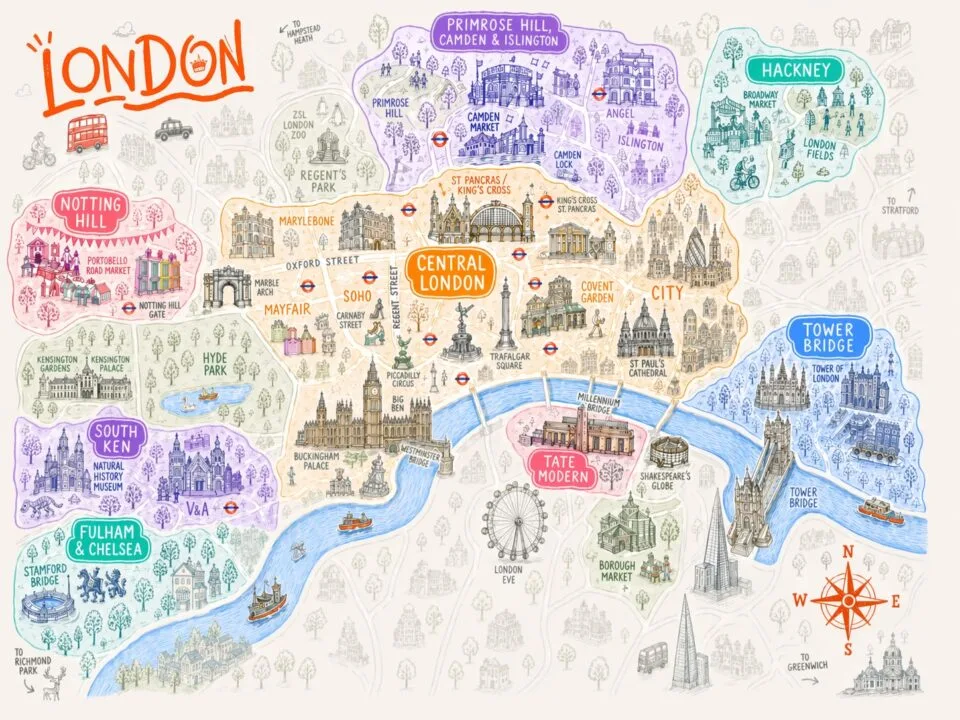
On the map below, I’ve pinpointed most of the must-see places in London to show you how I prepare a trip: I create a map in Google Maps to visualise the places we want to visit, then I choose accommodation accordingly. So don’t hesitate to create your own map with your little list of London must-dos!
For each neighbourhood, I’ll also share my selection of accommodation: flat rentals for visiting London as a family or with an extended family (we’ve sometimes gone with grandparents or friends), as well as places to stay for a romantic getaway (in that case, more likely hotels).
1: Staying in “South Ken”, in the heart of the French neighbourhood (South Kensington)
For those who don’t know yet, South Kensington is where a large part of the French expat community is based. Now, that may not necessarily appeal to you, but let’s say expats didn’t choose South Ken by chance: it’s a very pleasant, pretty area (with all the typical London streets and mews). South Ken (its little nickname) makes a good base for visiting London. I find that South Kensington is really suited to a family trip. You’ll find houses or large flats on Airbnb.
By staying in South Kensington, you’ll get the charm of London architecture, accommodation is a bit cheaper than in the centre because it isn’t the centre, but it’s very well located for enjoying many must-sees!
By staying in South Kensington, you’ll be perfectly placed to visit:
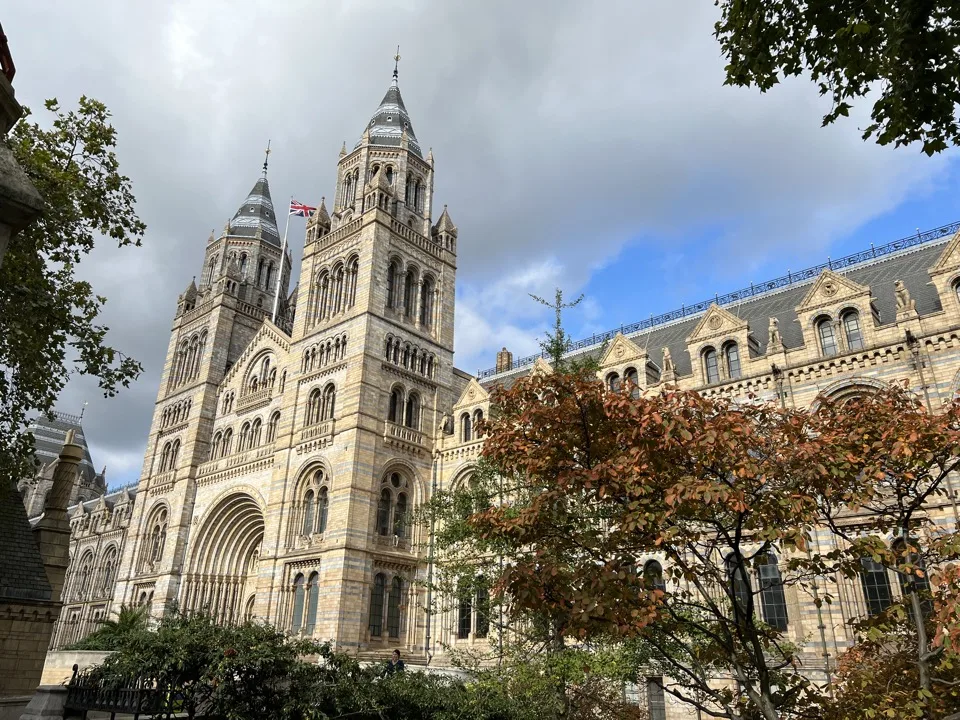
The Natural History Museum (a must for children, with the huge skeletons and the dinosaurs! And it’s a free museum…)
The Victoria & Albert Museum (less well known but well worth a visit – the permanent collection is free and there’s a lovely inner courtyard for a drink).
Hyde Park (with the Serpentine Gallery and the Diana Memorial)
The department store Harrods
A few distance pointers you’ll need to cover:
St Pancras International, where you’ll arrive if you come by Eurostar, is 30 minutes by Tube, but at least it’s direct on the Piccadilly Line (station: Gloucester Road)
If you want to visit the Harry Potter Studios, you’ll need to get to “Euston Station”, which is also about half an hour from South Ken (it’s next to St Pancras)
Thanks to the Piccadilly Line, you can reach Piccadilly Circus (10 min), Covent Garden (15 minutes), Chinatown (17 min) and the British Museum (22 min) without changing.
To reach the Big Ben / Westminster Abbey / Parliament area: 20 minutes by Tube (District or Circle line)
To reach the famous Notting Hill neighbourhood: 15 minutes by Tube (Circle line).
By basing yourself in South Ken, you’ll be quite far (35 to 40 min) from: Tower Bridge, the City, Borough Market… But as I said above, you can’t be next door to everything ;-)… and it’s still doable.
The Piccadilly Line is the line that goes to Heathrow Airport in the east (allow 50 min from South Ken).
Note: all the timings I’ve given are from Tube stations. So you need to add the walking time from your accommodation to the Tube.
If the rental prices in South Ken are still a bit high for your budget, you can move a little further out while staying on the Piccadilly Line and aim for Earl’s Court (where there are budget hotels – see further down in the article) or Hammersmith.
Note that South Kensington is not part of the “congestion zone”, so there’s no charge to drive there (unlike the centre – see map of the congestion zone) but you’ll still need to find parking…
Accommodation in South Kensignton (or Kensington):
The City Prime Hotel is west of South Ken station. It offers small apartments with a double bed, sofa bed and kitchenette.
**** When you book a hotel on Booking by following a link on my articles, it allows me to receive a small commission: it does not change the price for you and it helps me maintain the blog. So thank you very much to those who book the hotels we recommend! ****
2 – Staying in Notting Hill (for love at first sight!)
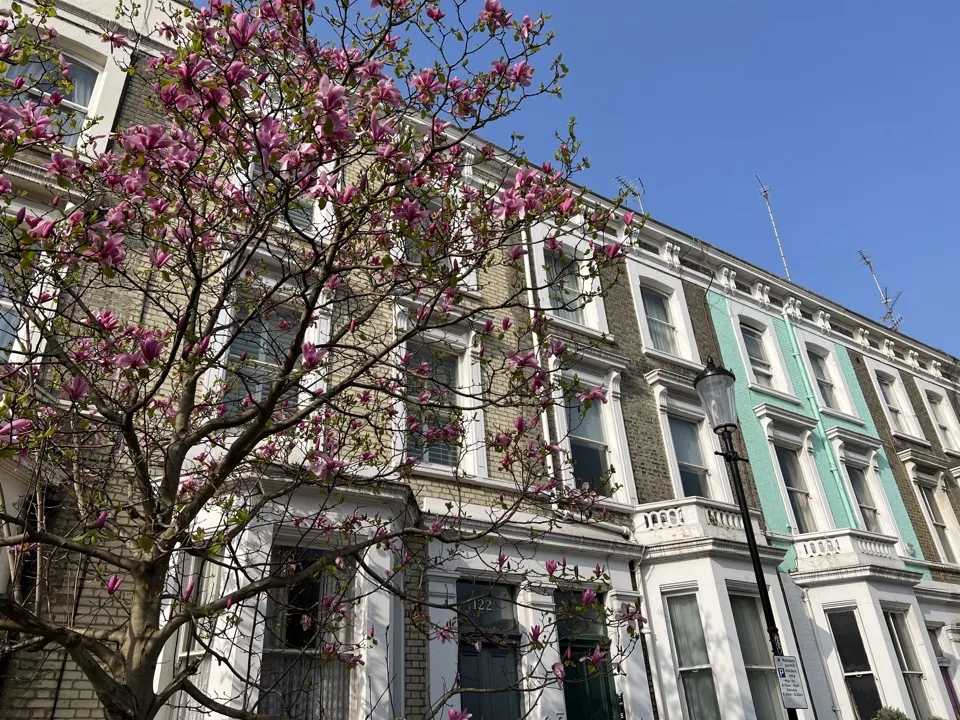
In Notting Hill, there are mainly small places because it’s residential. It’s a fairly expensive area, but less so than the centre. So if you’d like to stay there, it’s best to rent a flat or a house. Architecturally, it’s especially beautiful because there are lots of colourful houses. A perfect neighbourhood for families or couples.
By staying in Notting Hill, you’ll be perfectly placed to visit:
The famous street that runs through all of Notting Hill (Portobello Road) and lots of lovely mews.
Holland Park: less visited by tourists than Hyde Park or Regent’s Park, but a very beautiful, typical English park with a Japanese corner.
Little Venice: the charm of London’s canals and big houseboats… In fact, if you’re staying in this area, I strongly recommend doing the long walk along the canal from Little Venice to Camden (where the market is), passing through Regent’s Park.
A few distance pointers you’ll need to cover:
From “Notting Hill Gate” station, you can use the Central Line (efficient and practical), which crosses London from west to east while staying fairly far north, so you’ll often need to add a walk or change lines to reach points of interest that are a bit south of the line. So, with a change or a walk, allow 15 minutes to Piccadilly Circus, 20 minutes to Covent Garden, 22 minutes to St Pancras station.
To visit the Natural History Museum in South Kensington, allow 15 minutes by Tube (Circle line).
Like South Ken, Notting Hill is in the west, so on the opposite side from Tower Bridge (35–40 minutes by Tube).
Accommodation in Notting Hill:
Ravna Gora: small quadruple room on the Holland Park side:
NB: Notting Hill is outside the congestion zone.
3 – Staying in Chelsea, except on a match night!
I’ll continue with neighbourhoods in west London: Chelsea. Chelsea is known for its chic shops and art galleries, but also its football stadium! We actually stayed just a stone’s throw from the stadium because guess what? Well, it’s cheaper than the chic shopping part of Chelsea. The stadium area is a bit further out, but it’s still a very good location. The one thing to watch: do not book accommodation near the football stadium on a match night! It would be a nightmare in terms of traffic, crowds and noise!
Move a little further out again, just after Chelsea to the west, and you reach Fulham. It’s a good option in terms of value for money; what’s more, it’s a family neighbourhood (especially around Parsons Green station). You’ll be on the District Line, my favourite Tube line. Note that in these western areas you can hear planes going to and from Heathrow a little, but I don’t find it too bothersome.
A few distance pointers:
If you’re in chic Chelsea (around King’s Road near the Saatchi Gallery), then for distances, see my section on South Ken as it will be very similar.
If you’re near the football stadium, you’ll need to add almost 5–10 minutes to all the distances I gave for South Ken.
If you’re in Fulham, you’ll need to add 10–15 minutes… it starts to add up, but it brings accommodation costs down and this area remains very London in its architectural style:
Accommodation in Chelsea–Fulham–Parsons Green:
As a family, we booked this Victorian flat with a garden for 4 people (2 bedrooms and 2 double beds). Earl’s Court or West Brompton Tube. Earl’s Court is very practical because there’s the District Line and the Piccadilly Line. The location is excellent for visiting London. Bus towards South Ken and the centre.
NB: Chelsea, Fulham and Parsons Green are outside the congestion zone.
4 – Staying near Tower Bridge
By staying near Tower Bridge, you’ll be perfectly placed to visit on foot:
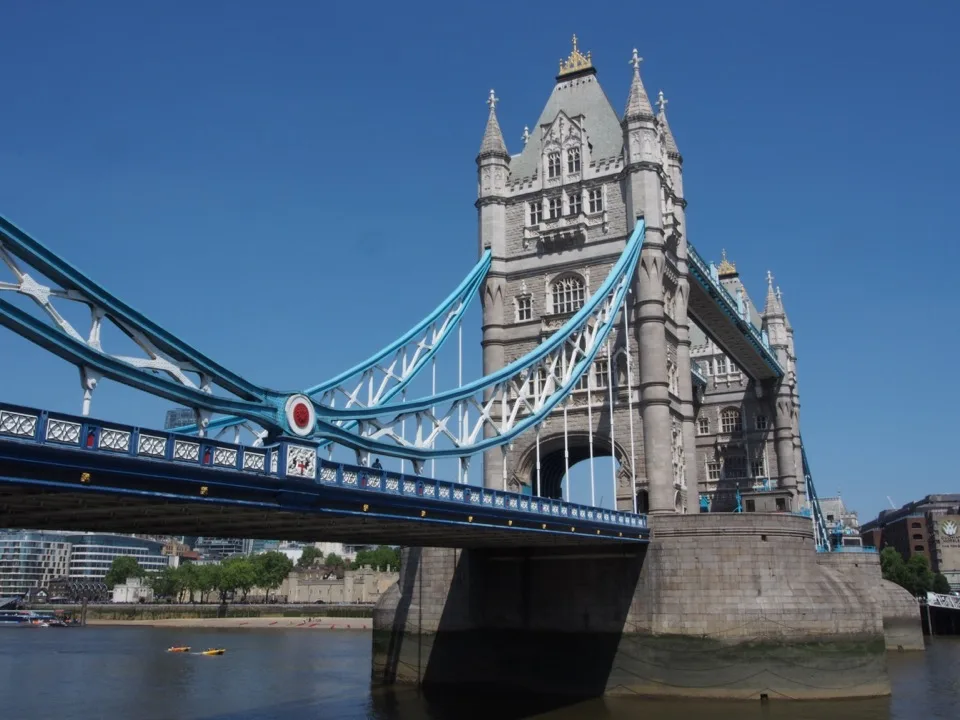
Tower Bridge
The Tower of London
The City (including the Sky Garden for the view or the lovely passage of Leadenhall Market)
The Shard (London’s tallest tower)
The Shoreditch neighbourhood (for street art and small markets)
Borough Market or Maltby Street Market (for lunch)
Tower BridgeTicoeur at the top of The Shard
For attractions further away:
If it’s an attraction on the Thames, like Big Ben, Tate Modern, St Paul’s, the London Eye, then I strongly recommend walking, because the landscaped stroll along the South Bank is truly unmissable! I’ve also dedicated a whole article to discovering London along the Thames.
Among the attractions on the opposite side from Tower Bridge are the Natural History Museum (33 minutes). You should also allow half an hour to reach St Pancras station. All other journeys should therefore be shorter, so it remains reasonable.
Accommodation near Tower Bridge:
I’ve been lucky enough to sleep several times right on the Thames with a view of Tower Bridge on business trips, but those were fairly expensive business hotels. If you want to stay in this area, I find the best compromise is the Novotel London Tower Bridge: family-friendly, very comfortable and well located.
To bring the budget down, there are many affordable hotels 10 minutes north of Tower Bridge (just before the Shoreditch area, known for street art). It doesn’t have the charm of London’s chic neighbourhoods, but it’s quite practical and more economical. It’s not a family area either, but if you find a place that’s large enough, it can be financially interesting. Personally, we tended to stay there more during our getaways as a couple, especially as it’s not far from our favourite cocktail bars :-).
Other examples of hotels north of Tower Bridge:
Flat on St Katharine Docks (nice for restaurants in the evening), with a double bedroom, a sofa bed and a balcony with a view.
Note: this area is in the congestion zone, so it’s better suited if you’re not driving.
5 – Staying south of the Thames near Tate Modern
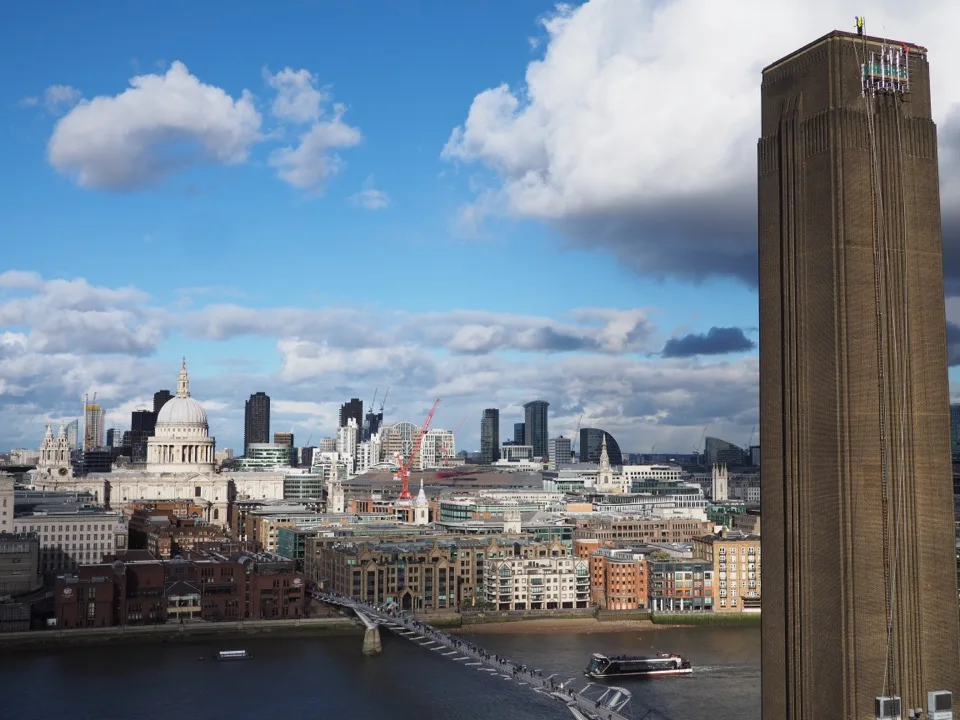
We’re staying on the Thames but in a more central version than Tower Bridge: there are many modern hotels right next to Tate Modern. It’s a brand-new area with recent developments and therefore towers. It’s a long way from the charm of Victorian houses, but it’s all new, well located, and I find the hotels in this area offer good value for money.
View from the 10th floor of Tate Modern
Advantage of this location:
Despite the lack of charm, it’s a safe and practical area…
On the South Bank of the Thames, you have direct access to the pedestrian walk along the river that I mentioned above (South Walk).
As Tate Modern is “in the middle”, at equal distance from the points of interest in the west and the east, it means your journeys will be more even in length. In fact, to visit central London, you can do everything on foot by crossing Waterloo Bridge. Allow 30 minutes to get to Covent Garden. Golden Jubilee Bridge is also handy because it’s pedestrian and takes you towards Trafalgar Square.
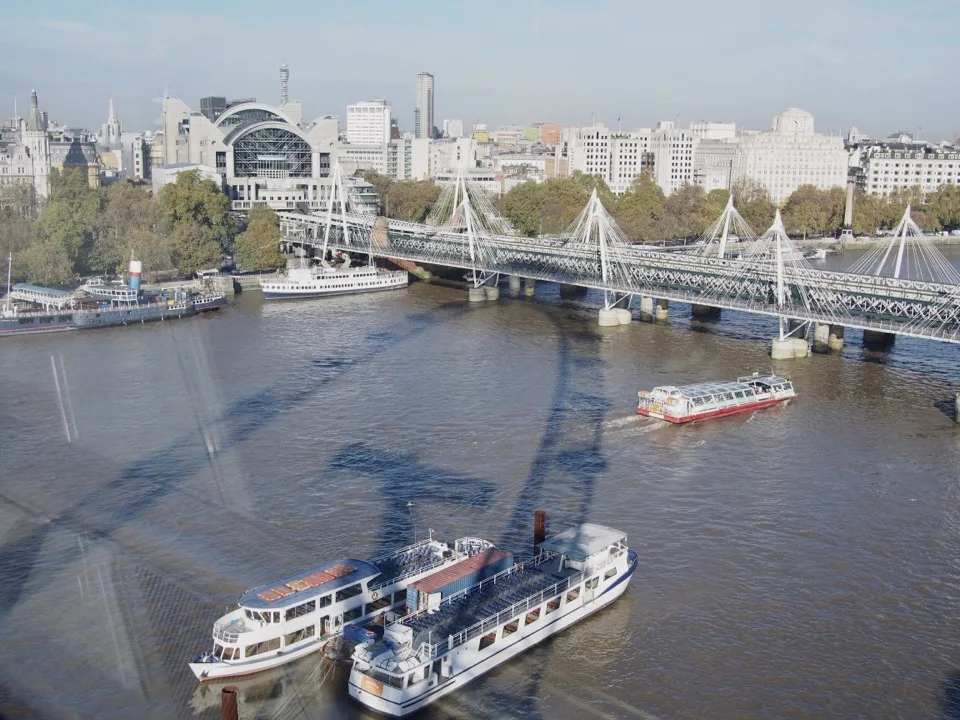
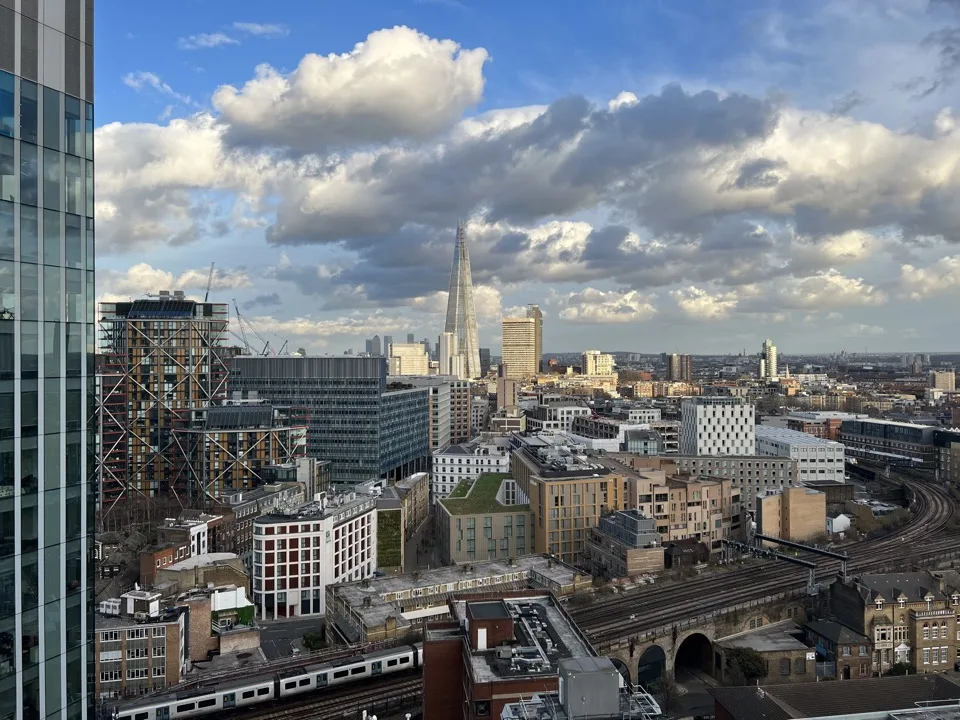
View from The Hoxton Southbank hotel
Accommodation near Tate Modern:
We stayed as a couple at The Hoxton Southbank. Very good. Don’t miss having a drink in their top-floor bar: there’s an oysters-and-gin happy hour!
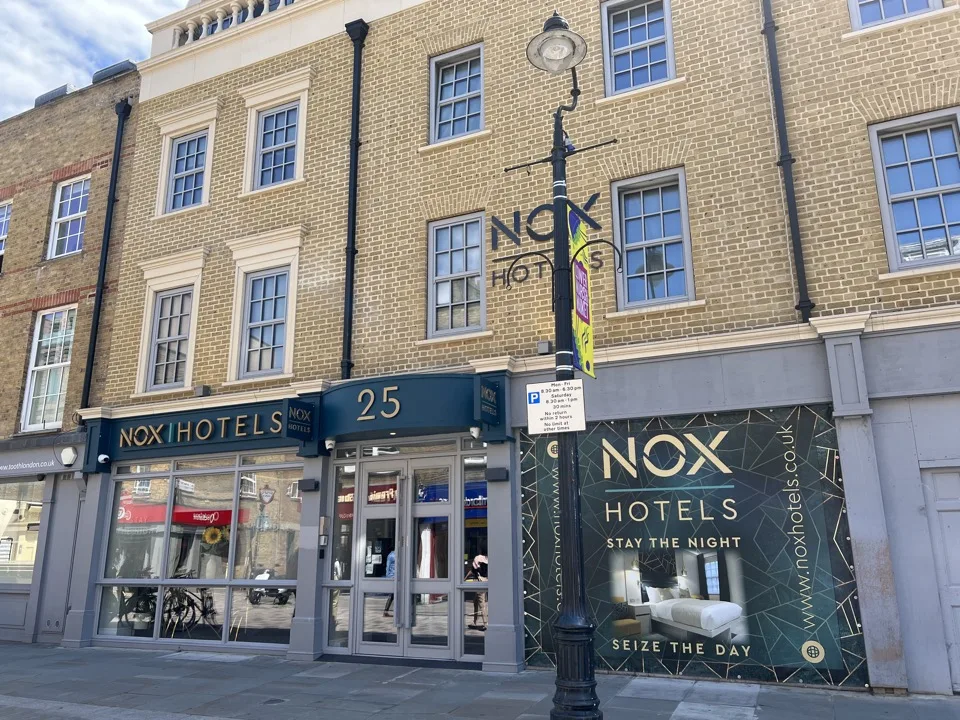
With a friend, we also tried Nox Waterloo (we had a double room with twin beds, but they also have double beds and studios for 4). The hotel is on a lovely little street, just behind Waterloo station:
Note: this area is in the congestion zone, so it’s best to be without a car.
6 – Staying north of the centre: Islington, Camden, Primrose Hill
We stayed once in Islington and we liked this neighbourhood for its typical London architecture and atmosphere. You see quite a lot of families there. It’s a lively neighbourhood in its own right, with lots of shops and good restaurants. Islington is a good choice if most of the visits you’re planning are in the northern part of the centre. Note that Islington is large, so to optimise journeys, I recommend choosing accommodation close to “Angel” station.
By staying in Islington, you can easily reach:
St Pancras station (for Eurostar) or Euston (for the Harry Potter studios) in 10 minutes by Tube (Northern line)
Camden Market in 15 minutes, still via the Northern Line
You’ll be very close to the canal (mentioned above), which you can follow towards Camden and then Regent’s Park
The British Museum (15 min by bus)
You’ll need to travel further for attractions like the Natural History Museum (35 minutes) or Tower Bridge (25 minutes)
You could also opt to stay in Camden, which would bring you closer to the lovely parks and the views from Primrose Hill or Regent’s Park. See my article on visiting Camden.
Camden
Accommodation north of the centre:
Charlotte Guest House: quadruple room with en-suite bathroom, also next to Freud’s house.
This lovely house near Camden, with a terrace for 6 people (3 bedrooms). More expensive because it’s for 6, but there are last-minute deals.
NB: these neighbourhoods are outside the congestion zone.
7 – Staying in Hackney, off the beaten track
Do you already know London, have you been many times, and would you like to discover a new neighbourhood while saving money on accommodation? I recommend Hackney, in north-east London. Hackney is a large area: some parts are family-friendly and “boho”, others aren’t very recommendable in terms of safety, so I advise staying near Victoria Park, London Fields or Hackney City Farm, and reading accommodation reviews carefully to make sure you’re in a quiet spot.
By staying in Hackney, you’ll be perfectly placed to visit:
The superb Broadway Market: a gourmet market on Saturday mornings.
Victoria Park and its small Sunday morning market
The Columbia Road Flower Market (and, why not, look for accommodation around there: it’s more chic than Hackney, so more expensive, but further south and therefore closer to the attractions).
The V&A Museum of Childhood: a very nice museum for young children, with collections of toys from every era (free).
The little farm: Hackney City Farm (it’s not really a London must-see and it’s tiny, but if you’re staying in Hackney and you have very young children, it’s nice to stop by).
Towards the Thames, you’ll pass through Brick Lane and Shoreditch, where there are small flea markets, vintage clothing sellers and street art.
A few distance pointers you’ll need to cover:
Hackney isn’t very well served by the Tube, so you’ll need to use buses or combine walking and then the Tube. Journeys will therefore be around 40 to 45 minutes to reach most of the “classic” sights in the centre, and buses have the drawback of traffic, even though they’re quite nice for seeing the city… In short, Hackney is an option for people who have time, already know London and are looking for good-value family accommodation. We’ve stayed there many times and enjoyed it because it’s different and the atmosphere is nice.
The furthest point will be the Natural History Museum: allow 55 minutes from Victoria Park in Hackney.
Accommodation example in Hackney:
The few times we stayed in Hackney were for trips with grandparents or friends. We then needed accommodation that was a bit larger than usual, so choosing Hackney allowed us to find flats or houses bigger than in the centre.
The other house we booked is unfortunately no longer available.
NB: Hackney is outside the congestion zone.
***
What about staying in central London?
You’ll have noticed that the very centre isn’t among the areas I recommend in this article. Why?
We stayed in the station area (St Pancras and Euston) and found it wasn’t pleasant. Less charm and more noise than other neighbourhoods.
Prices are very high and when we found something within our budget, it was tiny – like a small room with two double bunk beds and nothing else.
In the centre, there are lots of “bad Airbnbs”. By “bad Airbnbs”, I mean places that pretend to be hotels but aren’t… People who invest in an entire building and fit it out into lots of small furnished rooms at minimal cost. To me, the real Airbnb concept is staying in a lived-in place – someone’s main or second home that they’ve put on Airbnb to top up their income… You see the idea?
In the centre, there are very beautiful hotels, but they’re very expensive. Once, we were lucky enough to stay at the Hyatt Churchill because I’d won a night there! It’s great, but reserved for big budgets.
Should you rule out the centre when looking for accommodation in London? No, do still have a look! I’d say avoid the major thoroughfares because of the noise (like Oxford Street and many others), but look in lovely pockets such as around Covent Garden or in the very chic neighbourhoods of Mayfair and Marylebone. You’ll see if you find a gem at an affordable price! And don’t hesitate to share the address with us in the comments!
You’ll notice that I haven’t given prices in this article. The reason is simple: prices vary hugely depending on the period you choose! So accommodation we paid €150 per night for could be €300 per night if you choose a more in-demand week. Prices also change depending on supply and demand, how far in advance you book or, on the contrary, last-minute booking, and finally depending on the number of people. Also, everyone has a different budget (personally, I look in the €100–200 per night range) and everyone has their own criteria (for example, you absolutely want a dishwasher or a coffee machine ;-)). So my main aim is above all to give you a good sense of direction and ideas for neighbourhoods we enjoy in London. For the rest, I’ll leave you to do your research!
I’m also regularly asked what the budget hotel chains are in England, and therefore in London, offering very basic accommodation. We haven’t tried this type of hotel at all because we’ve always found what we wanted in more charming flats within our budget, but here are a few well-known names in the entry-level segment: Travelodge, Premier Inn, Easy hotel, Holiday Inn Express, Best Western, Ibis… (note: sometimes budget hotels are less budget than other higher-quality accommodation, so stay open-minded in your search).
***
I hope this article helps you choose a neighbourhood for your next stay in London, as a family or as a couple! Above all, don’t hesitate to share your good accommodation tips with us in the comments! And to know what to visit, check out our complete guide to visiting London as a family!
See you soon in London? See you soon!
Also worth reading
GuideLondon with kids: All you need to knowOur practical guide to visiting London with children: walks, museums, parks, transport, restaurants, accommodation and family day…
Christmas in London: 20 family activitiesPlanning a family trip to London at Christmas? Here are 20 festive activities, practical tips and ideas for enjoying the city…
4 days in Barcelona with our teenagersOur 4 days in Barcelona as a family with our teenagers: itinerary, museum visits and walks neighbourhood by neighbourhood
As this magnificent English forest is very close to where we live, we go there regularly, so I wanted to share 10 activity ideas for discovering the New Forest as a family.
If you come to the south of England and, more specifically, to Hampshire where we live, the New Forest is a must-see. On a road trip along the English coast, I recommend spending at least one day there, or even better: two days and one night if you have the time. That way, you’ll enjoy the landscapes and the famous New Forest horses. A perfect family stop!
As soon as we moved here, we set off to explore this forest (the largest in England), and we immediately fell in love with a place that feels so alive and so “inhabited”! It’s a chance for wonderful encounters with animals!
A little history to begin with: the New Forest is a royal forest, created by William the Conqueror, hence the adjective “new”… Before that, there were only heathlands in this area stretching all the way to the sea. Basically, William the Conqueror wanted his own forest, particularly for hunting. The capital was once in Winchester (also in Hampshire), so not far from here. Later, wood from the New Forest was used for Navy ships. Today, the New Forest is protected and is home to many animals that you’re bound to come across: fallow deer, red deer, cows, wild pigs, donkeys, sheep but above all thousands of wild horses (also called “New Forest ponies”). Seeing all these horses on our walks is truly magical! The children love it!
Here are 10 family programme ideas for visiting the New Forest:
With February half term approaching, you may have planned a trip to France to visit Paris or other beautiful regions or to go skiing in the French Alps of course! Now, you have your train or plane tickets but you feel lost regarding the Covid rules to enter France and the Covid rules in the country? I completely understand! That’s really confusing! As you may know, I am a French mum living in the UK so I can totally agree with your “lost in translation feeling”! My country has really not made things easy! That’s why, with that article, I will try to summarize the main Covid rules you need to know to enjoy your holiday there!
What are the Covid rules to enter France?
For France, the UK is an “orange” country. Here are the rules:
Show that you’re fully vaccinated. Please note that to enter France your Covid Pass will be valid if you had your booster no later than 9 months after your 2nd dose. But as your Covid Pass will only be valid 4 months after the 2nd jab for the activities you may have in France (visits, restaurants… see below), then it means that between the 5th month and the 9th month after your second dose, yes you can enter France but you won’t be able to do much while in the country.
No test needed for vaccinated people since February 12th, 2022
Children that are older than 12 years old but not fully vaccinated can travel with their vaccinated parents (no quarantine) but they need to take an antigen testin the 48 hours (or PCR in the 72h) before your trip to France (NHS tests not allowed as proof).
For everyone above 12 years old, a paper declaration form must be filled in (you declare you have no symptoms and that you have not been in contact with anyone with Covid in the 14 last days).
No travel restrictions for children under 12 years old.
Adults that are not fully vaccinated will have to quarantine 7 days and still need to take an antigen testin the 48 hours (or PCR in the 72h) before they travel to France.
Please find all the details of the rules to enter France on the French official website or on gov.uk
NEW : From March 15th, 2022 you won’t need the Covid Pass anymore for restaurants, museums, transports, cafés…
Covid Pass needed: for a lot of activities, you will need a Covid Pass. For instance to eat in a restaurant, to stay in a hotel, to visit a museum, to go to the movie theatre, etc…
What is the French Covid Pass? For adults AND for 16 to 18 years old children, a Covid pass is a proof of vaccination OR a Covid recovery certificate. For 12 to 15 years old children, the same proofs are valid but they can provide a negative antigenic test instead. For children younger than 12 years old, there is no Covid pass needed.
Be careful: the Covid Pass is only valid during 4 months after your second Covid jab or 4 months after you recovered from Covid (if you had 3 doses, then you’re completely fine!). For 12 to 15 years old children who are using antigen test to get the pass, the validity of their pass is only 24 hours! Therefore, they need to test every day to be able to participate to any of the activities I mentionned earlier. Some examples: 1/ if you had your 2nd Covid jab on November 1st 2021, it will be valid until March 1st. After that, you will need to show you had a 3rd jab. 2/ if you had Covid in January 2022 and got a recovery certificate, then your Covid pass will be valid until May (4 months after the date on your certificate) even if you had no Covid vaccine before. 3/ if you had your third jab on December 1st and you want to travel to France in May 2022 (more than 4 months later), then even if not specified, it’s still ok for the moment because there is no 4th jab campaign in France.
How to show your Covid Pass? if you live in the UK, you can show the QR code you got from the NHS (vaccine QR code or recovery certificate QR code). If you live in the EU, your country has also given you a QR code that works in all the EU countries. If you don’t use an app, you can show your QR code on paper. If you prefer, you can also scan your QR code in the French Covid app called “Tous Anti-Covid”. Your choice!
Covid rules on ski resorts in France:
Covid Pass needed for ski lifts of any kind: controls can be done when you buy your ski pass or when you take a ski lift or by the ski teacher of children above 12 years. If your 12 to 15 years old children need to test to get their Covid pass, I recommend you book antigen test appointments in advance in a local pharmacy. Cost is 25€ per test. The Covid Pass is also necessary for all the other activities in the resort: restaurants, hotels, swimming pools, spa, etc…
Wear a mask in ski lifts queues and on ski lifts: you can use any usual type of Covid mask or buy a warm Covid neckband. If your ski resort is at the border with Italy, be aware that only FFP2 masks are allowed there.
I hope you feel ready for your trip to France in Covid times! Bon voyage!
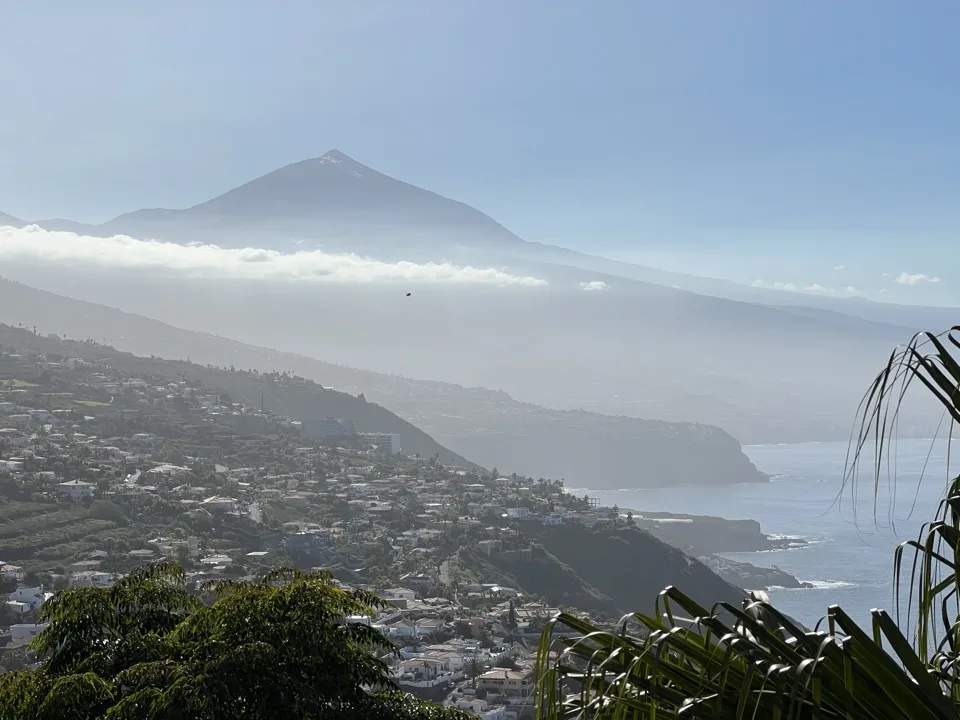
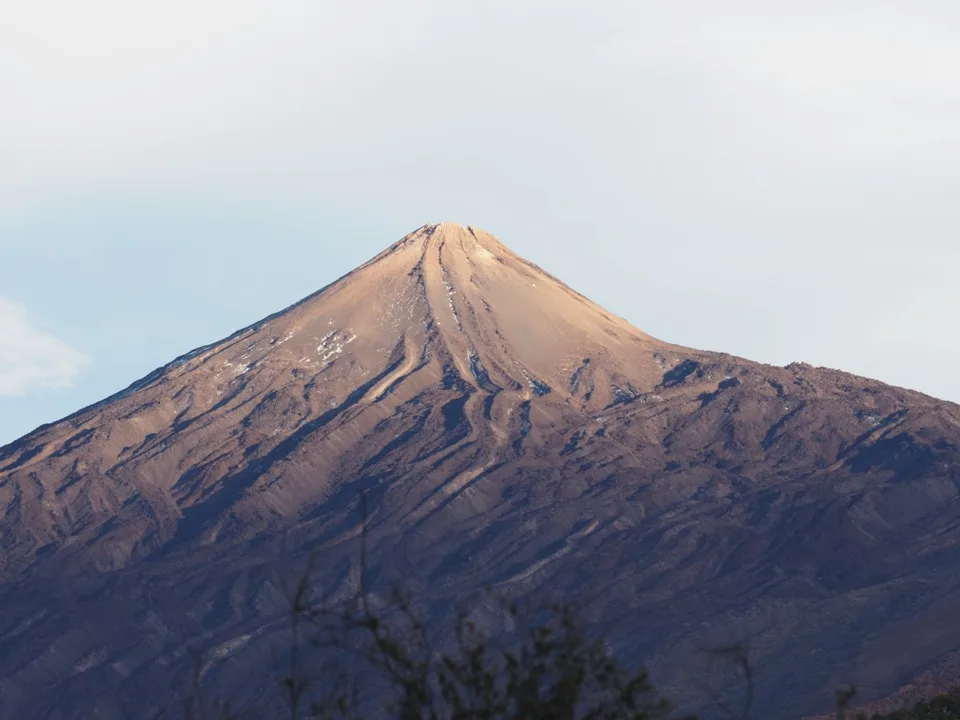
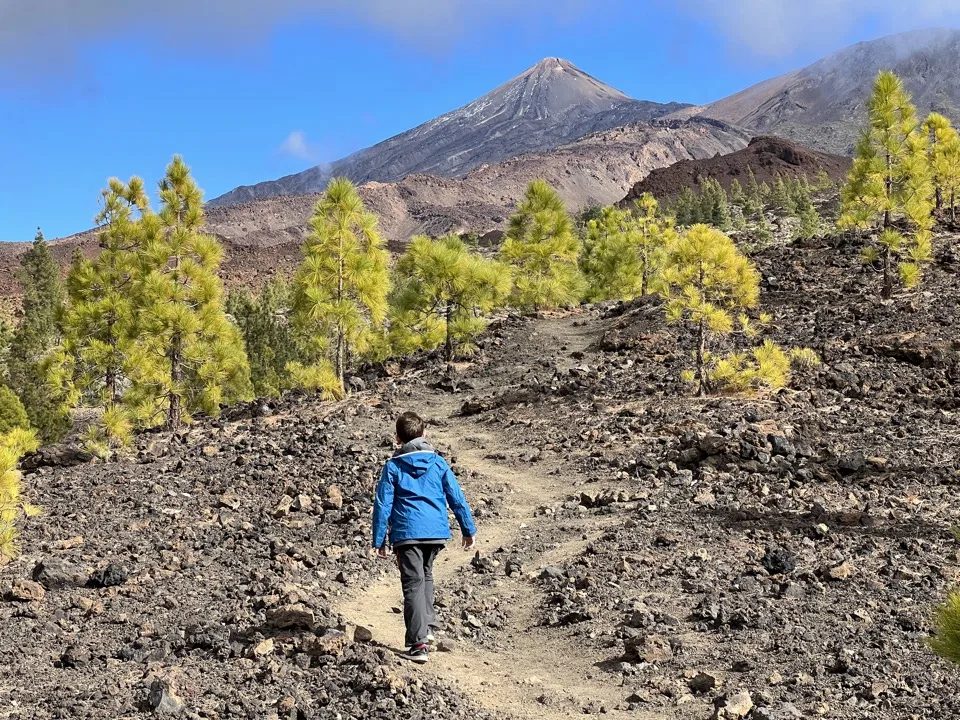
During the Christmas holidays, we spent a week under the Tenerife sun as a family. We loved it! And yet, I was a little apprehensive because, in the Canary Islands archipelago, we had already been on holiday in Lanzarote, so the bar was set very high! But we weren’t disappointed. Tenerife is the largest of the Canary Islands; Mount Teide is impressive and, clearly, it’s a perfect destination for hiking lovers, but not only that! So here is an overview of what we managed to do in one week in Tenerife, knowing that it’s far too short for such a large island and that we’ll be going back for more discoveries!
What to do in Tenerife as a family?
Go hiking, of course!
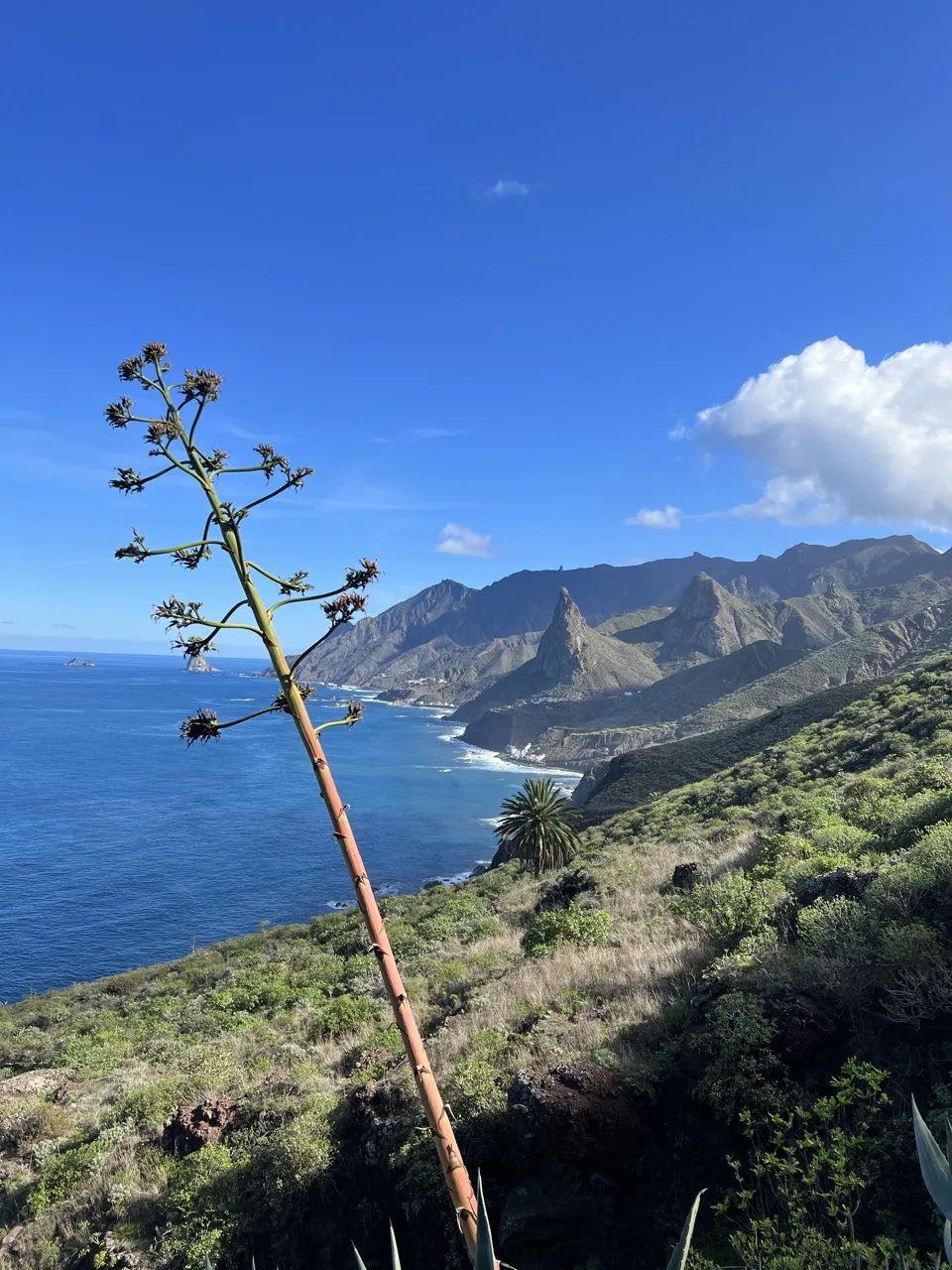
Clearly, if you’re hesitating between several Canary Islands and you’re keen on hiking, Tenerife is ideal! Whether in Teide National Park or in Anaga Rural Park in the north, you’ll find trails of all levels and superb landscapes, sometimes lunar, sometimes very green. See the detailed article on our 5 family hikes in Tenerife.
Boat trip to meet whales and dolphins:
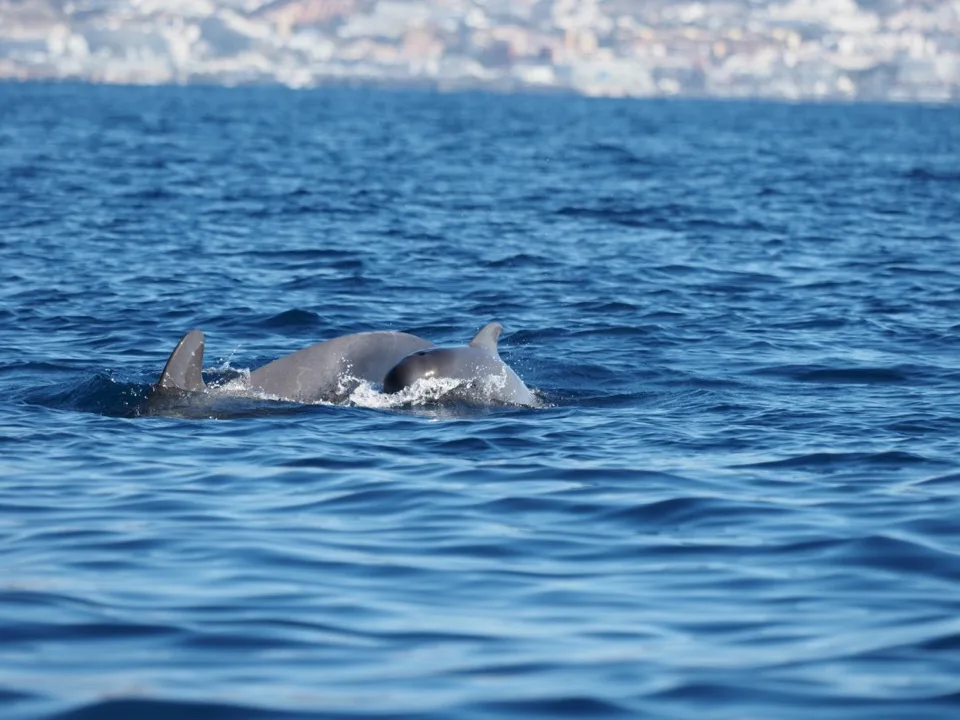
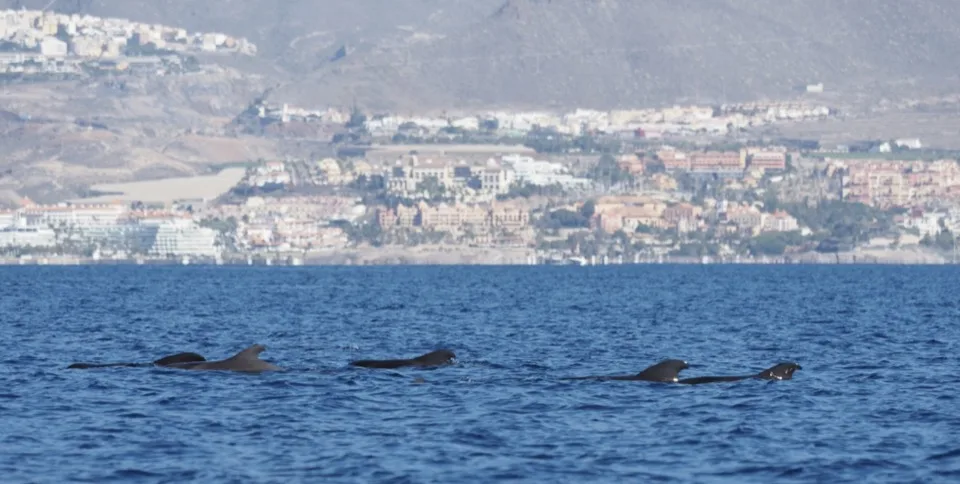
Many families of pilot whales live year-round off the coast of Tenerife. Since the start of the pandemic, they’ve actually been more numerous and happier to see fewer tourists. With this type of outing, you always have to be careful when choosing the provider because there are rules for respecting the animals and restrictions on the number of authorised boats, but unfortunately there are always people who take tourists out without a licence. I recommend Whale Watch Tenerife, with whom we did the two-hour trip at sea. We were on a zodiac (maximum 10 people) with a passionate guide, and we kept our distance from these beautiful marine mammals. So you see them from far away (my photos are zoomed in), but it’s still magical, I assure you! Ticoeur and Titpuce loved it and we learned loads! On the way back, we came across dolphins (there are quite a few, but apparently you don’t see them on every outing, unlike the pilot whales). An excellent memory!
Visit a lava tube: Cueva del Viento
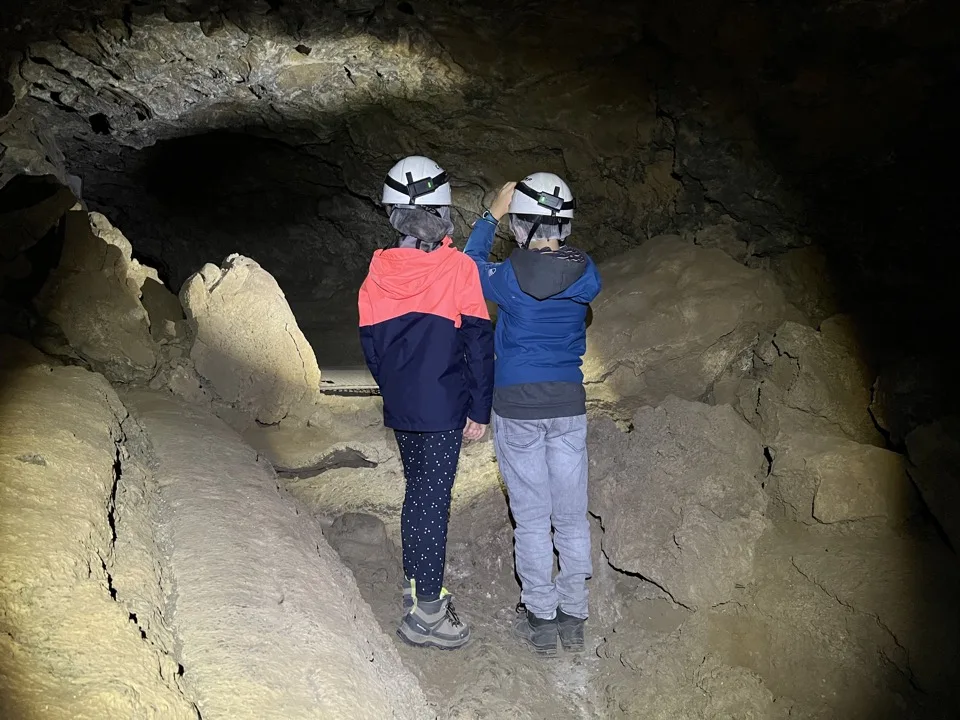
I should warn you: a tunnel formed by a lava flow is not as beautiful as a cave like the ones we’re used to seeing with stalagmites and stalactites. So the visit isn’t for aesthetic reasons. On the other hand, it’s a very interesting, educational and impressive visit when you imagine that we’re walking along the same path the lava took a very long time ago, thankfully. Our guide was brilliant and we learned loads about volcanoes and geology. What’s more, it was part of Ticoeur’s geography syllabus last term, so it worked out well! We recommend this unusual visit because it’s not common to be able to visit a lava tube! (I think it’s also possible on Réunion Island and in Hawaii.) To book, go to the Cueva del Viento website. Oh yes, one more point: when we were there, there were only tours in English, not French. Obviously that doesn’t bother us, but for a wider choice of languages, I imagine it’s better to go in high season.
Discover pretty villages, including Masca:
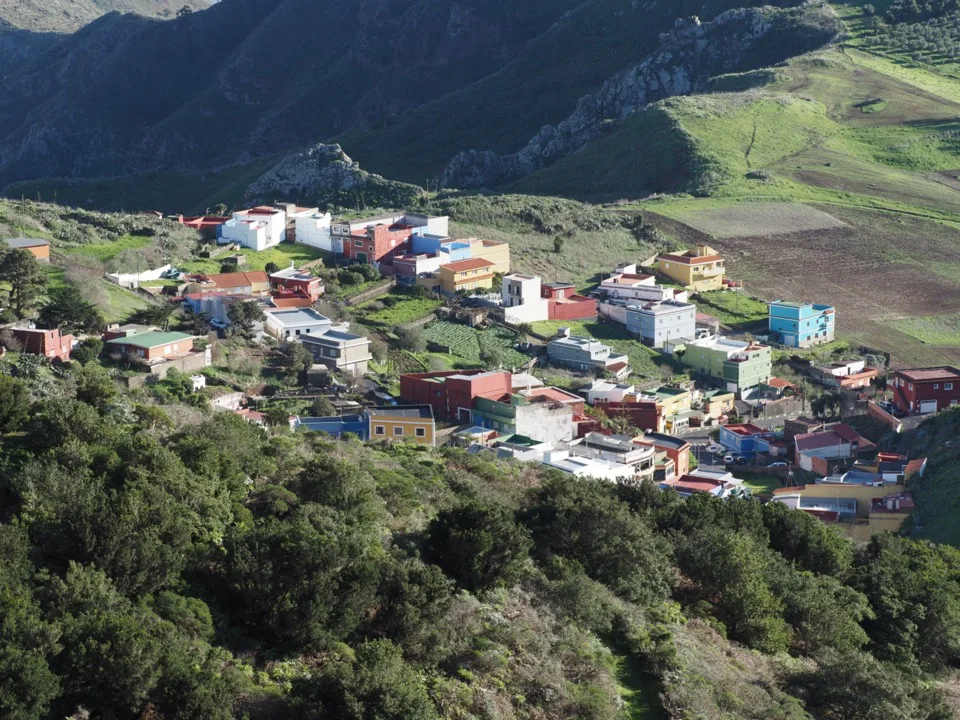
There are lots of pleasant and exotic villages. Sometimes, they’re not especially charming or picturesque, but they have something authentic about them. You can feel that a peaceful and local life unfolds there.
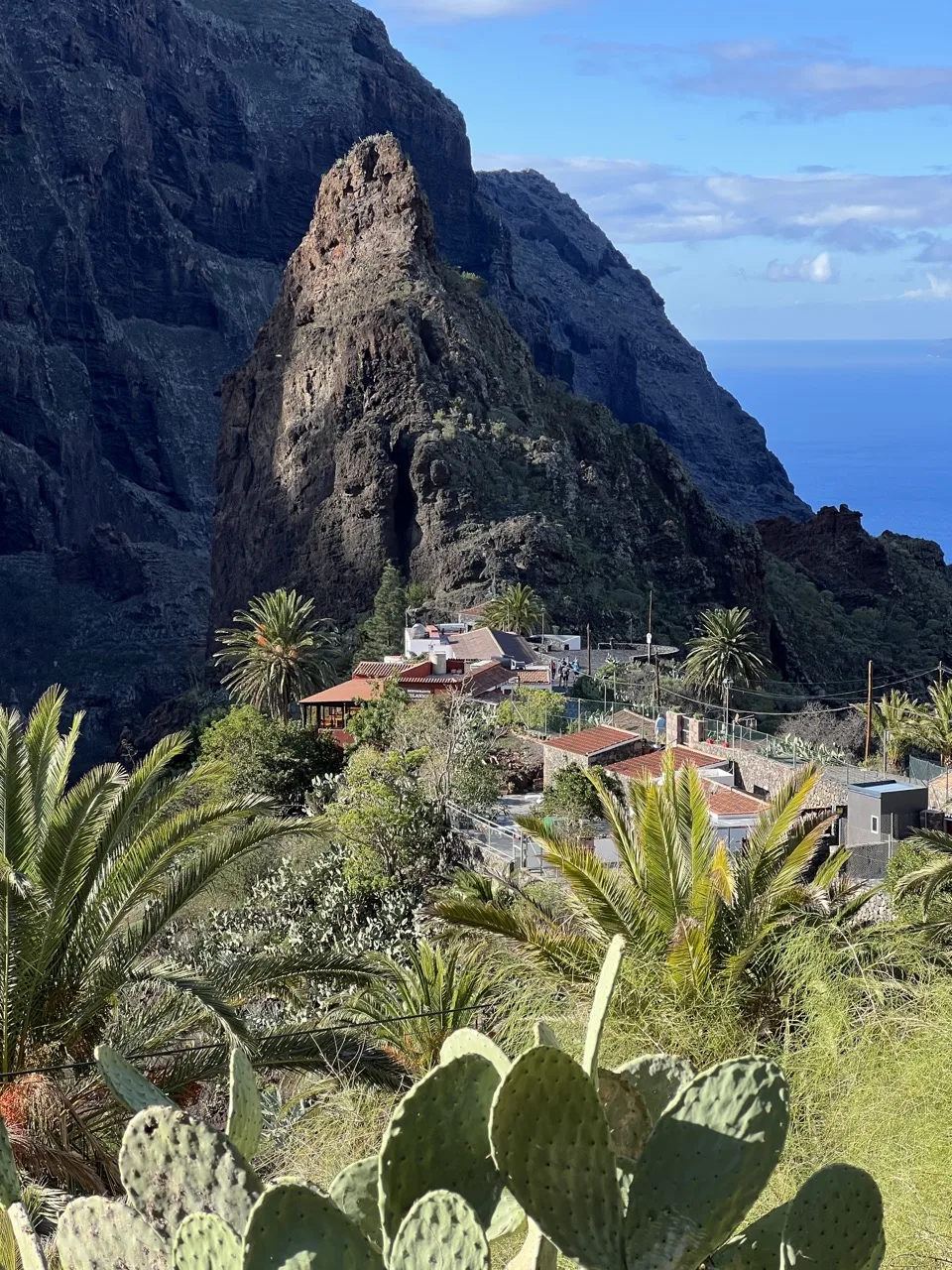
There’s also Masca, a tiny village that is very visited, this time not for the village itself but for its geographical setting and its huge rock, which reminded me a little of Huayna Picchu!
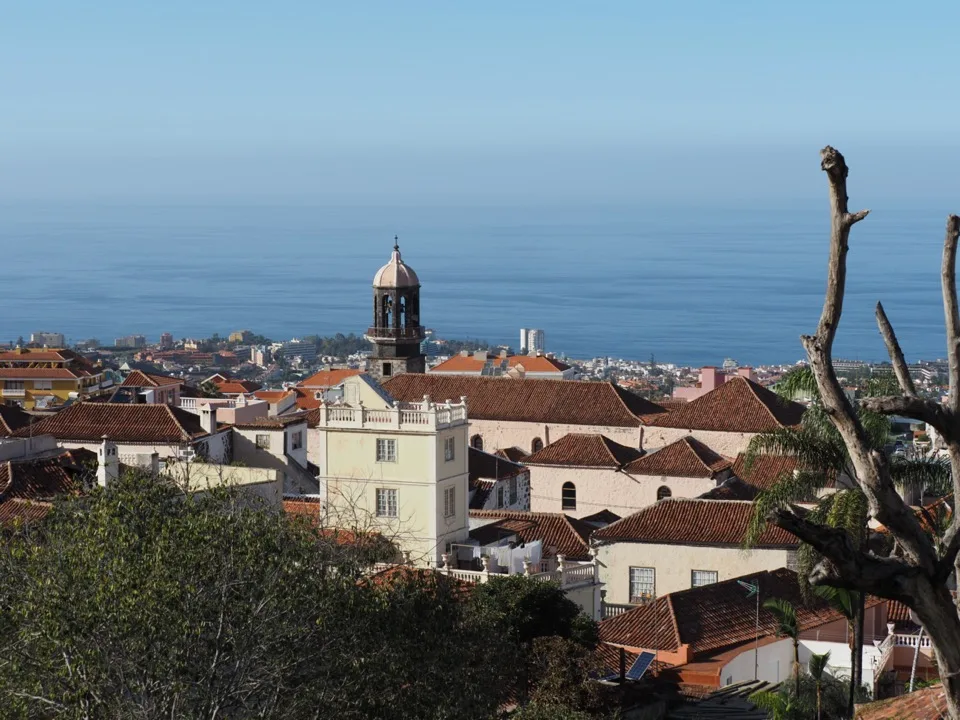
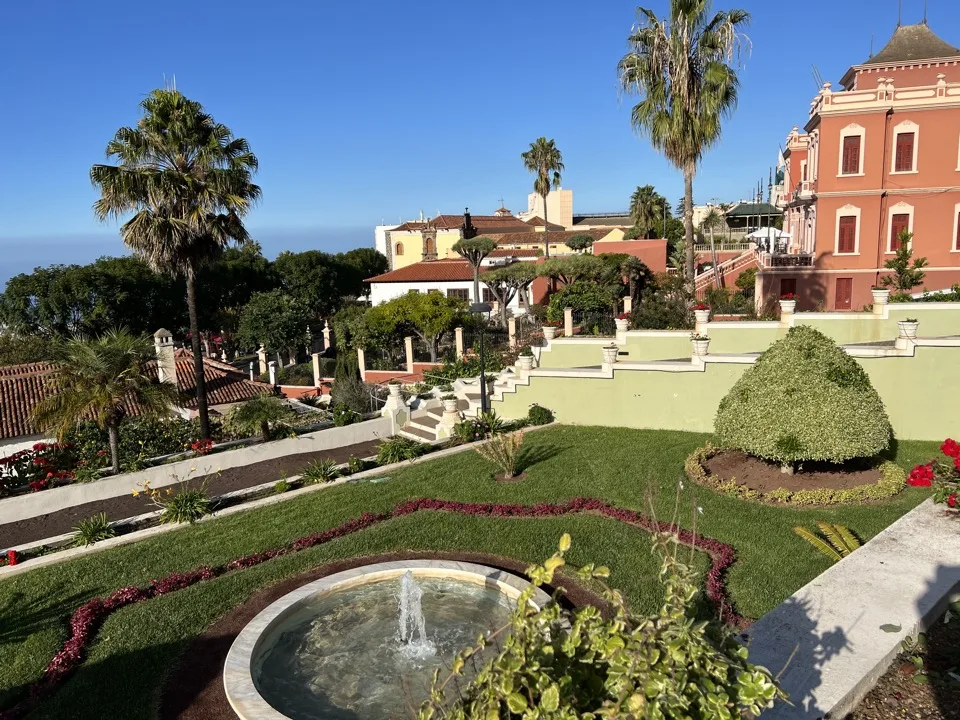
It’s the chance for a short, panoramic little walk. To discover the remote and local atmosphere of the small villages, nothing beats stopping there for a drink or lunch with the local people (in this type of simple inland restaurant, you’ll mainly find grilled specialities). As for towns, we stopped in La Orotava on the way back from Anaga Park: there are some beautiful colourful buildings there. It was perfect for a coffee in the main square.
We didn’t have time to see San Cristóbal de La Laguna or Santa Cruz de Tenerife, so that will be for next time! Our stay was more focused on nature than towns.
Swimming in natural pools:
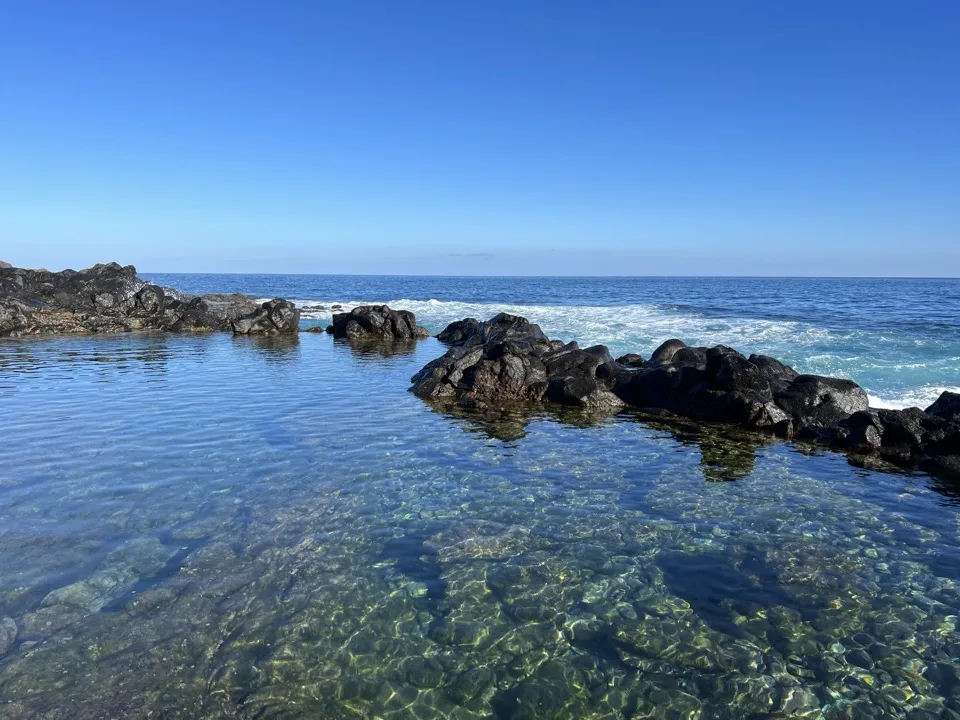
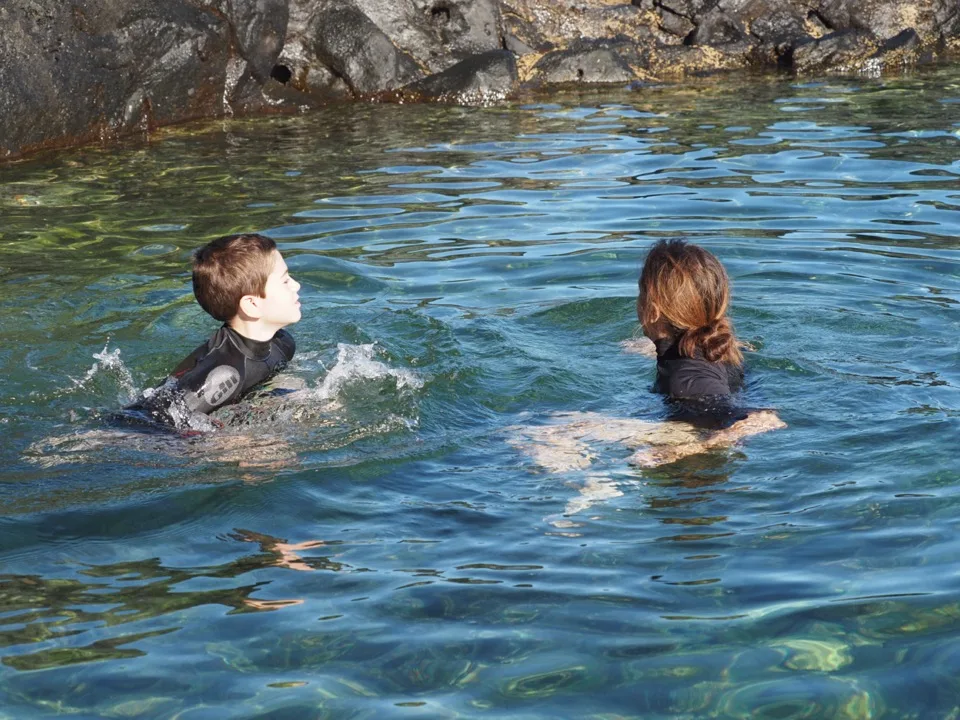
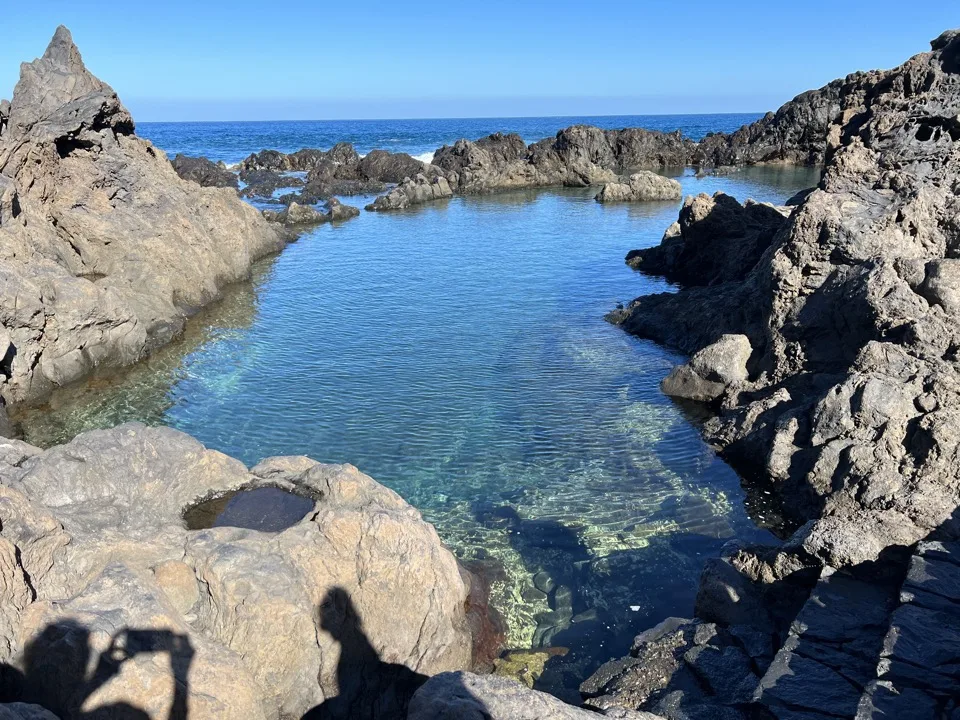
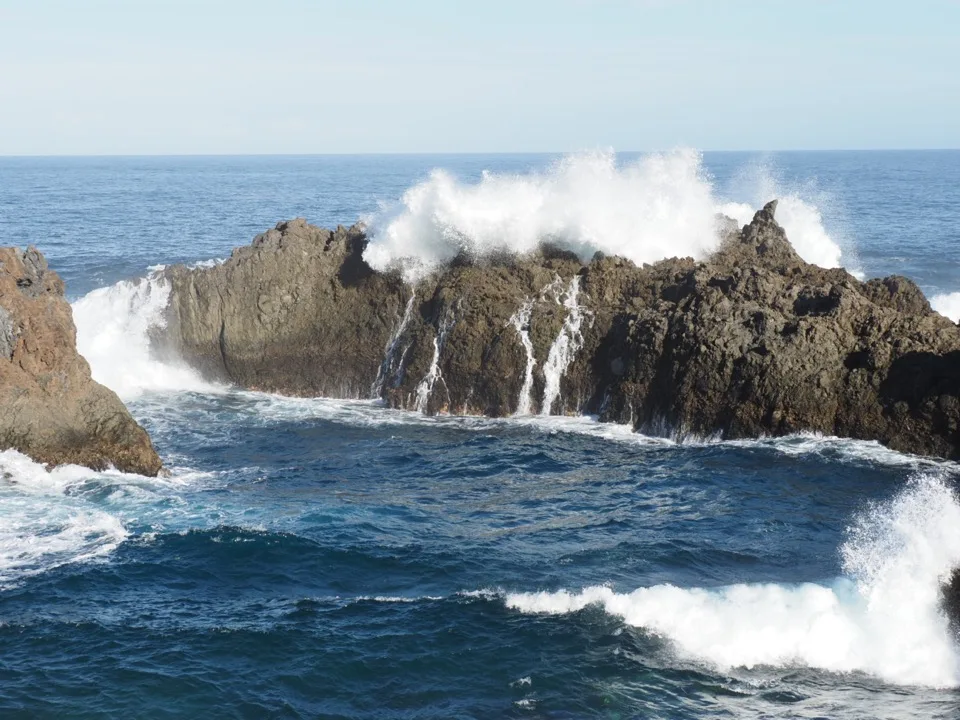
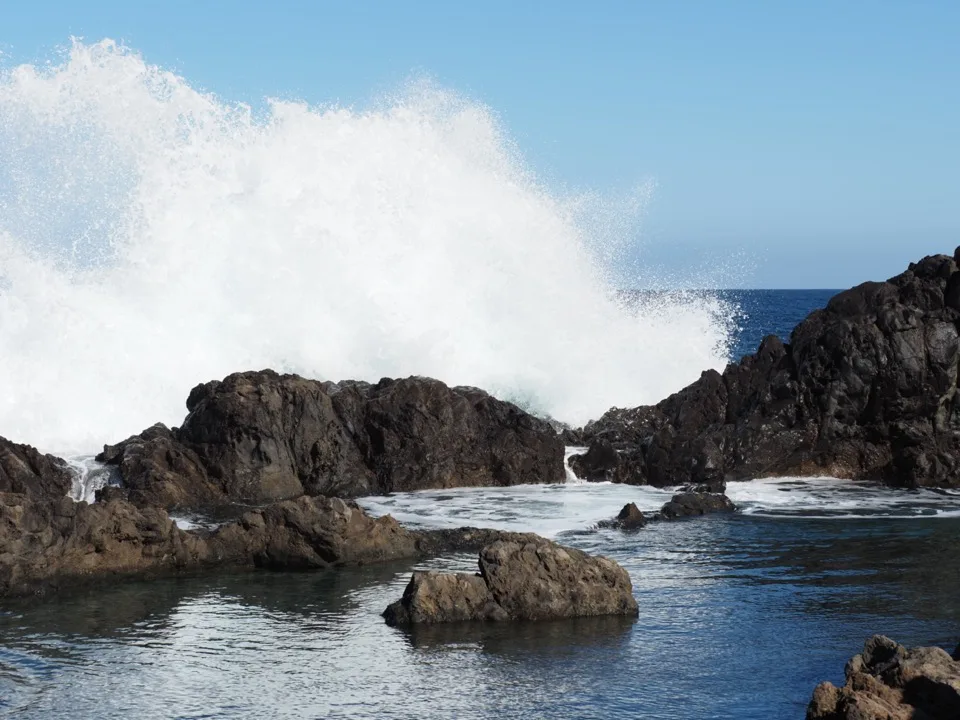
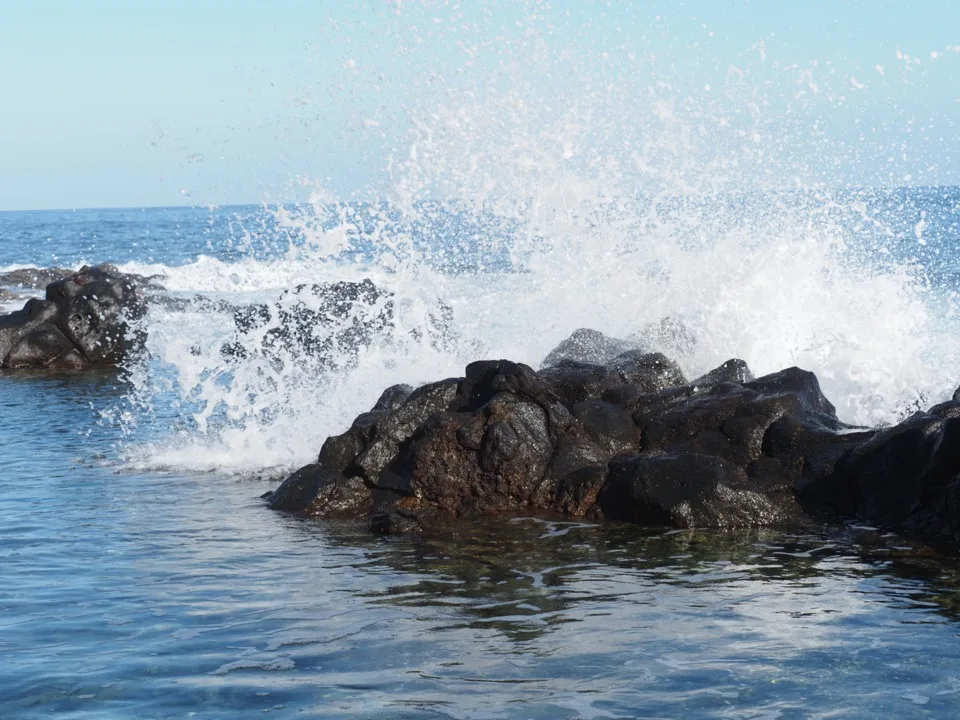
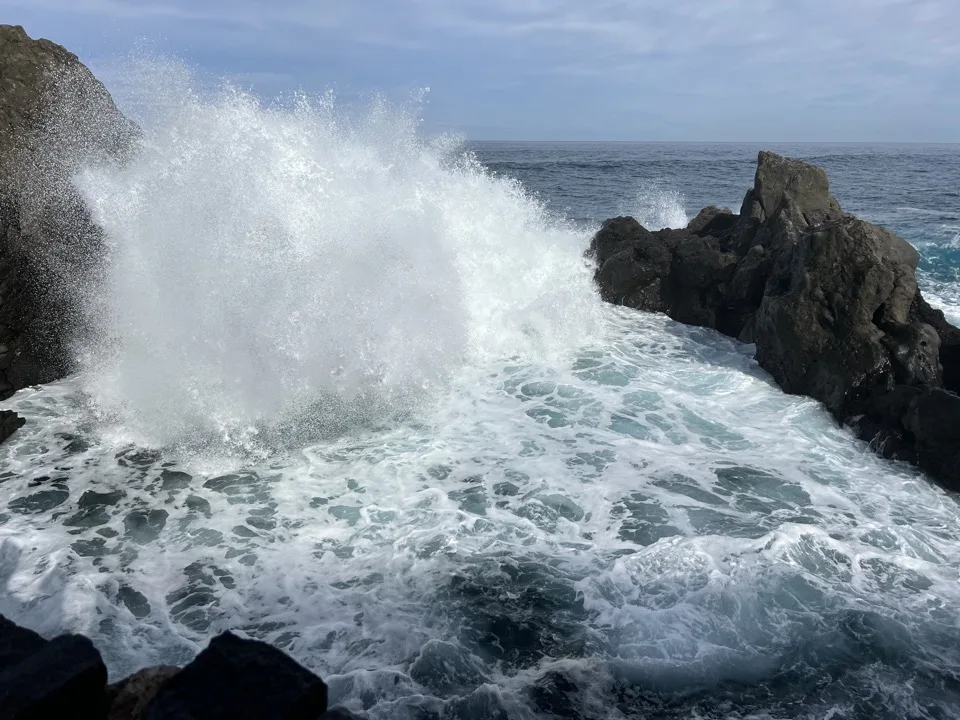
Here is another popular activity in Tenerife! There are lots of natural pools which, in theory, allow you to swim sheltered from the big Atlantic Ocean waves. I say “in theory” because apart from one morning when we were able to swim, the other times the waves were so huge that they were even washing over the rocks of the natural pool, so we didn’t feel sufficiently sheltered! Let’s say it depends on the swell. In any case, they are beautiful landscapes and lovely seaside walks.
We mostly tried the natural pools around Garachico. El Caletón was closed, so we moved on to the Charco Los Chochos natural pool, which we loved. Ticoeur and I swam there (the water was 19–20 degrees, so too cool for Papa Voyage and Titpuce). Then we went on to the natural pools of Charco Las Mujeres (very beautiful as well!). On another day, we stopped at Charco del Viento and Charco de la Laja, but the ocean was too rough! All the natural pools I’ve just mentioned are located on the north coast of Tenerife.
In photos, when the natural pools are calm, it looks like this:
And when the pools are submerged by the ocean, it looks like this:
Swimming in the sea?
So you may be wondering whether there are any calm beaches for swimming with children. Yes, there are large beaches in the south-west. The ocean is calmer there BUT it’s the most touristy area of Tenerife. Since we were there out of season, those beaches were empty anyway, but the large hotel complexes spoil the natural setting. Not our kind of place! The rest of Tenerife has far more to offer. We still stopped at the large El Duque beach because it wasn’t far from the departure point for our whale trip. The children enjoyed this beach break and building sandcastles.
On another day, we stopped at the black sand beach of Los Gigantes: even if it’s not for swimming, it’s worth it for admiring the cliffs!
In any case, the water is cool all year round, which doesn’t bother me, but I prefer to warn those who feel the cold. To conclude, when it comes to swimming, we preferred Lanzarote.
The banana plantations of Tenerife
I’ll finish with the banana plantations: there are so many banana plantations that they will remain etched in our minds! They are clearly part of the island’s landscape. I had actually spotted that it was possible to visit one, Finca Las Margaritas, but sadly the opening hours didn’t fit with our already very full schedule! So that too will be for next time! On the other hand, we were able to taste Tenerife bananas, and they were excellent!
***
Where to stay in Tenerife for a family holiday?
Many of you asked me where the best place was to base yourselves for a week when staying in Tenerife as a family. We were in Icod de Los Vinos, but the choice of village was down to chance, following the choice of house we had found. We could have stayed elsewhere. My main criterion was to avoid the touristy and overbuilt-up area around Costa Adeje and Los Cristianos—I mainly looked on the north coast. Wherever you stay, you’ll need a car, and you’ll often need to drive one or two hours because the island is large. The roads offer superb scenery, so it’s not wasted time! Especially when you cross Teide National Park! You’ll want to stop frequently to take photos.
If I go back to our accommodation: it was a villa for 4 people, with a terrace and a pool. The view towards the sea in the distance was superb. The children made use of the heated pool every day. We found it magical to be able to have dinner on the terrace every evening in the middle of December! (With a light jumper, all the same.)
In short, a very good address that offered several similar villas or flats (some with pools and others without), but unfortunately, for now I can only see this flat without a pool. I should point out that the villas or flats are semi-detached. Out of season, we weren’t bothered, but potentially you could end up with noisy neighbours. Apart from that, it was perfect!
**** When you book a hotel on Booking by following a link on my articles, it allows me to receive a small commission: it does not change the price for you and it helps me maintain the blog. So thank you very much to those who book the hotels we recommend! ****
Recommended restaurants in Tenerife:
Restaurant Tas-K in Los Gigantes: delicious and a great welcome! Very fresh, high-quality produce. Be warned: the terrace is tiny, so you need to arrive right at the start of service to have a chance of getting lunch there.
Mesón Casa Mi Madre: the catch of the day takes centre stage! A place recommended by Clo & Clem, who by chance were in Tenerife at the same time as us, and whom we had the good fortune to meet in real life!
Terrazas del Sauzal: the terrace of this bar-restaurant offers a breathtaking view over the sea and Teide. We had a drink there at sunset. Superb!
***
Car hire in Tenerife:
We hired a car from the airport. We had a Renault Clio and it was perfect for getting around easily on Tenerife’s roads. We paid €36 for the week. Check the comparison site DiscoverCars. Each time, we choose one of the cheapest options, but making sure to choose:
a rental company with good ratings
a “full-to-full” fuel policy
free cancellation.
***
In conclusion, coming back to the question I’m often asked: Lanzarote or Tenerife? We liked both for different reasons. I recommend Lanzarote as a family for the sea and the artistic visits linked to the presence of César Manrique’s works; and I recommend Tenerife for the hikes, Teide, the whales. Lanzarote is smaller, more arid, with less relief and fewer buildings. Tenerife has more contrasting landscapes, more vegetation and more housing. In both cases, you’ll enjoy magnificent volcanic scenery!

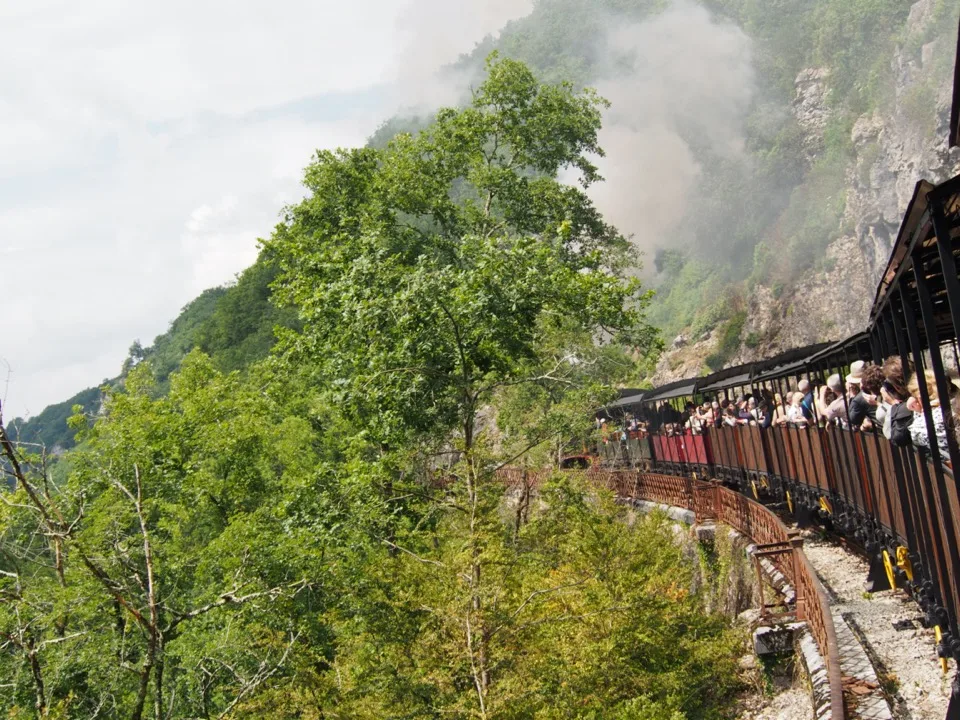
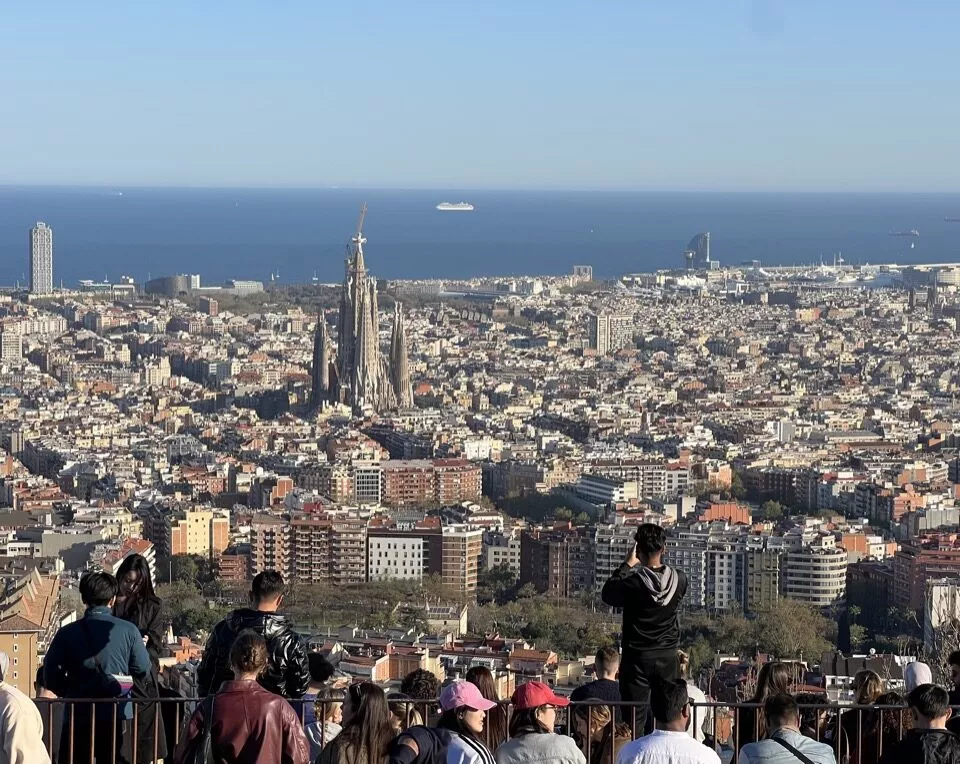
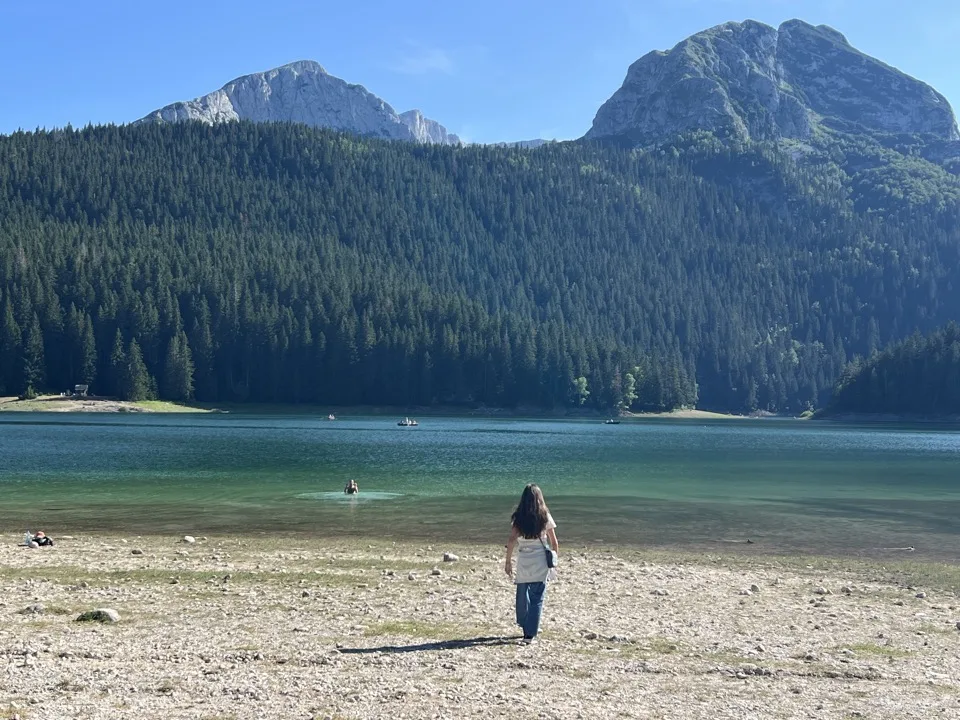
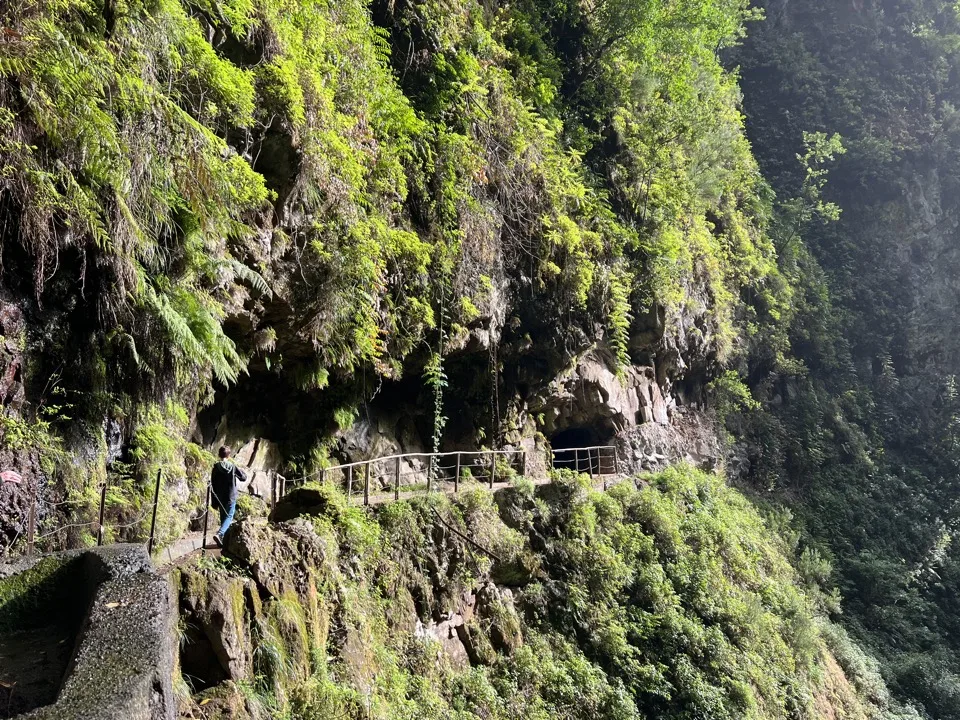
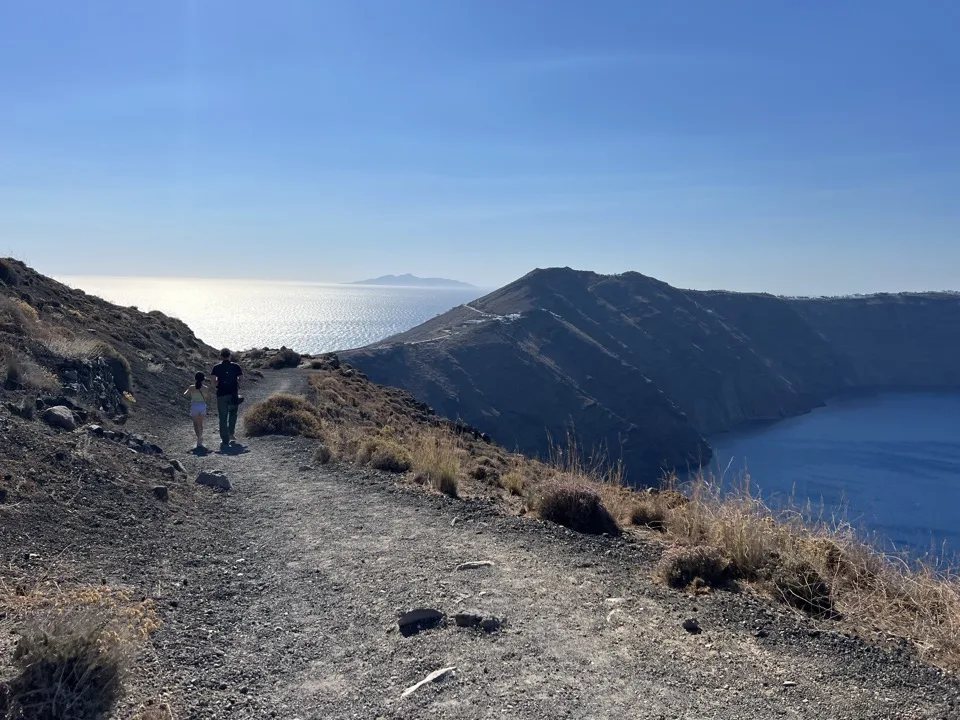
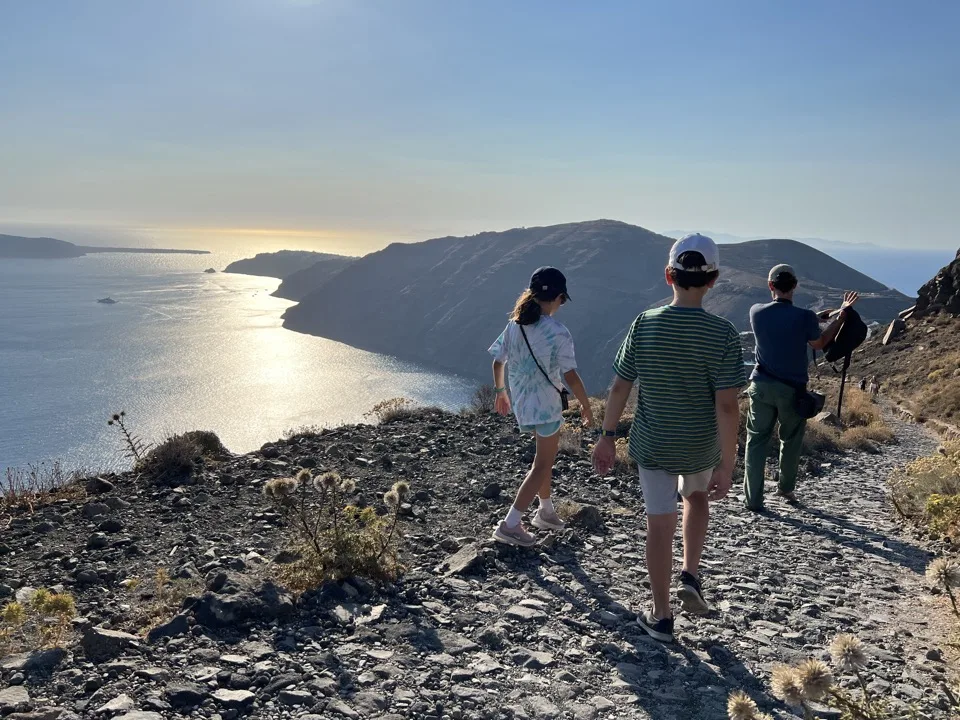
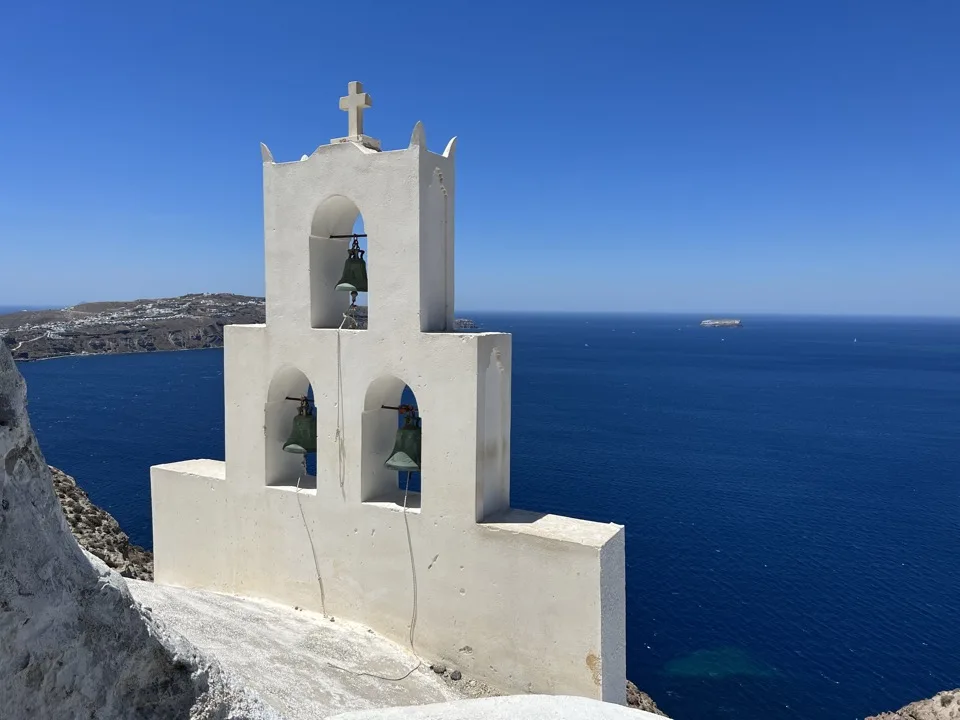 Along the route, we made a detour to Skaros Rock. It adds a bit of time, but it’s well worth it: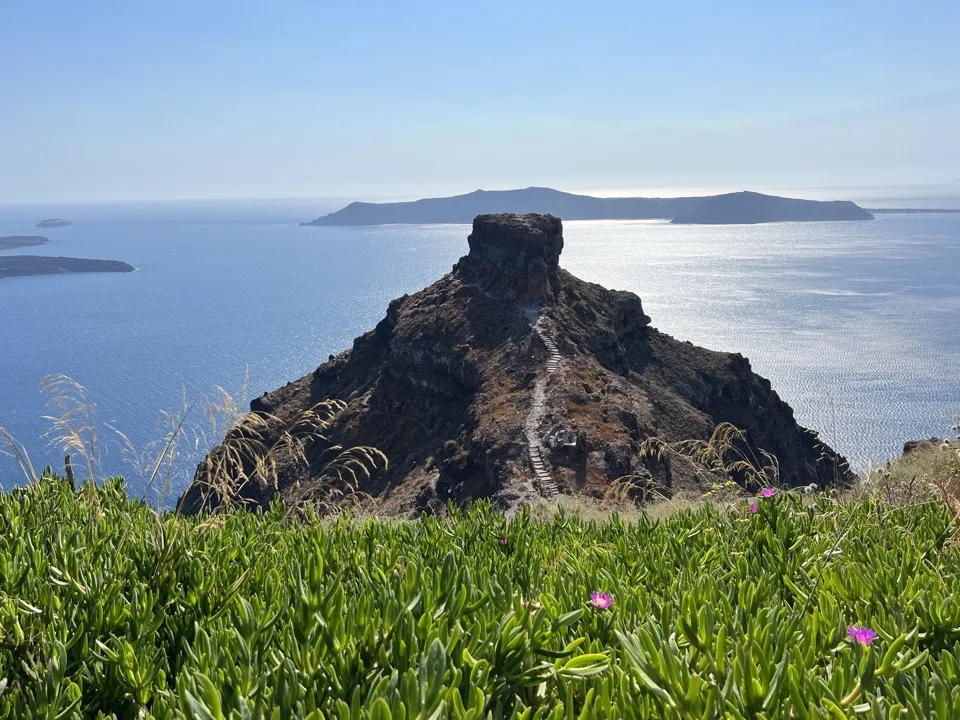
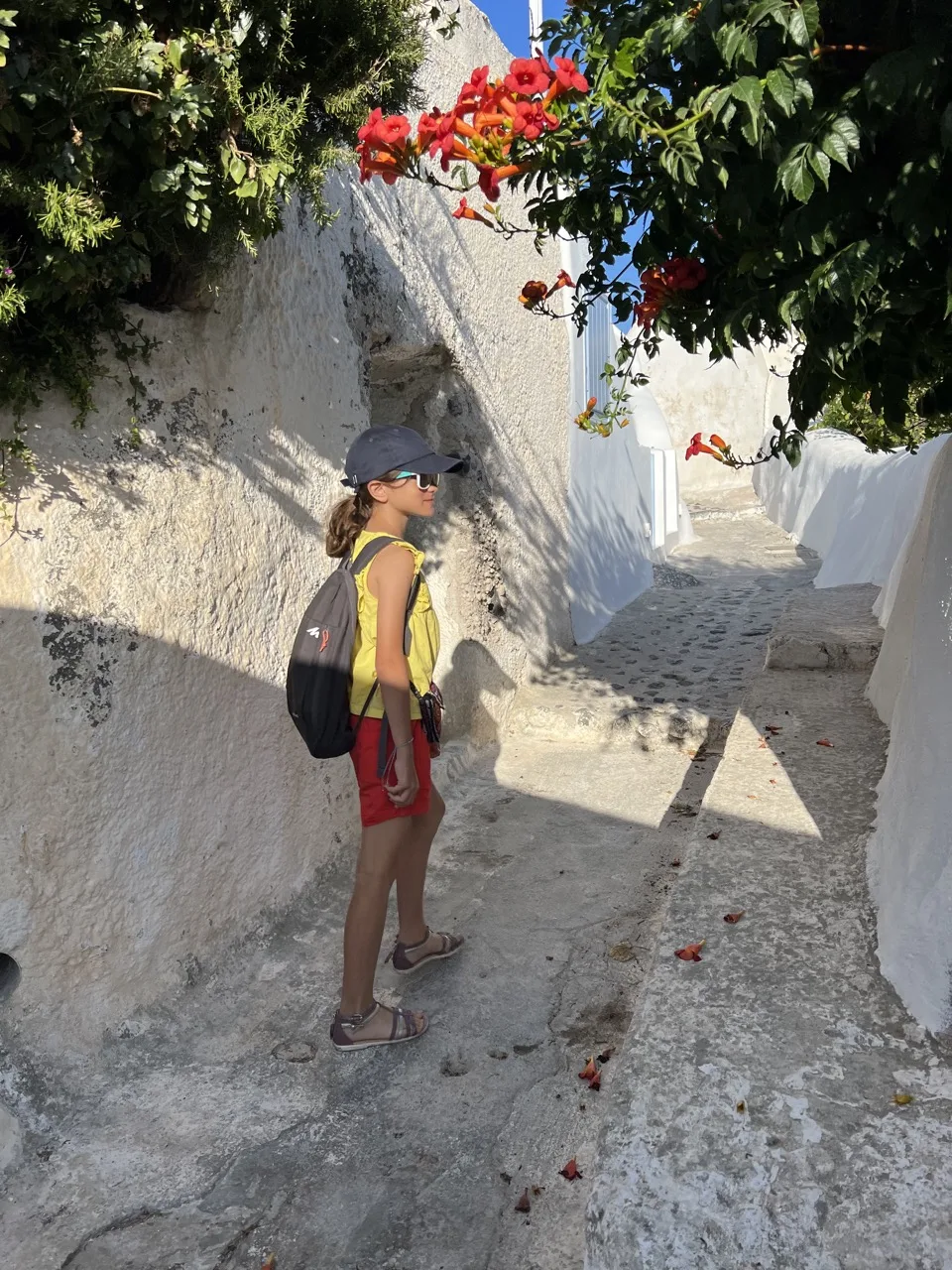 The alleyways of Finikia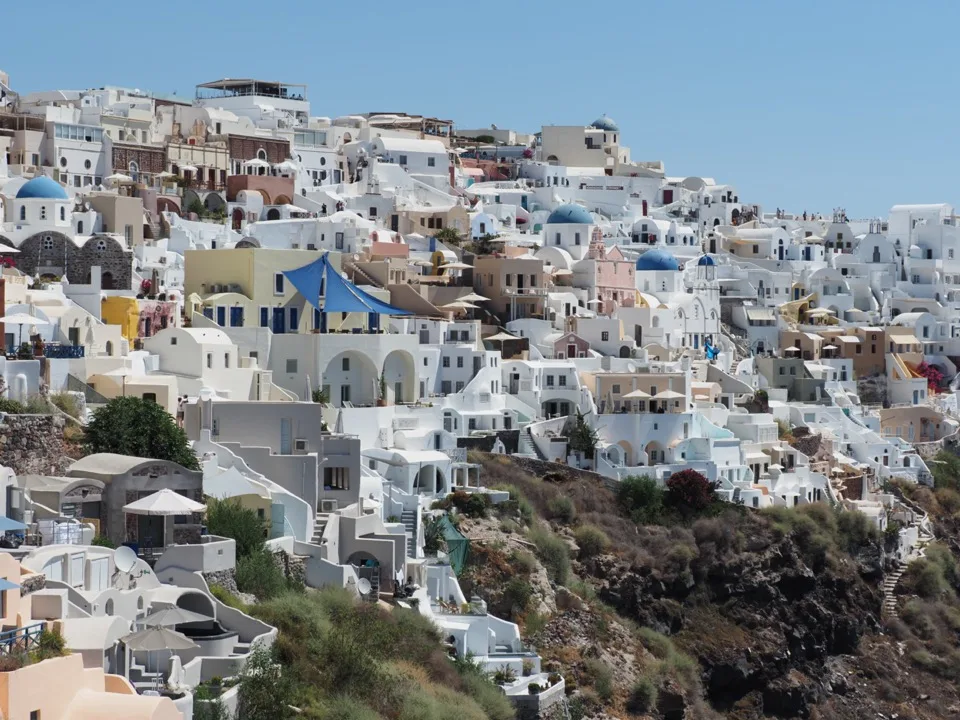
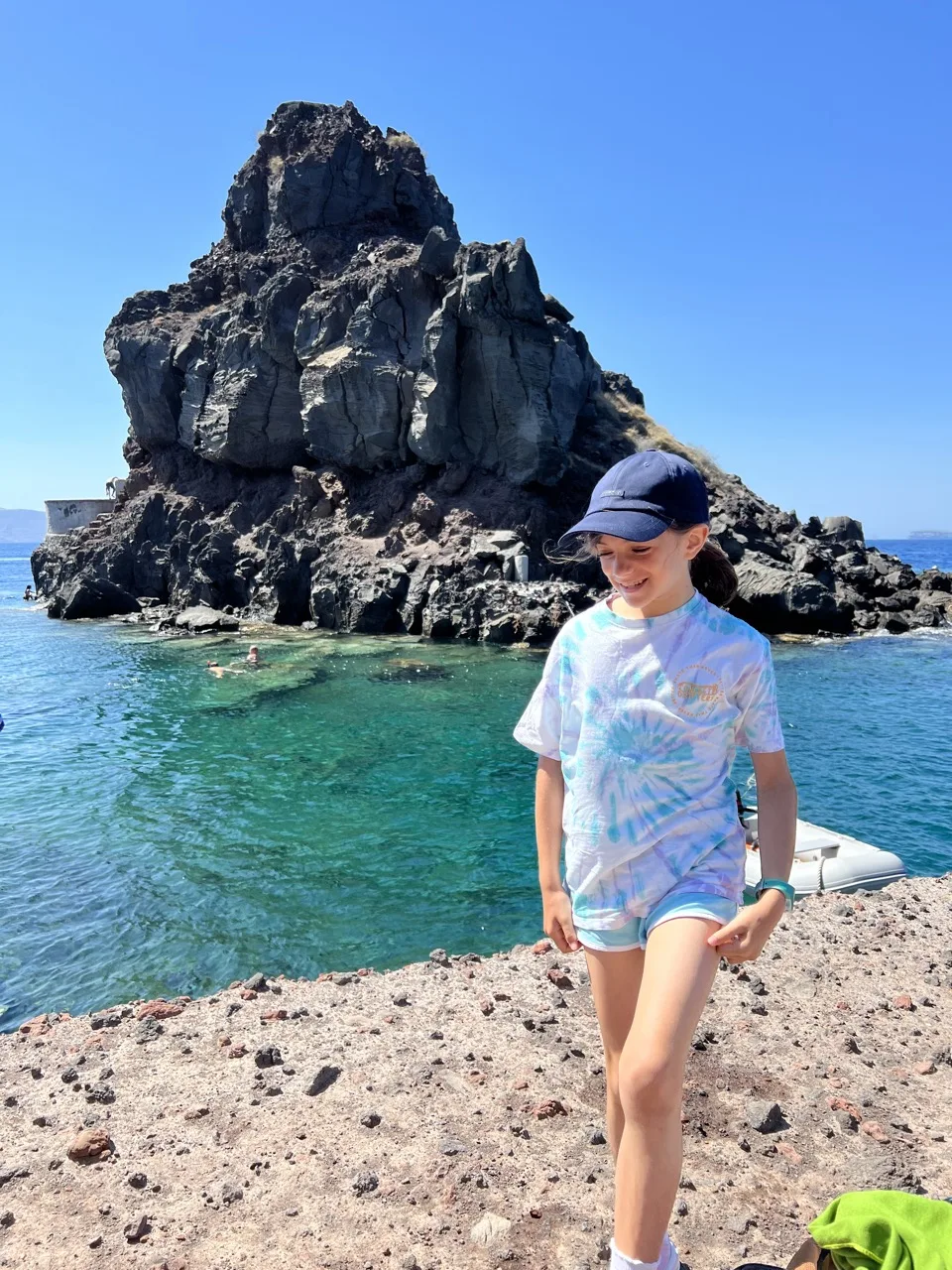
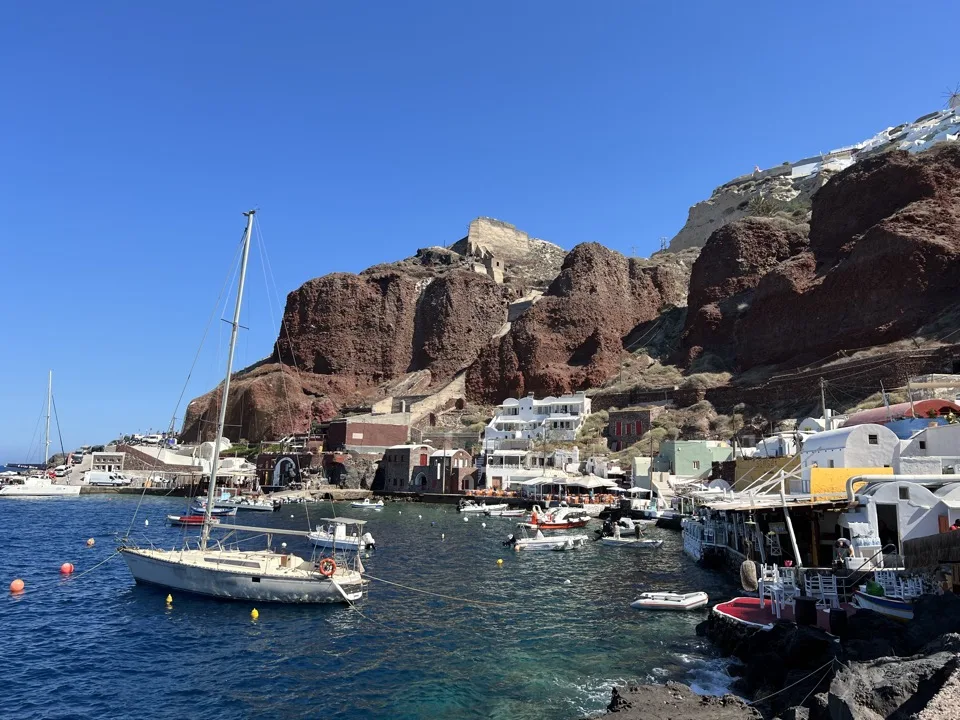
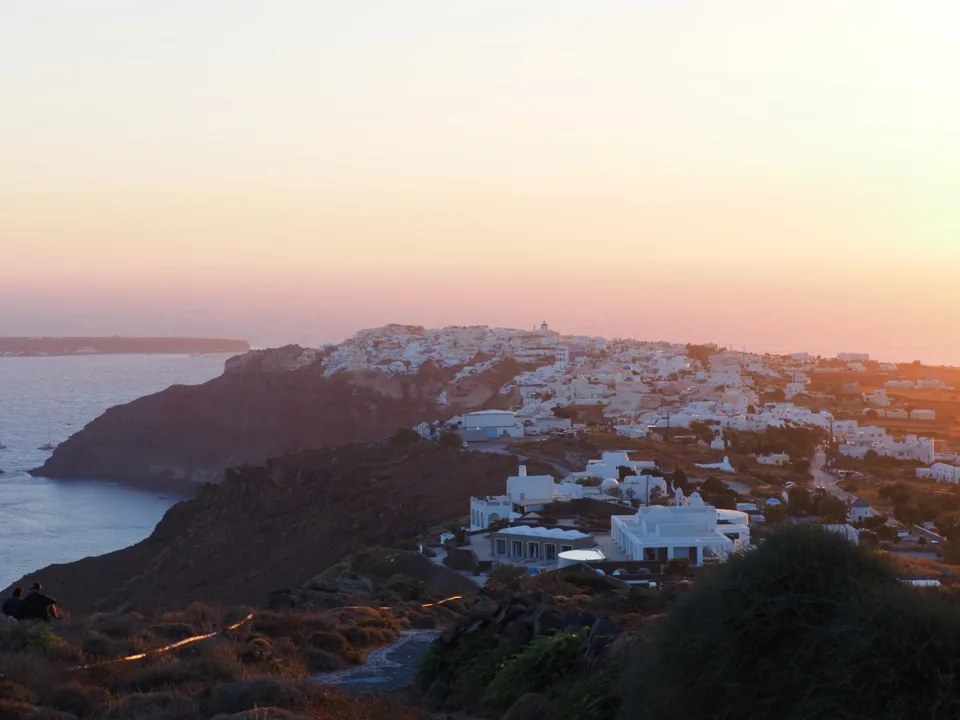
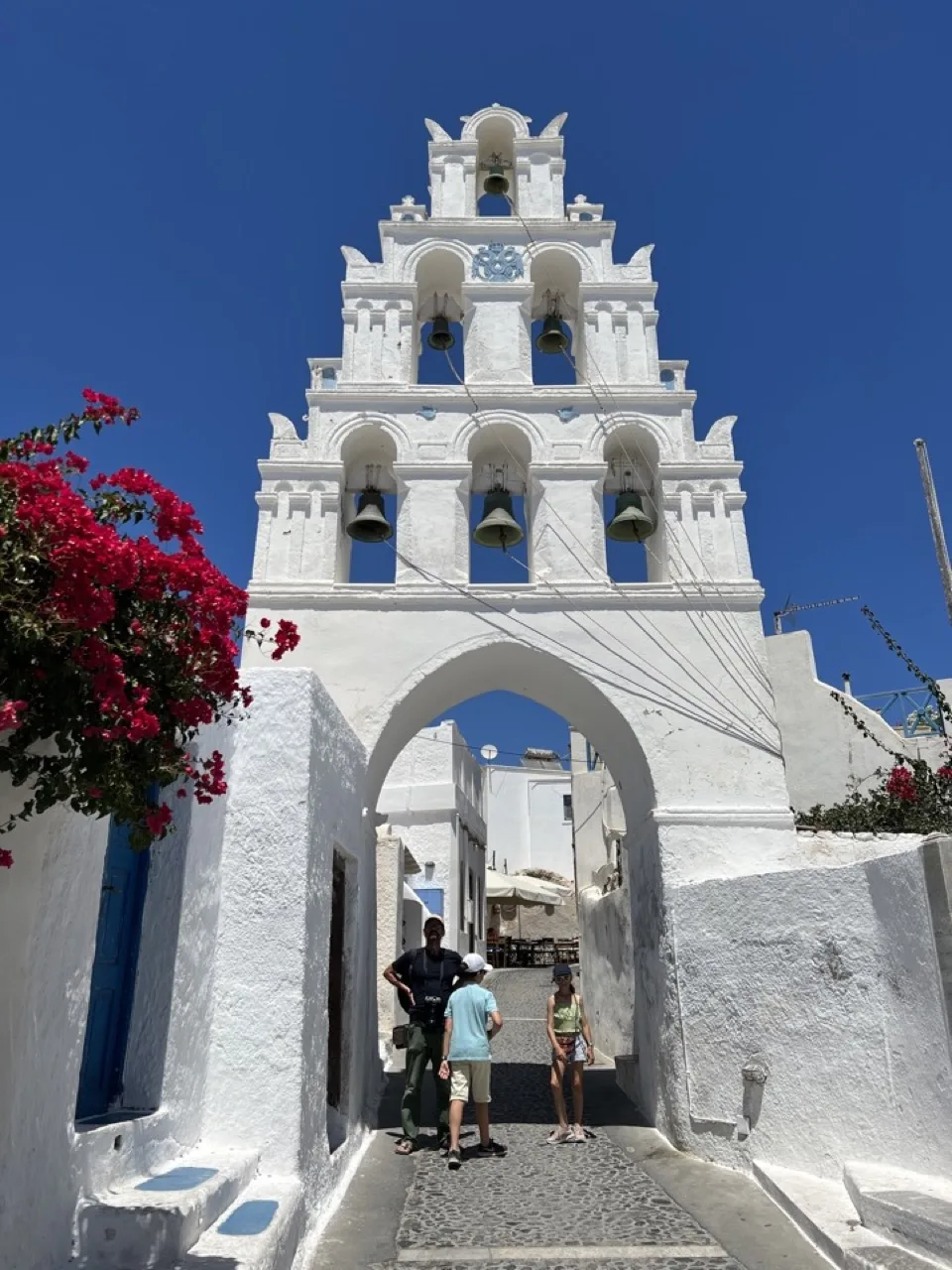
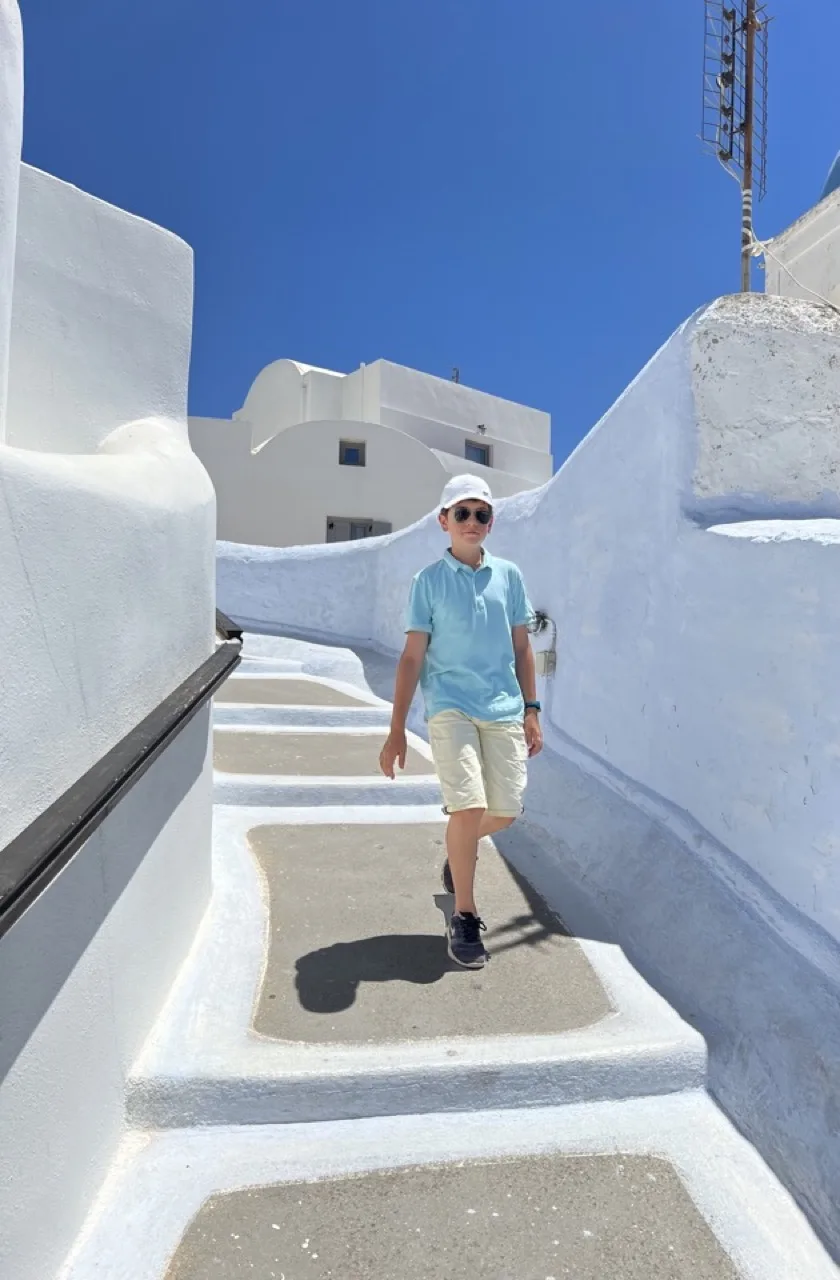 After wandering around Megalochori, we caught another bus towards Akrotiri. To get to Red Beach, the final stretch is on foot. It’s not far. The beach is pretty thanks to the red rock formations. In high season, it must be very crowded as it’s quite narrow. The sea was 22°C when we were there, and not many people were swimming.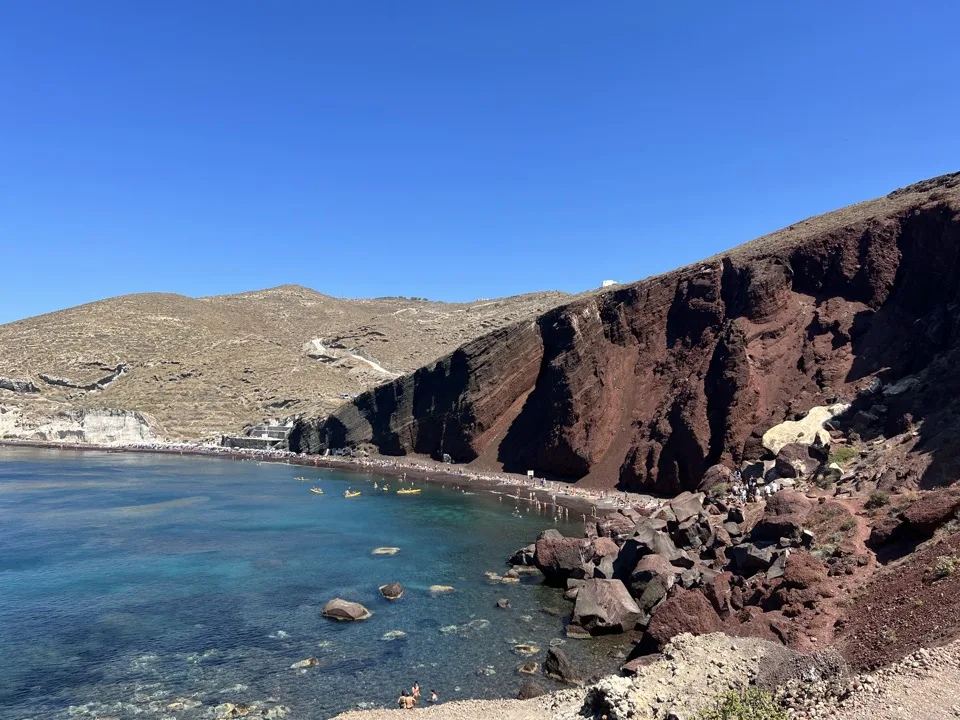
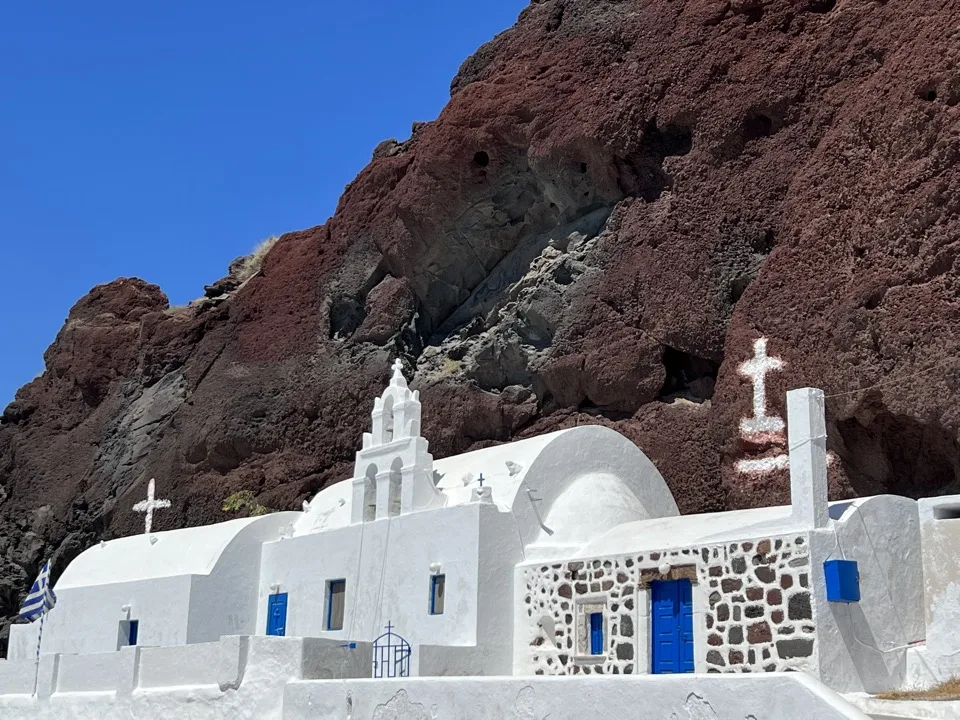
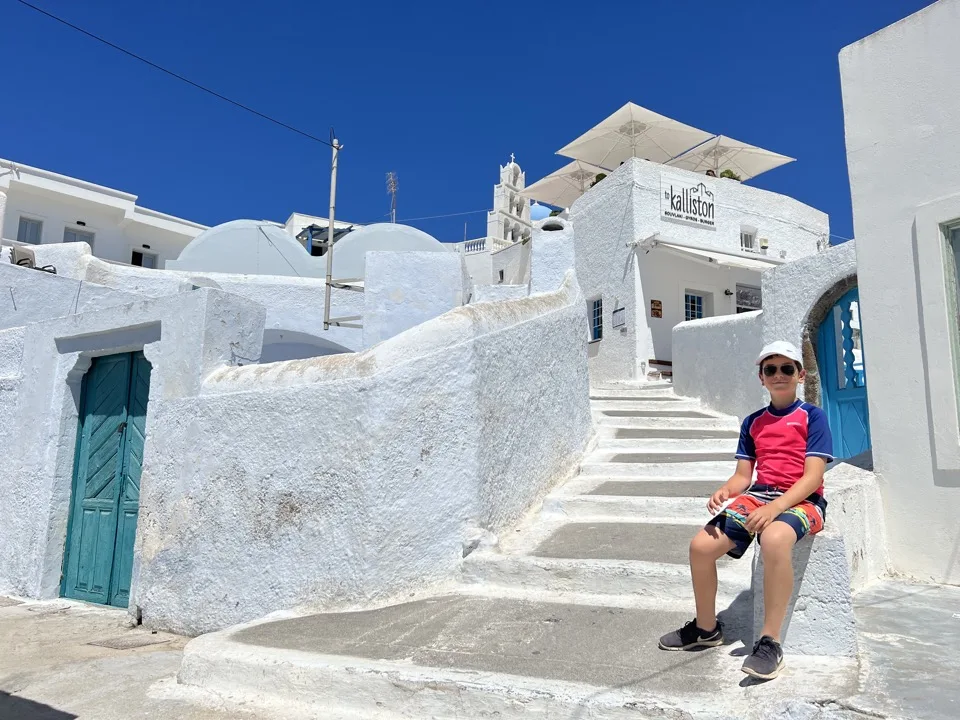
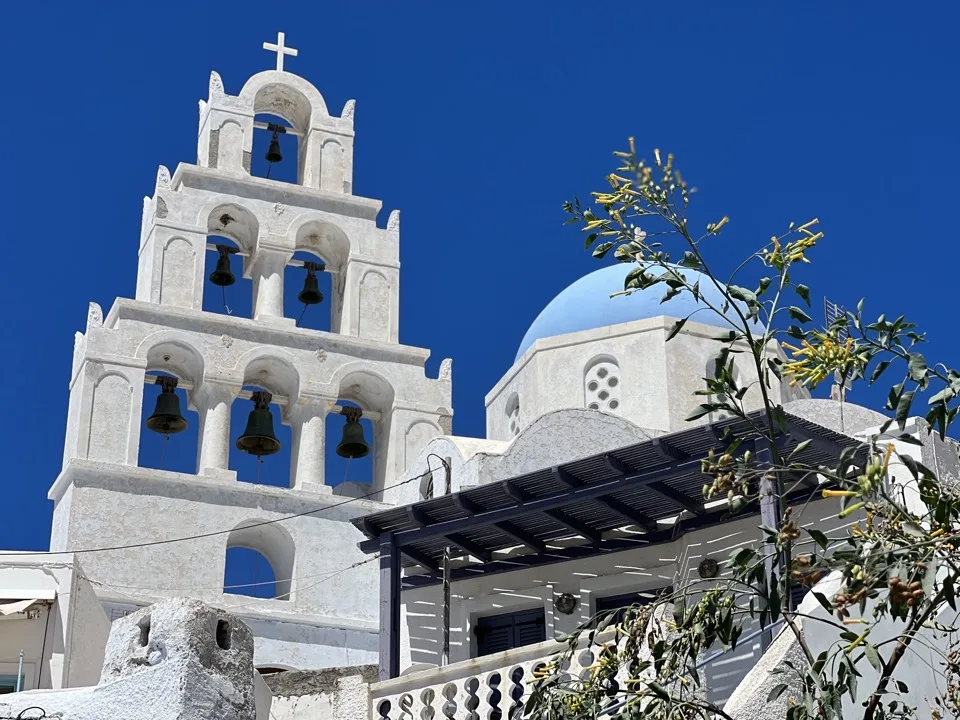
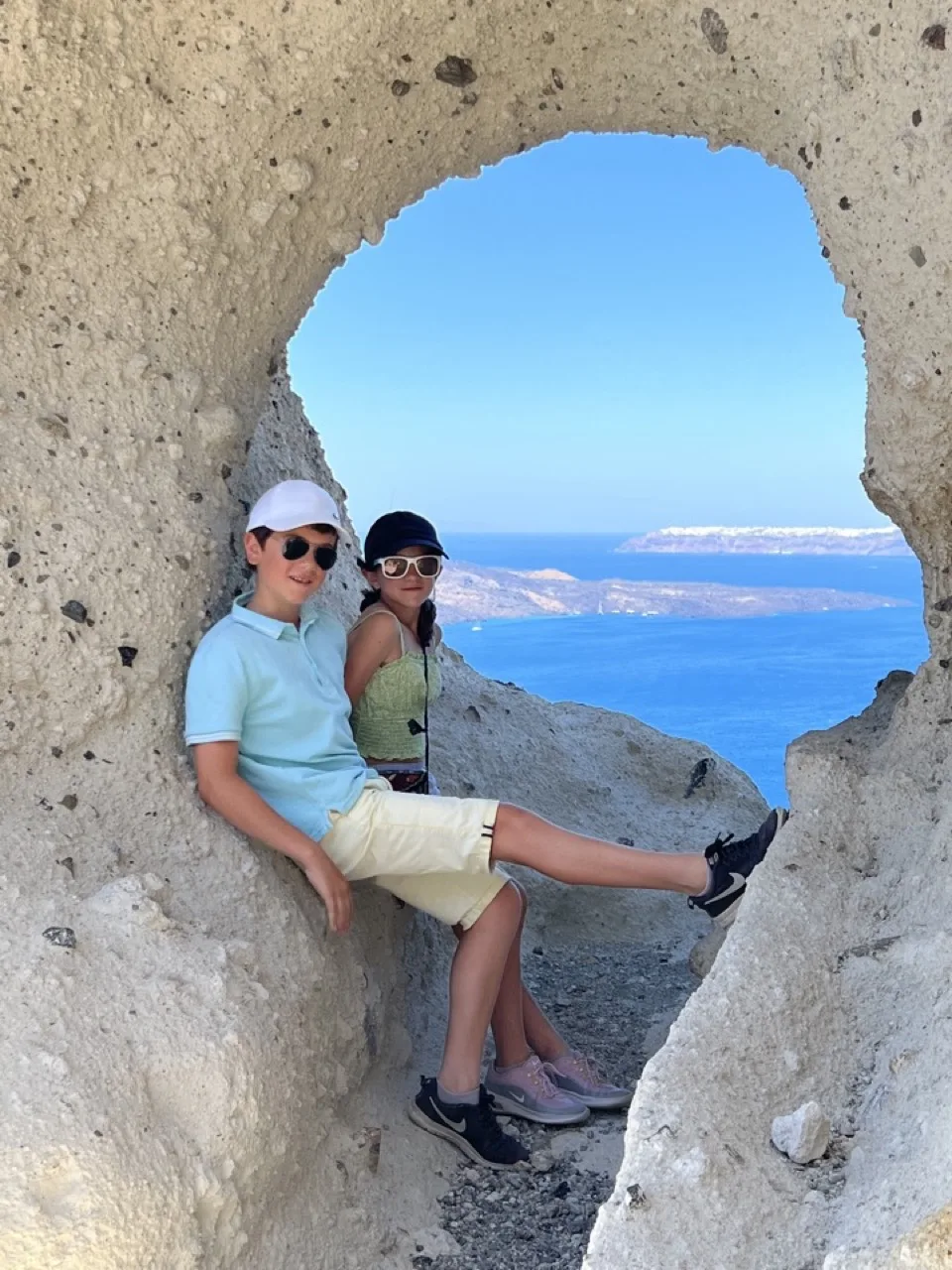
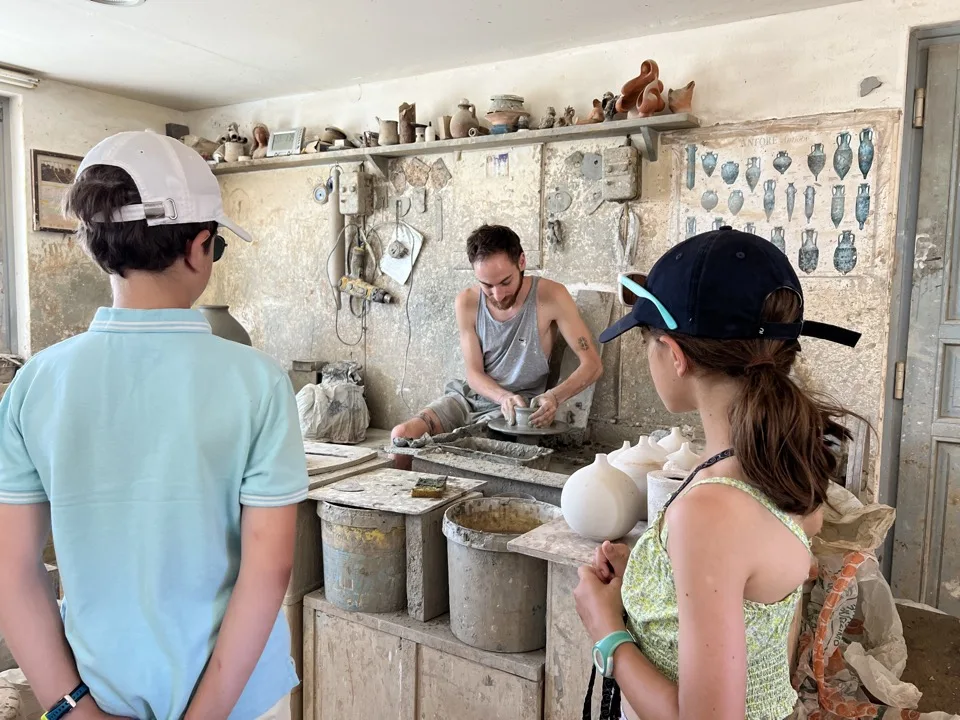
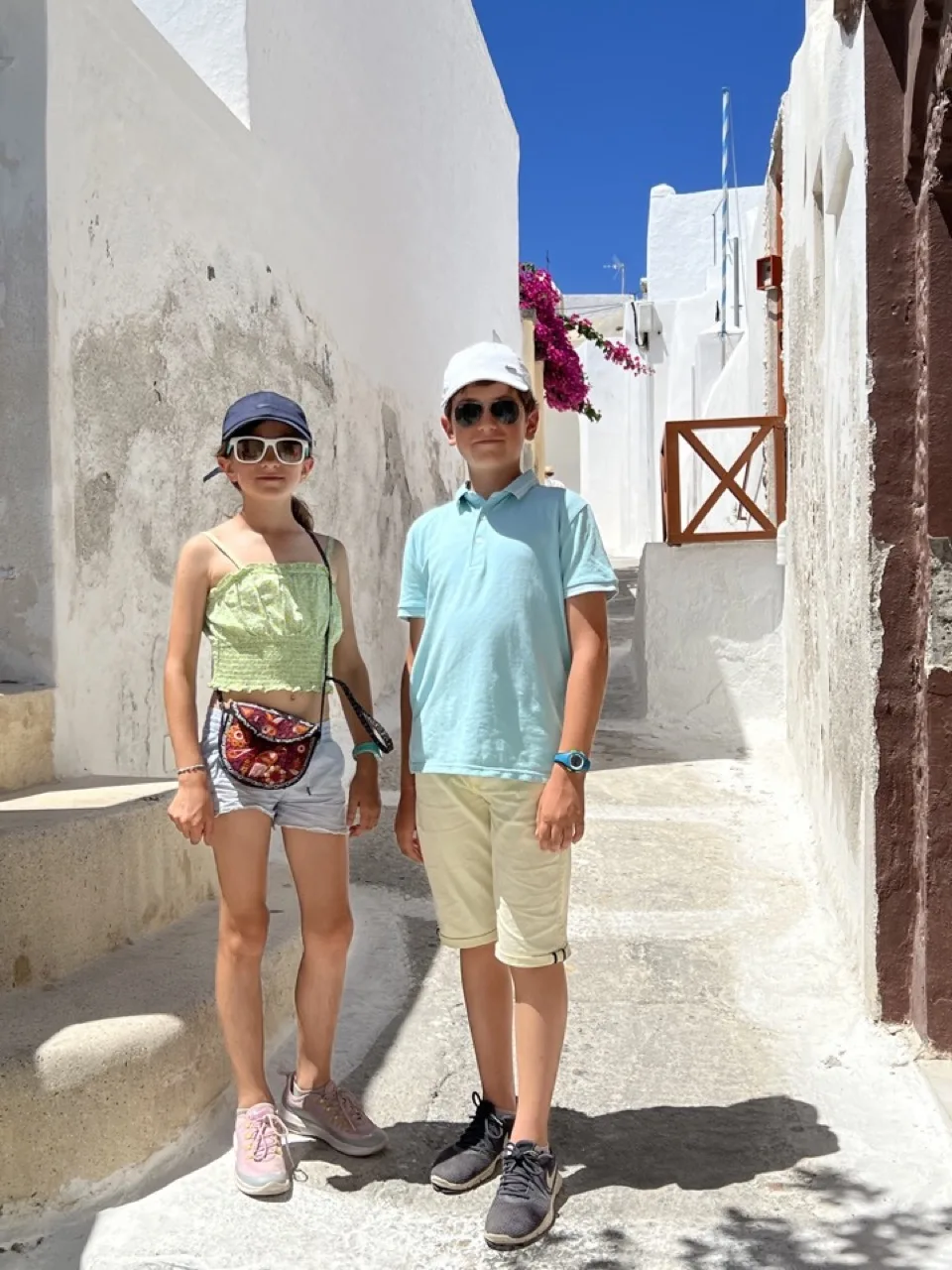
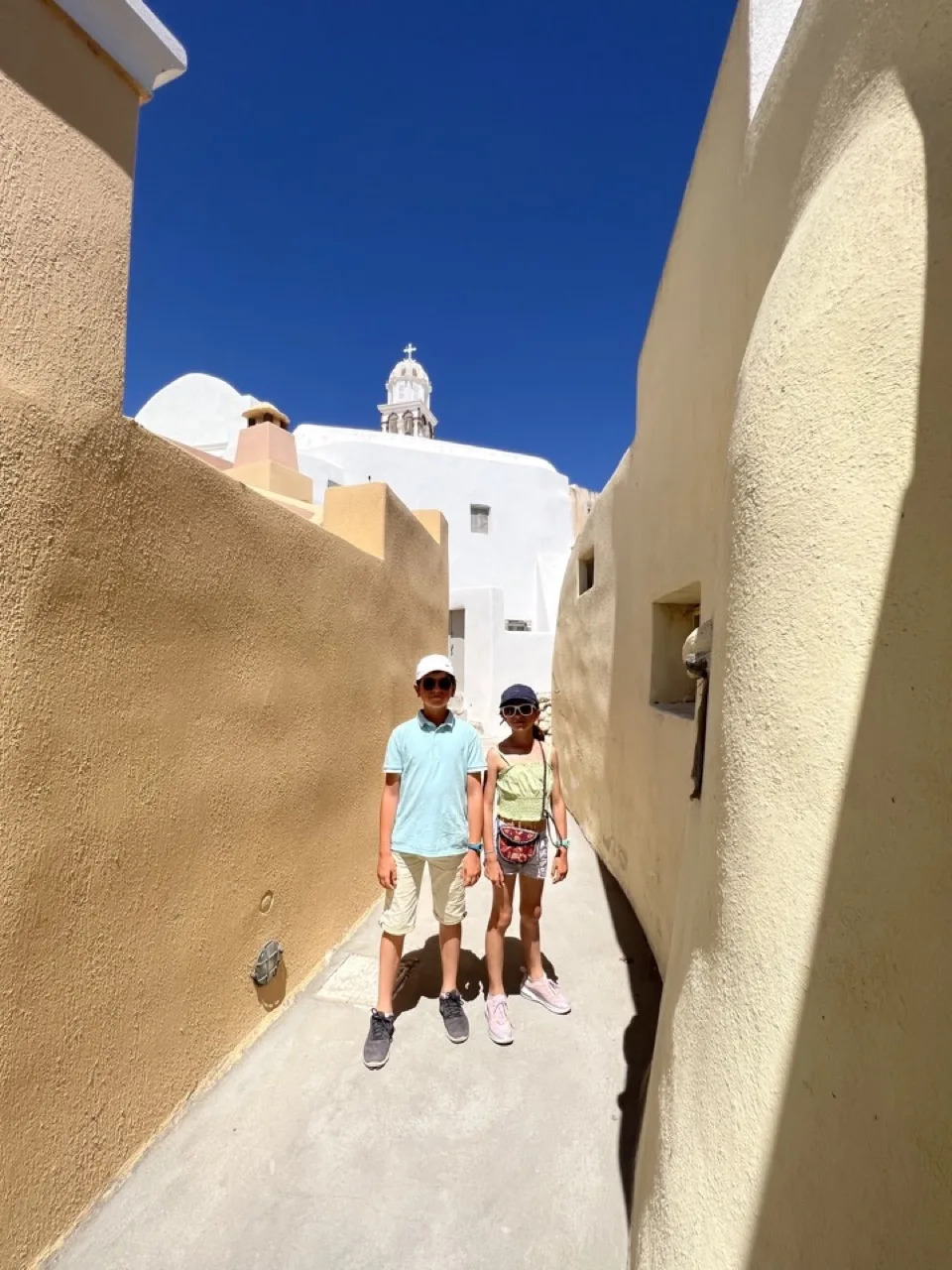
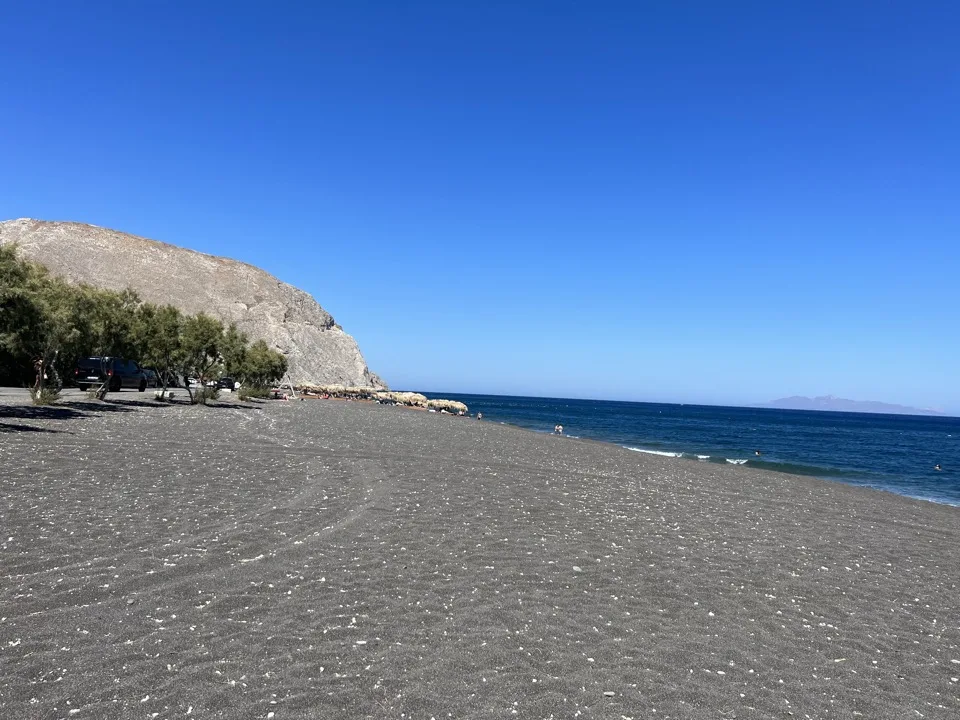
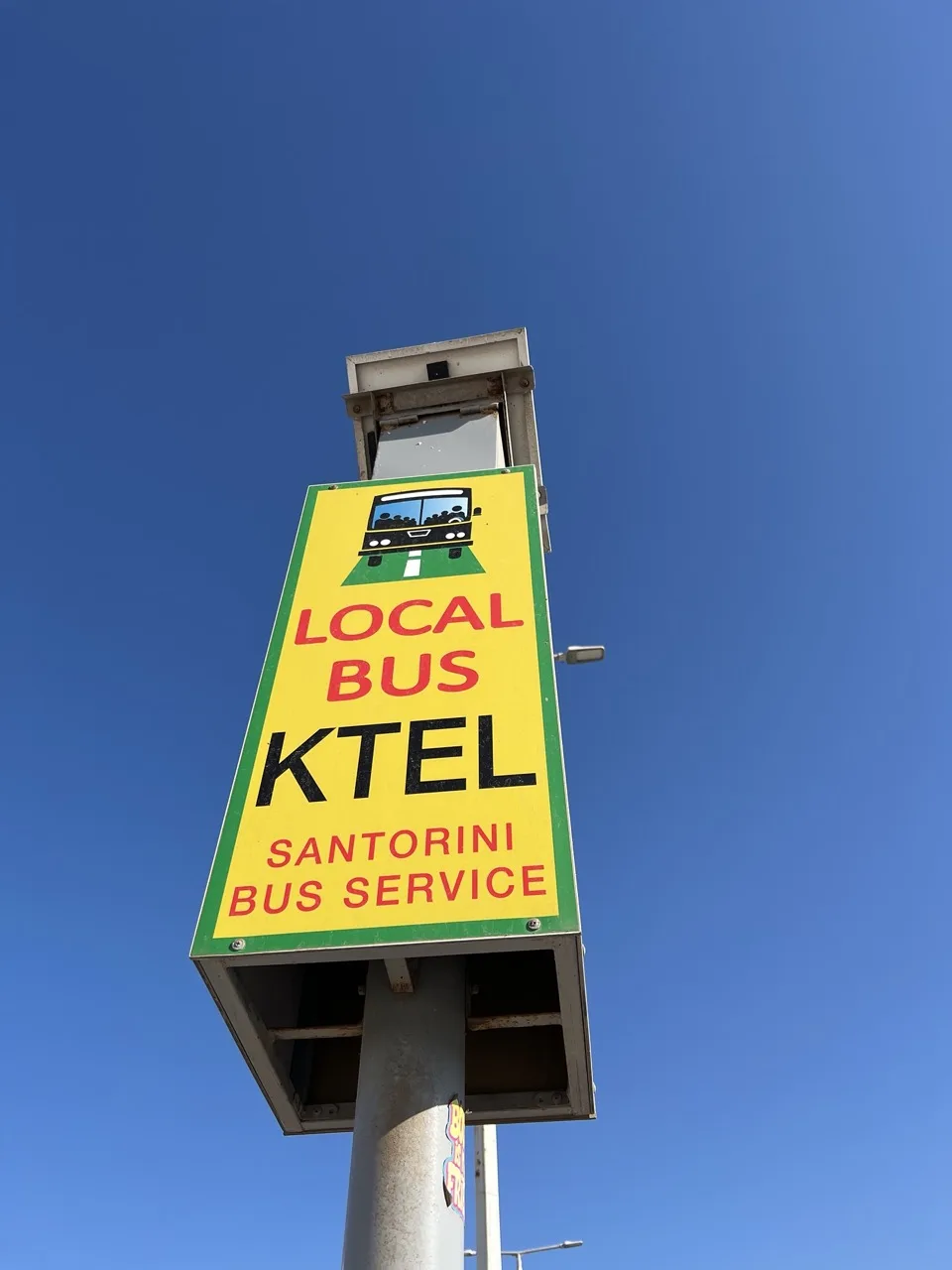
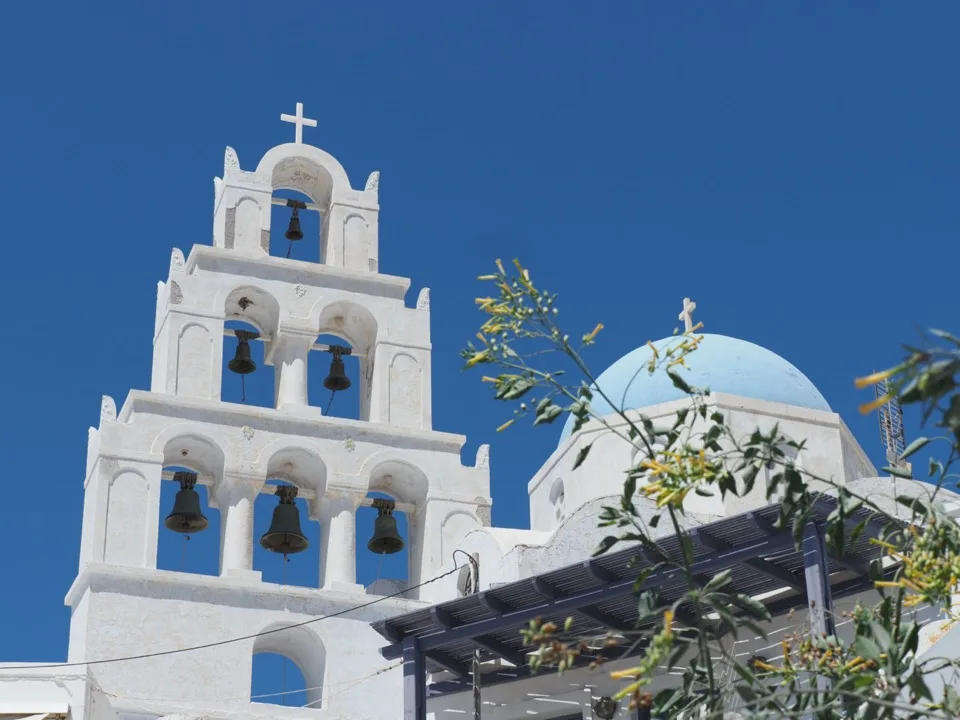
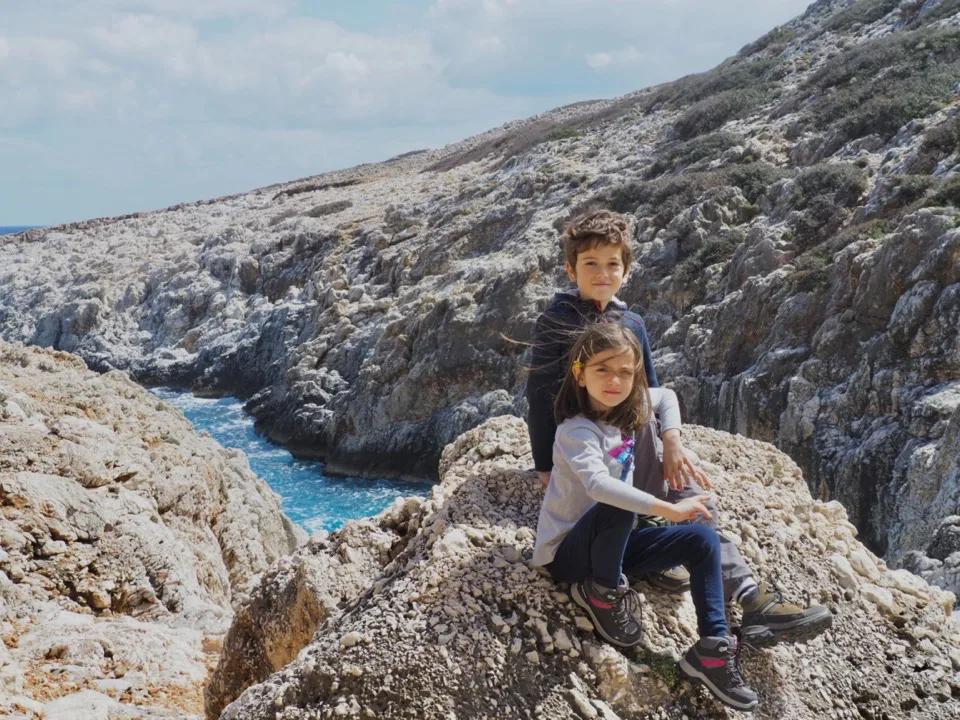
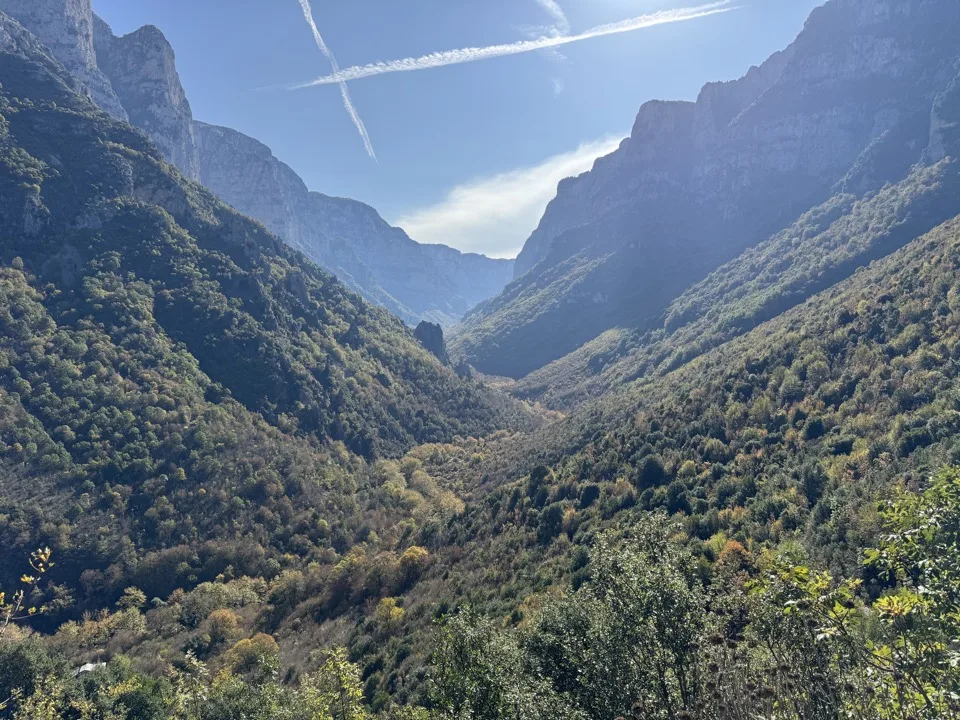
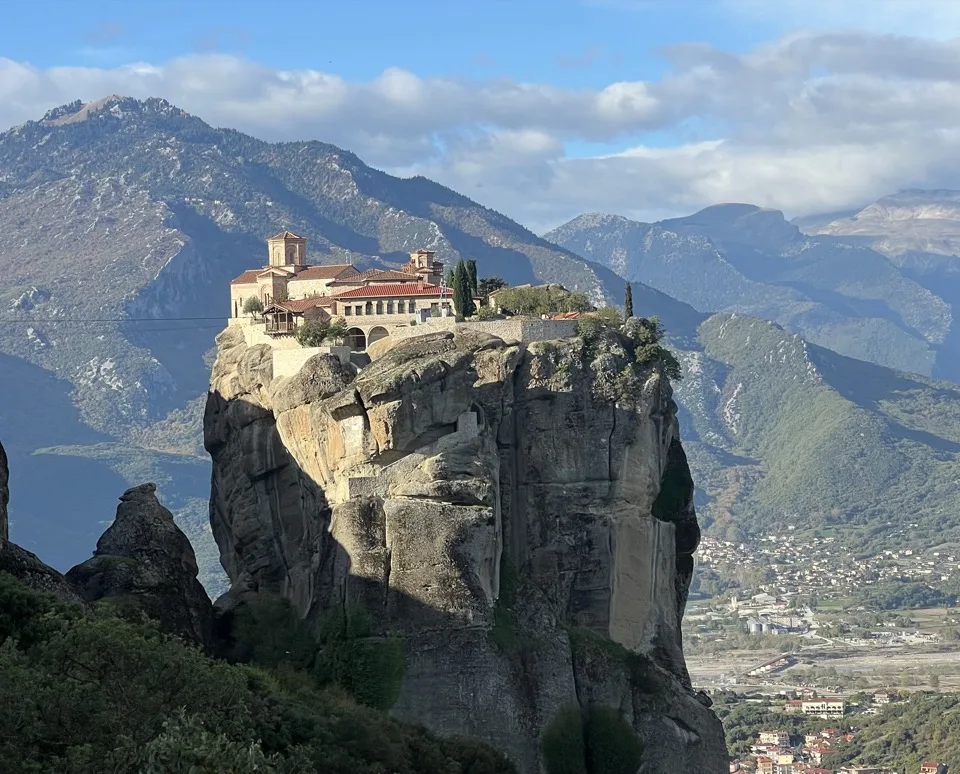
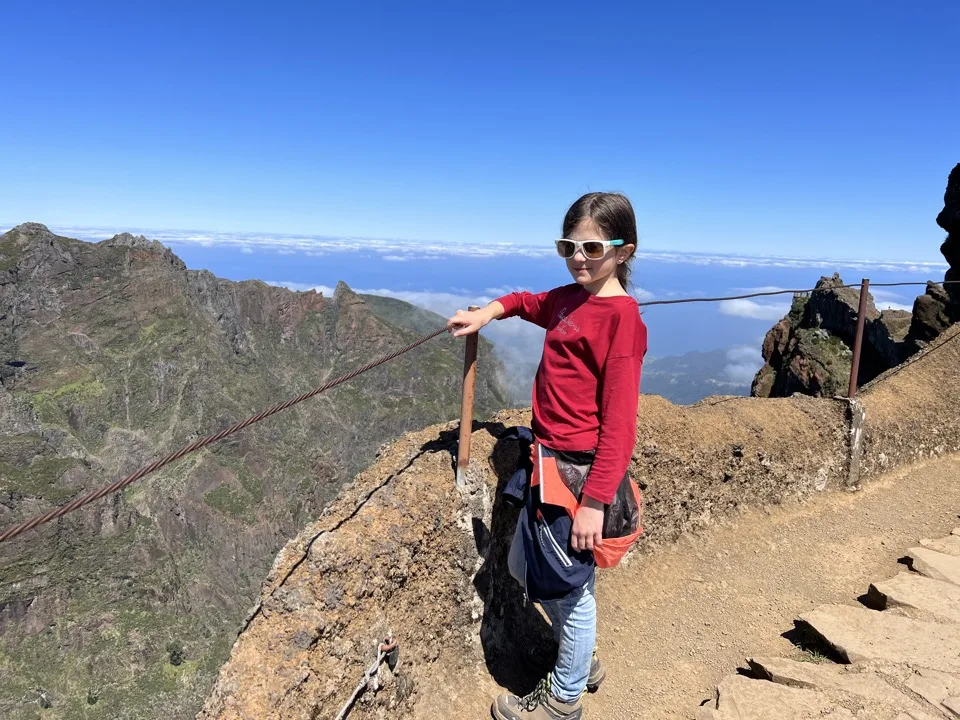
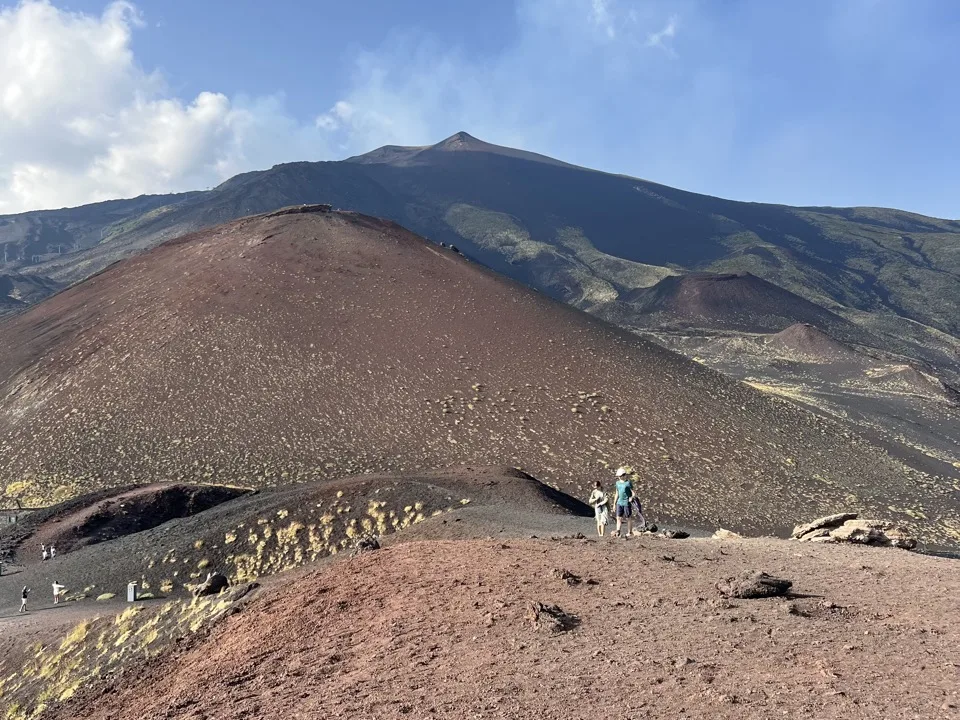
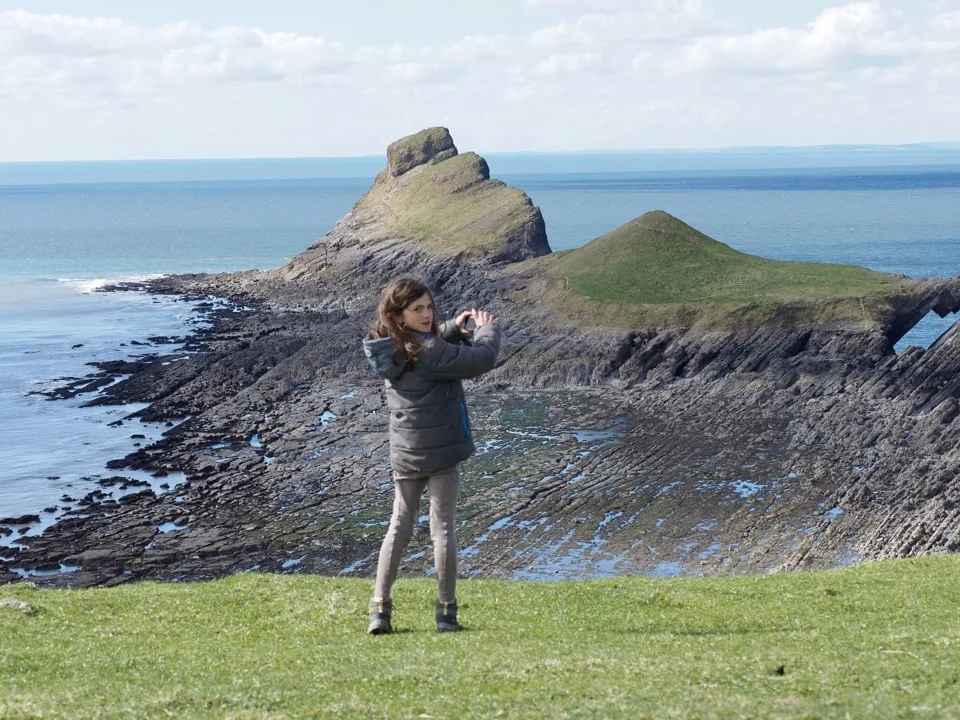
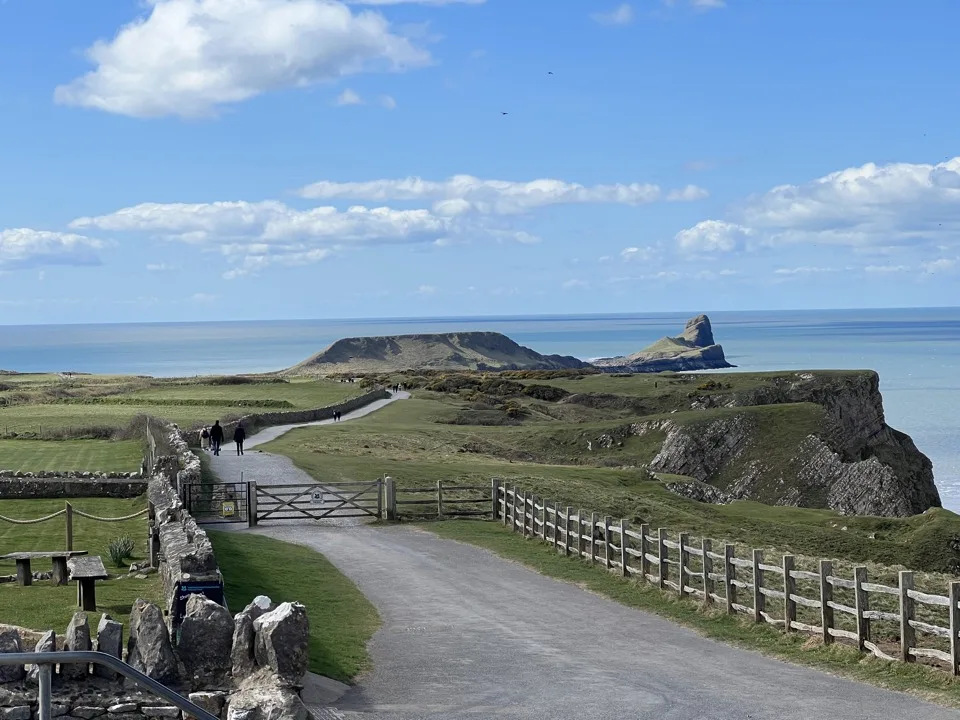
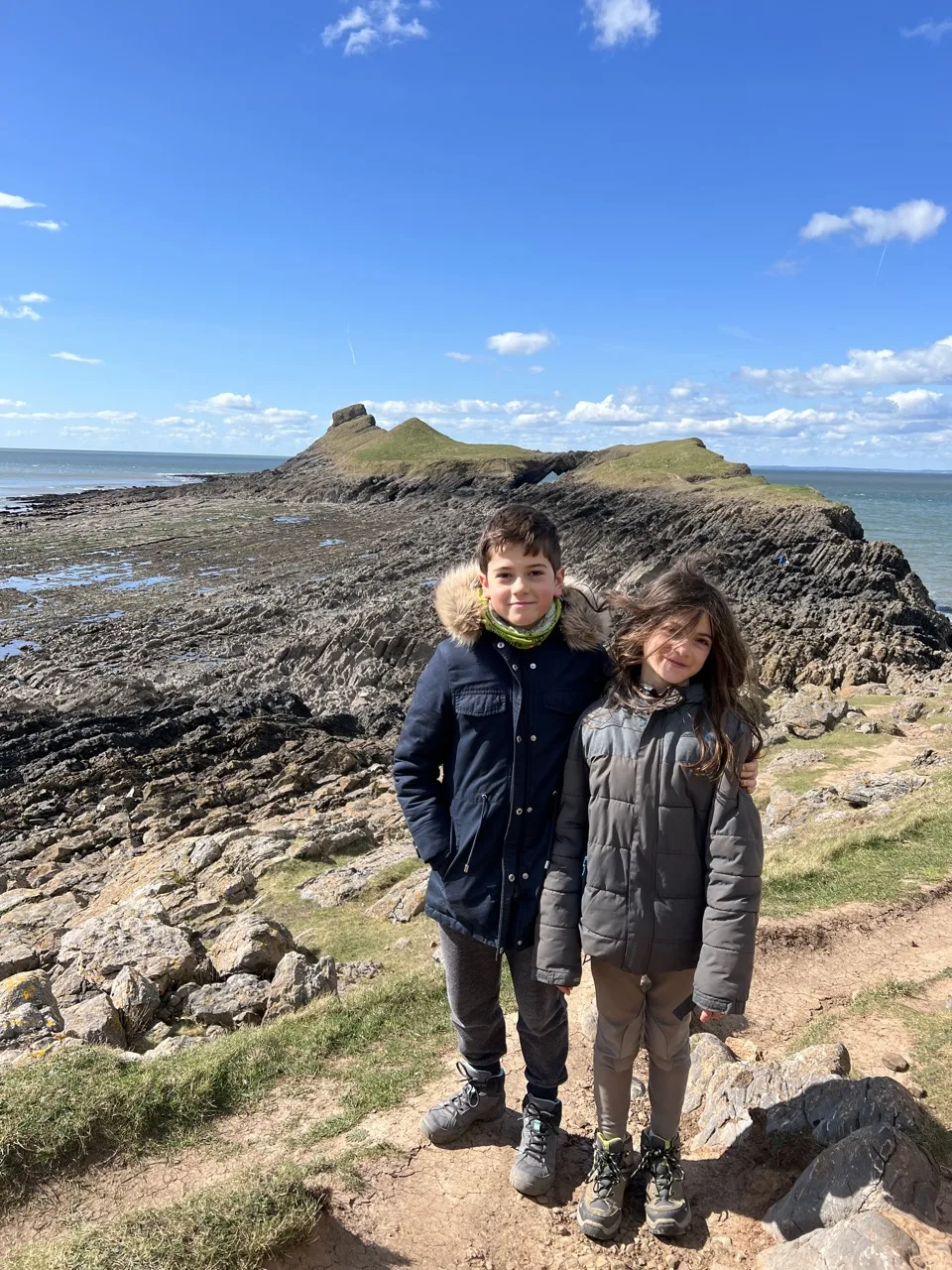
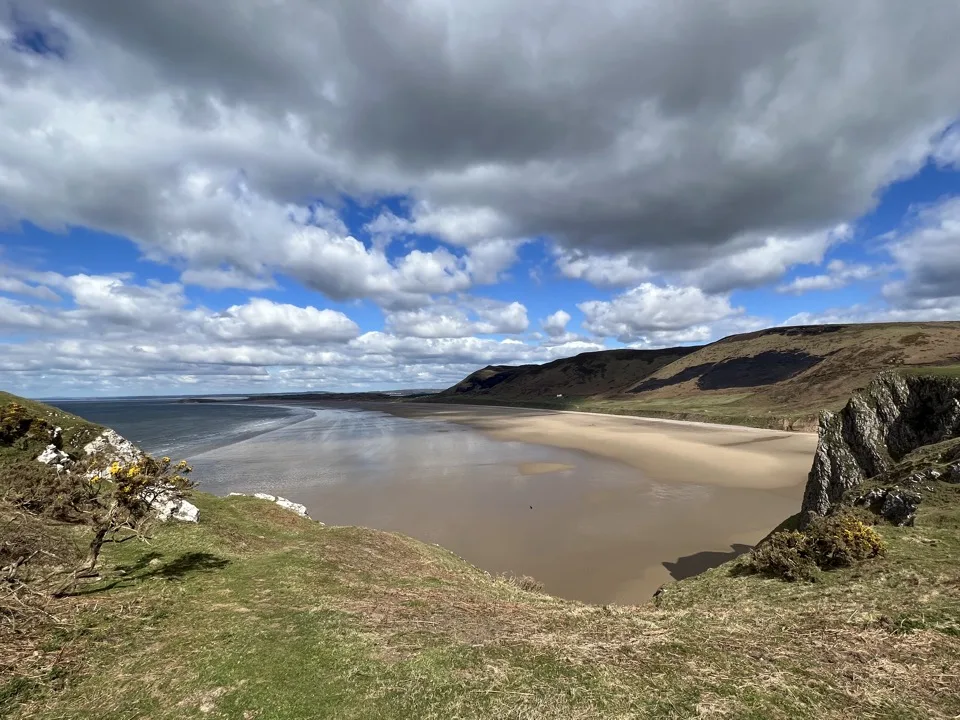 I’m not the only one with hair blowing in my face in the wind:
 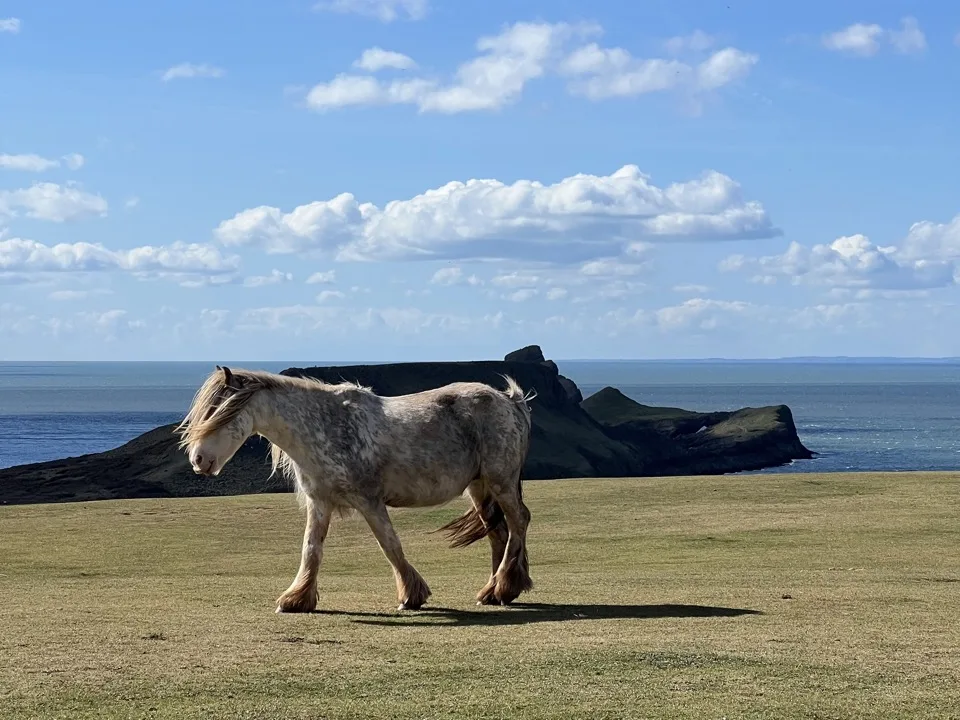 This hairstyle is more practical: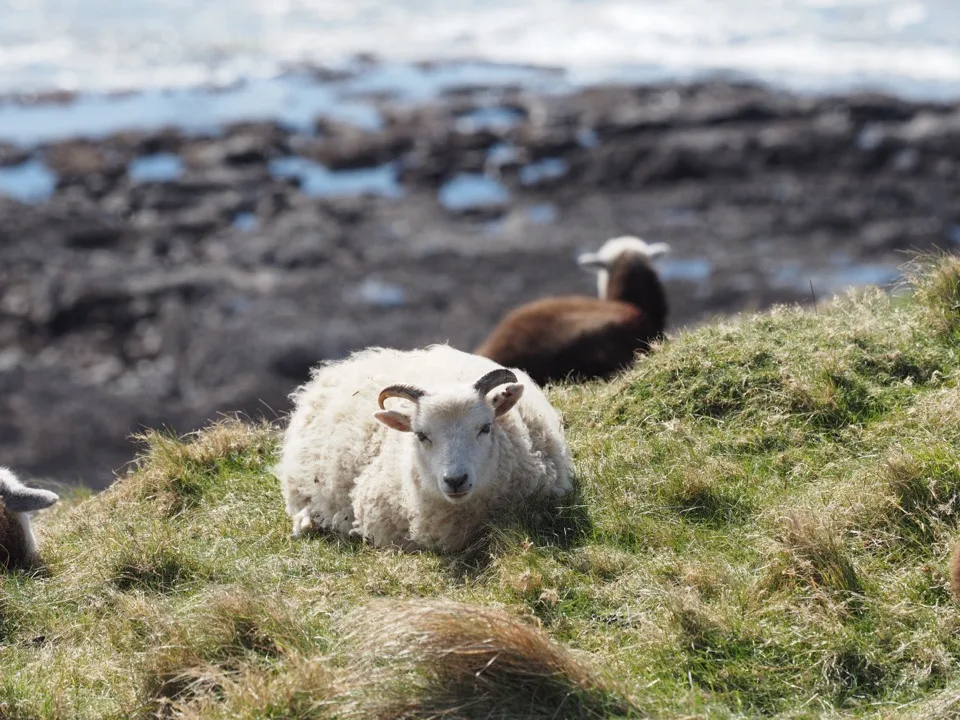
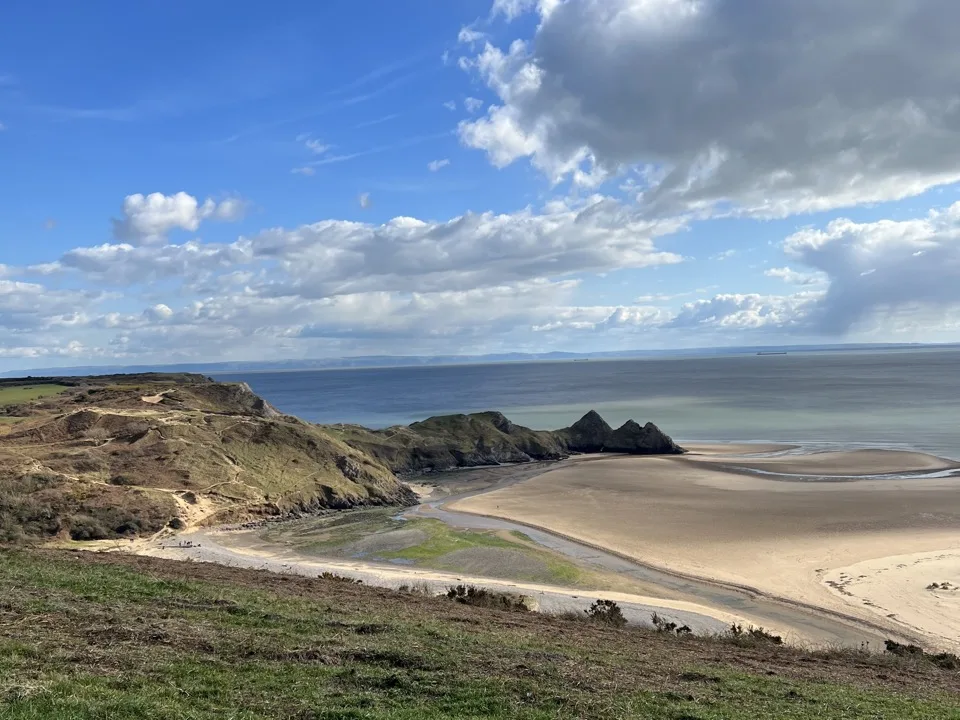
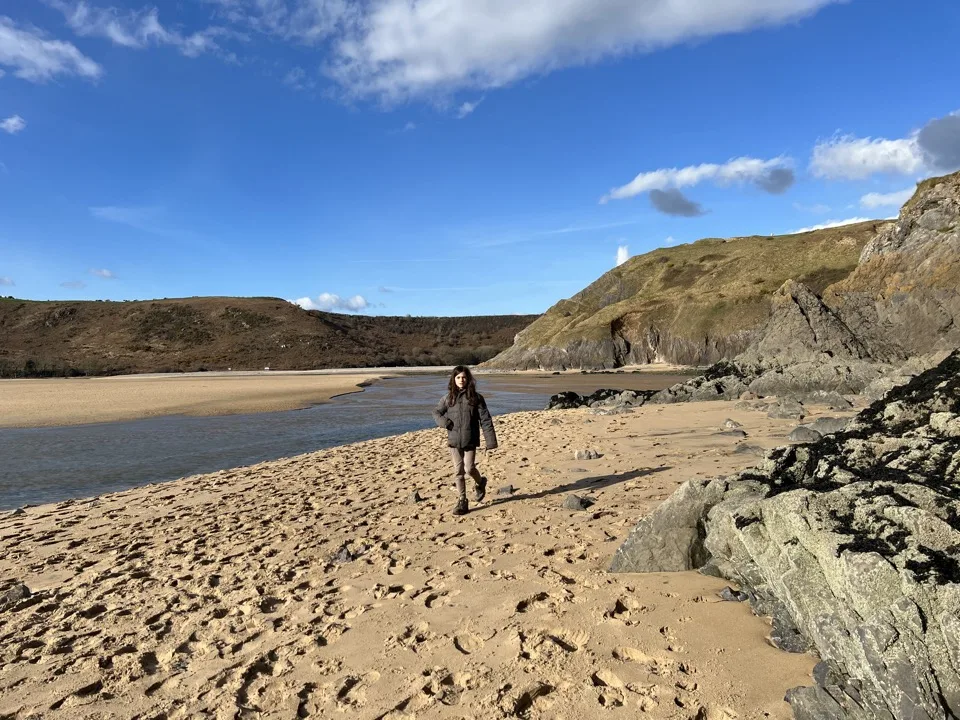
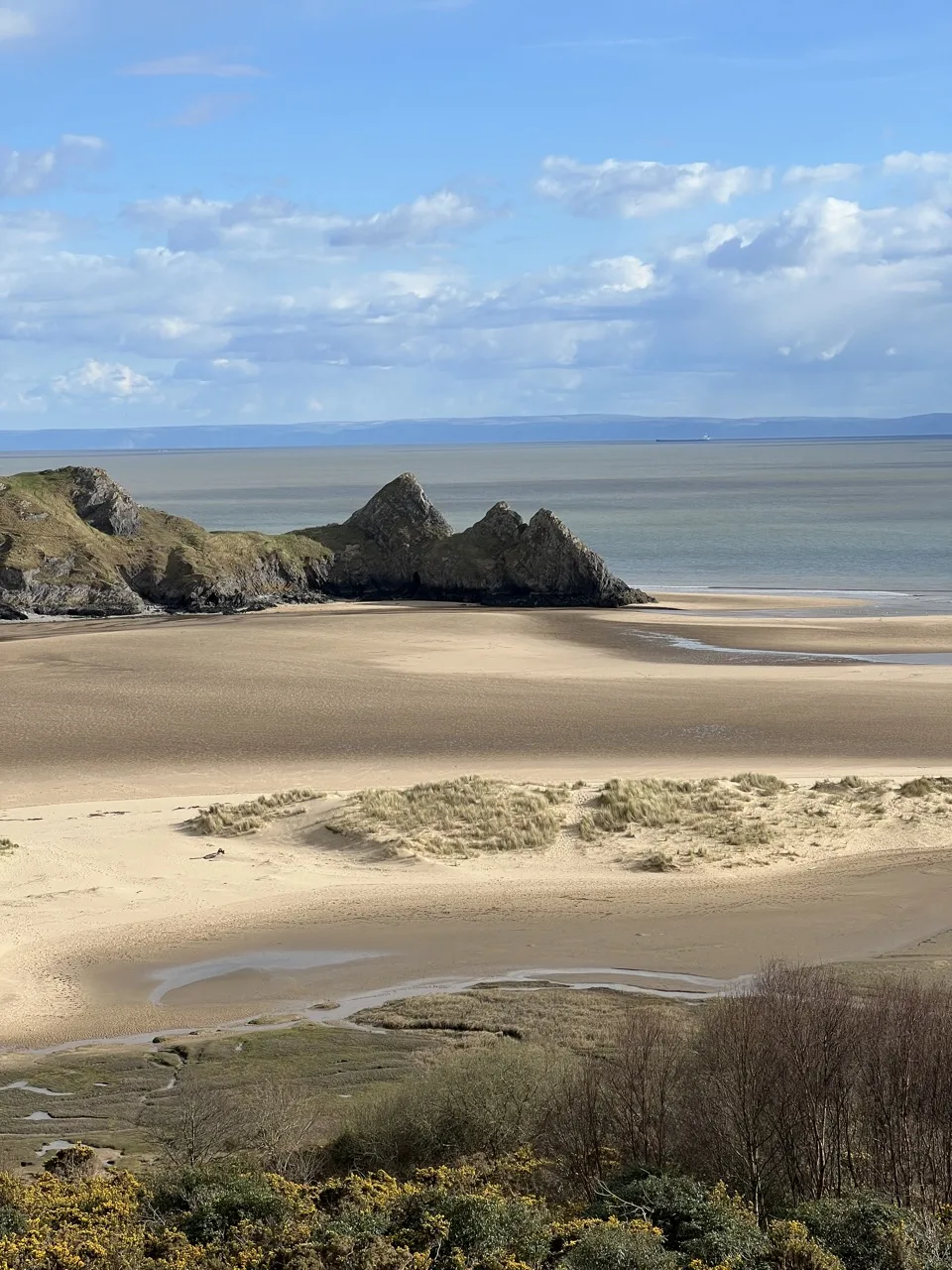
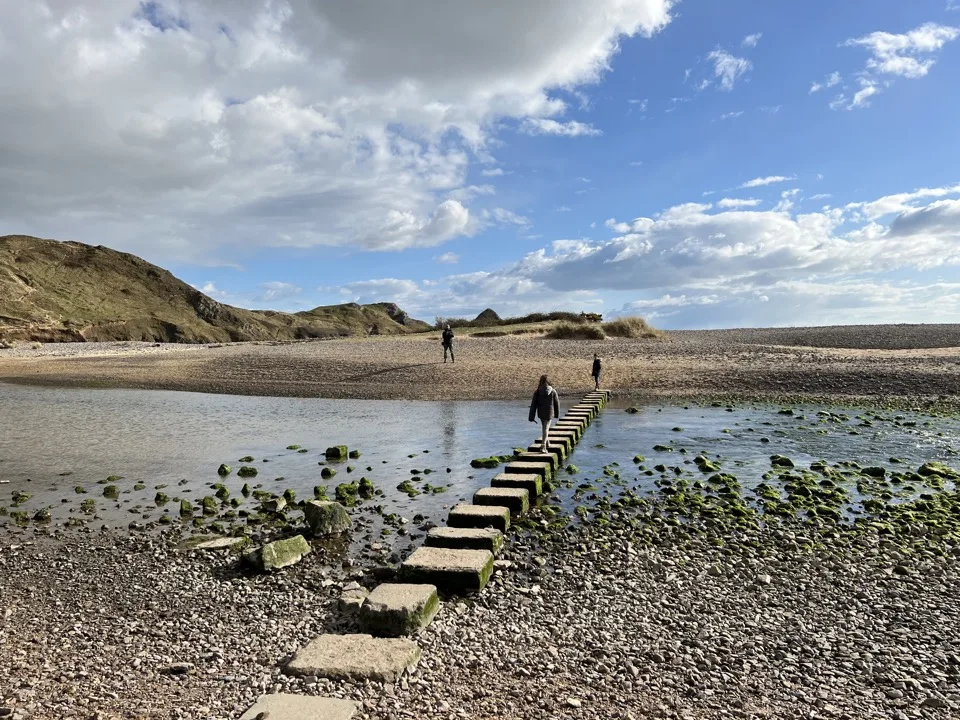
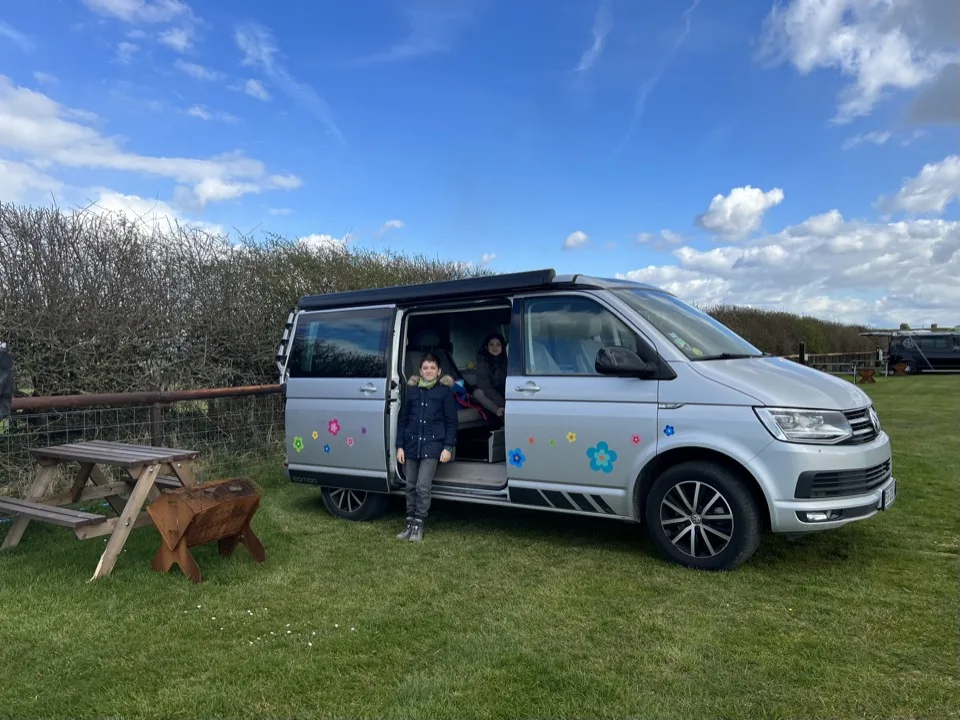
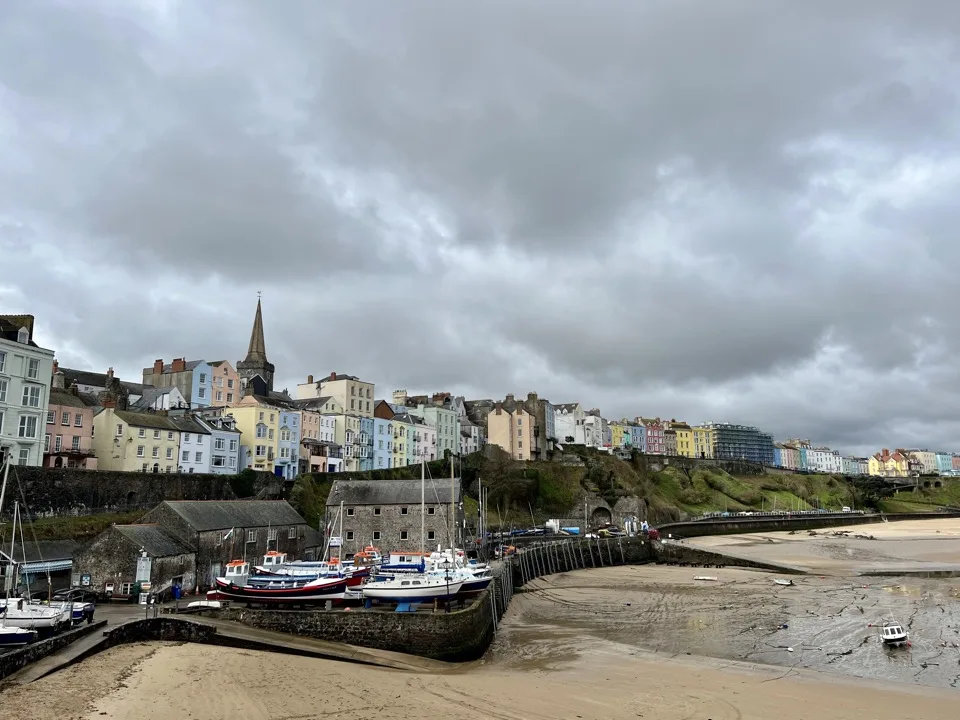
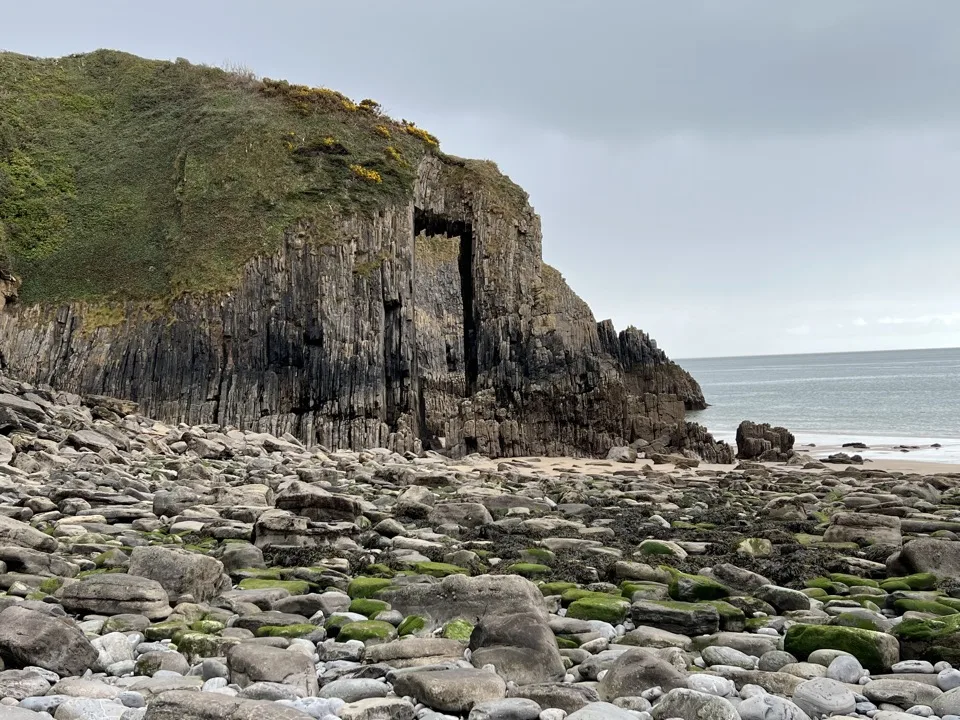
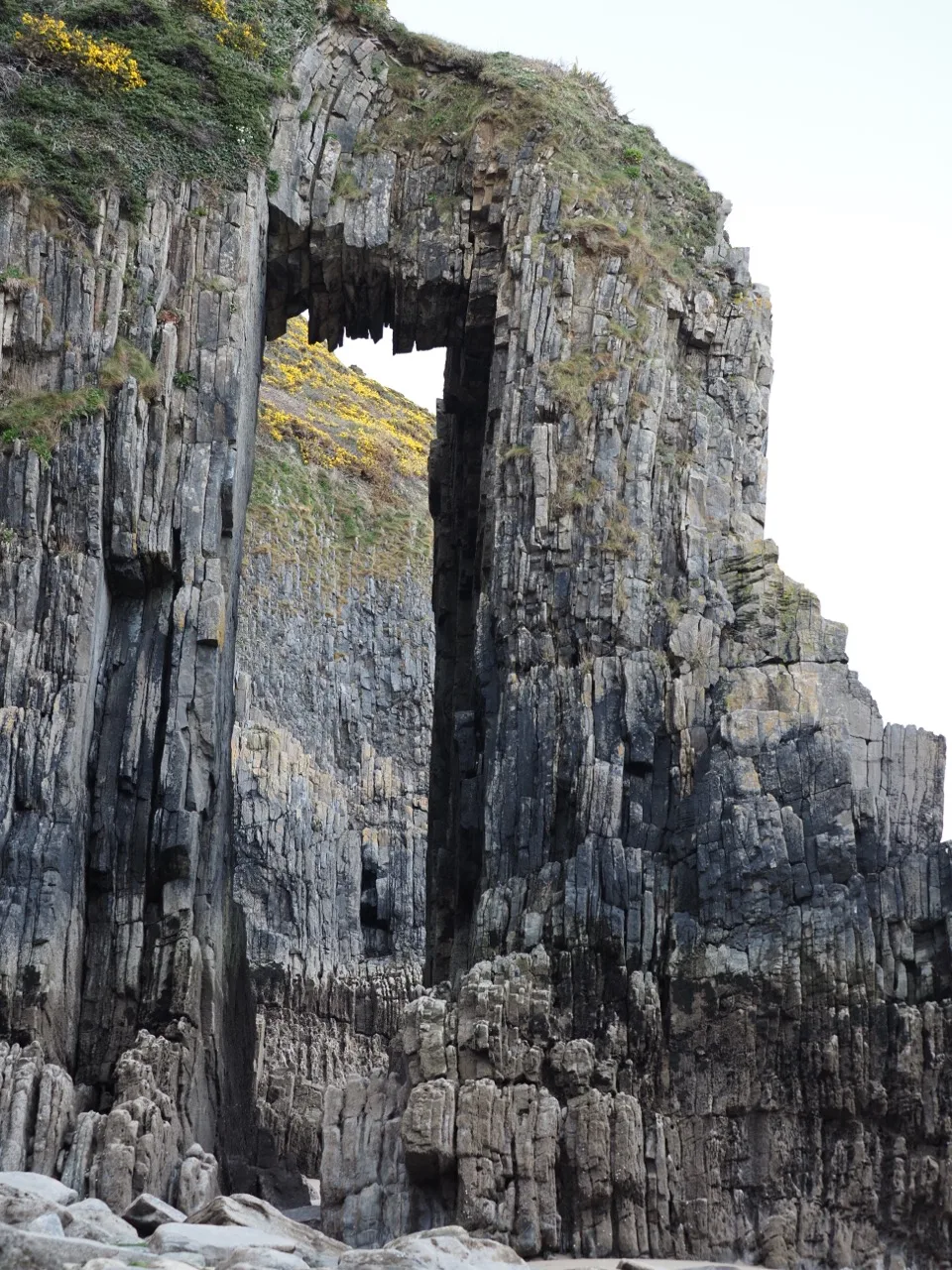
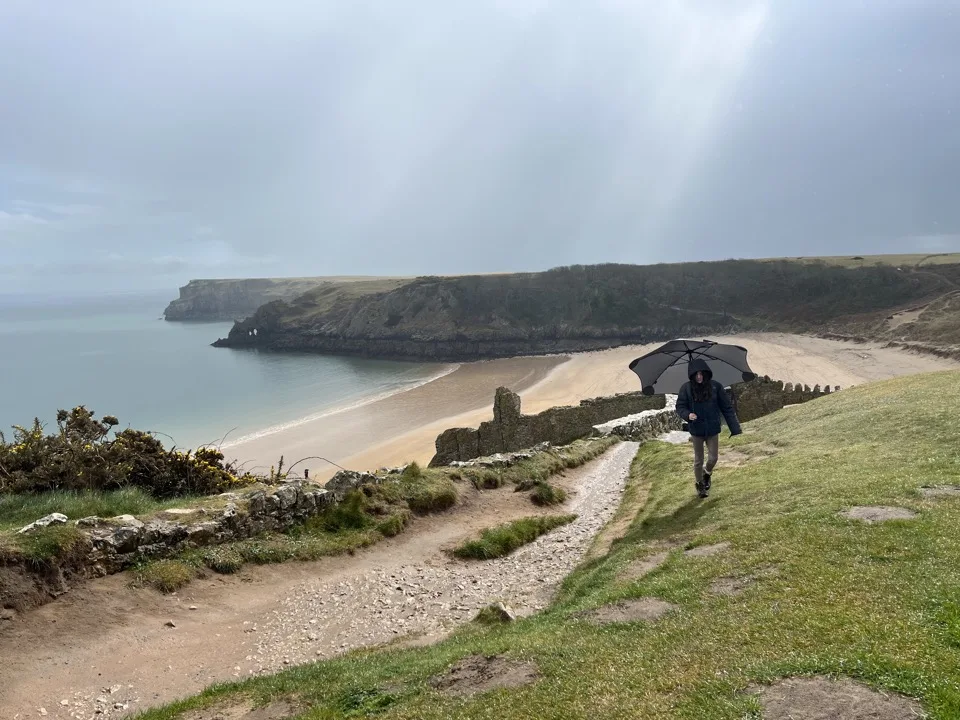
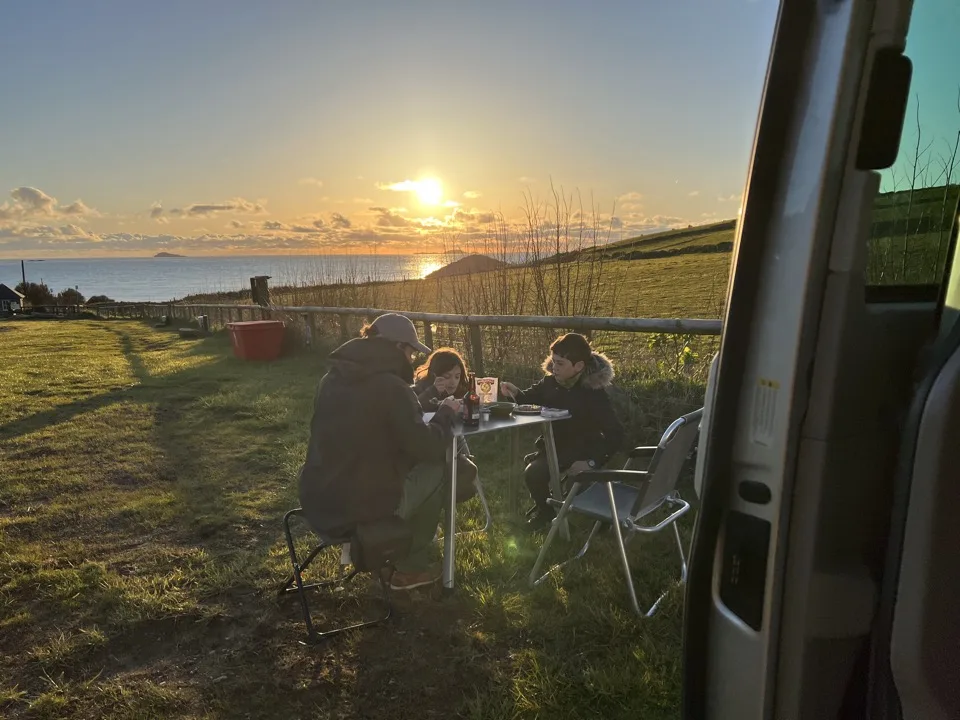

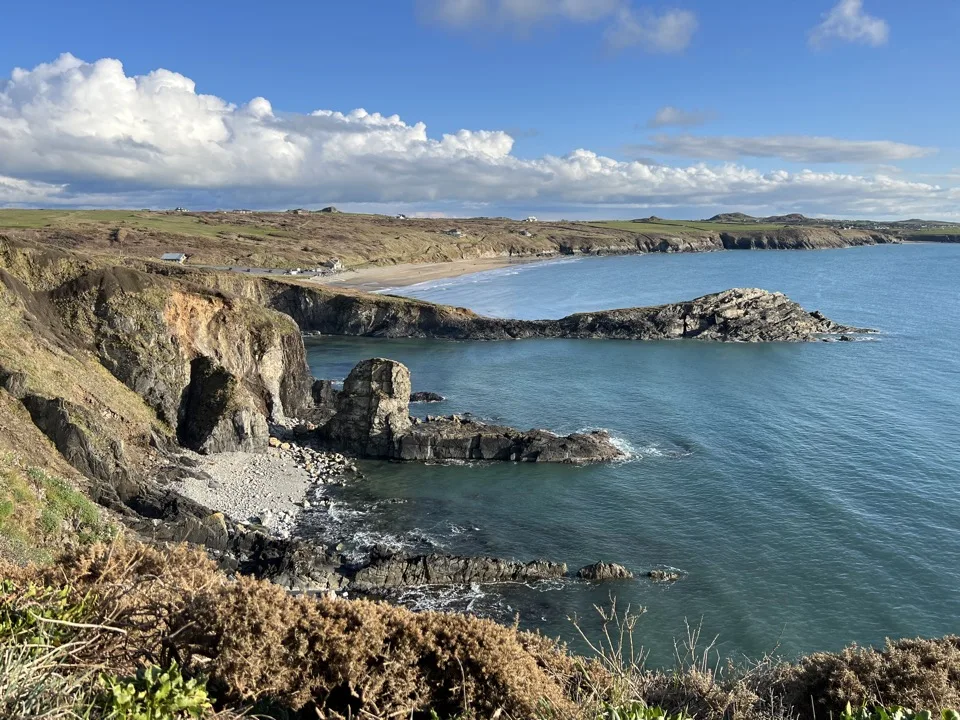
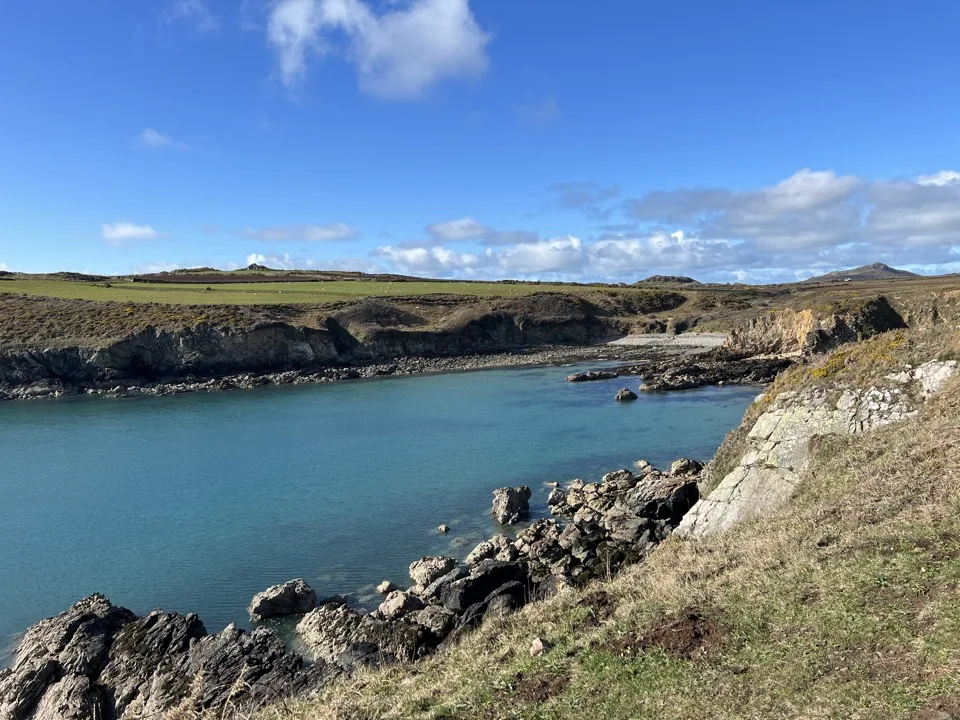
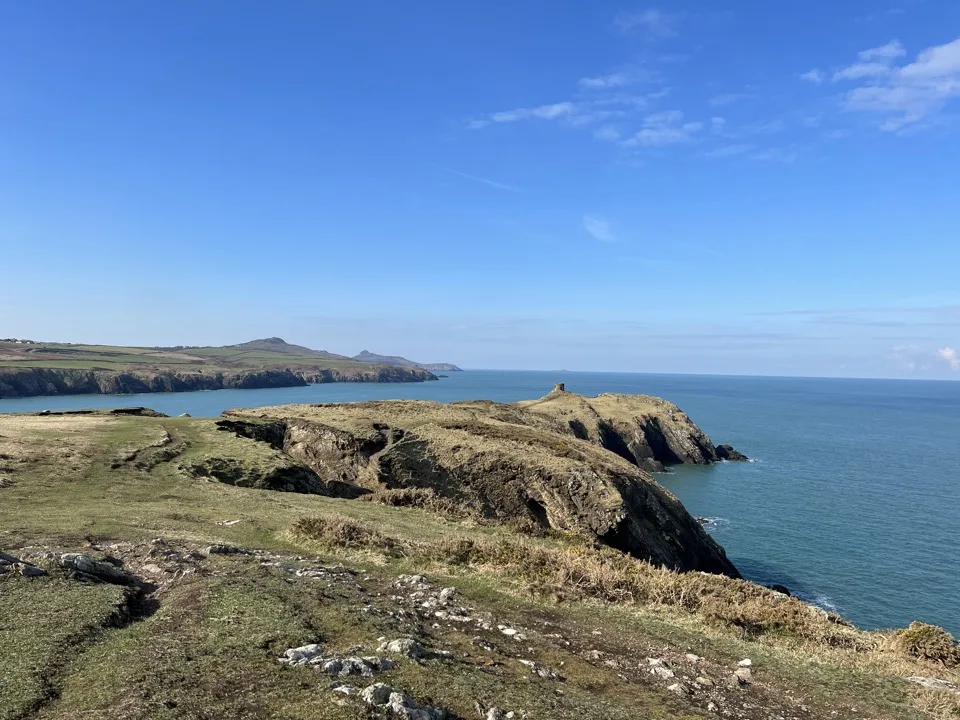
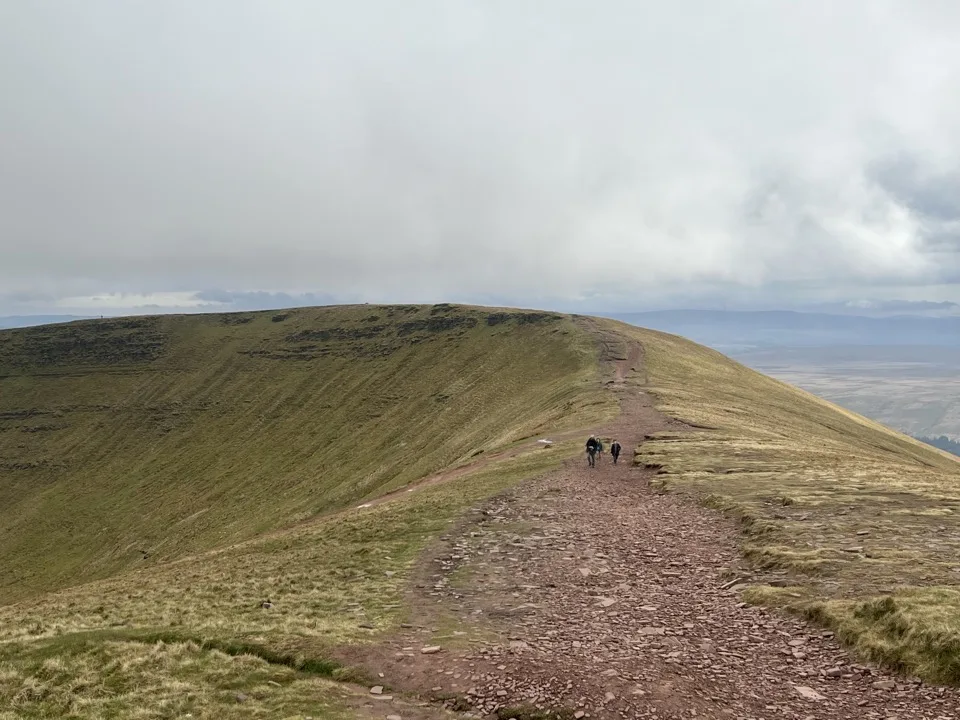 But where is the summit?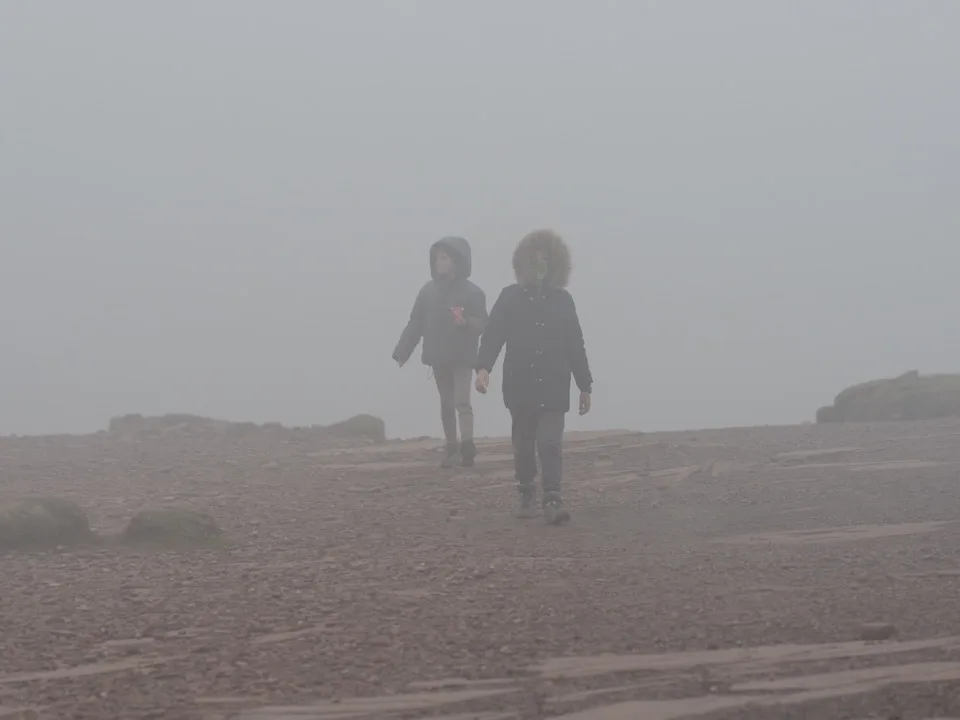
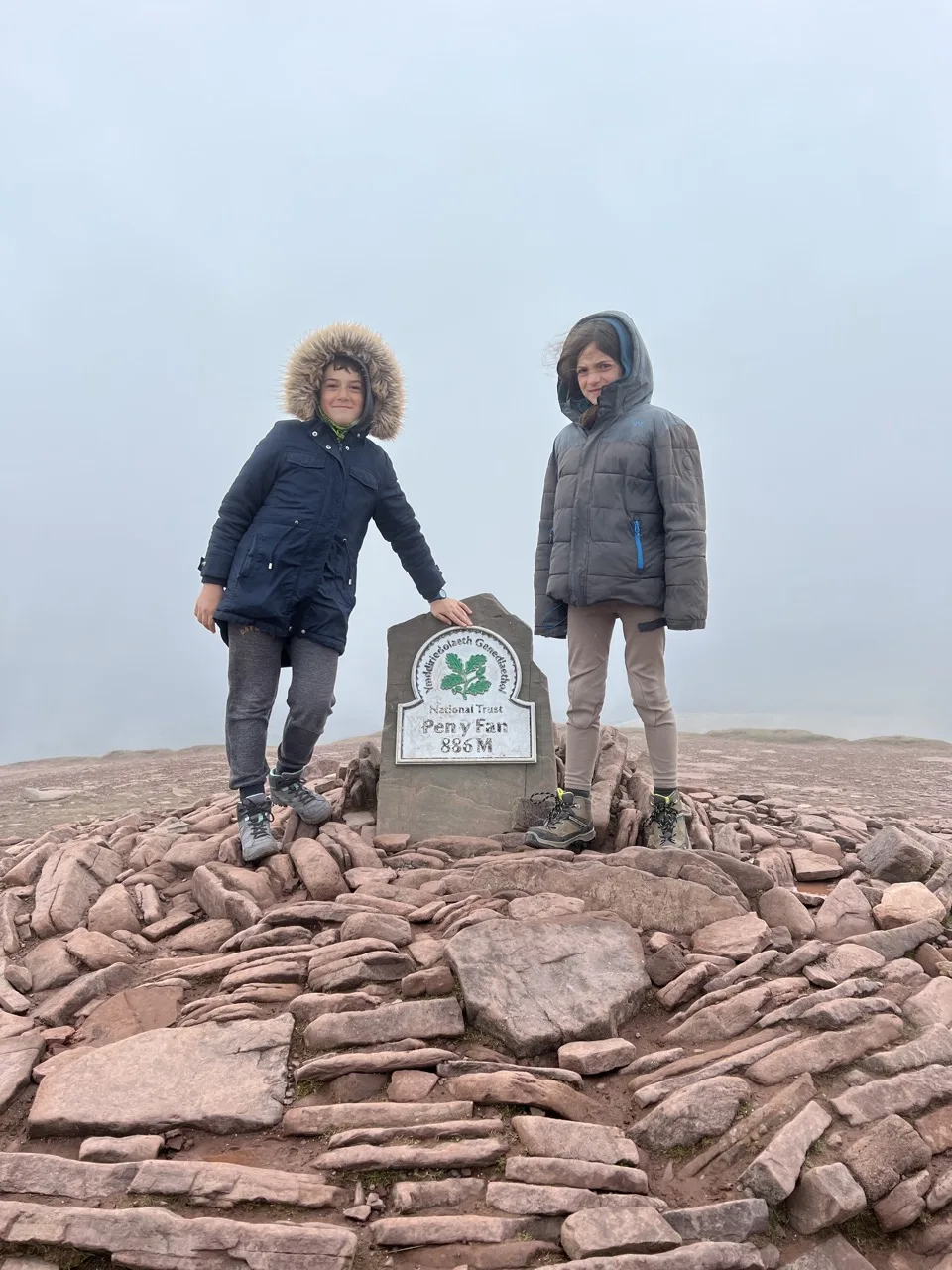 Fortunately, the sky cleared and the panoramic view appeared:
 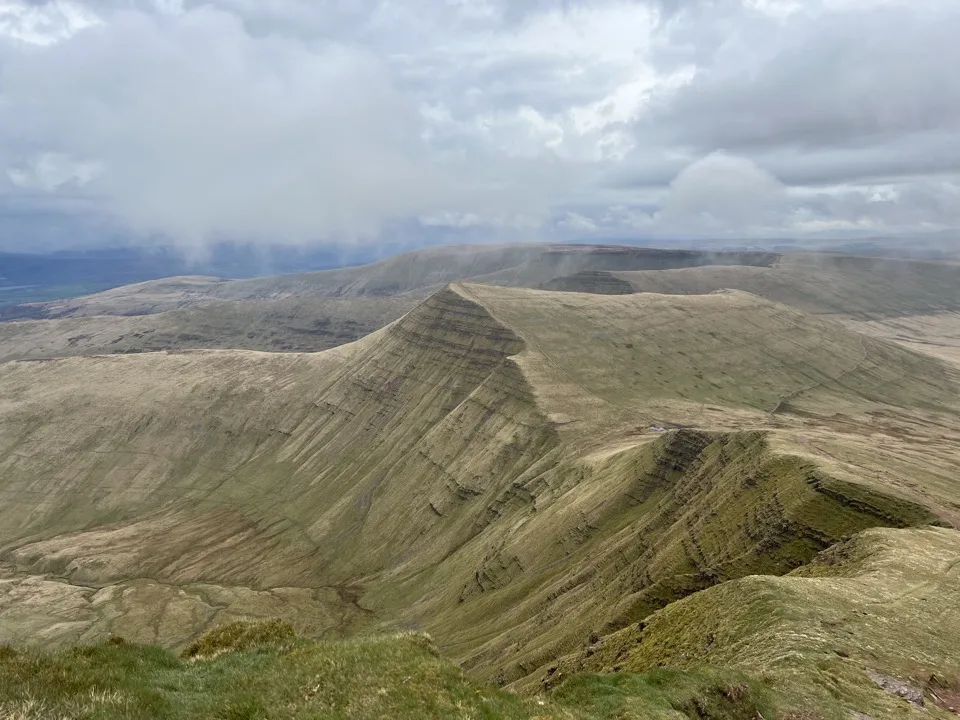 As often, it wasn’t the highest summit that was our best hike: our favourite was Llyn y Fan (2 hrs 45 hike). Look at the landscapes! A great memory, even though I was scared by the power of the wind! Fortunately, Papa Voyage made us do the loop in a direction where the wind couldn’t push us towards the edge. What would we do without his sense of direction!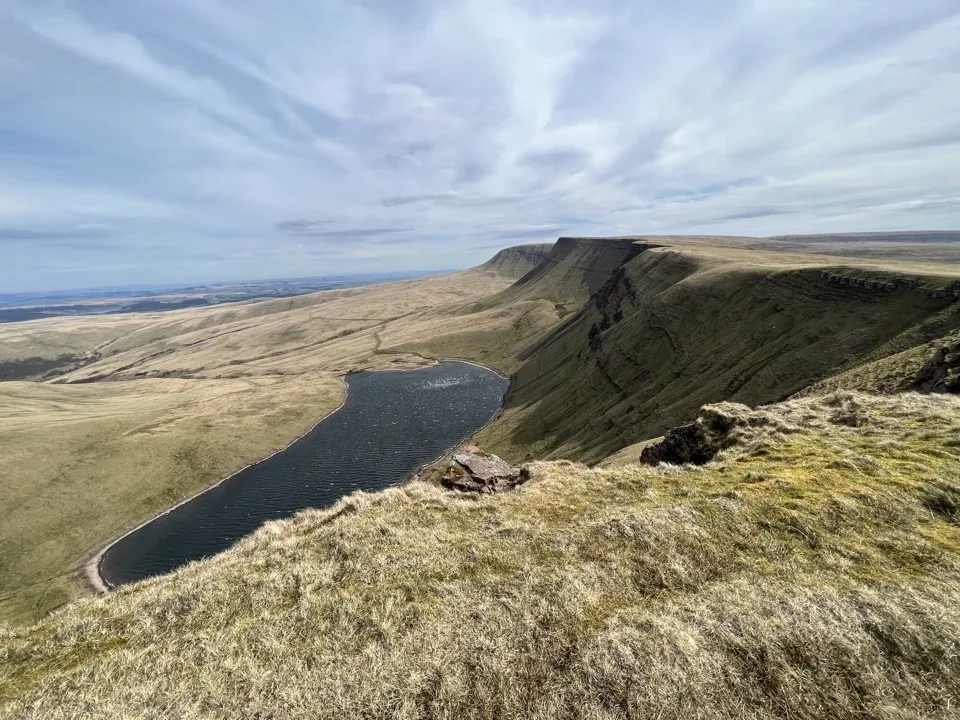
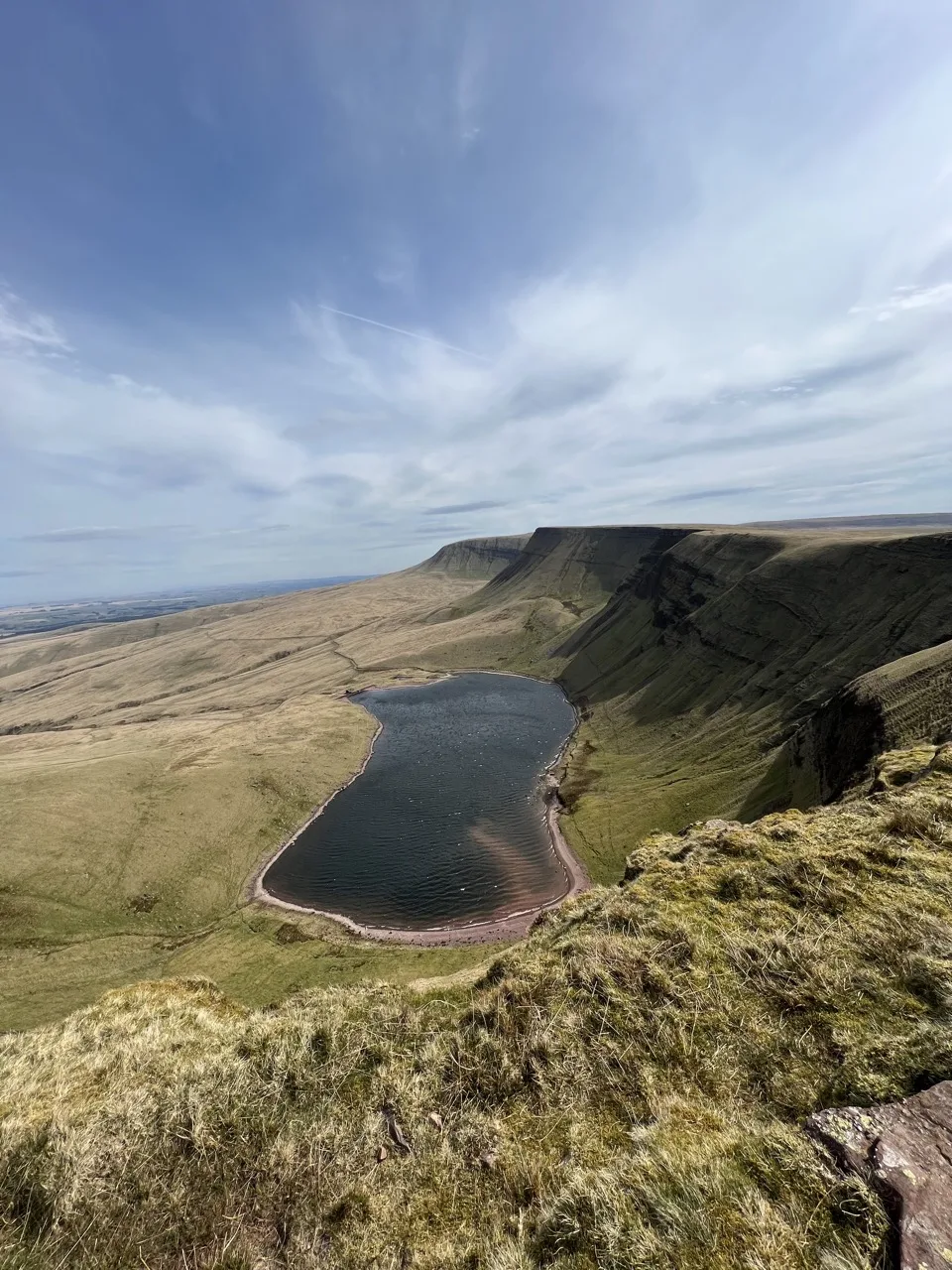
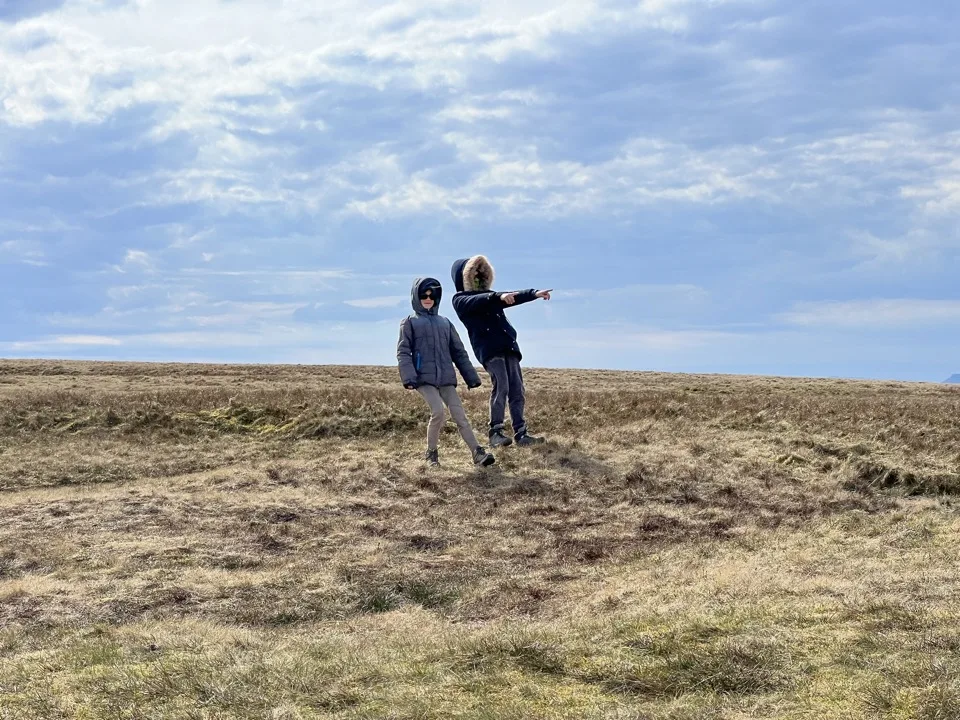
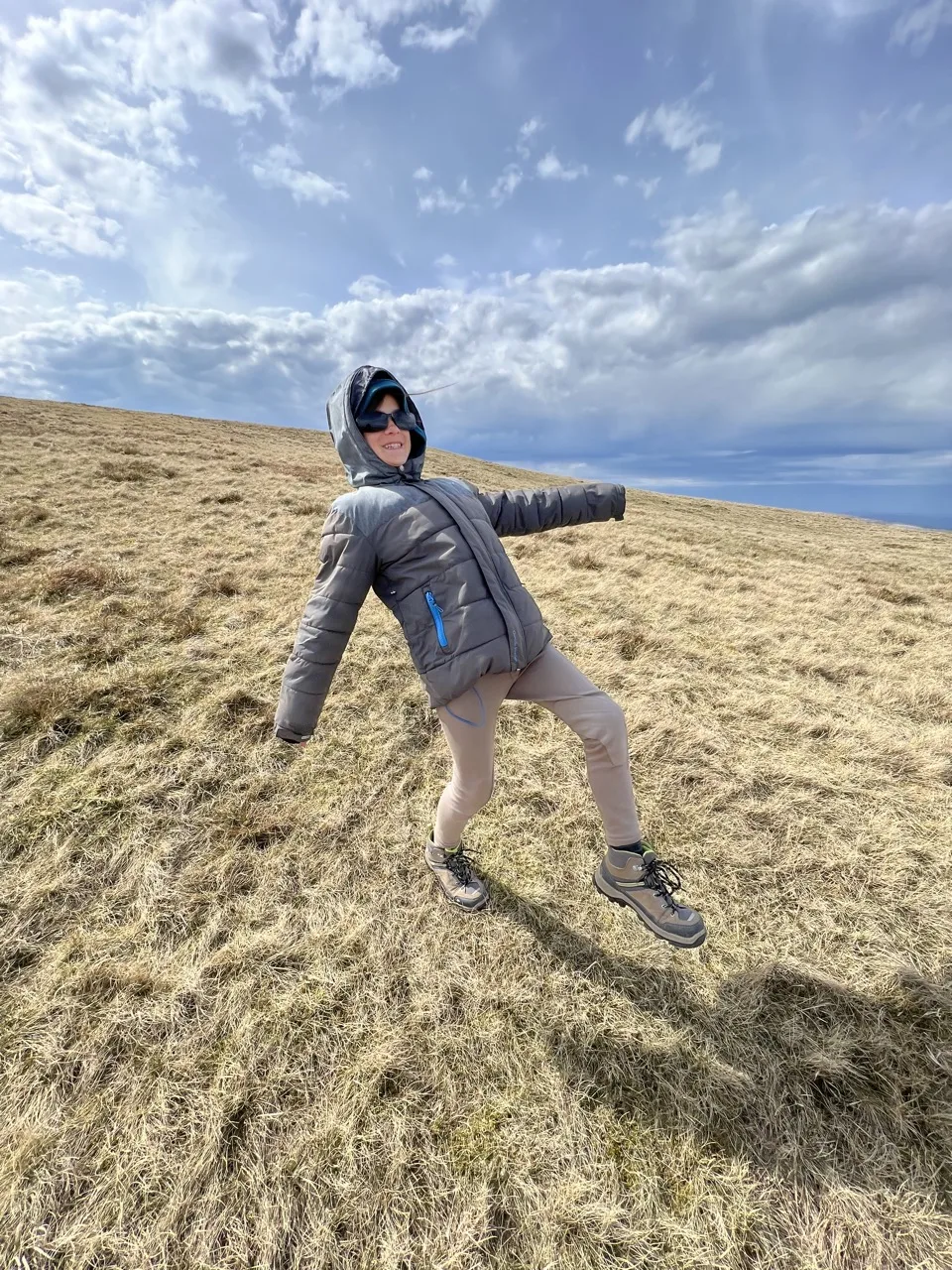 That same afternoon, we did the 4 Falls (waterfalls) walk: it took us 2 hrs 30, but it isn’t technically difficult. Do be careful, though, if it’s been raining, as the ground could be slippery. The 2nd waterfall and the 4th were our favourites.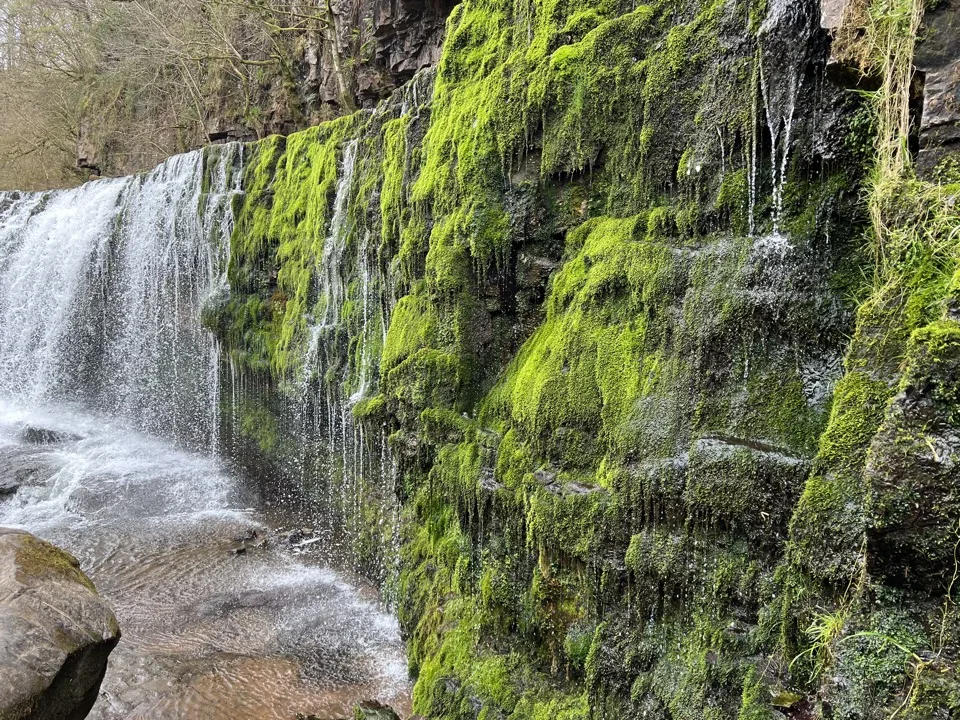
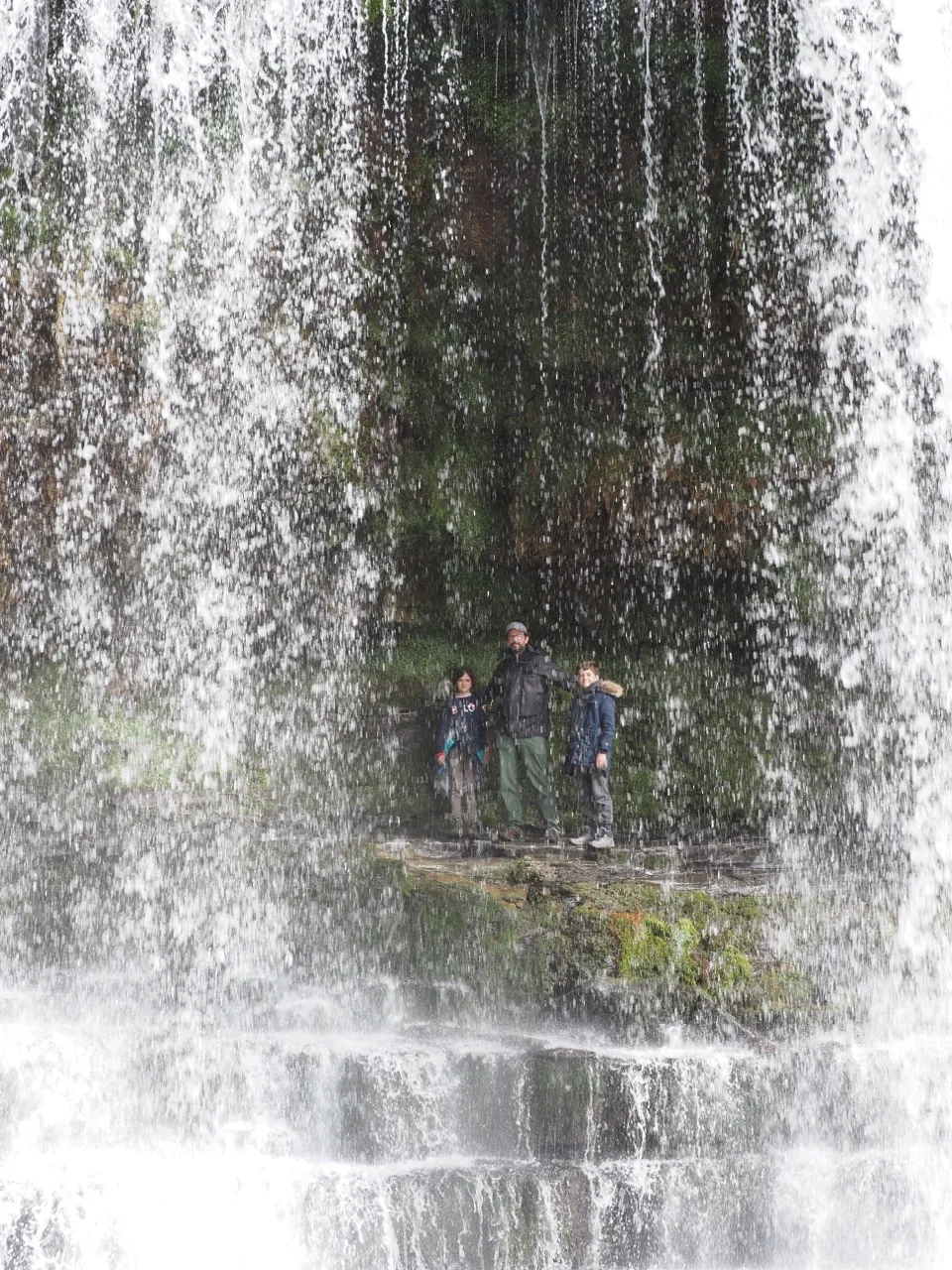 While picnicking (in our campervan because of the weather), we stopped near a site we really liked: a bumpy landscape linked to the presence of quarries: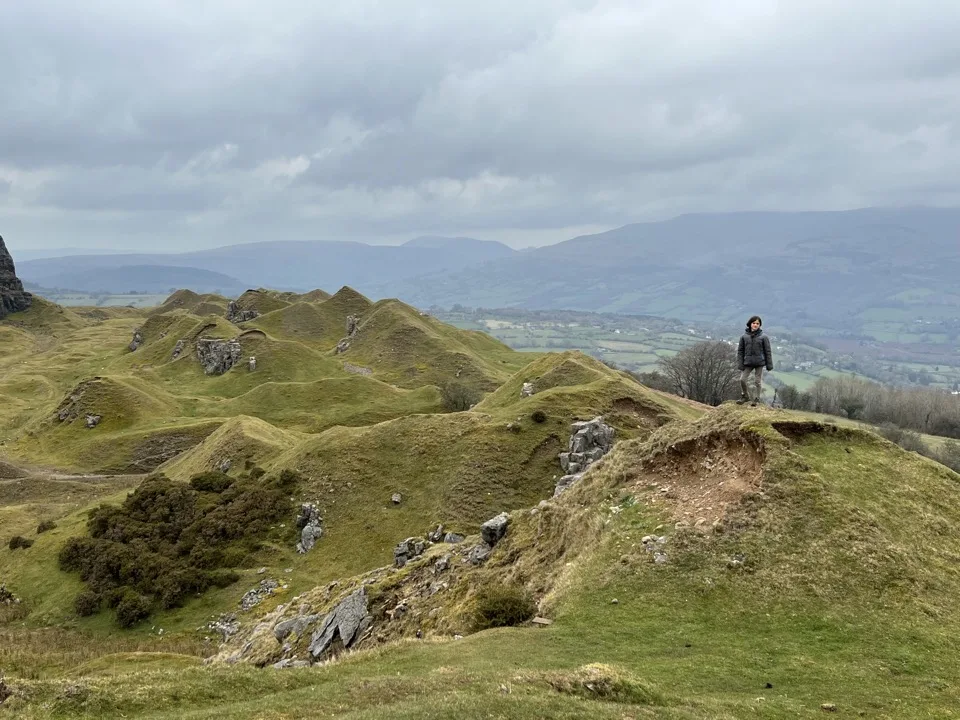
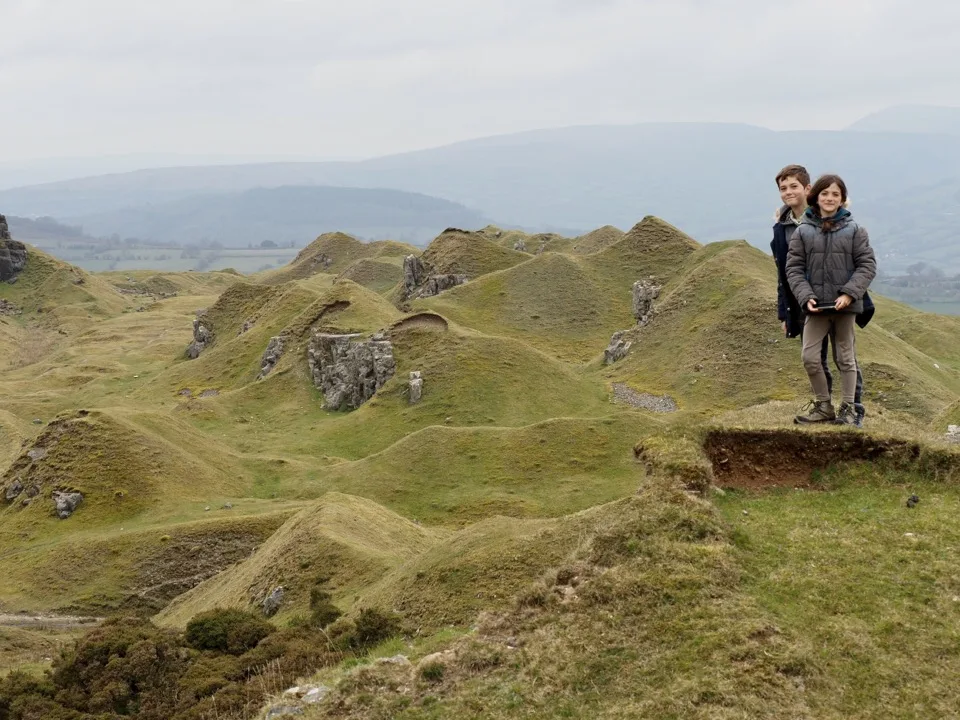 Finally, still in the same area, we visited an old coal mine: Big Pit. It’s a fascinating visit for children! It’s free, and it’s retired former miners who take you around the mine, explaining with emotion the difficulties of this work in their time, and also in the time of their fathers and grandfathers… In short, it’s Germinal, Welsh version!
 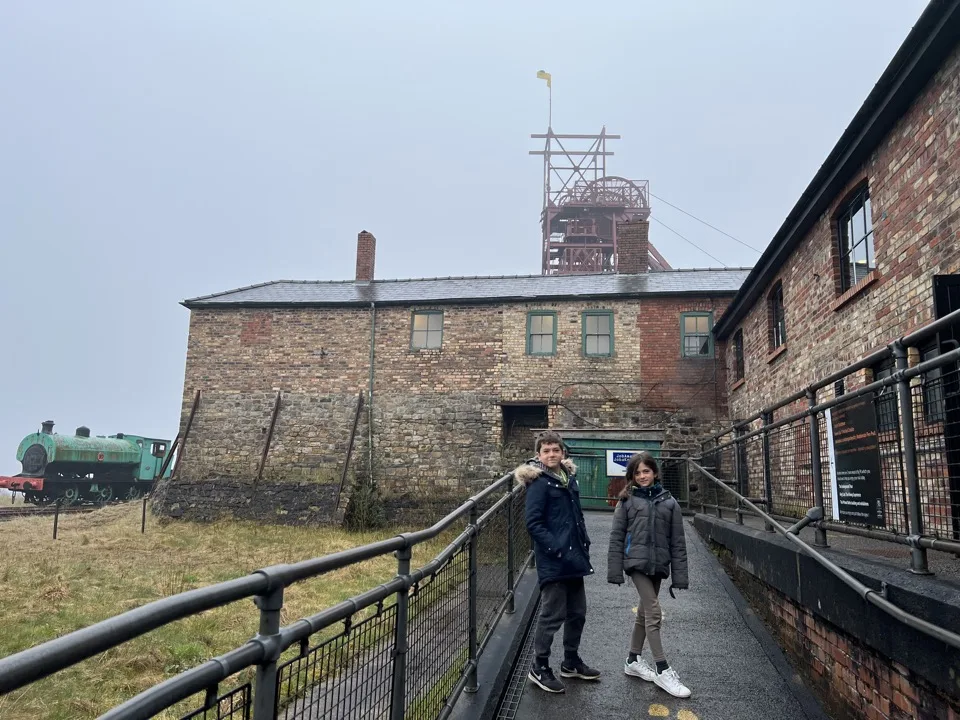 For camping, we slept several nights at Grawen campsite: nice because it’s very green, but you can hear the road a little (£28 a night).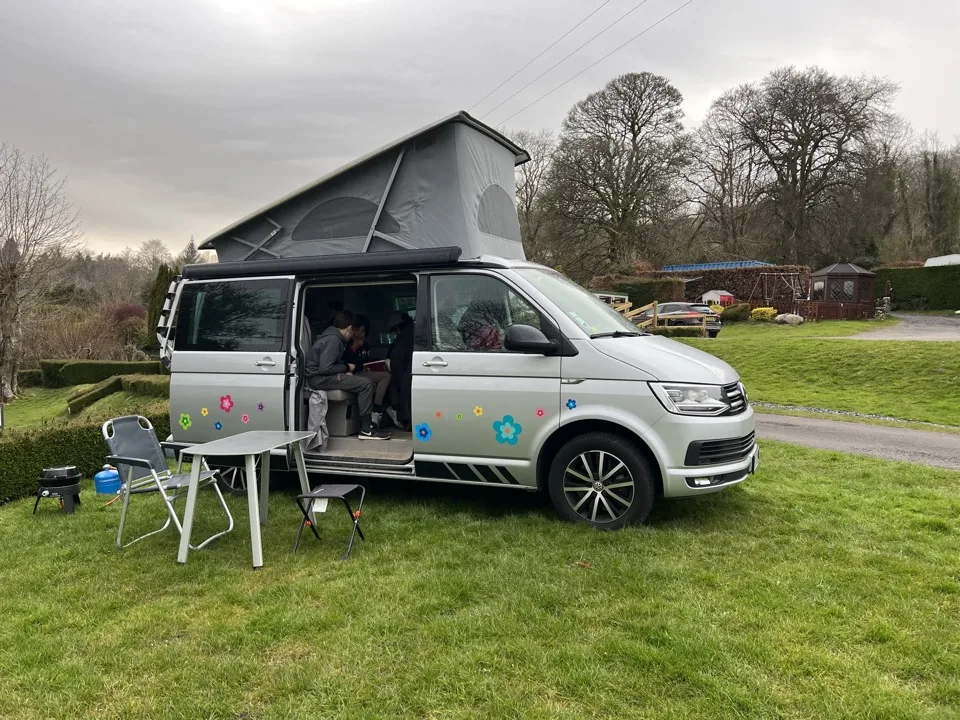
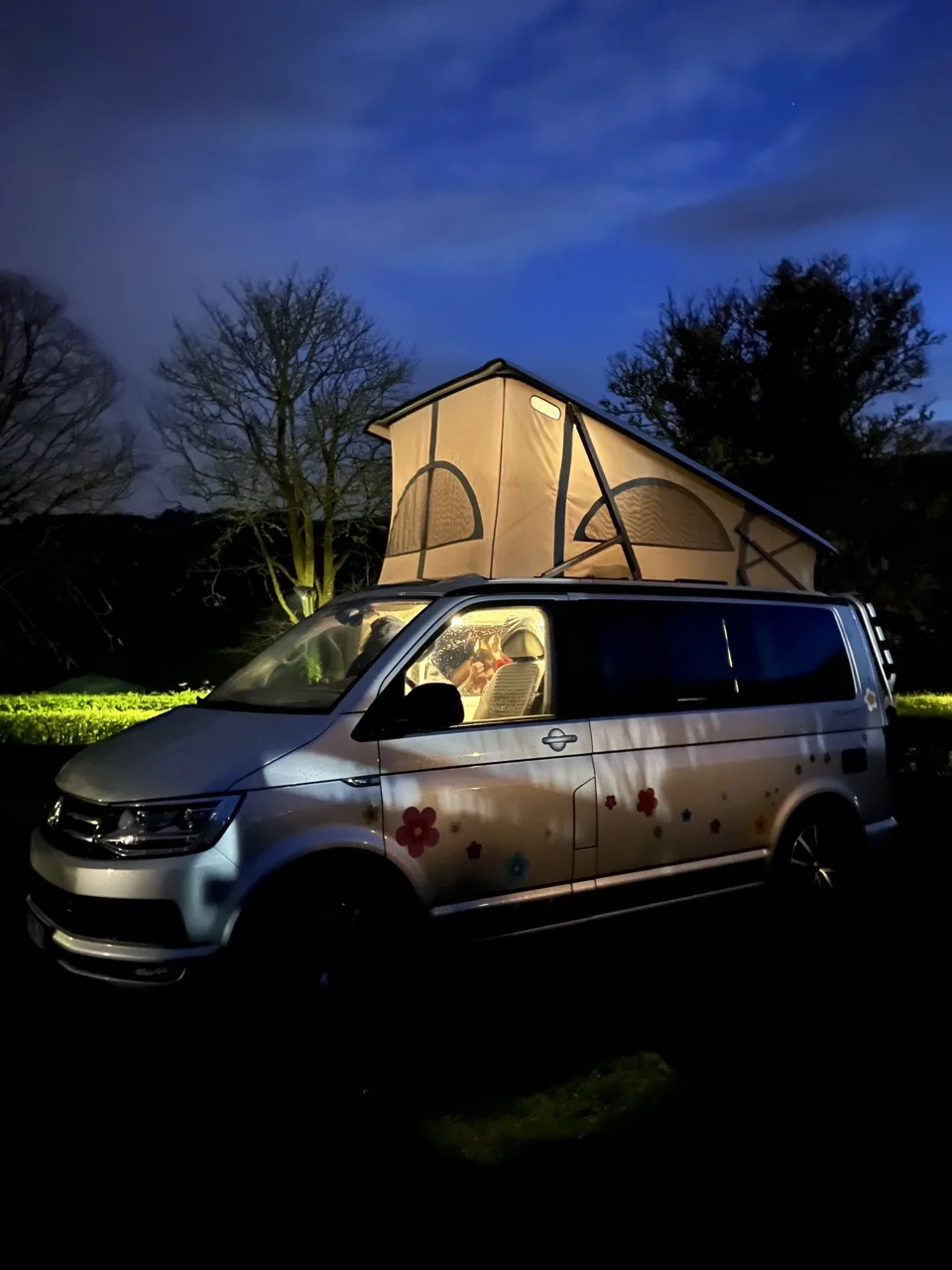
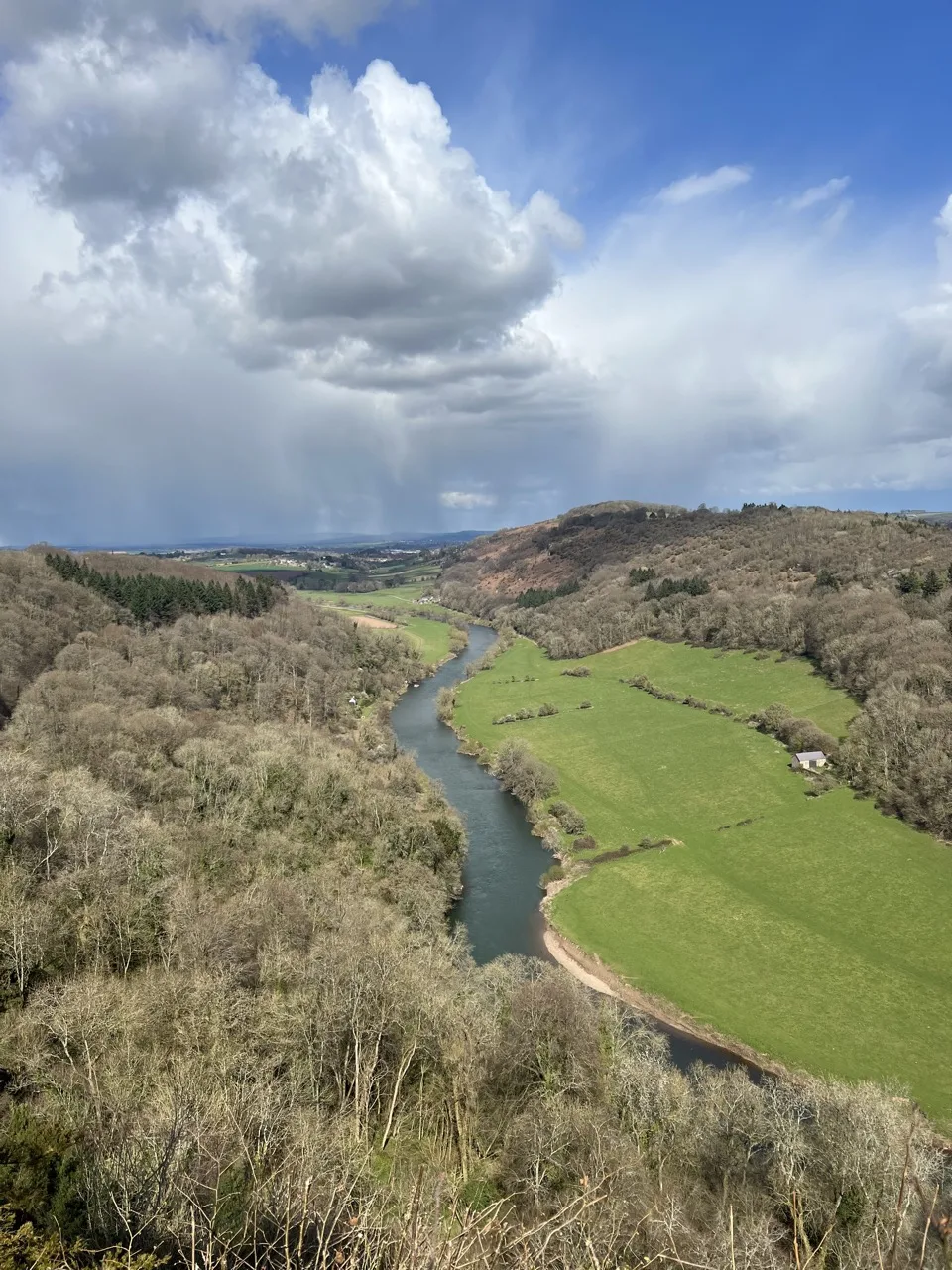
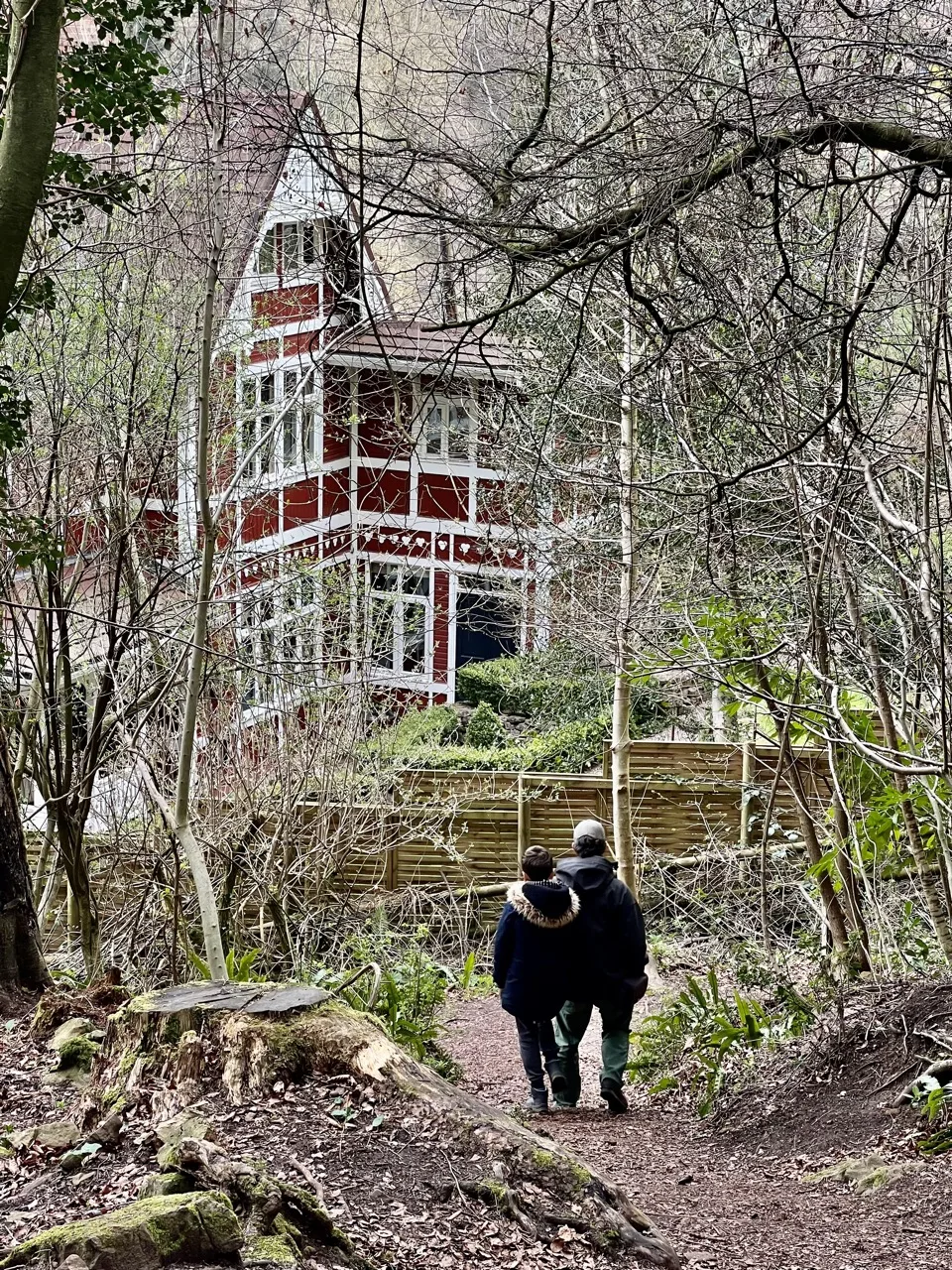 We visited Tintern Abbey: a superb abbey, located by the river on the Welsh side. We had lovely light at the end of the day:
 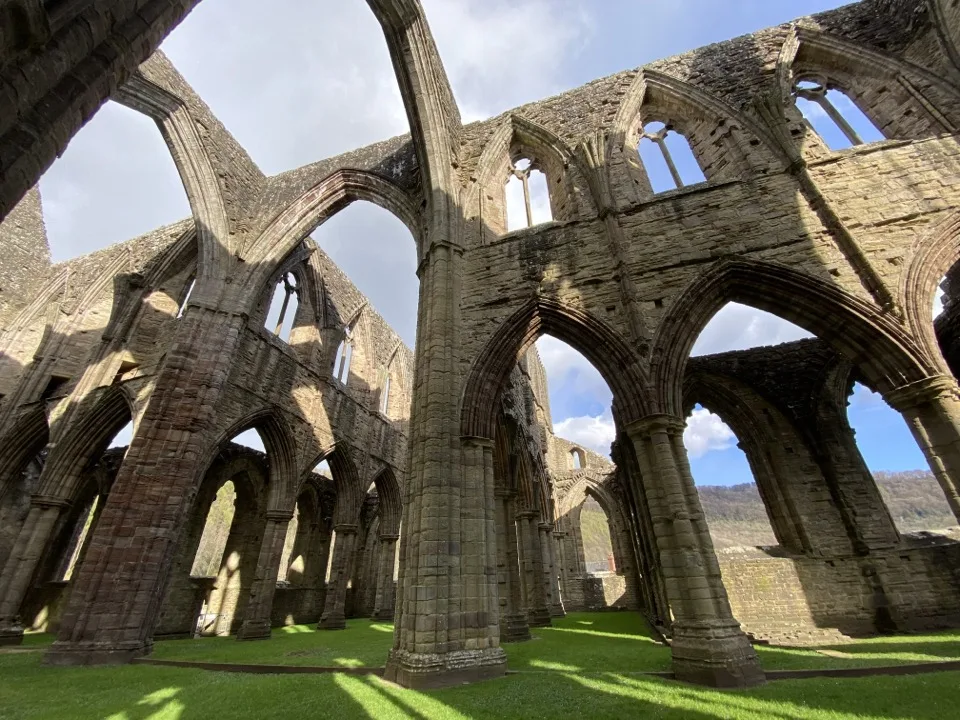 During this visit, we discovered that there is a card that lets you visit Wales’s major sites, notably quite a lot of castles (the equivalent of the English Heritage card in England). As the aim of our trip was more about nature and hiking, we didn’t get it, but if you’re planning to visit a few castles, it will quickly pay for itself: see the
 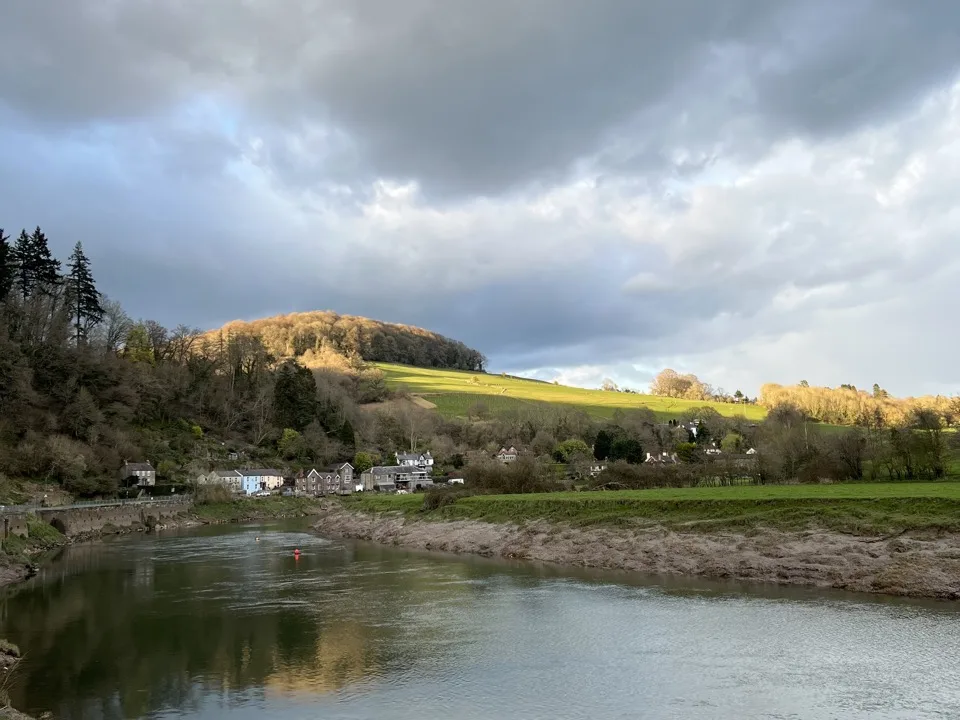 In the River Wye area, we slept in a pub car park! Yes, I know, it’s not glamorous, but it’s a handy option in Great Britain in general: not all pubs agree, but most do, so you just need to push the door and ask. The idea is that if you spend money with them, they allow you to stay overnight in their car park and, in the best case, to use their toilets during the night. I won’t give the address of the pub where we stayed, as they don’t do it on a conveyor belt either… It’s on request and perhaps depending on the evening and how busy they are, but I wanted to share the idea in case you’re travelling in a campervan in the UK. Our dinner at the pub, by the fireplace, was actually very good and really comforting after several evenings of having to cook inside the camper. Finally, just before arriving in Wales, so still in England, we stopped for a lunch picnic in the Forest of Dean. We saw it in all kinds of weather! The road through this forest is really beautiful.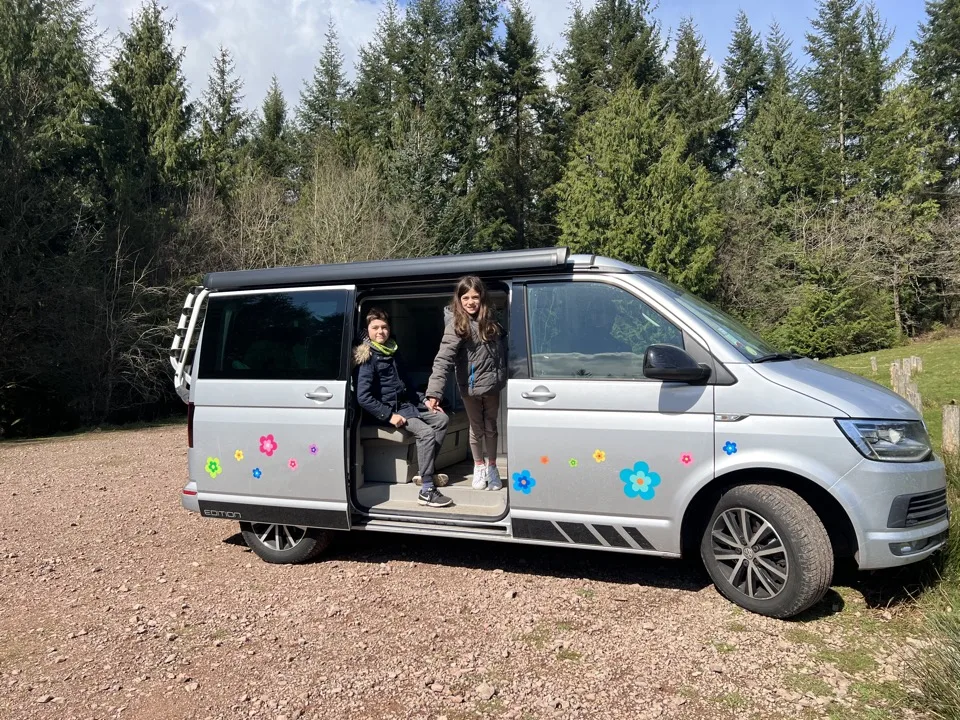
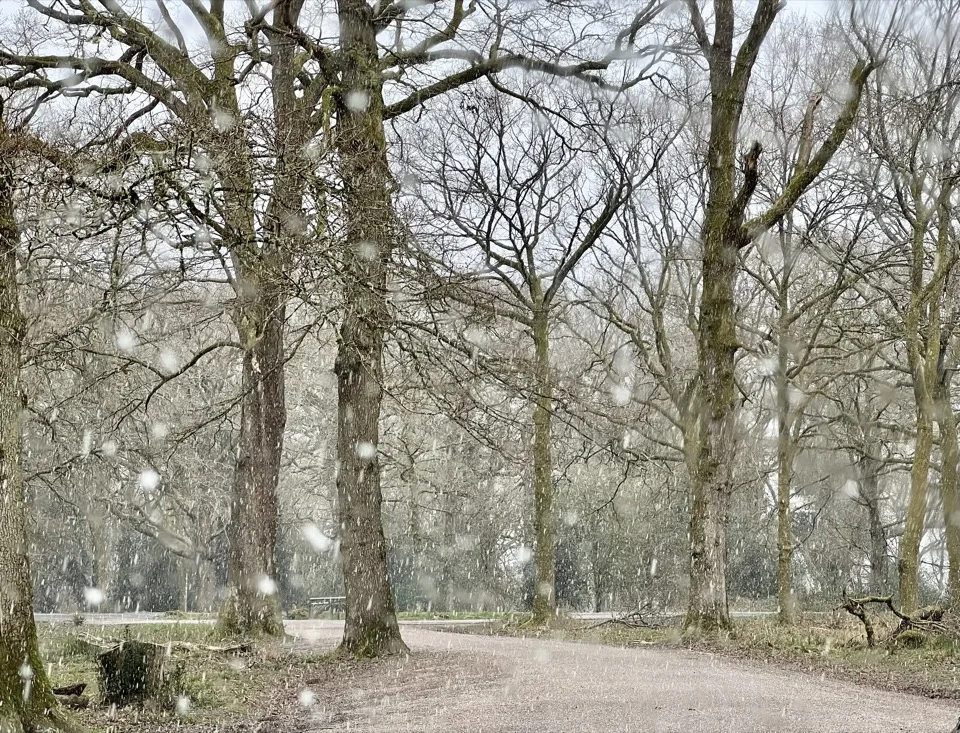
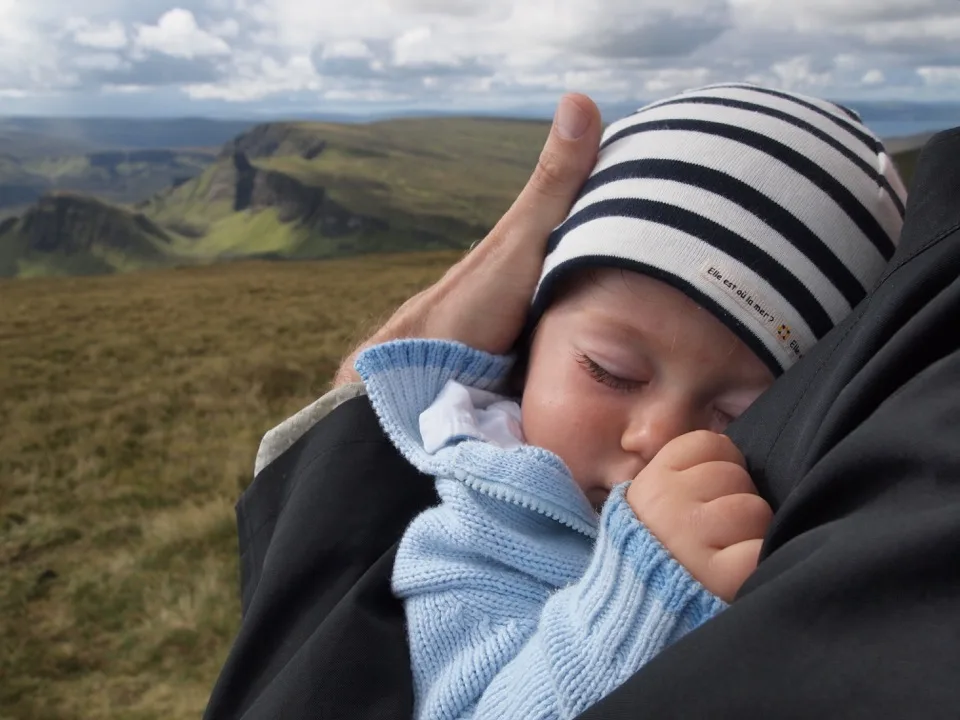
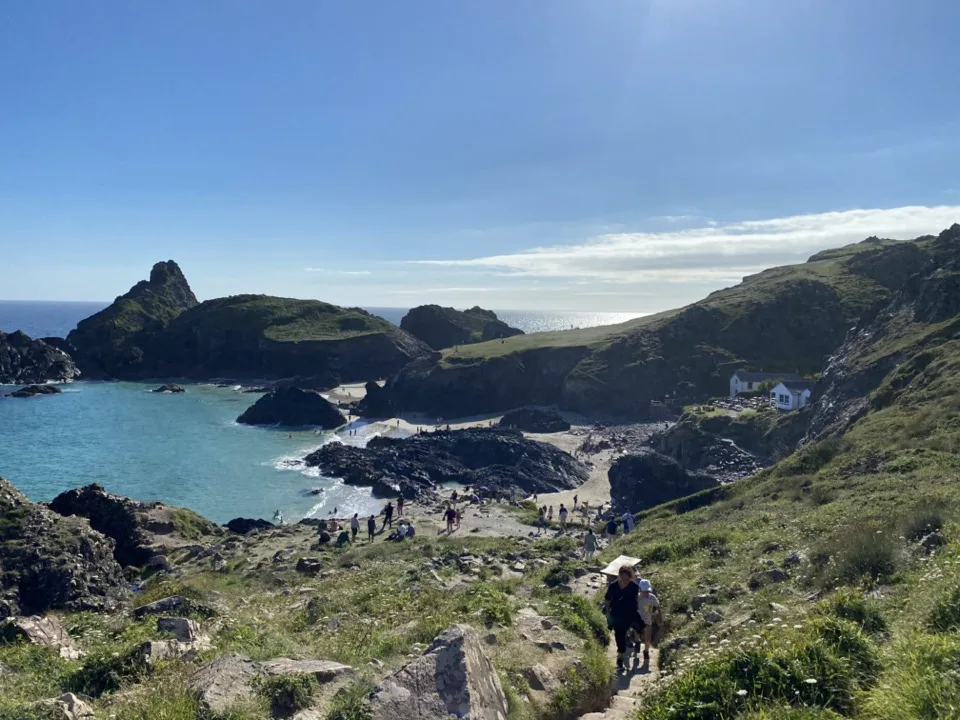
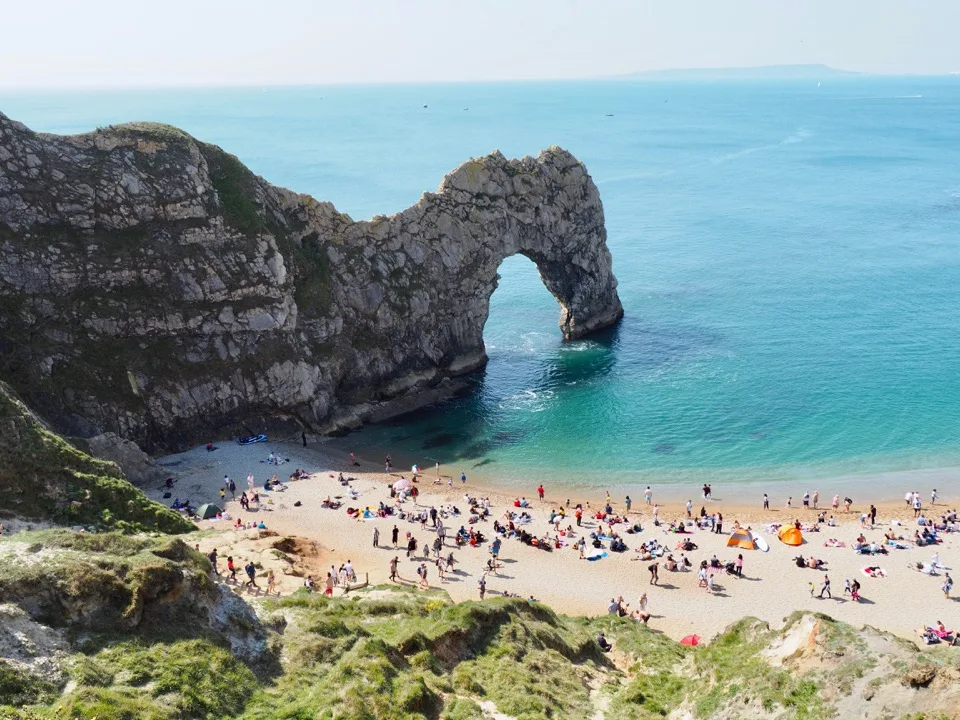
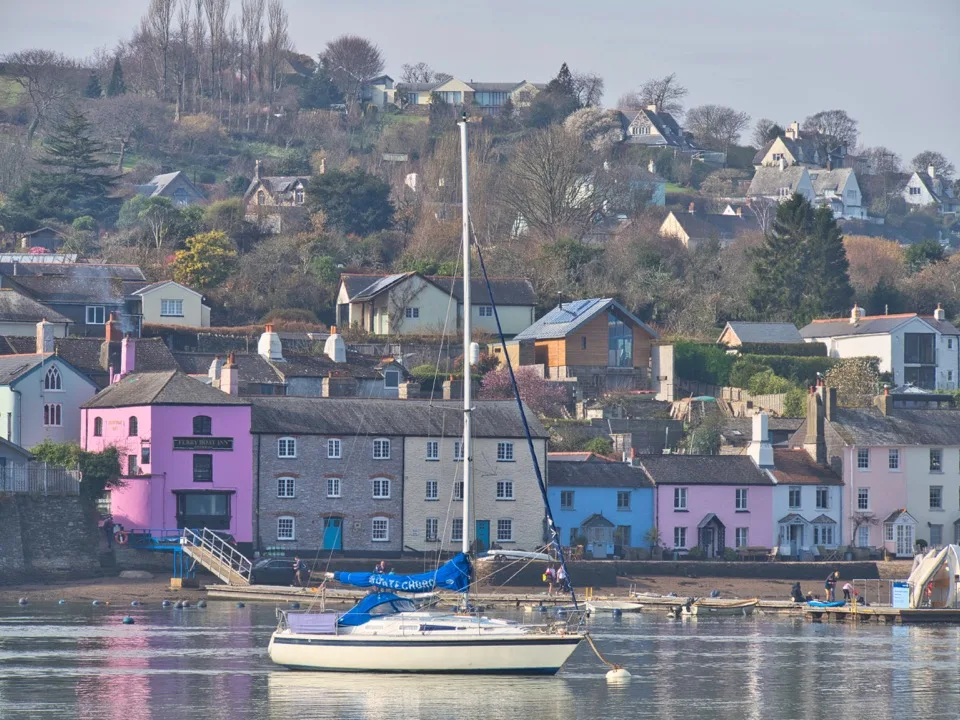
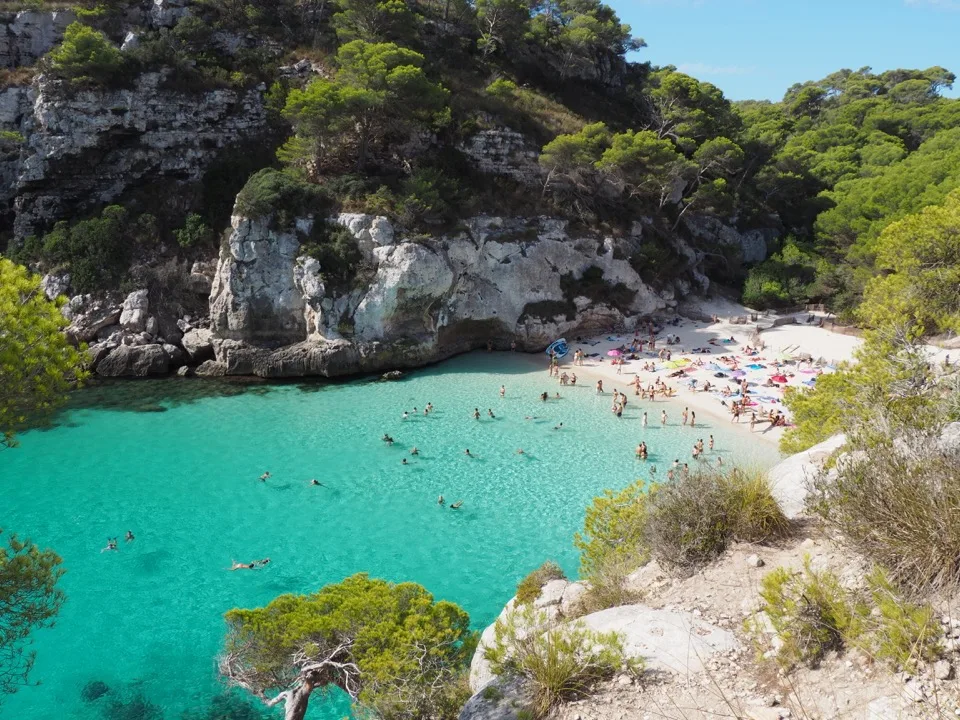
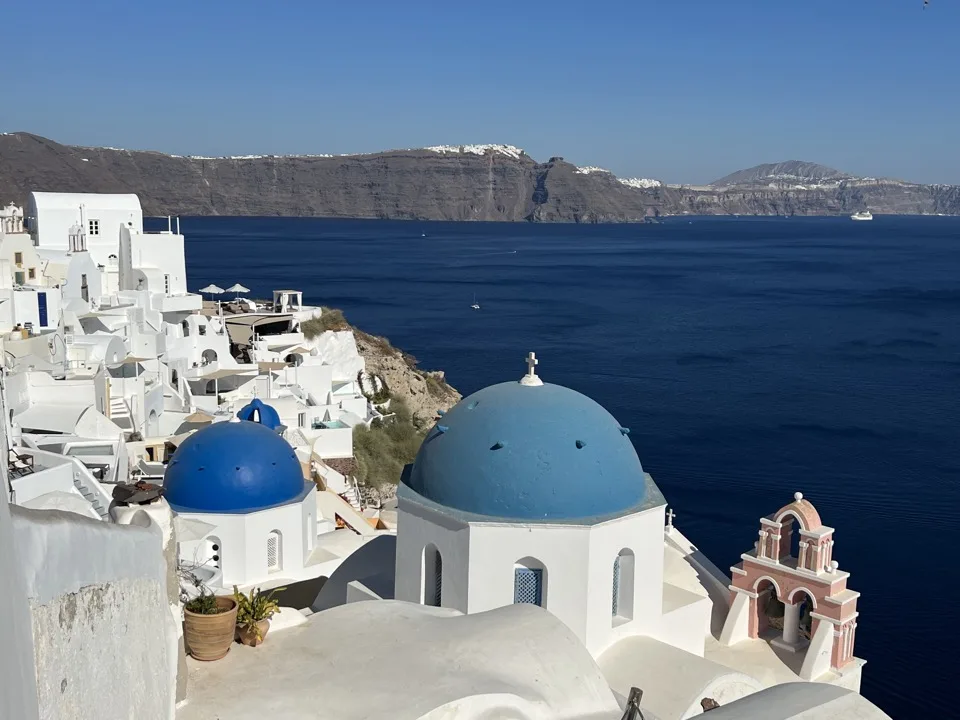
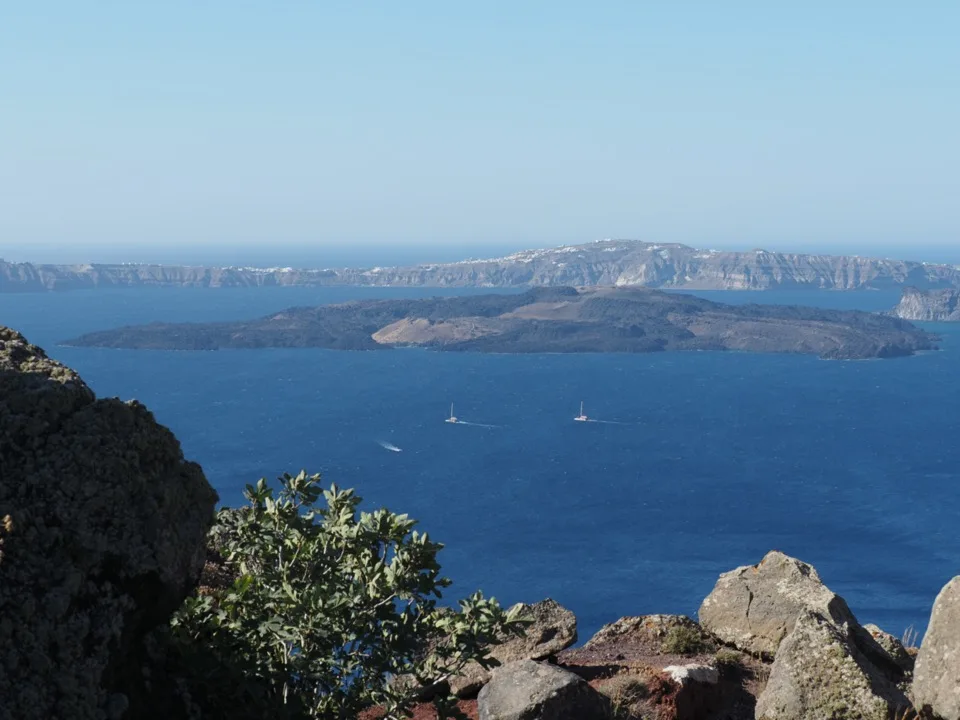
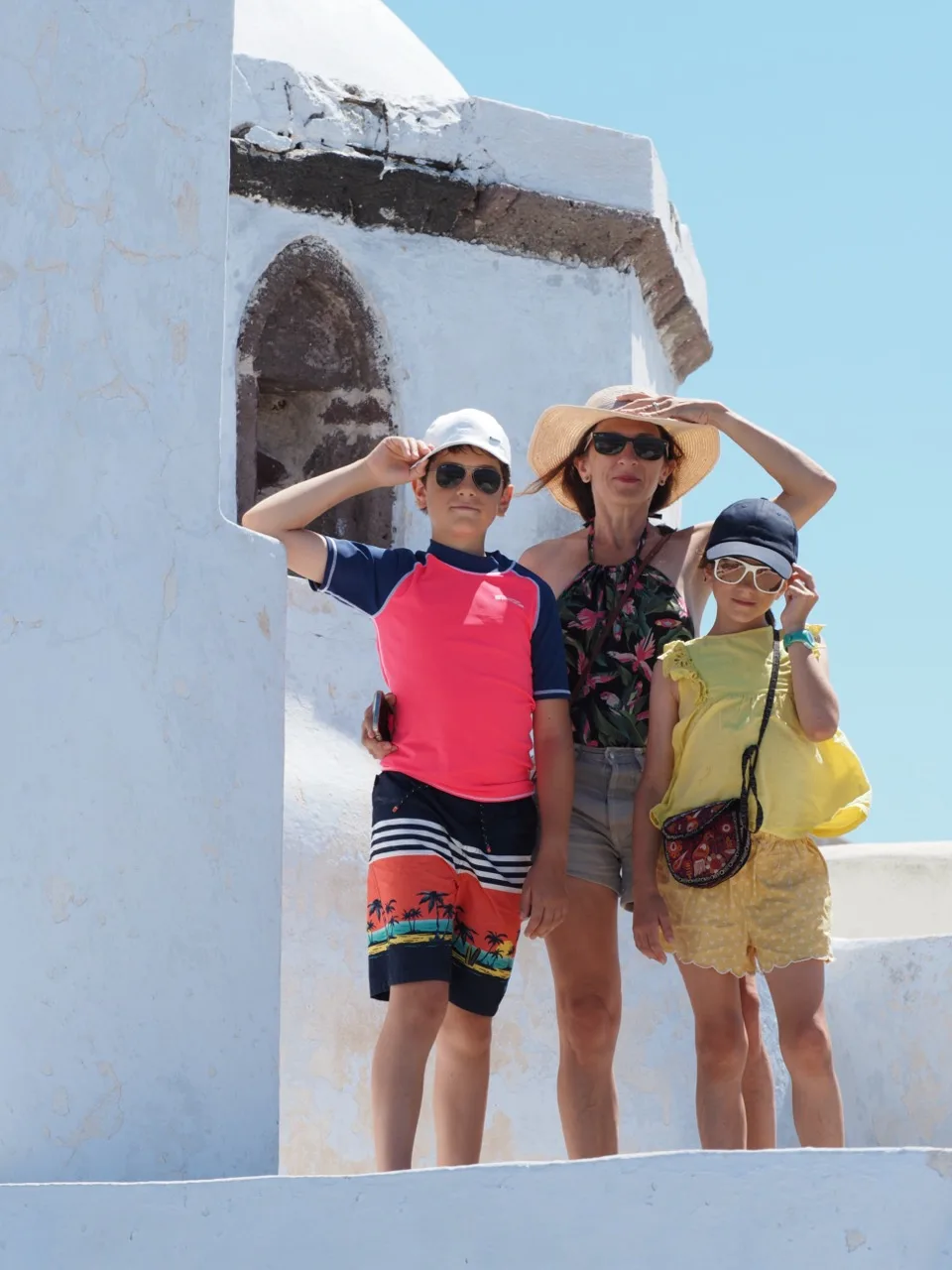
 Santorini, the “cons”: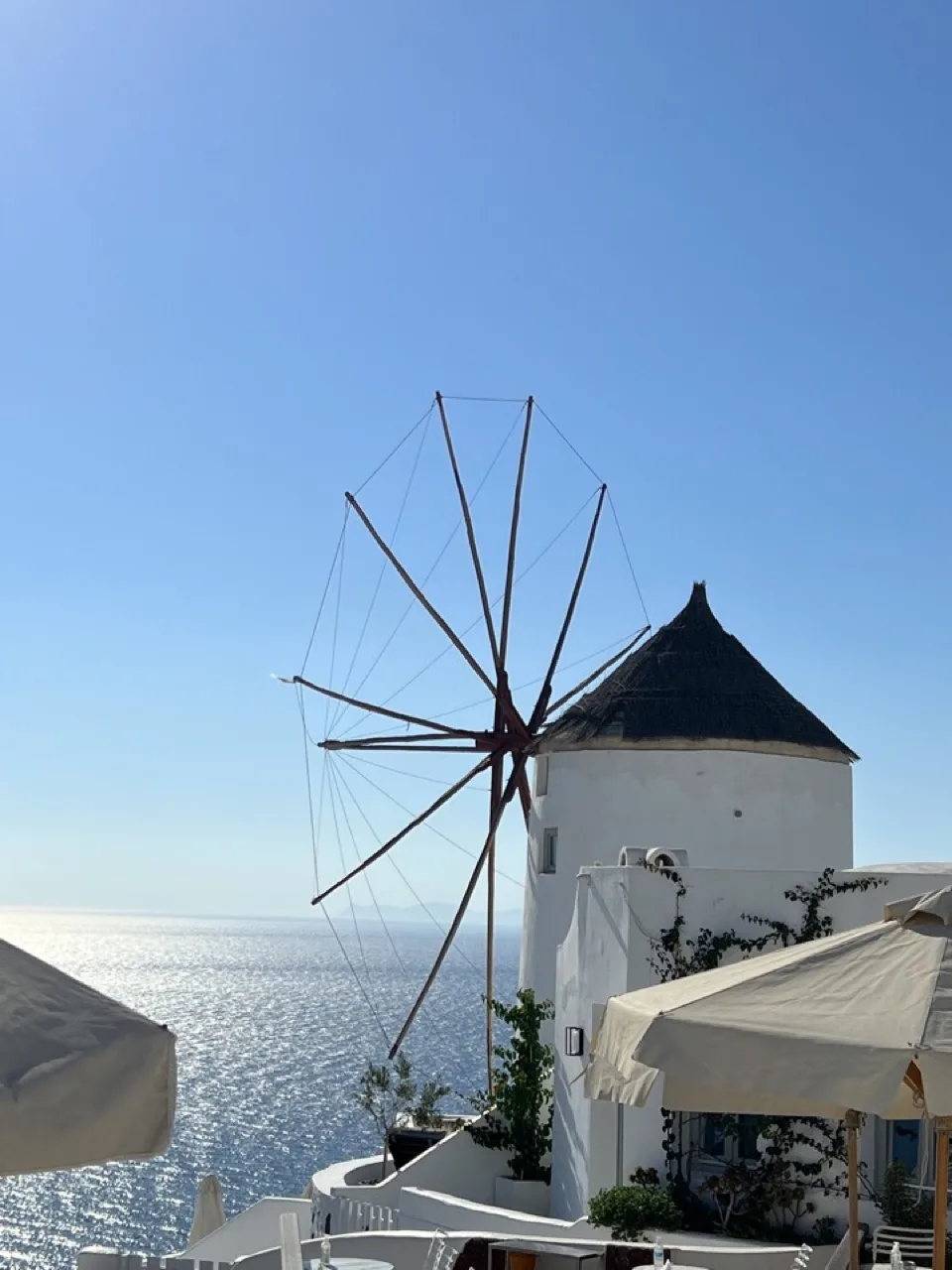
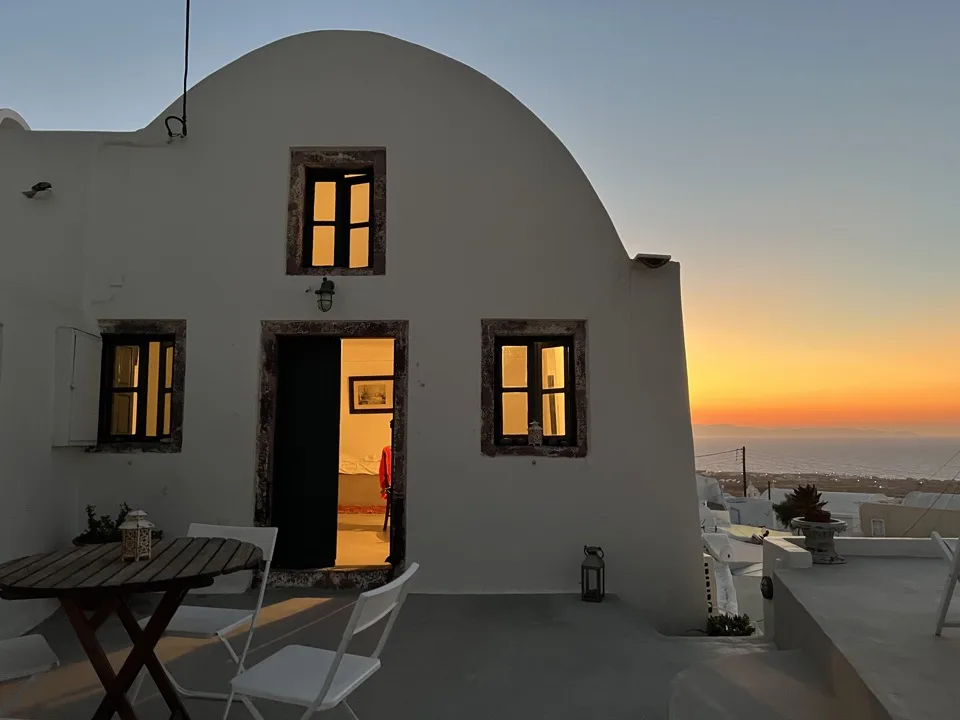
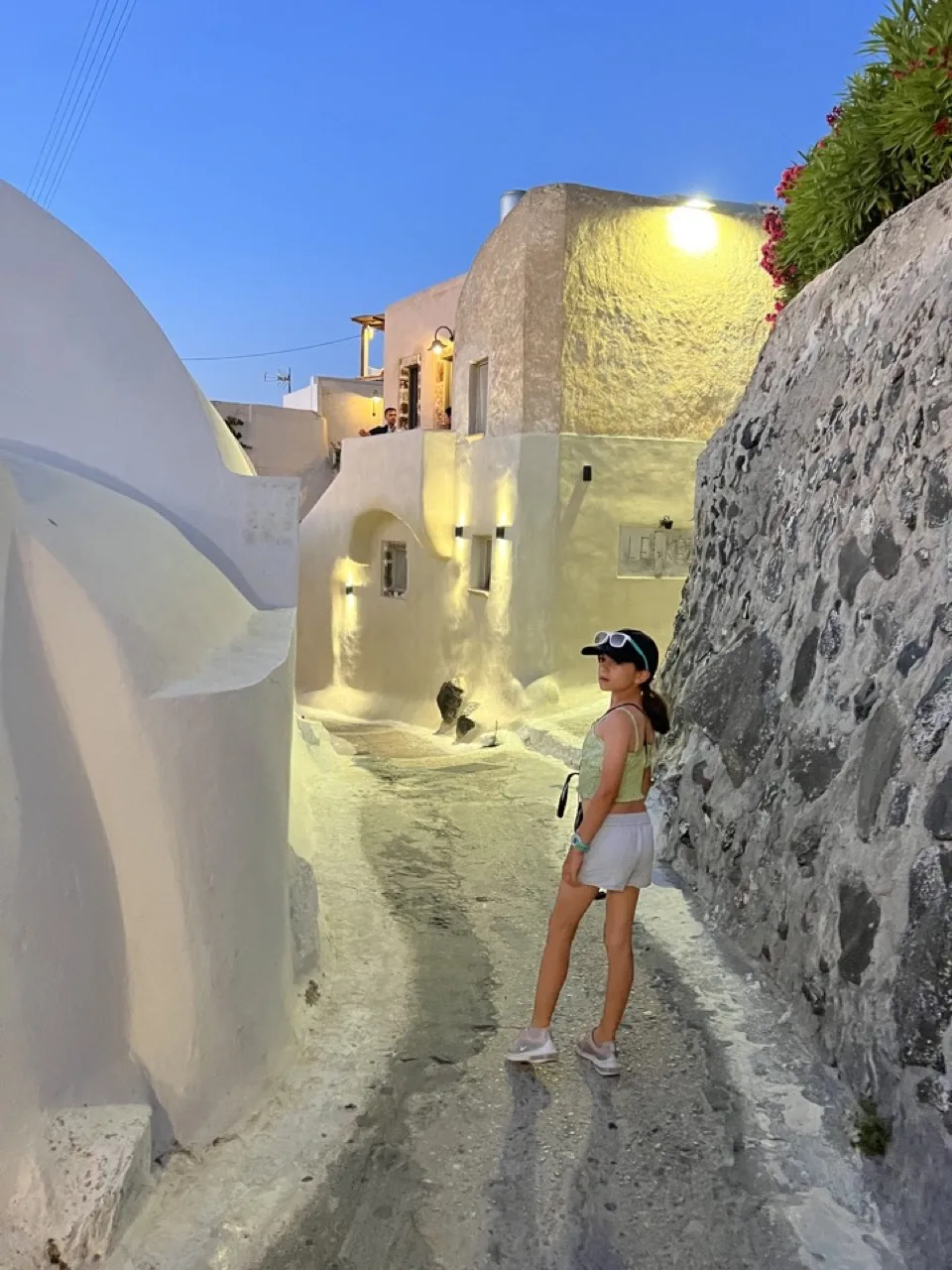
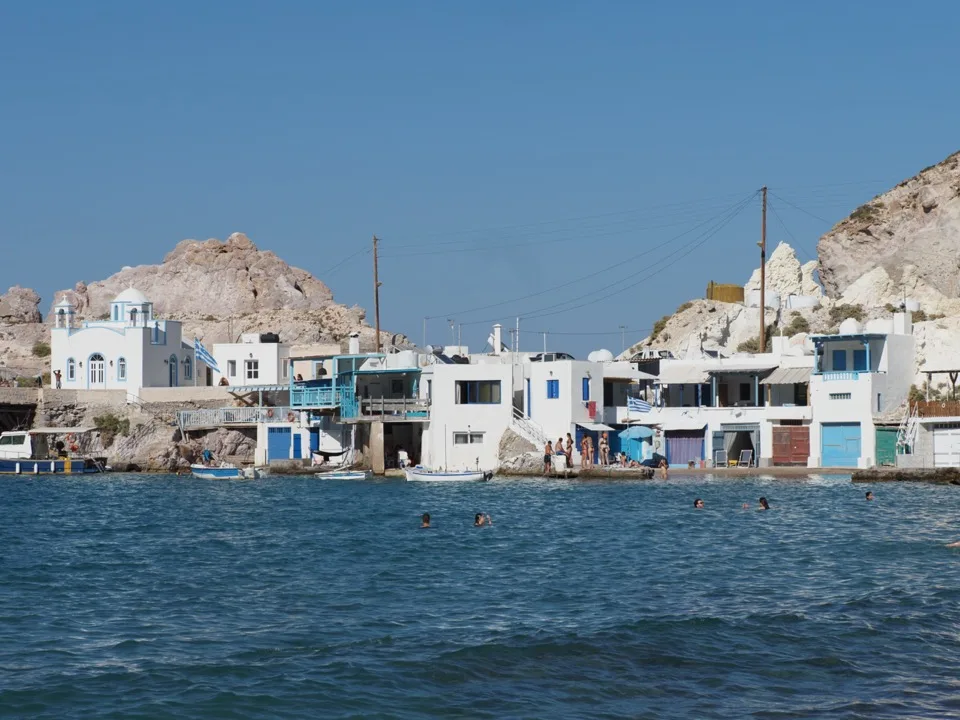
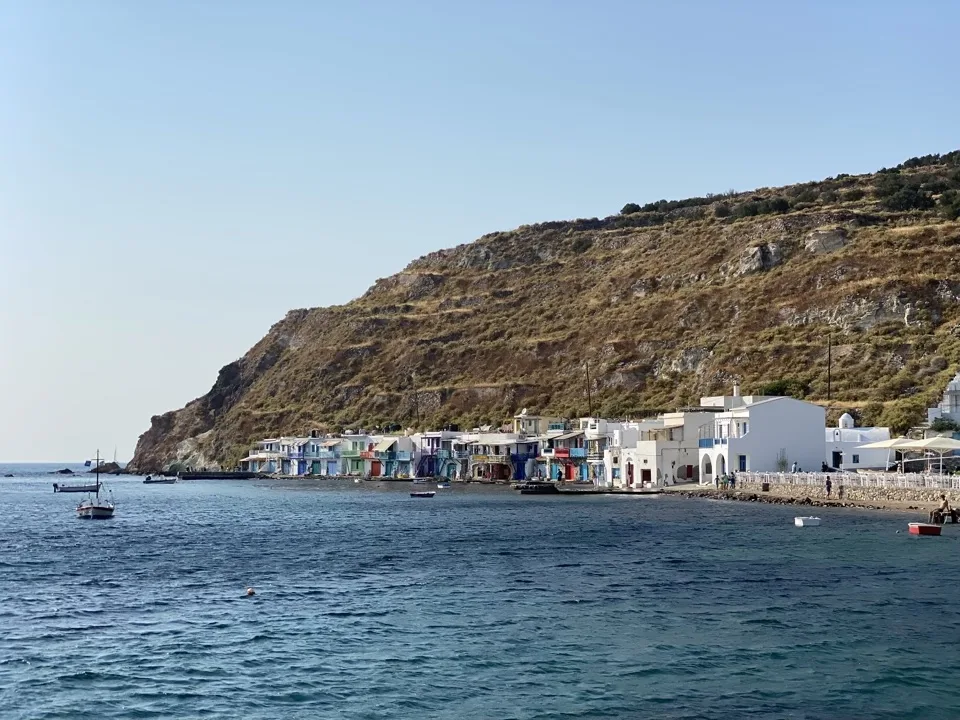
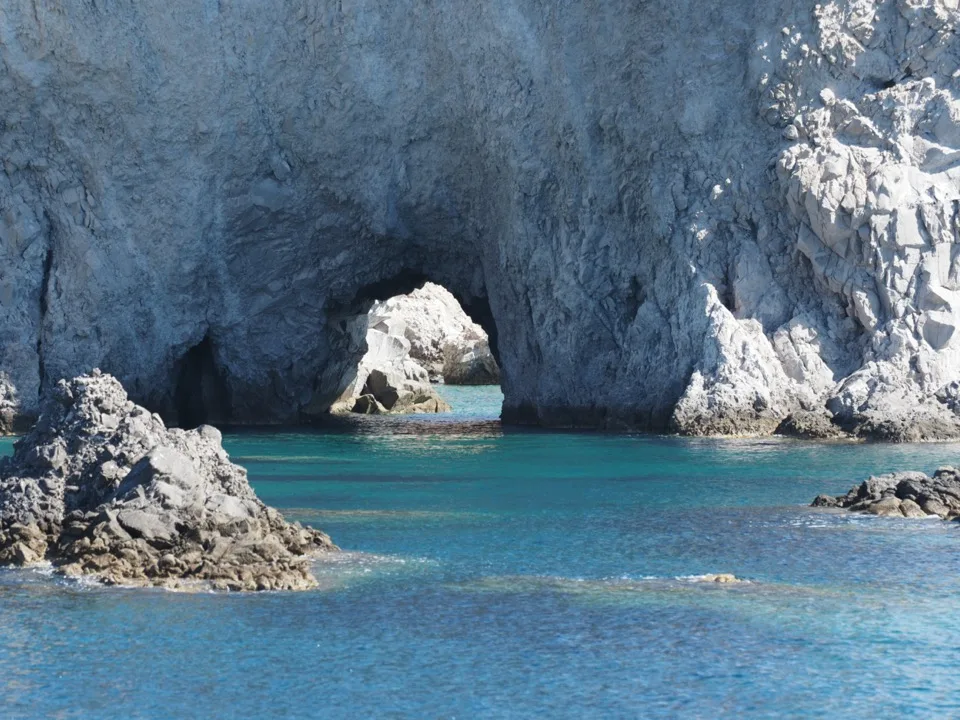
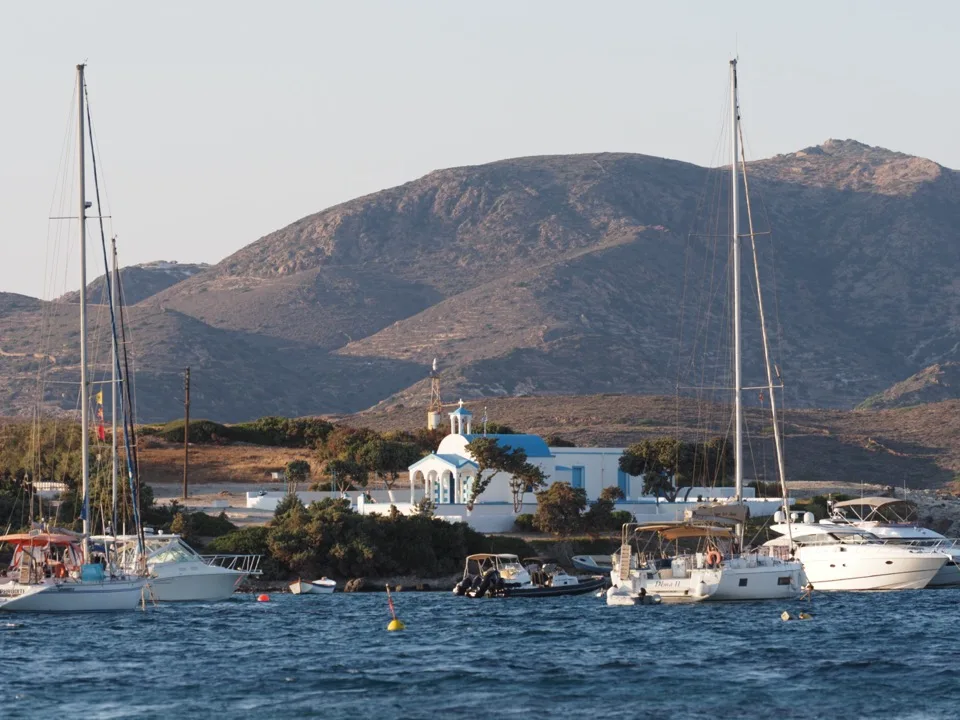
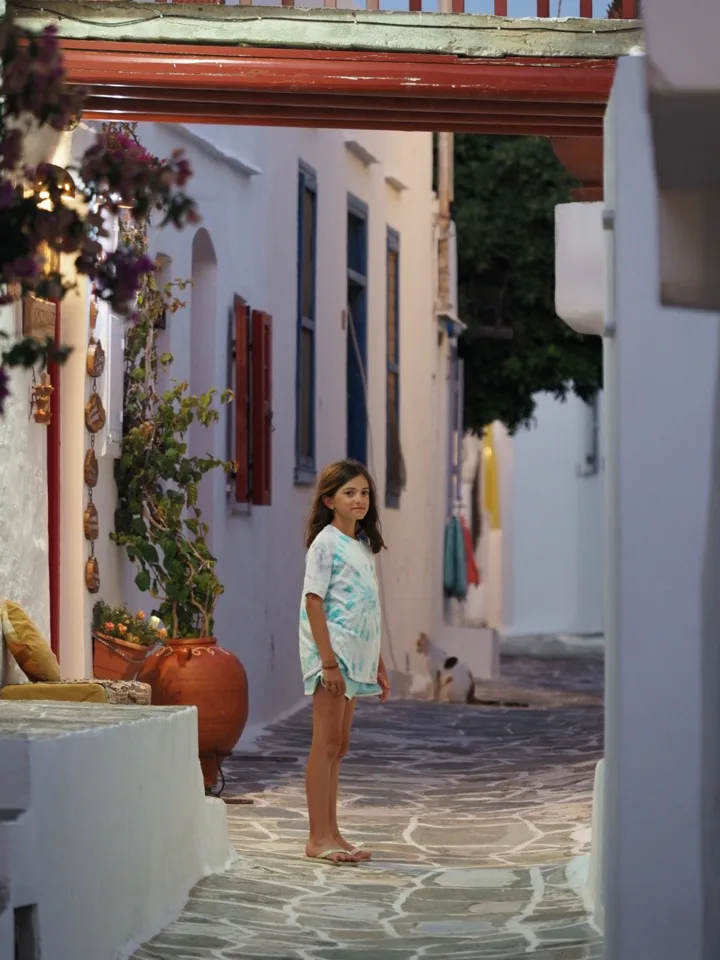
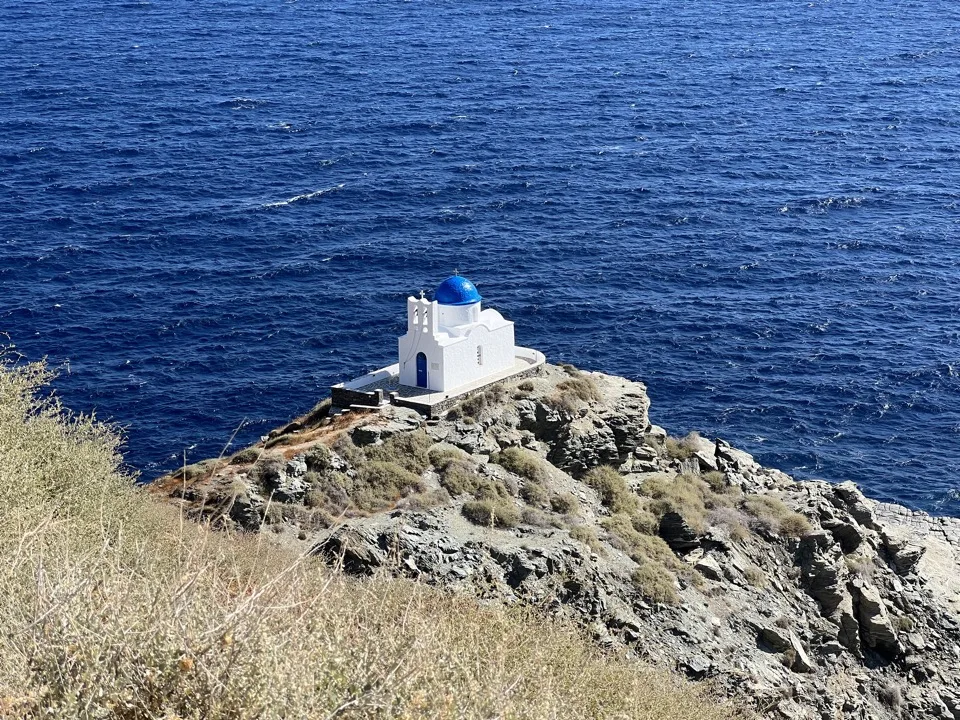
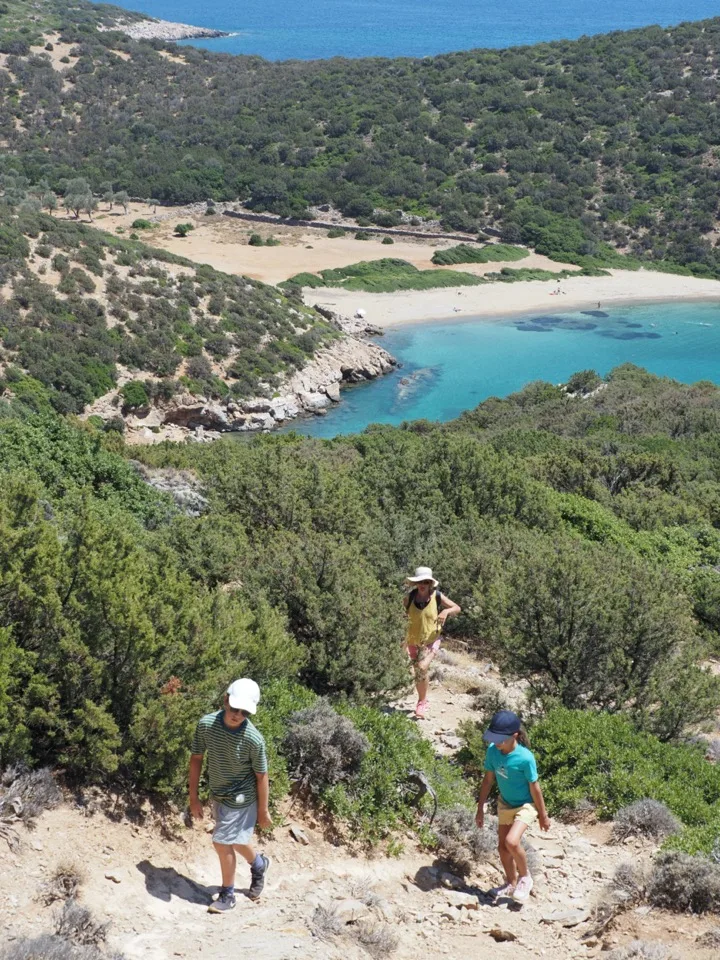
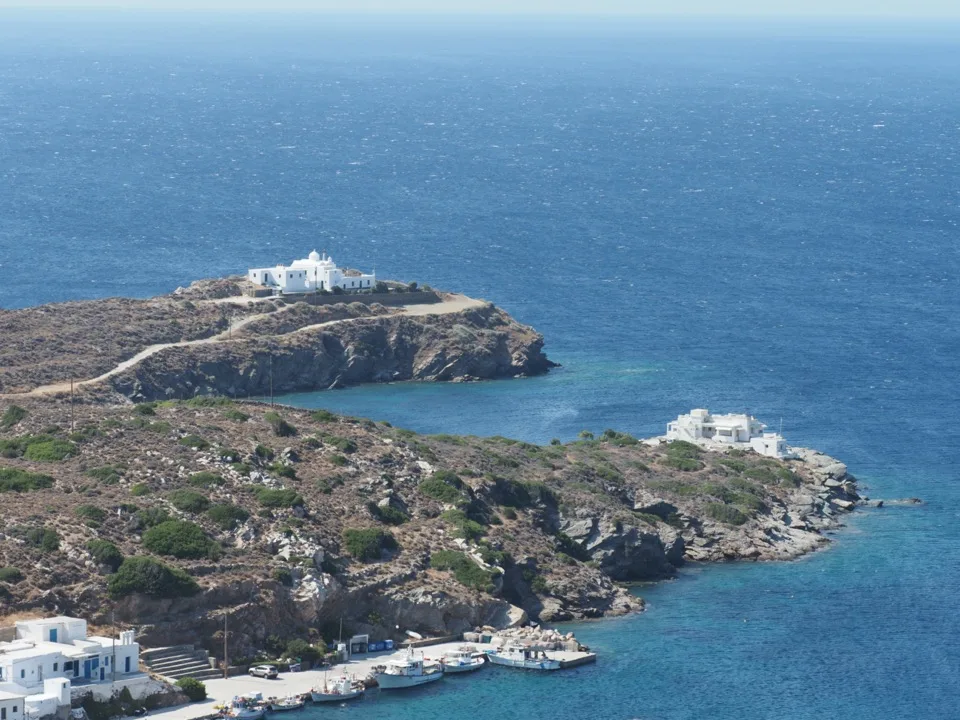
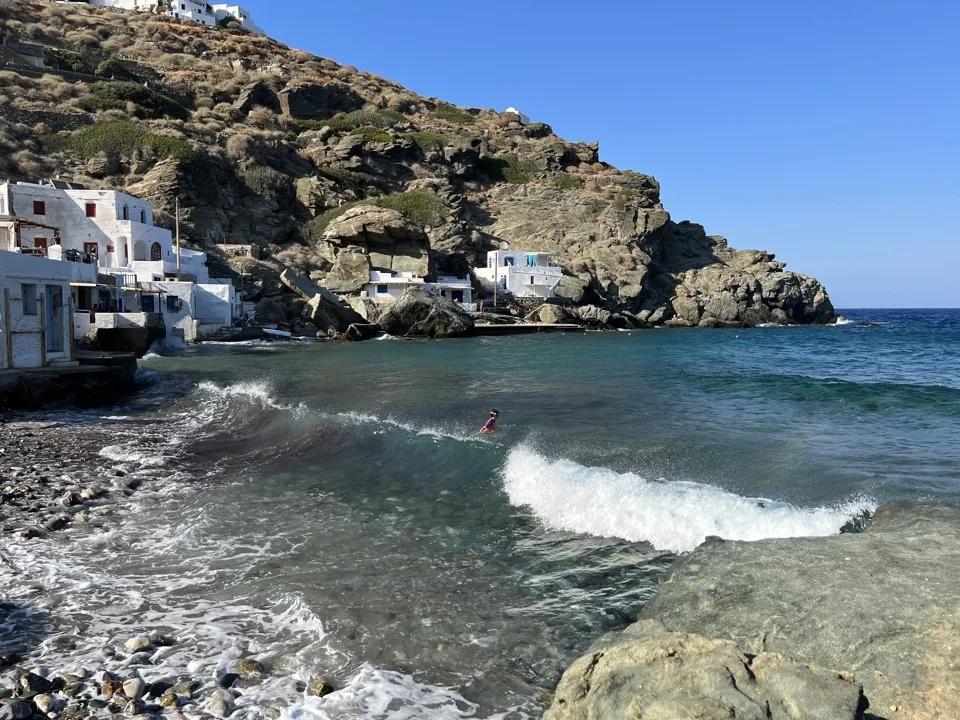
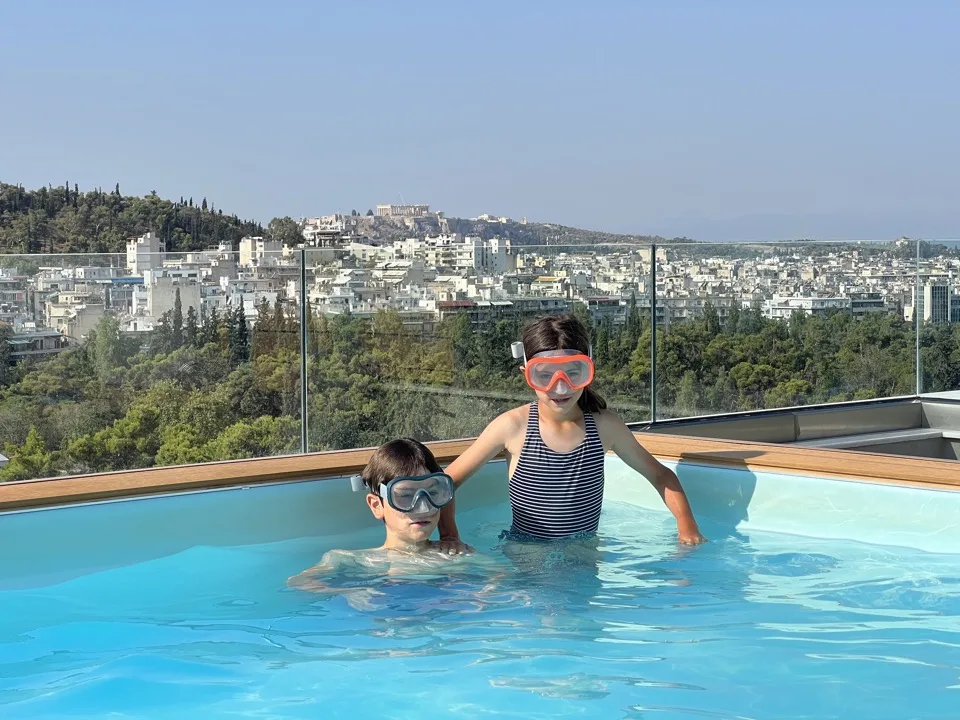
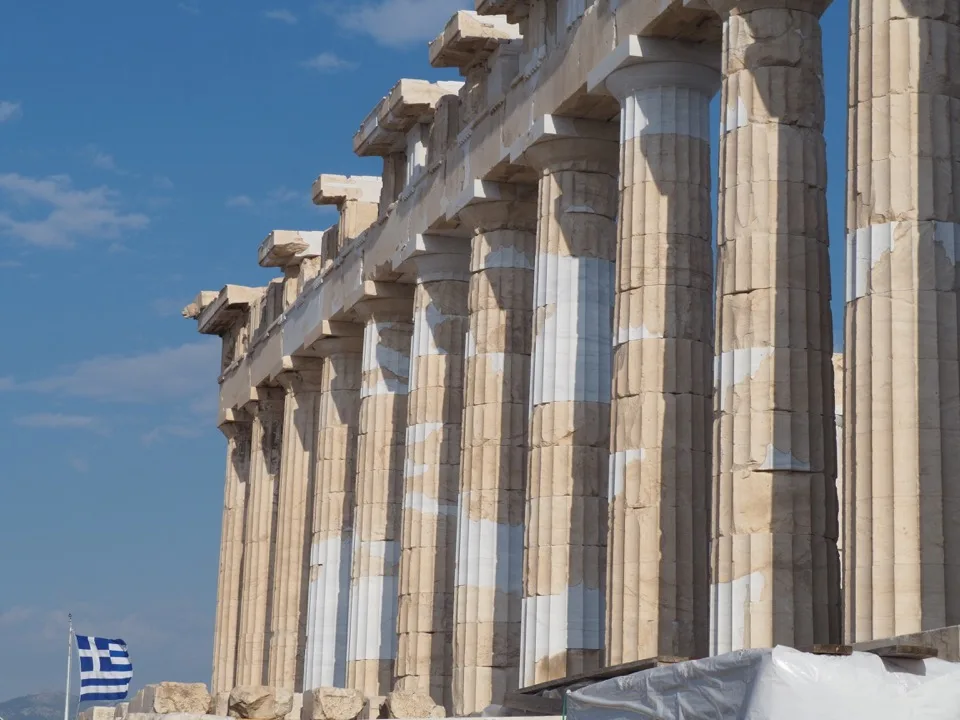
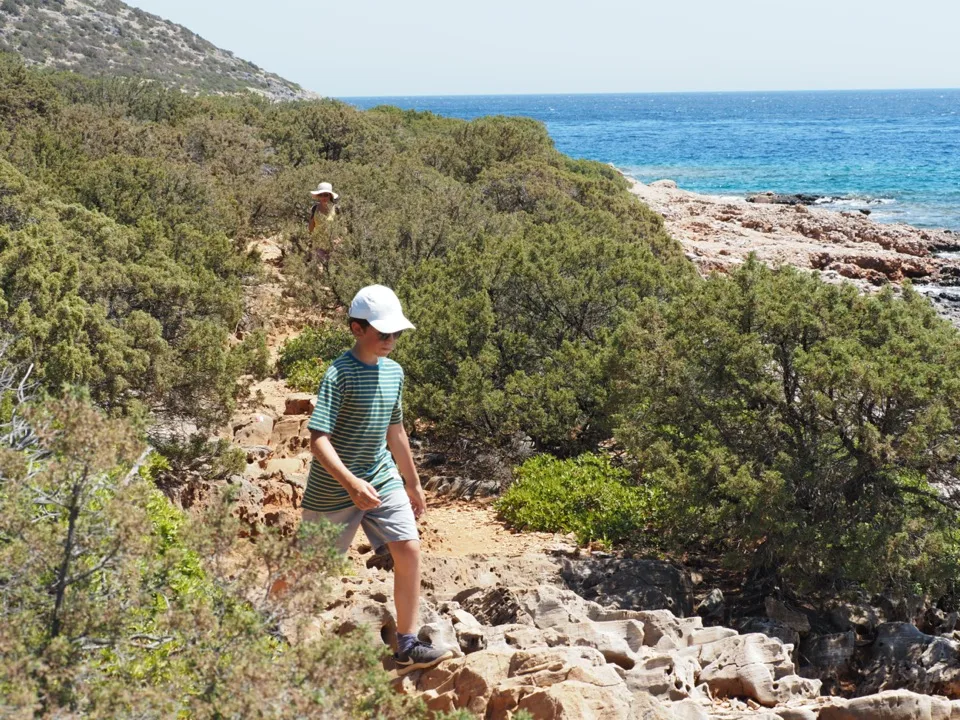
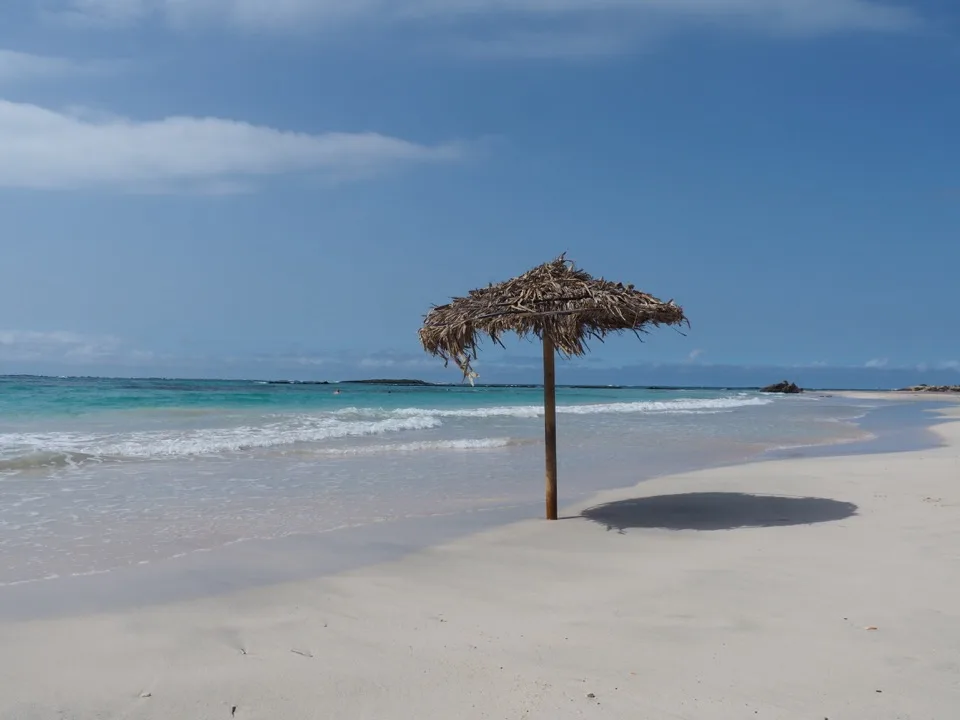
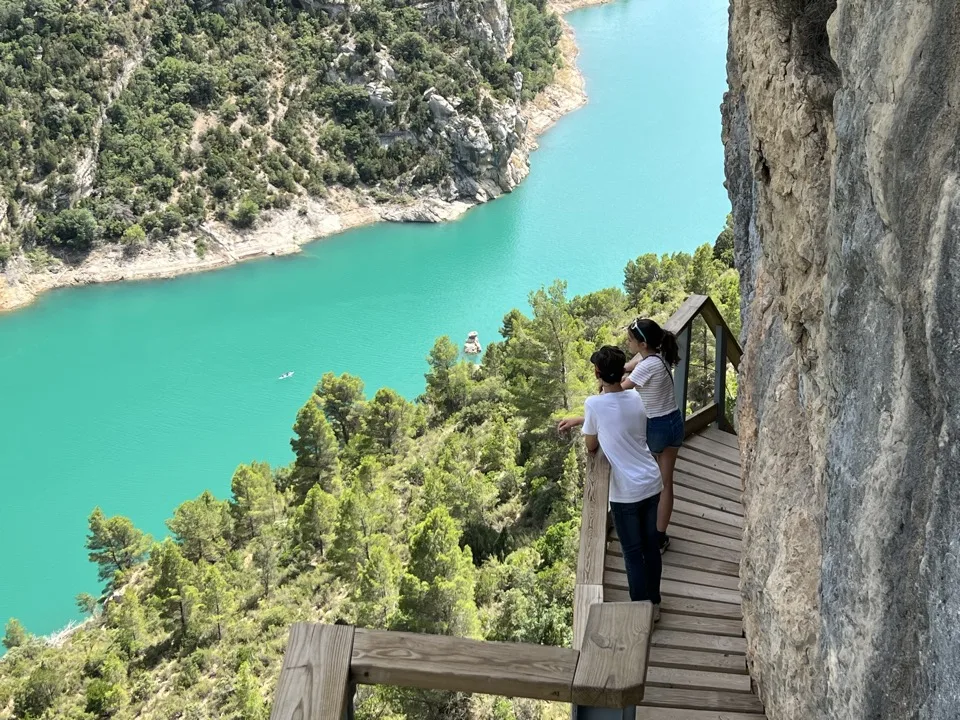
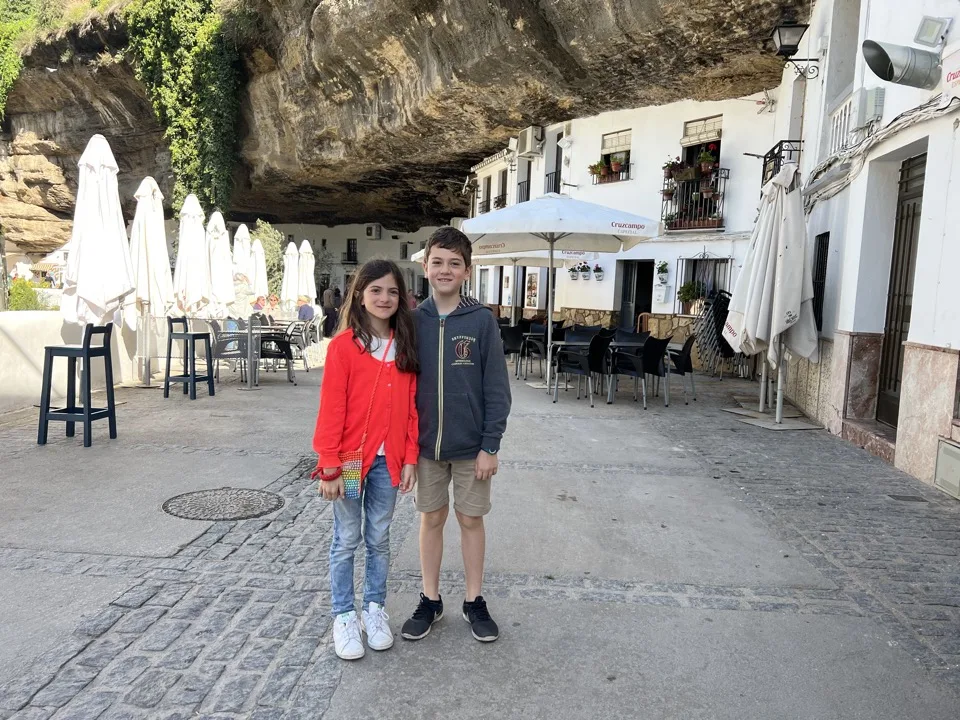
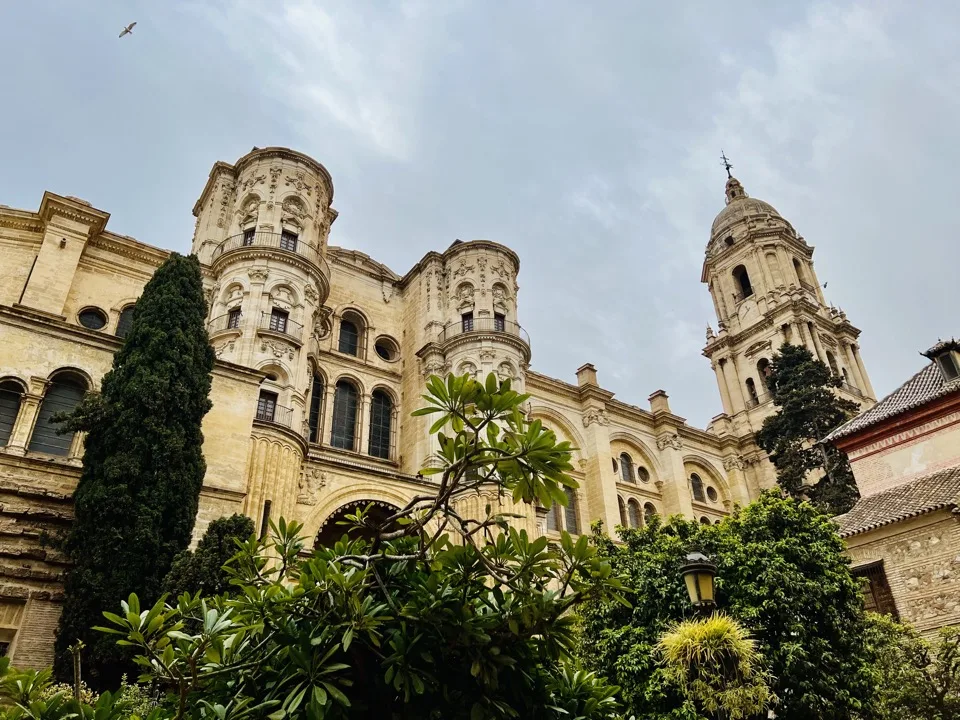
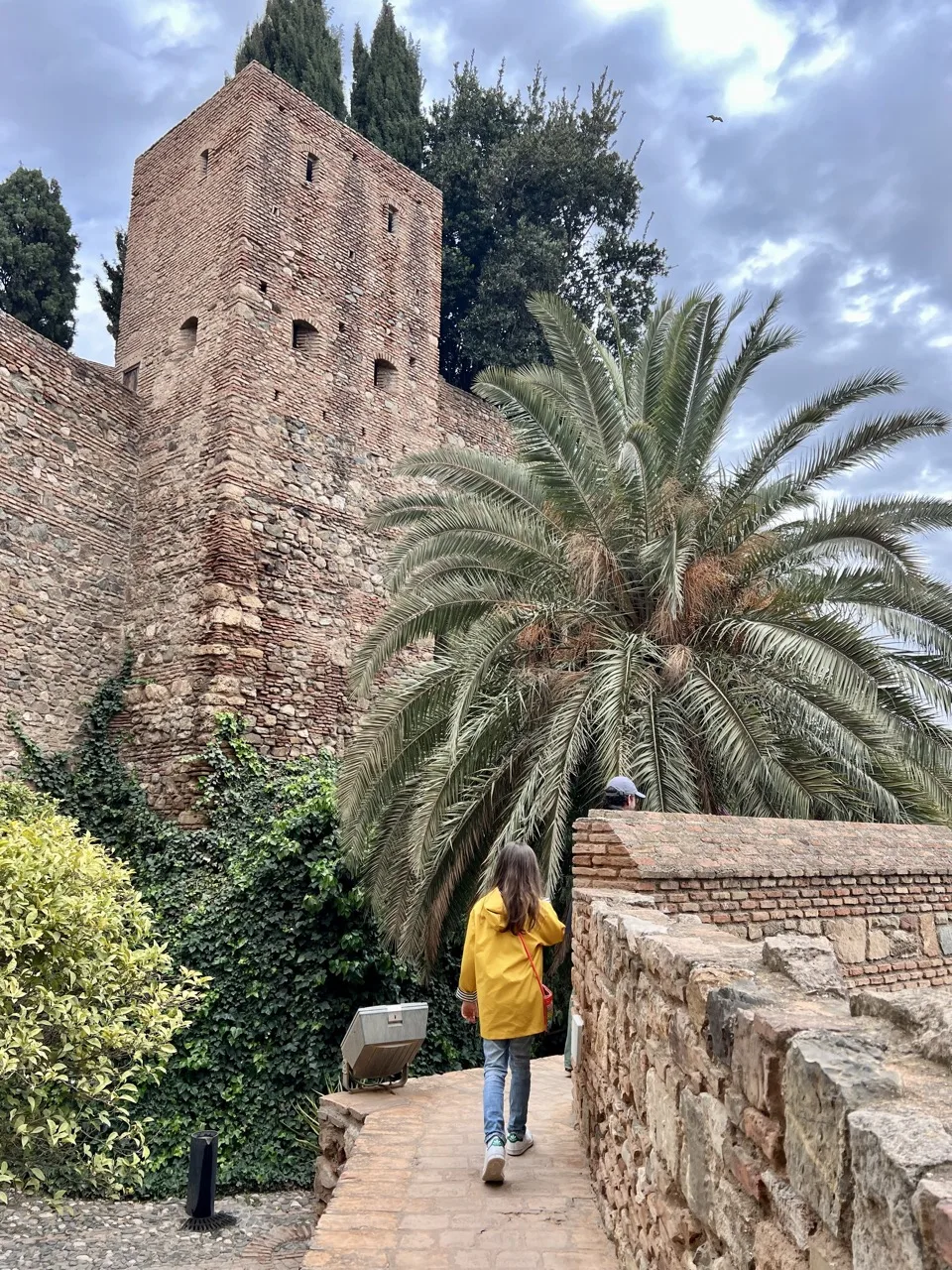
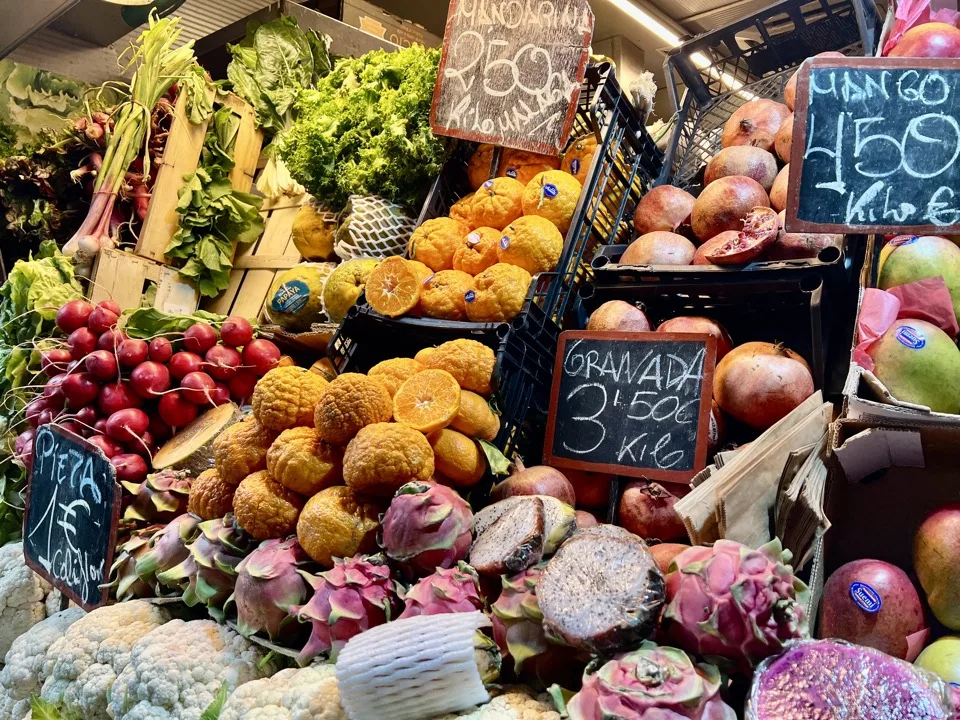
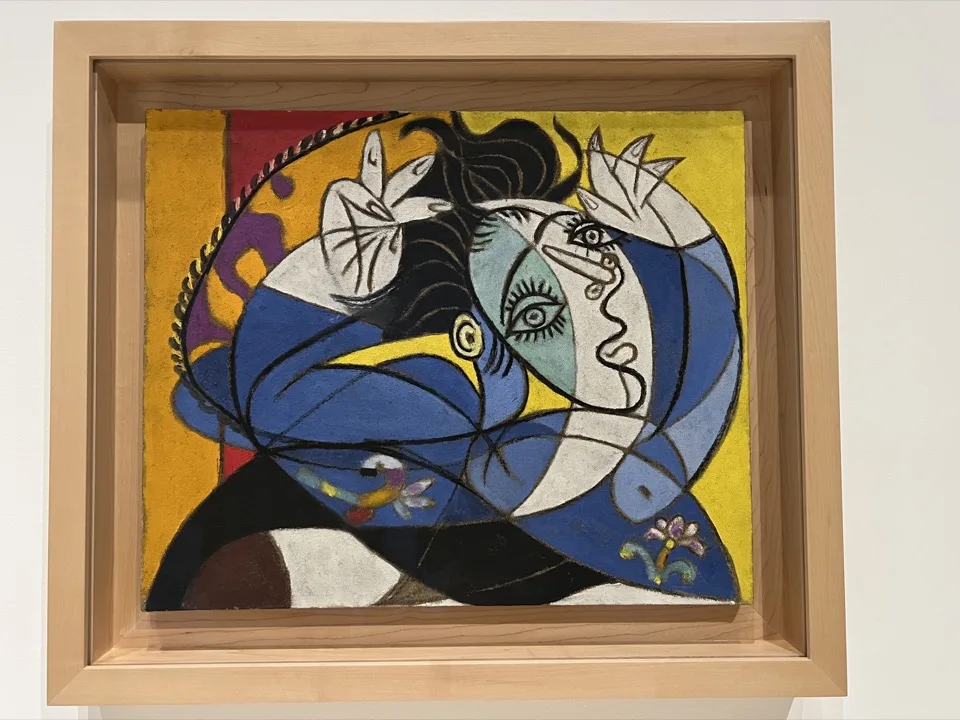
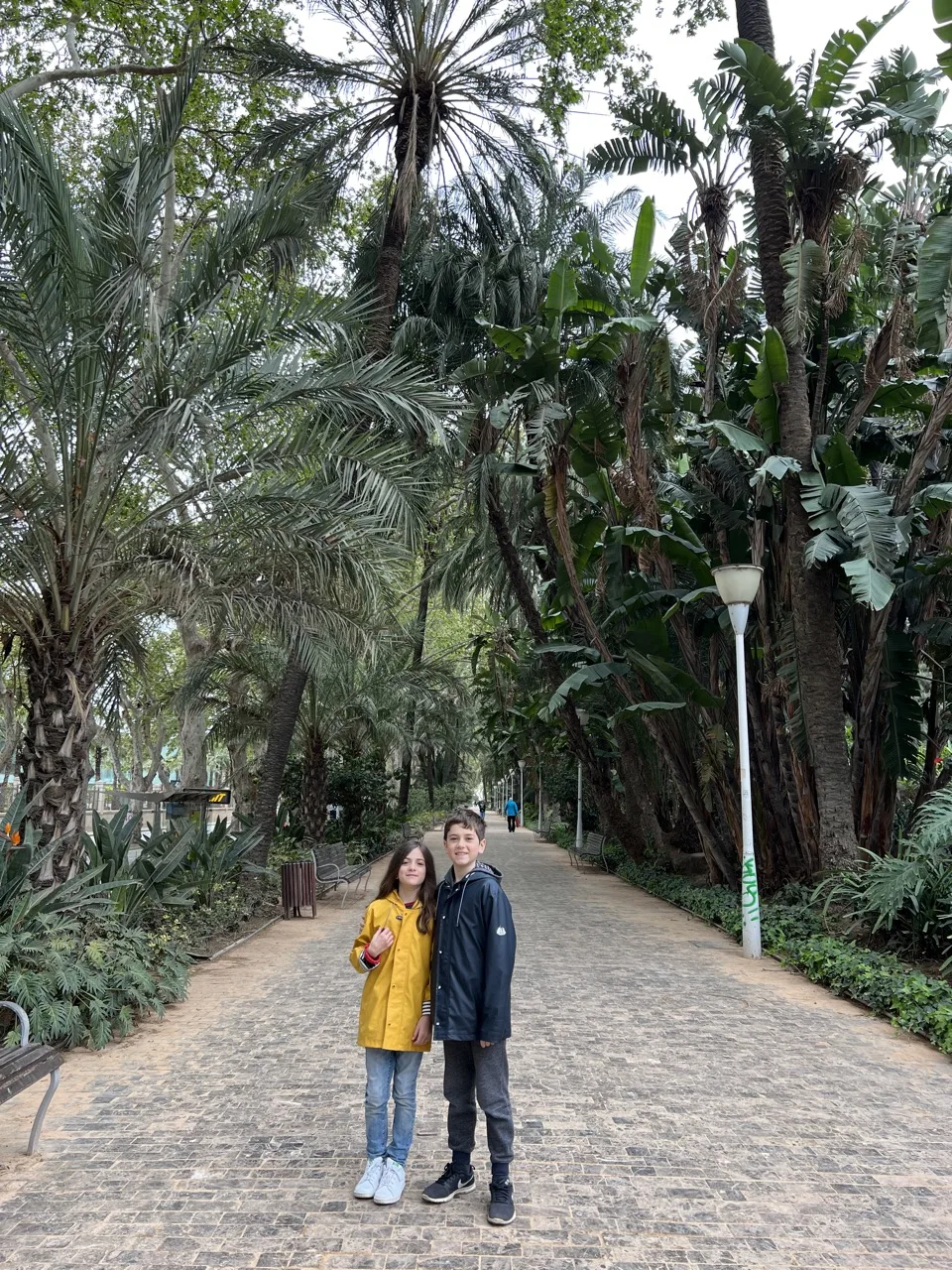
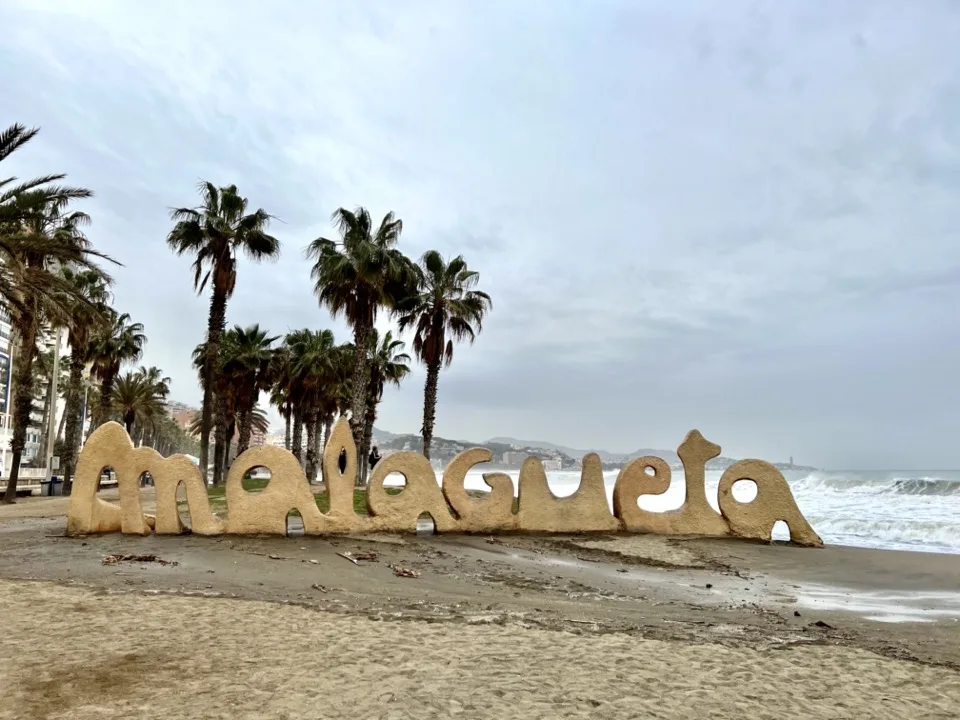
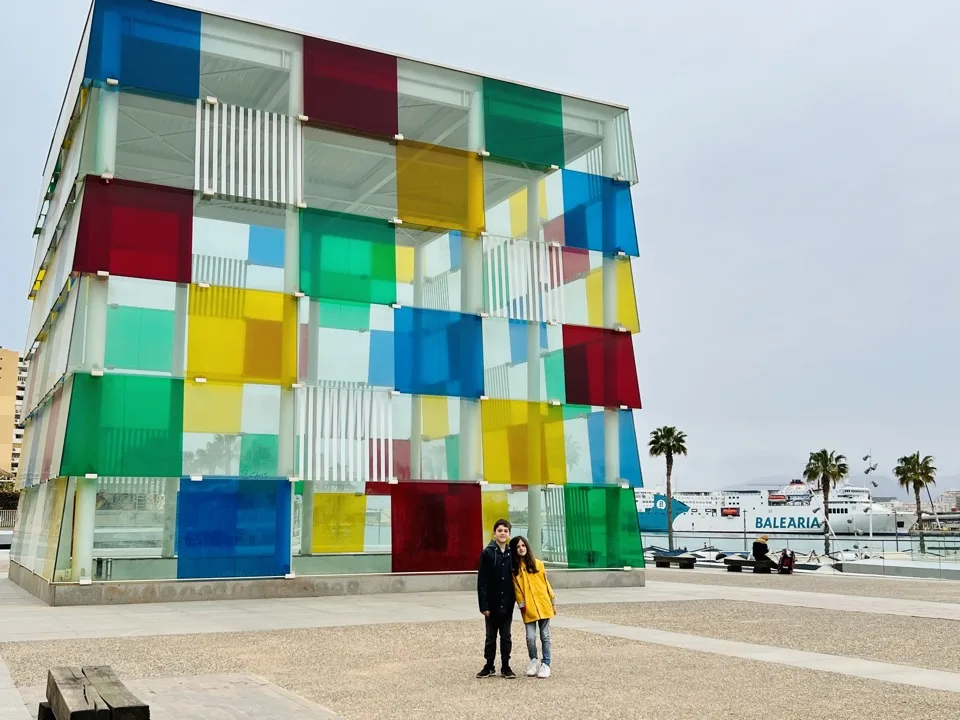

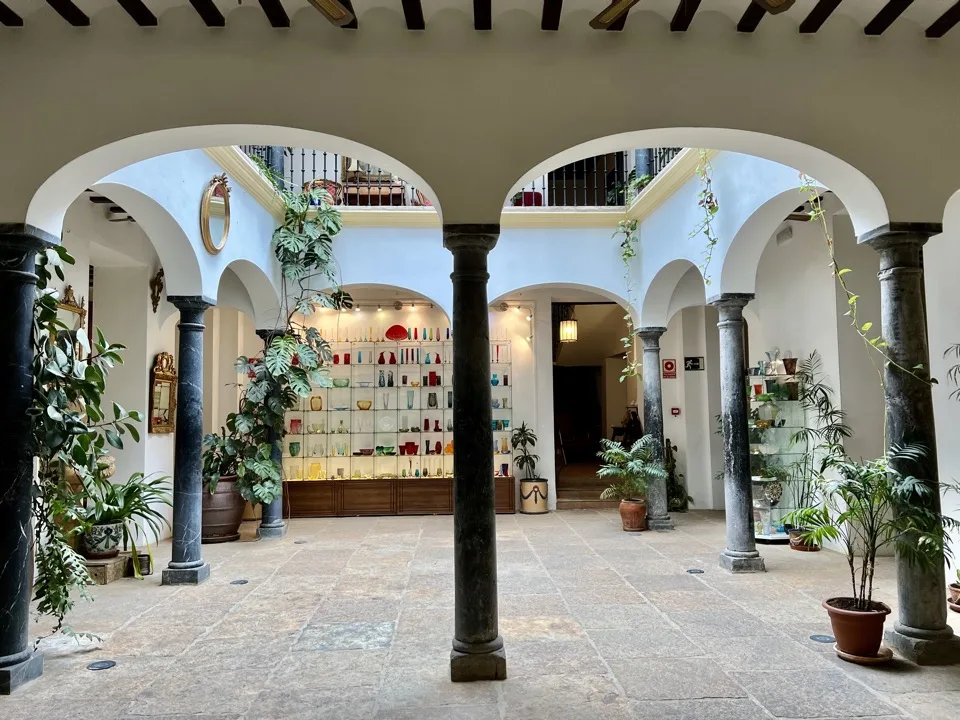
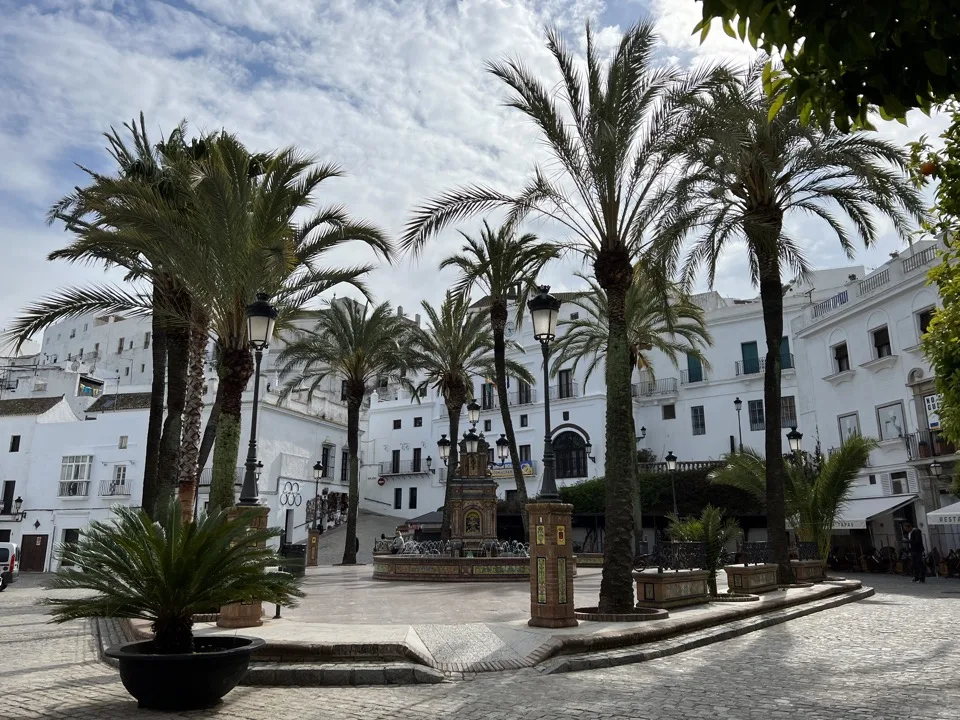
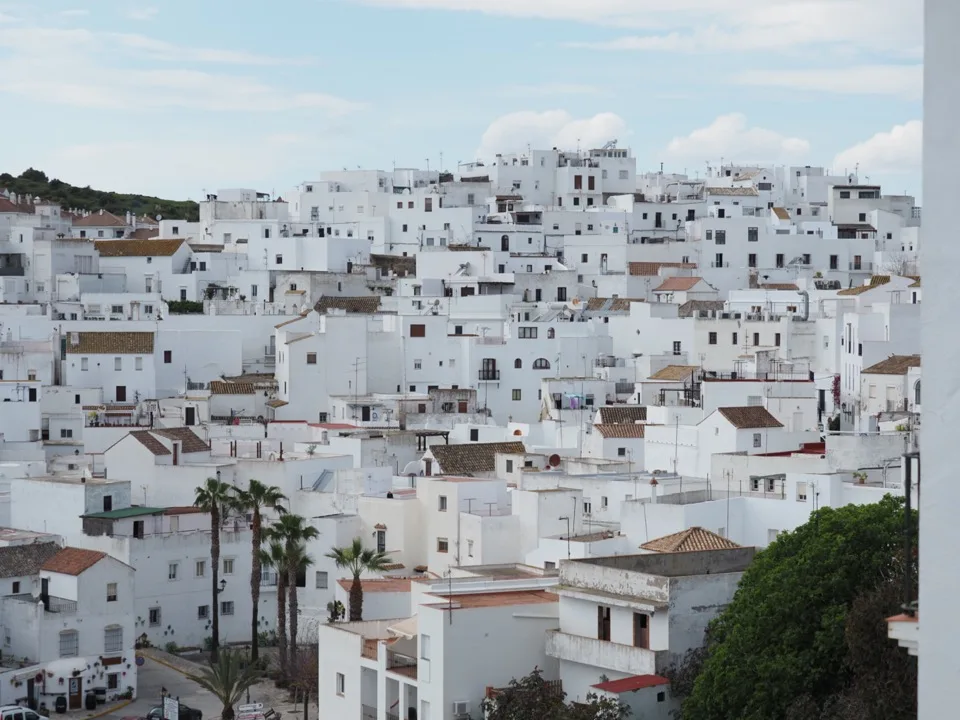
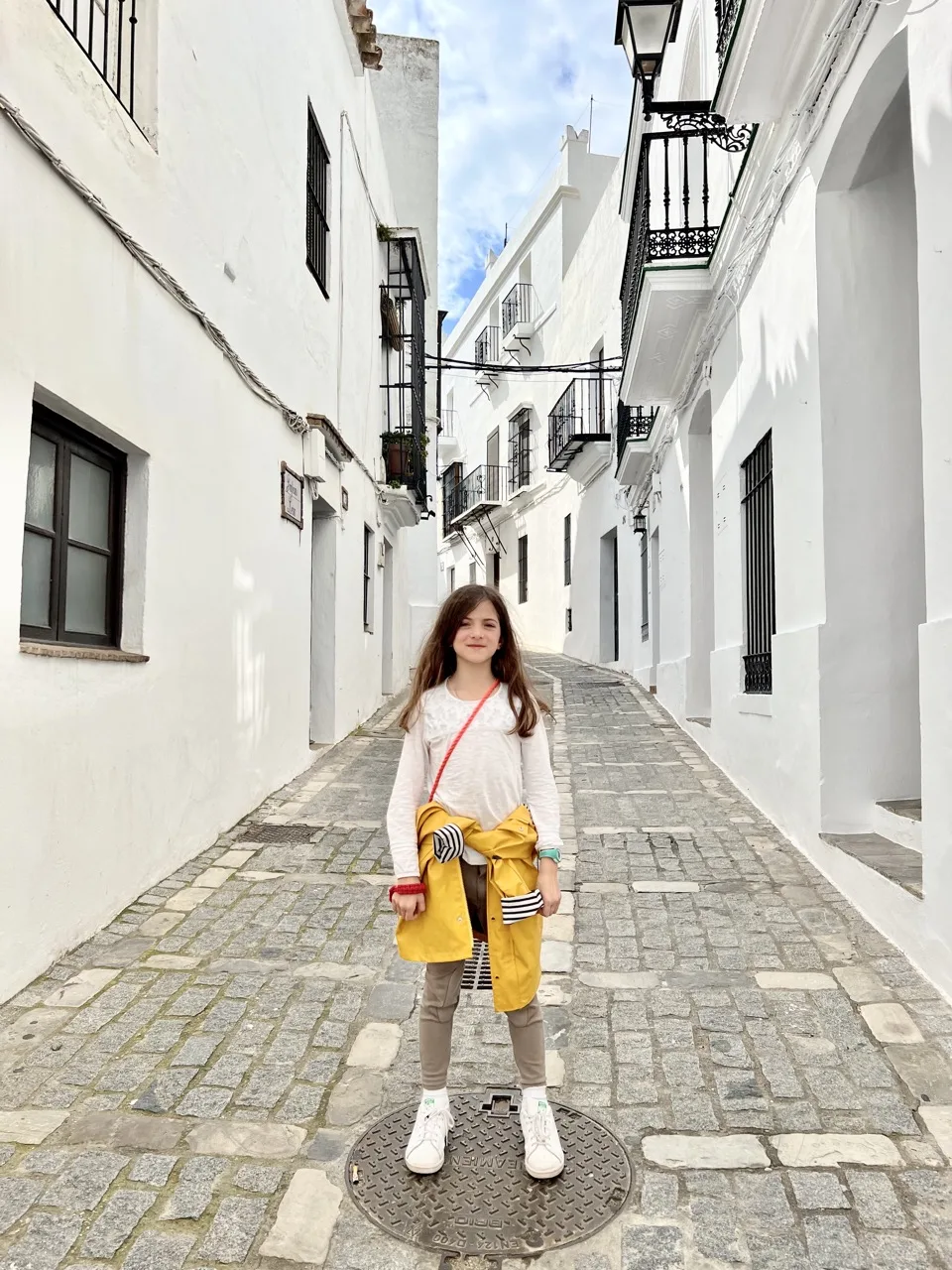
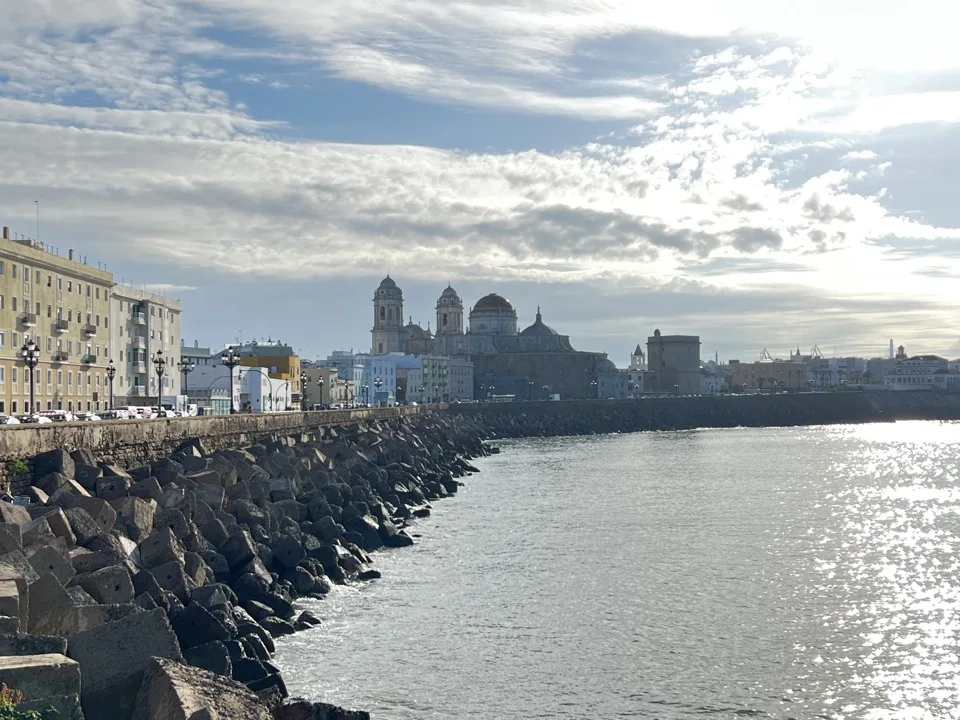
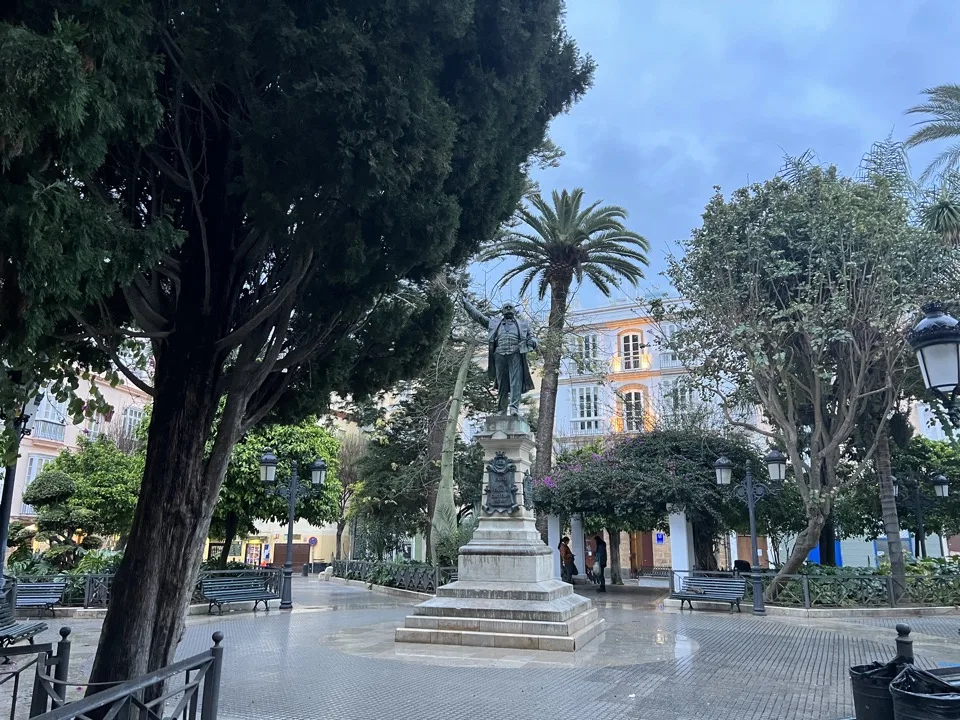
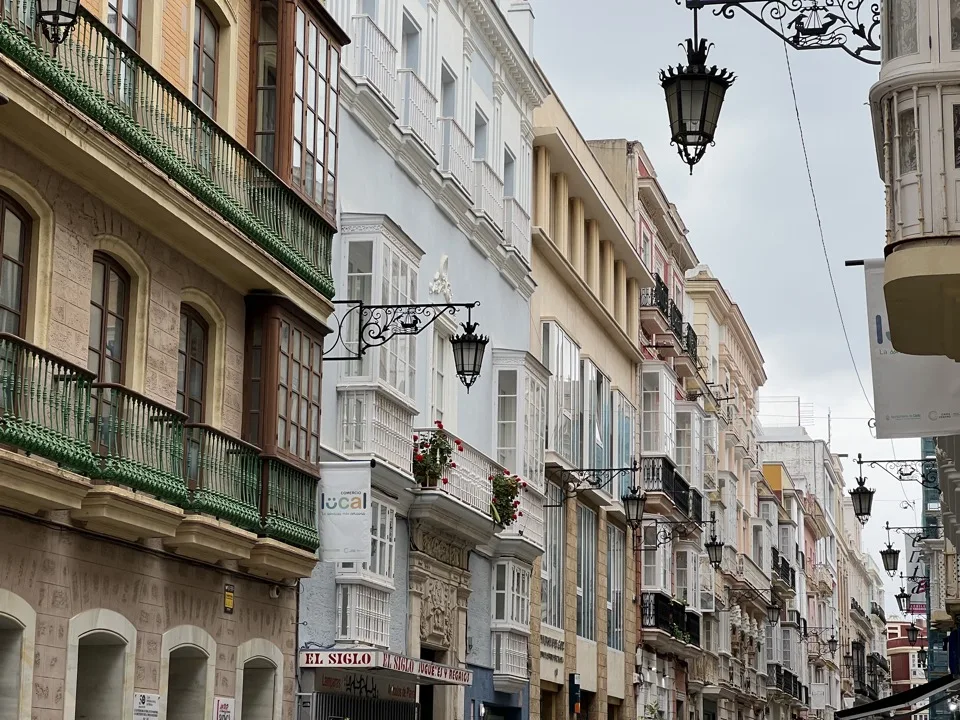
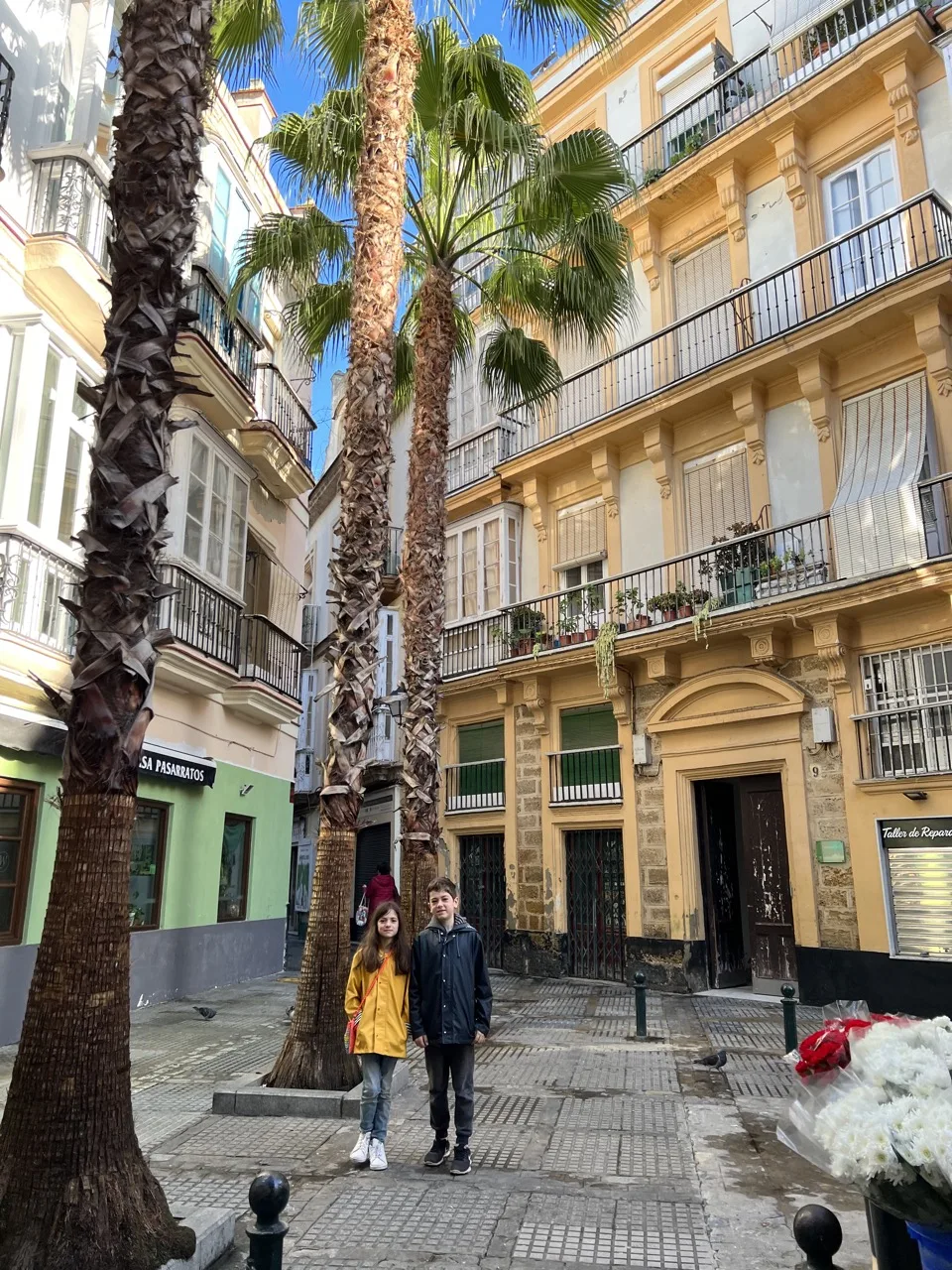
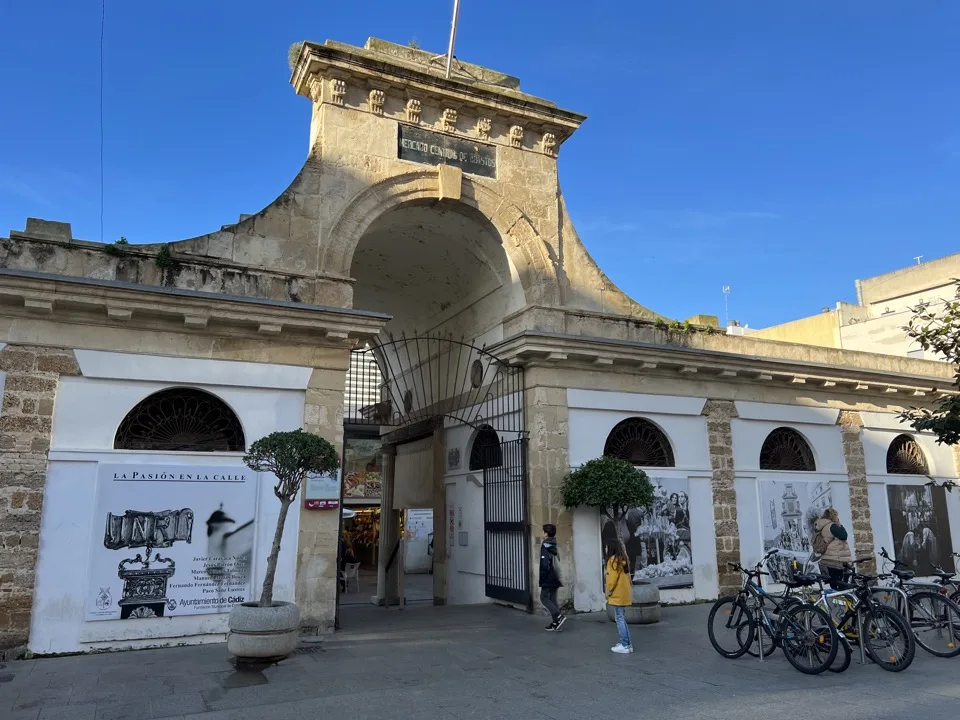
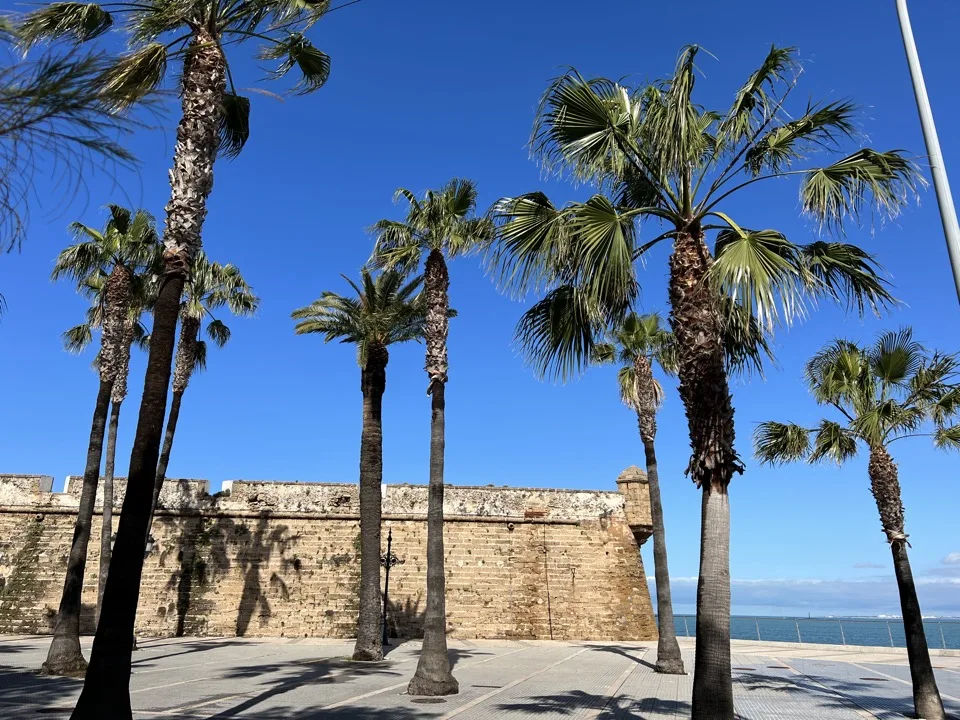
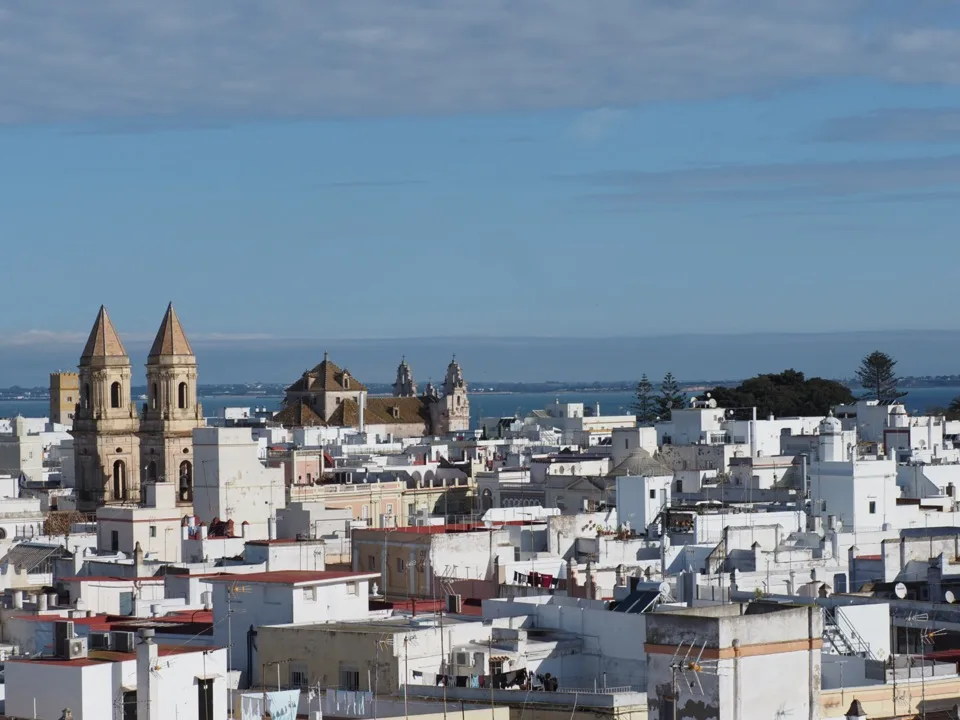
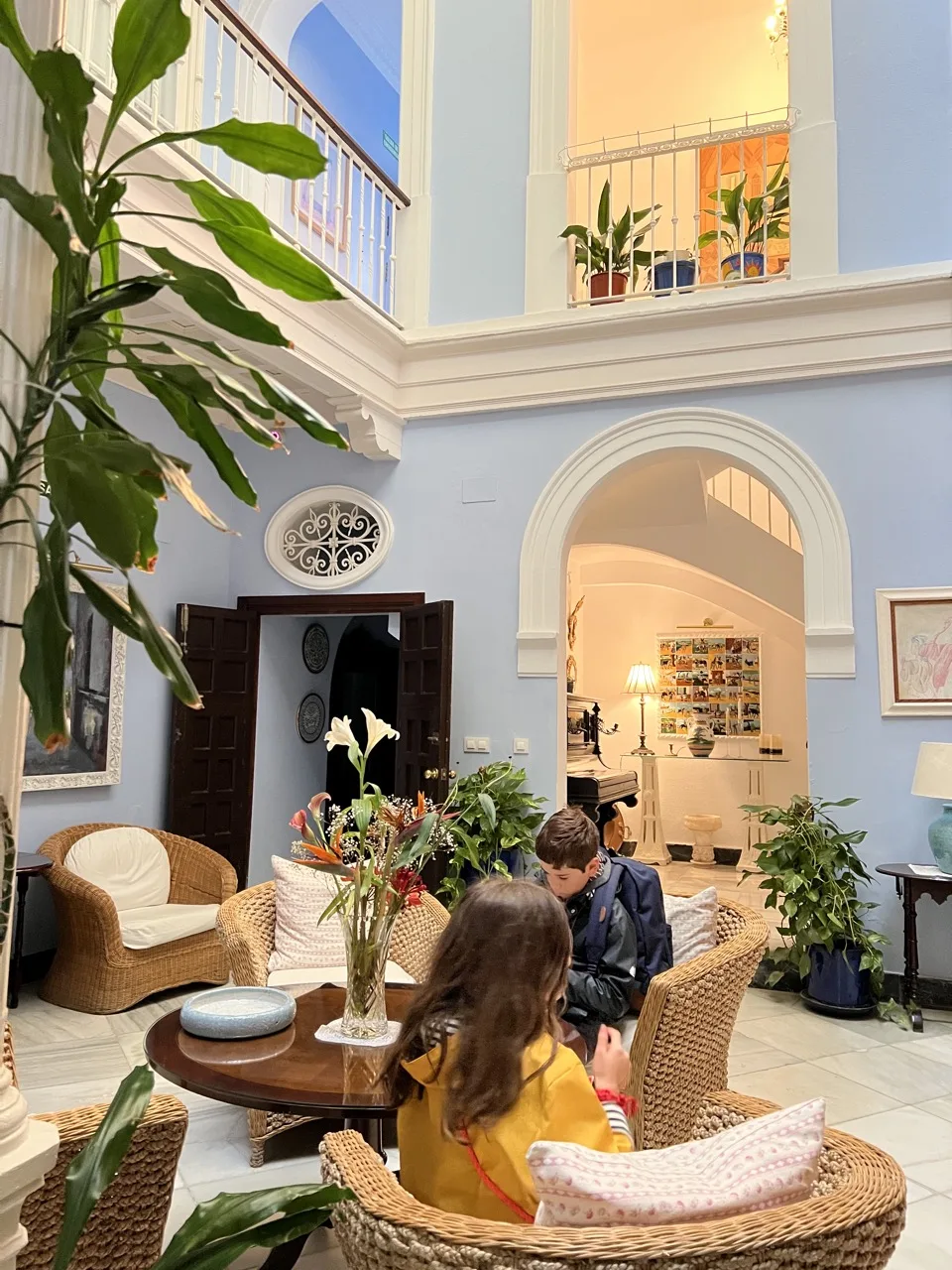
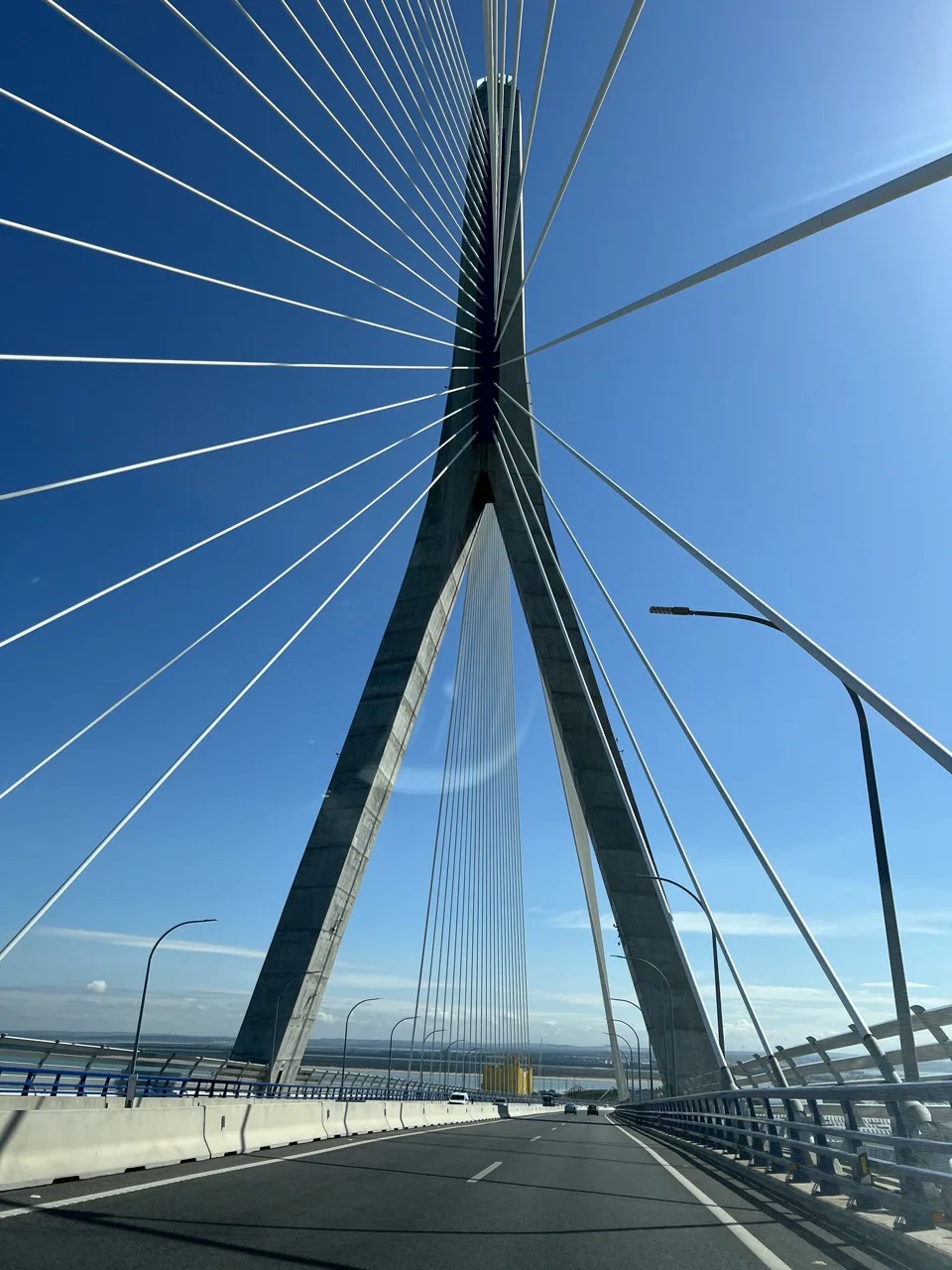
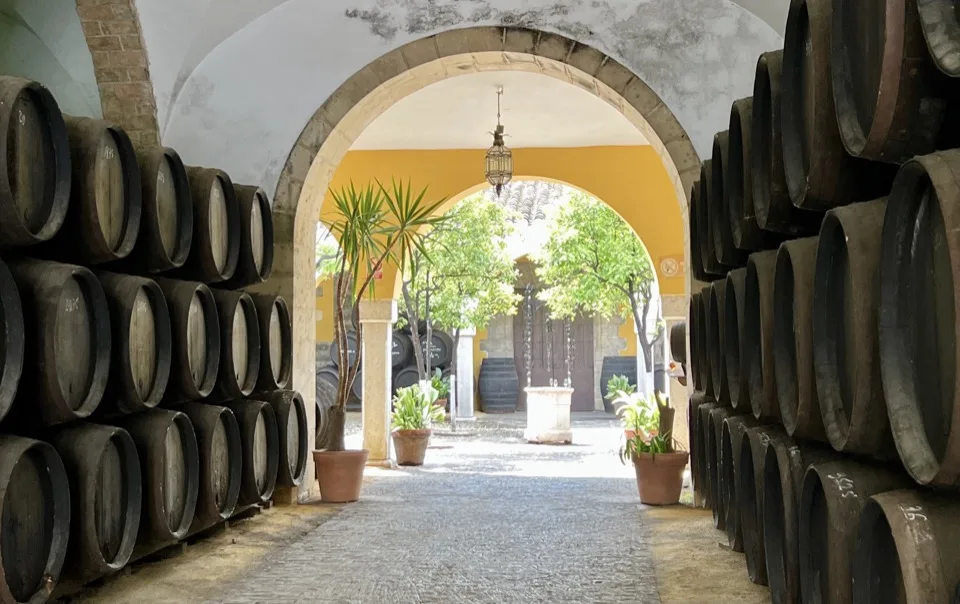
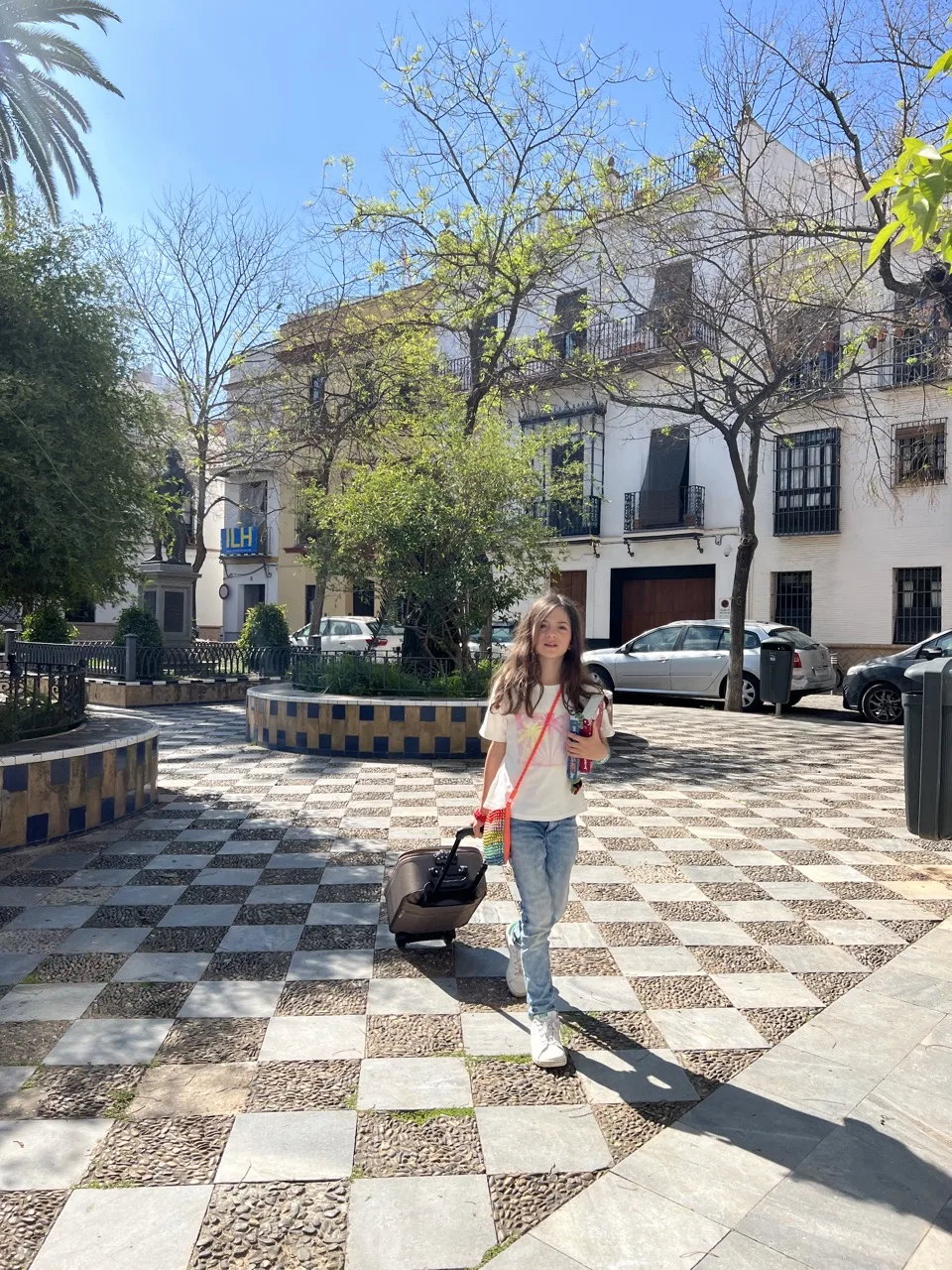
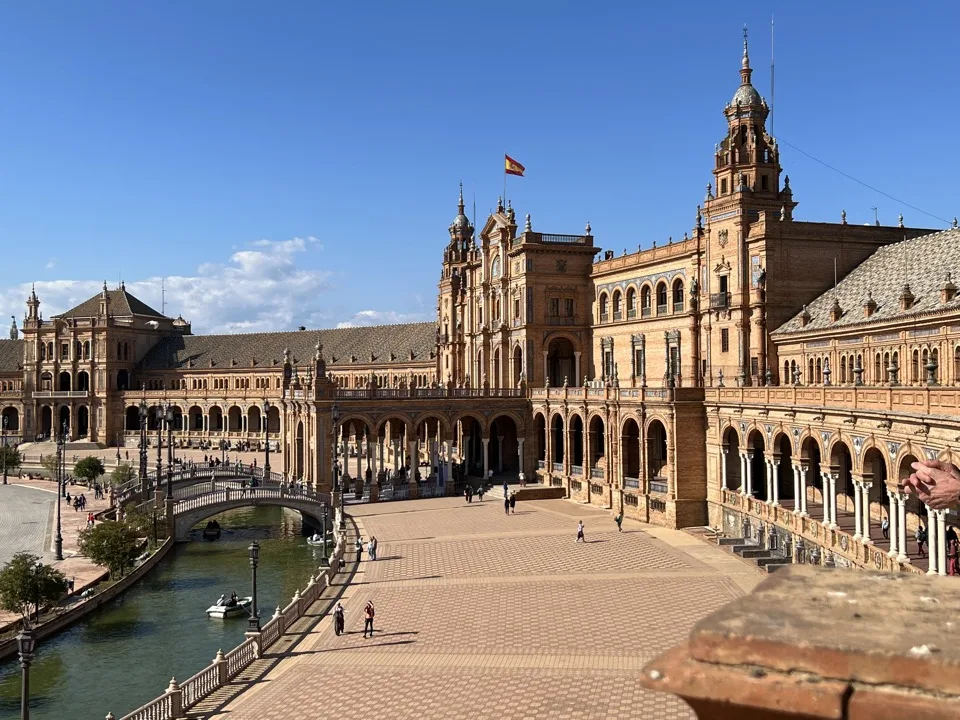
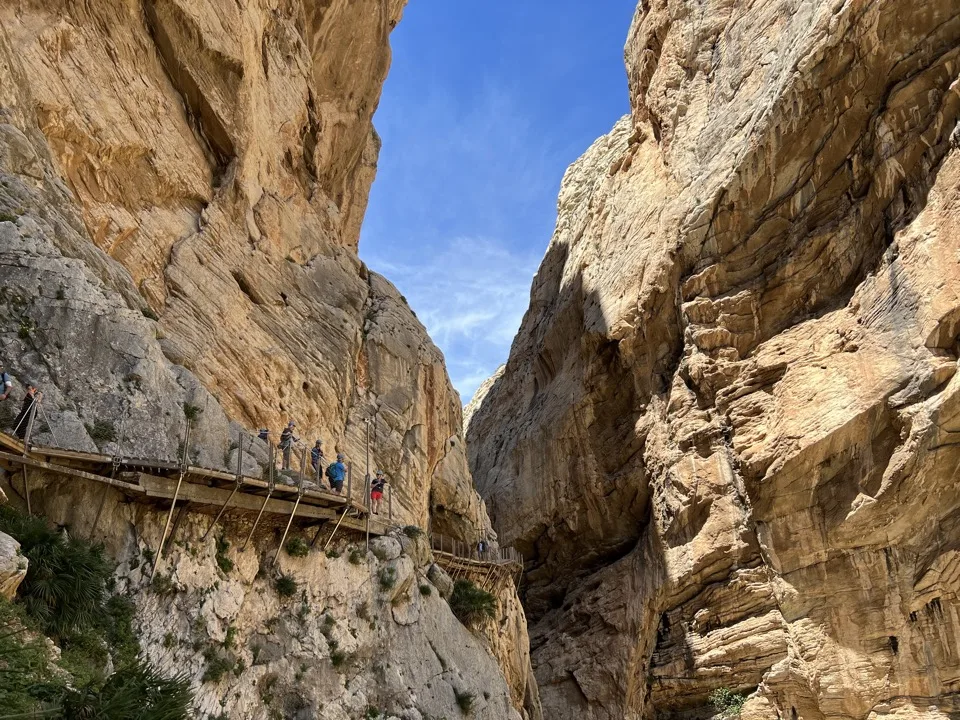
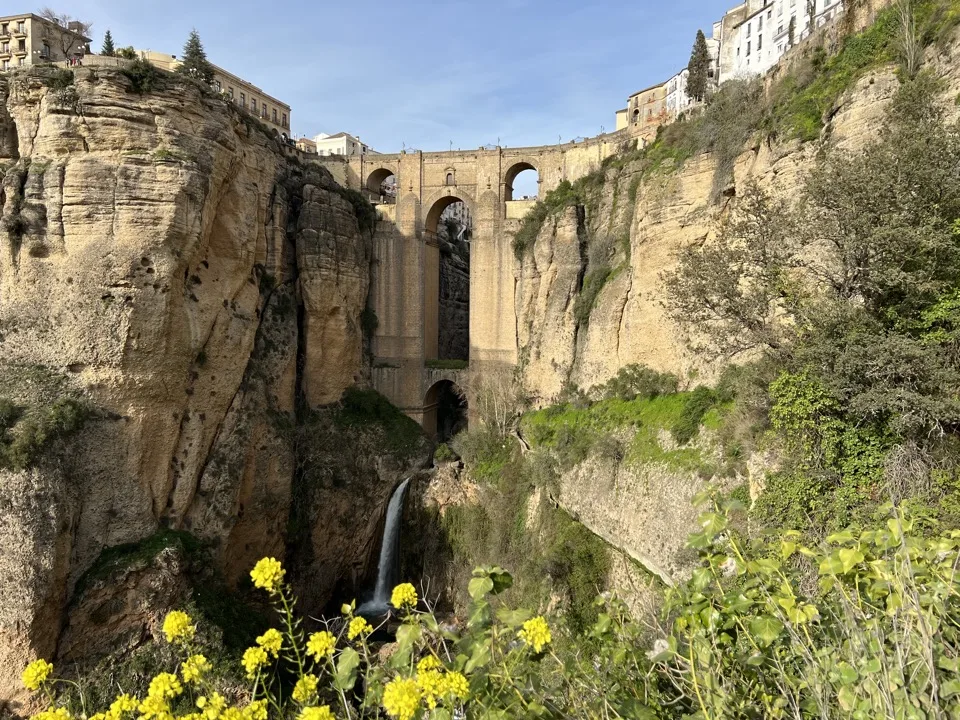
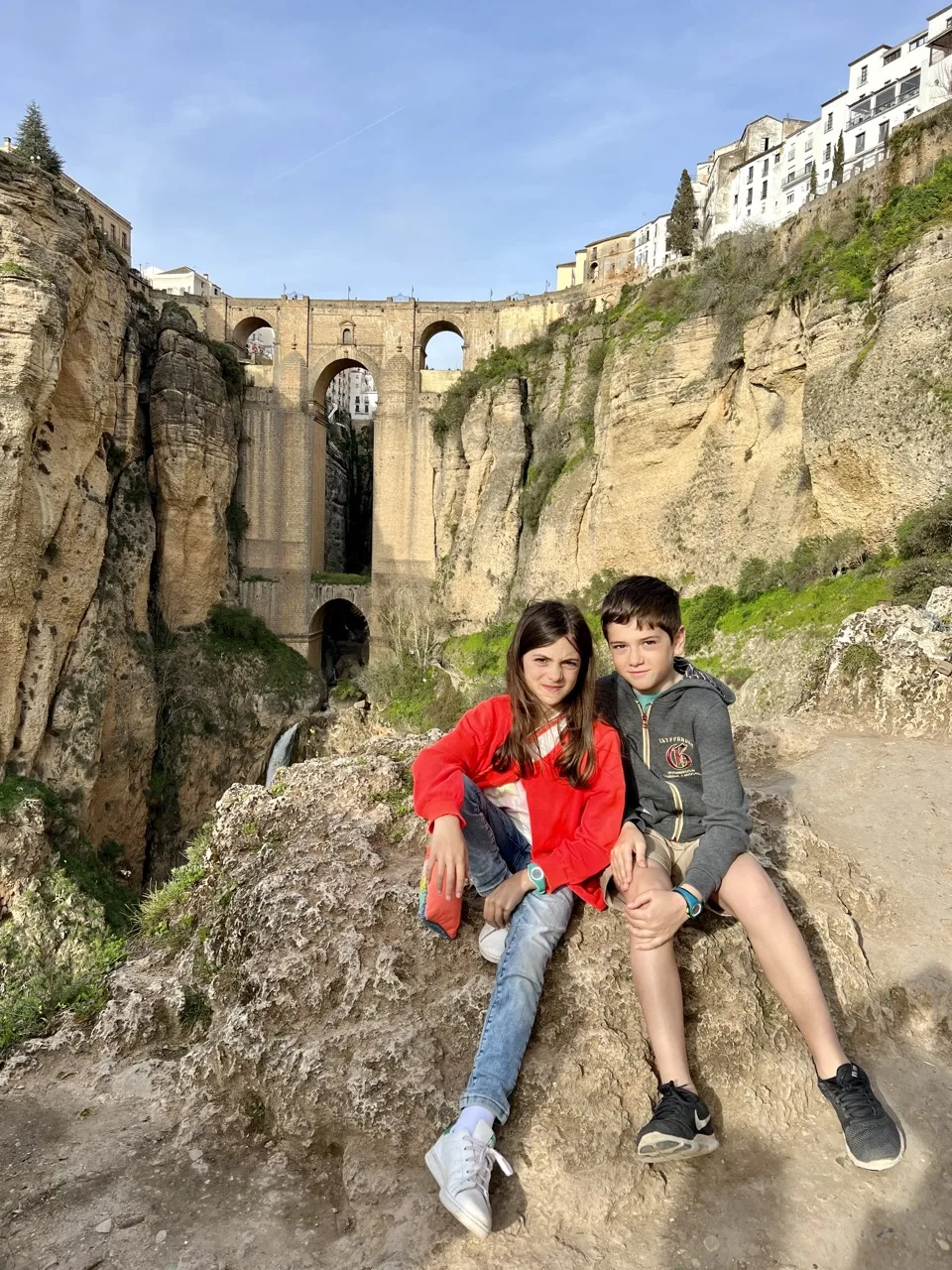
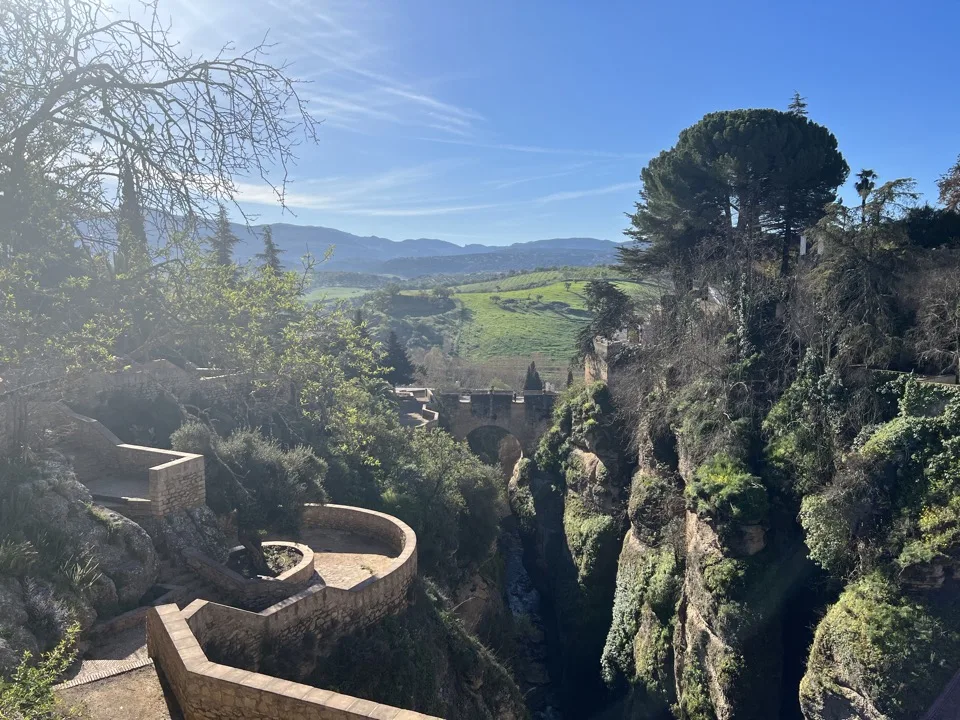
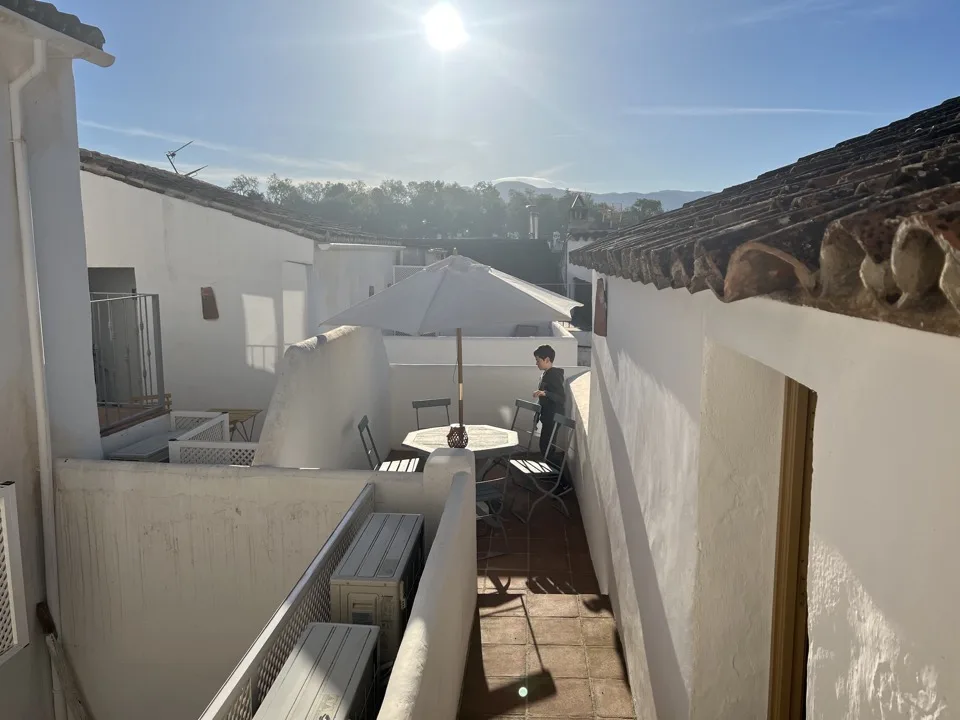
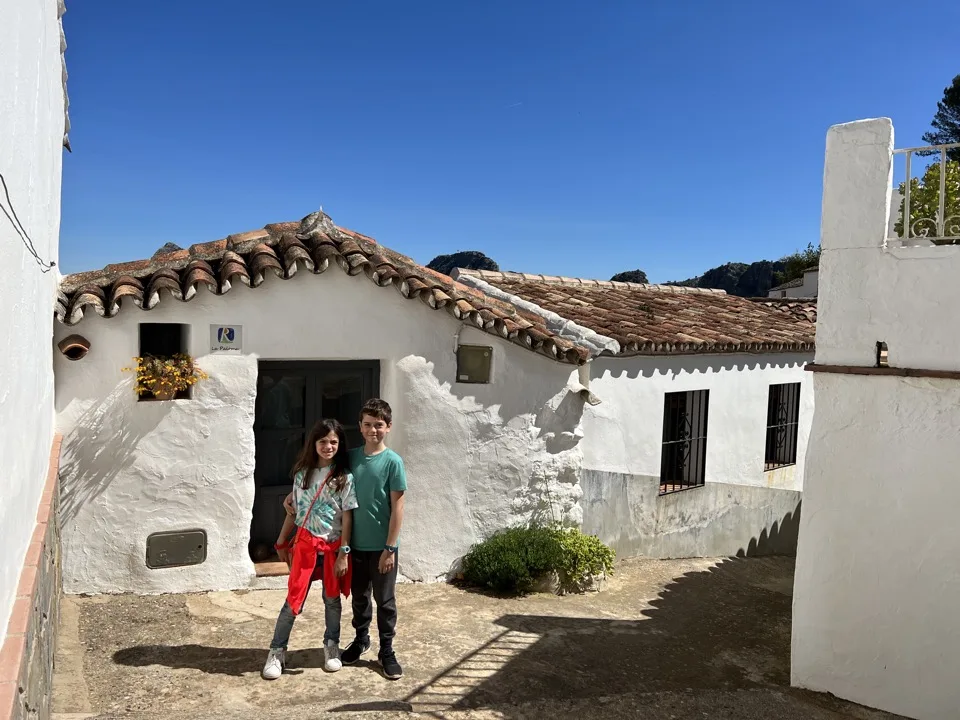
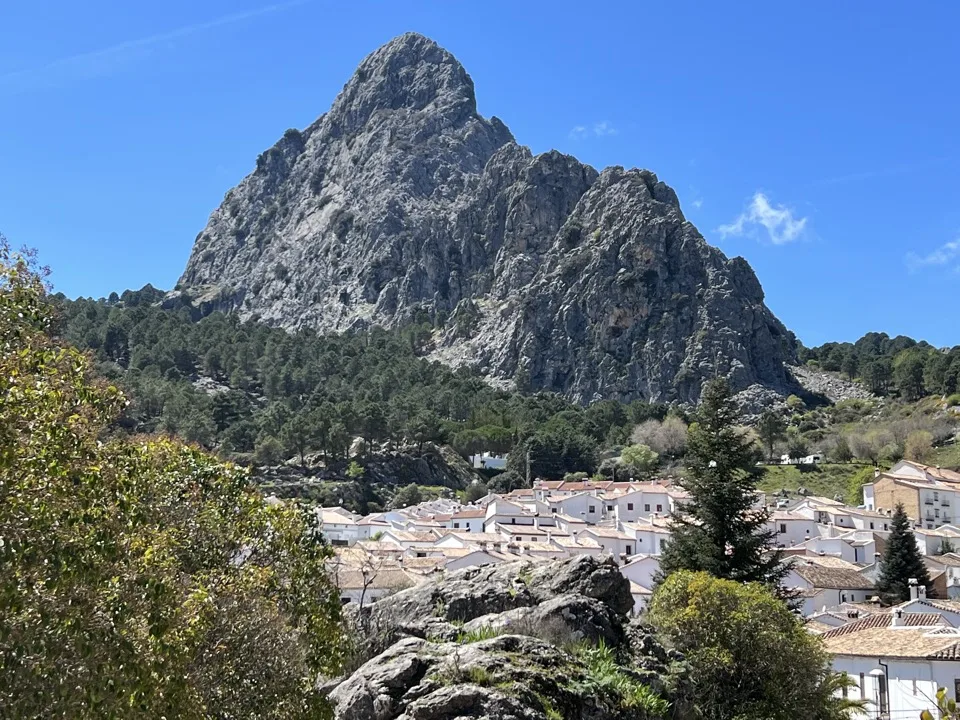
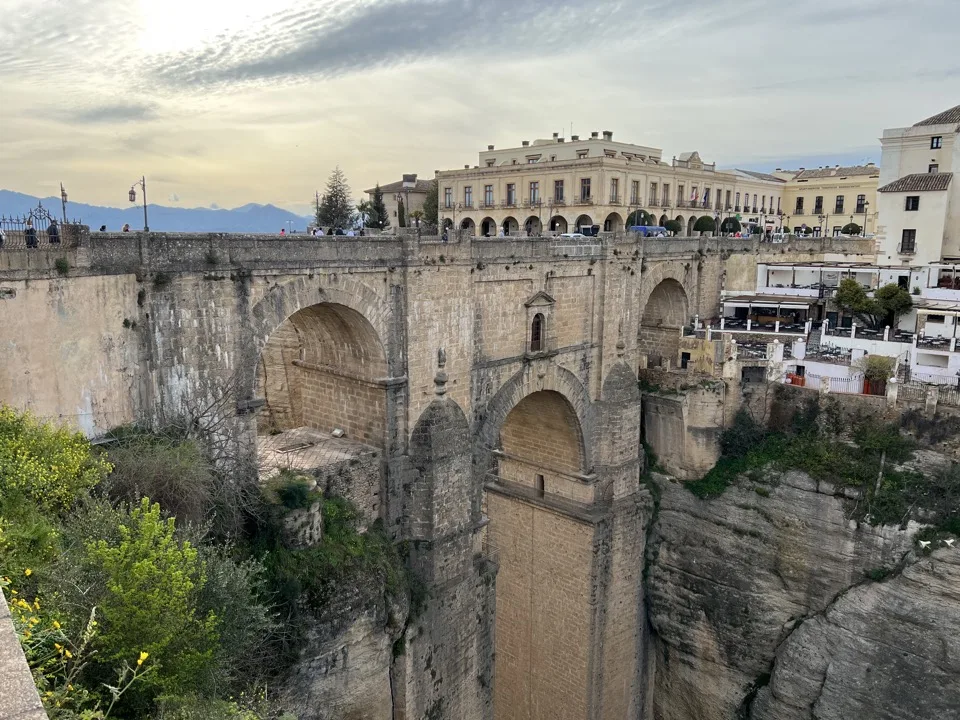
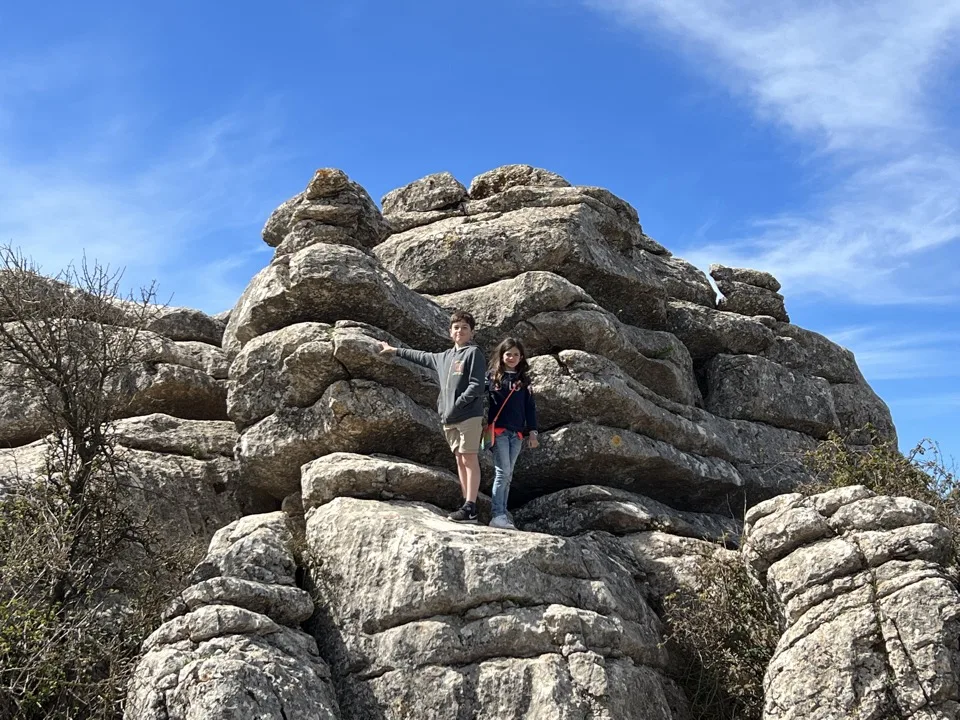
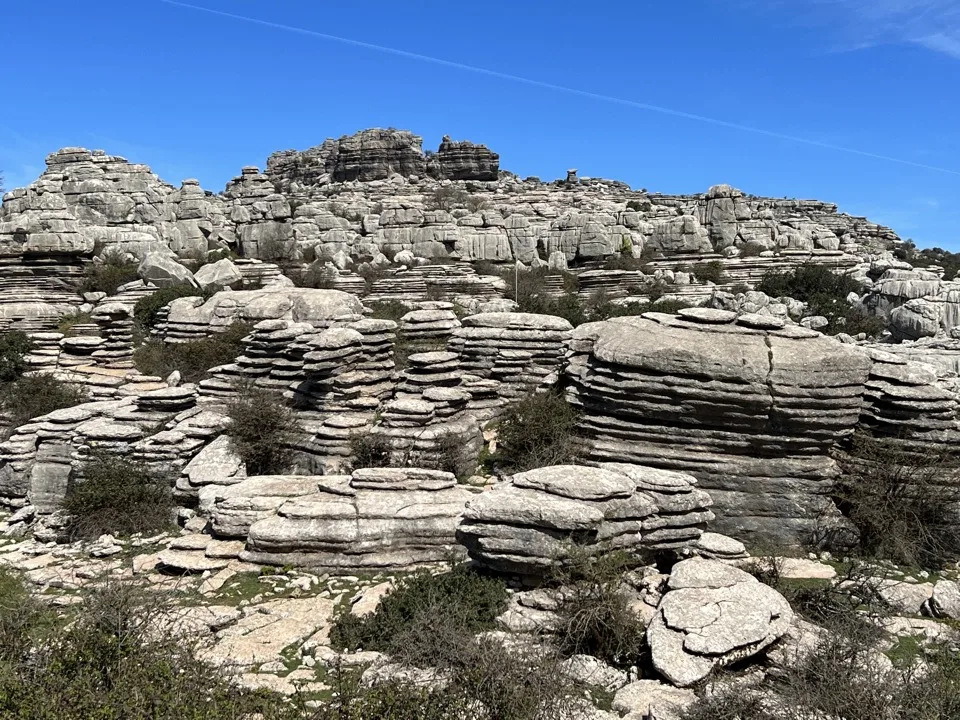
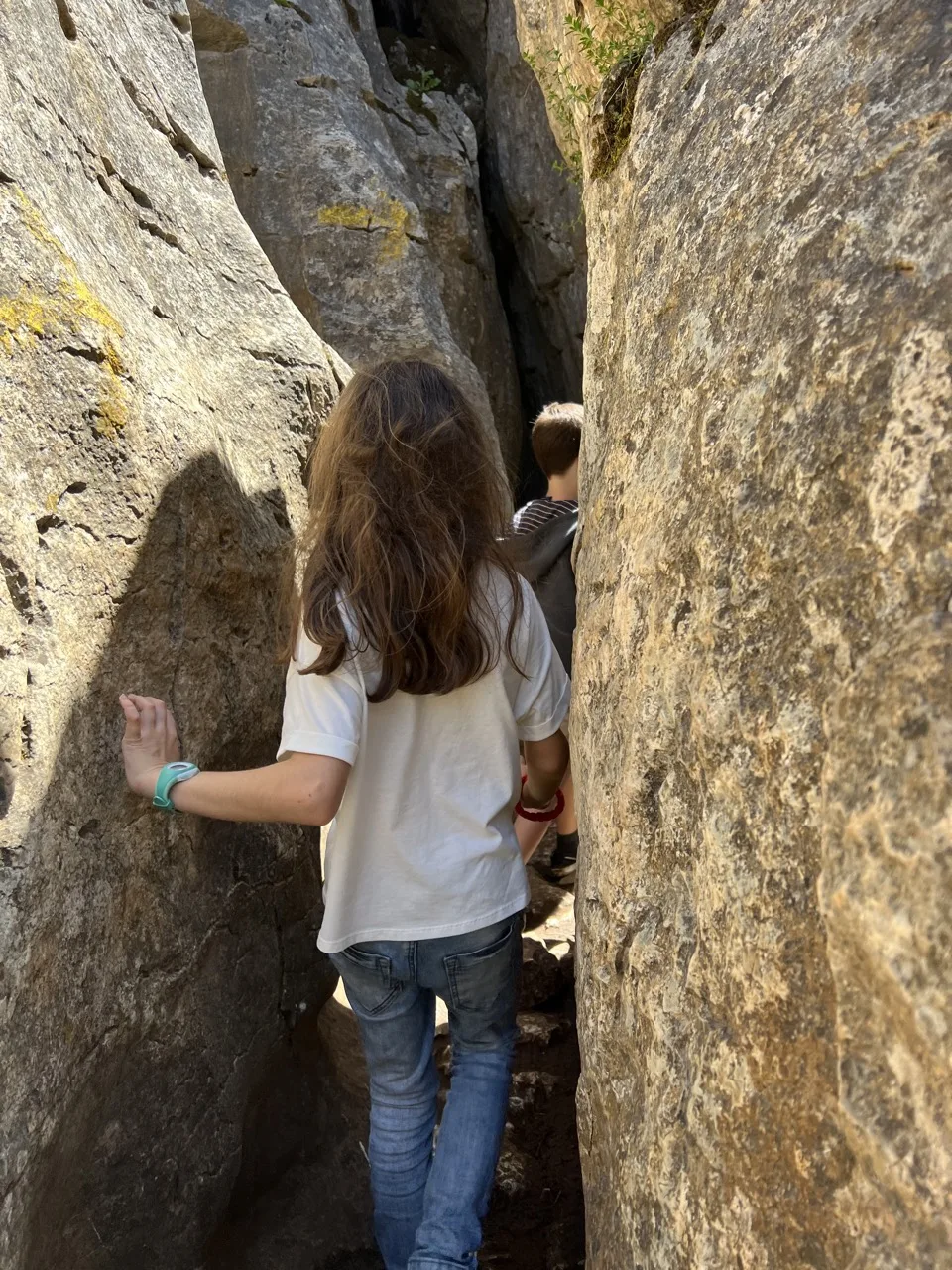
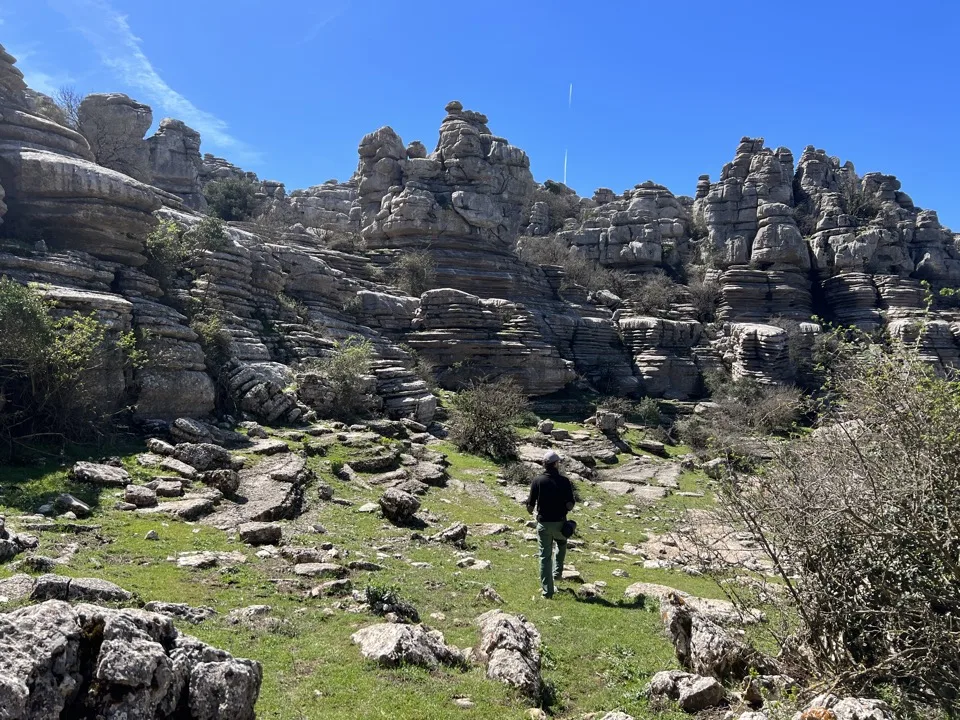
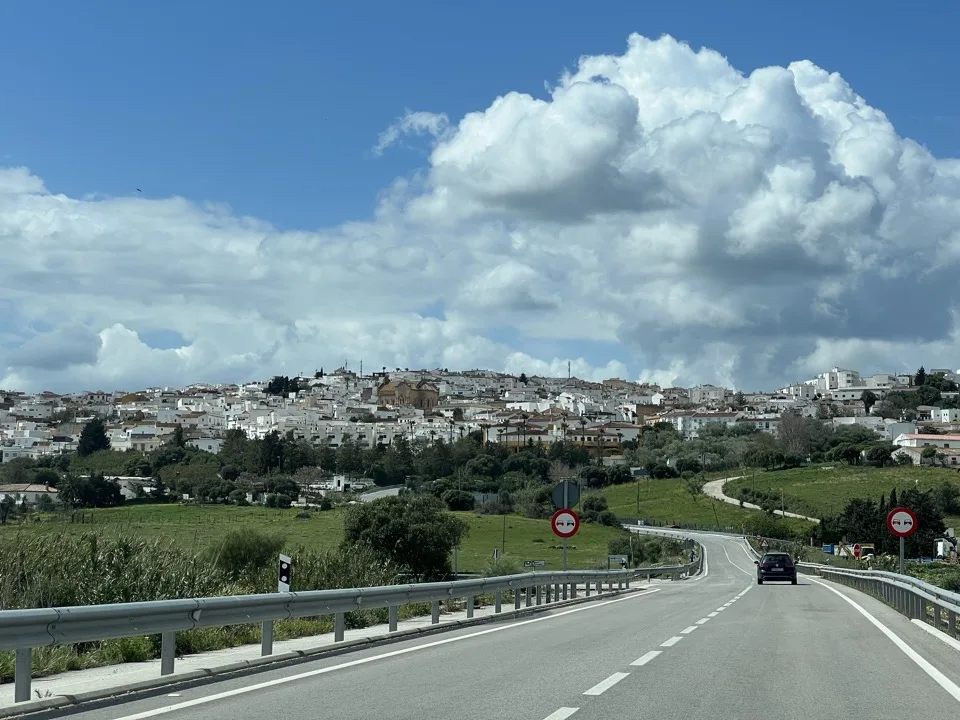
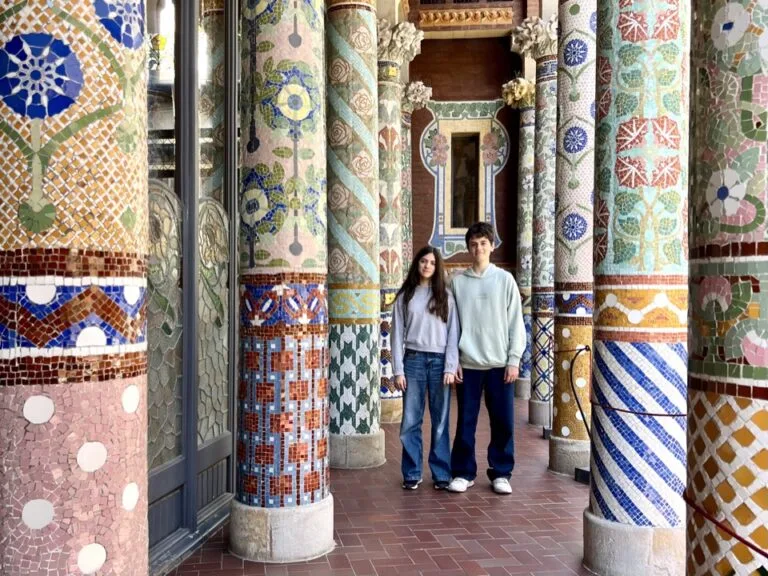
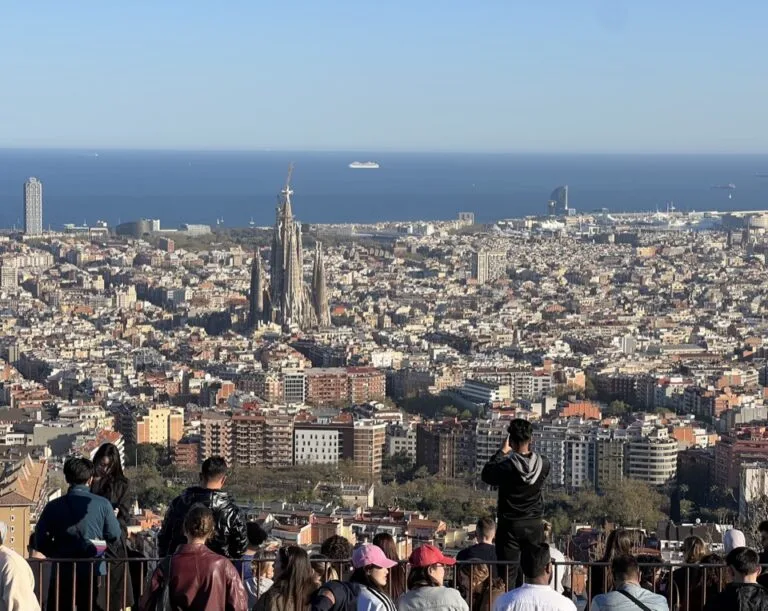
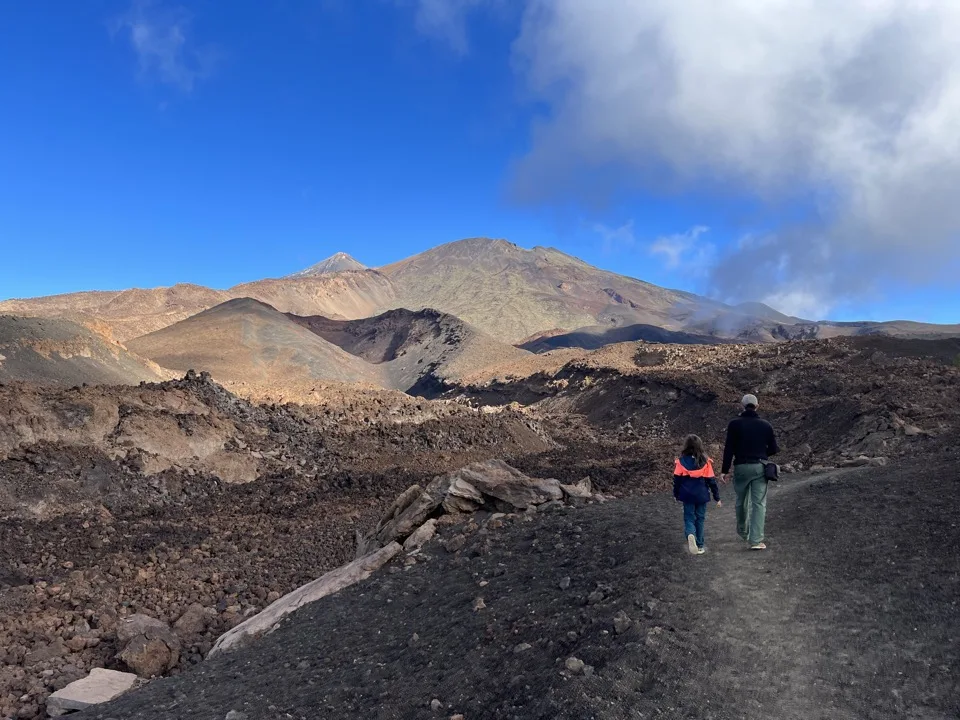
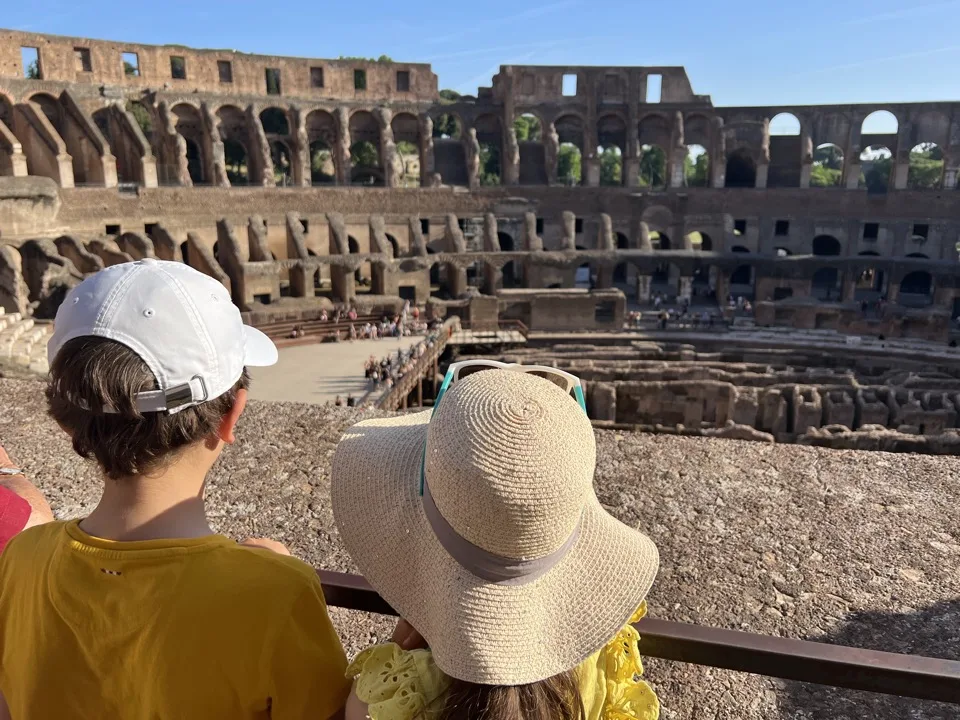
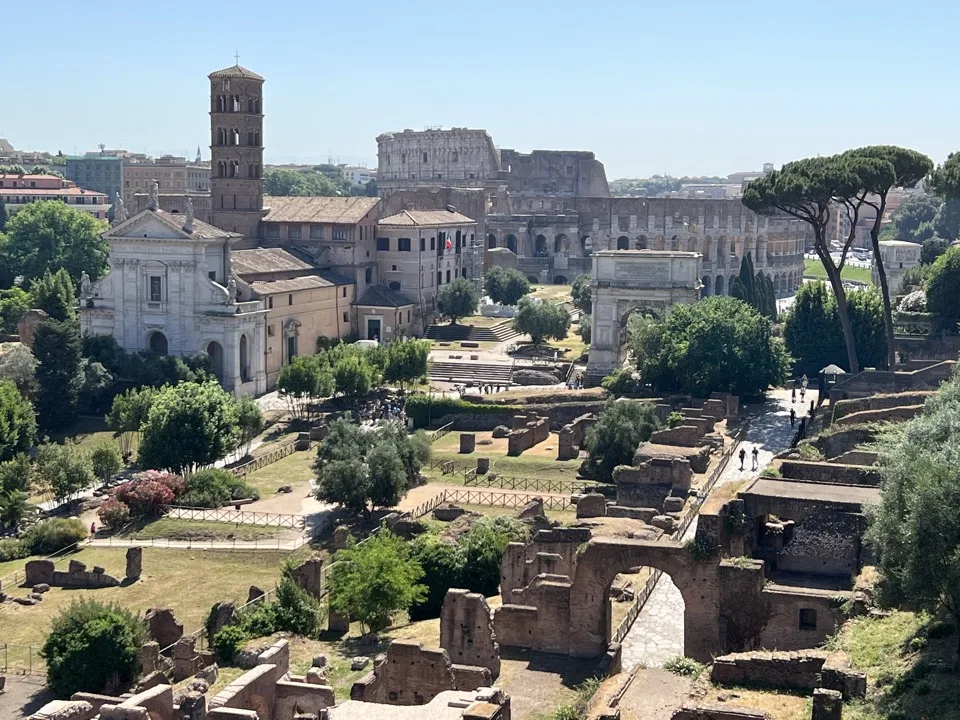 Visiting the Pantheon: An exceptional building and free entry (Update 2023: unfortunately this visit is no longer free 🙁 ). That’s an excellent combination! We went at opening time in the morning to have fewer people around. In the evening, we always walked past it on our way back to our accommodation. I love the atmosphere all around.
 The famous Roman fountains
 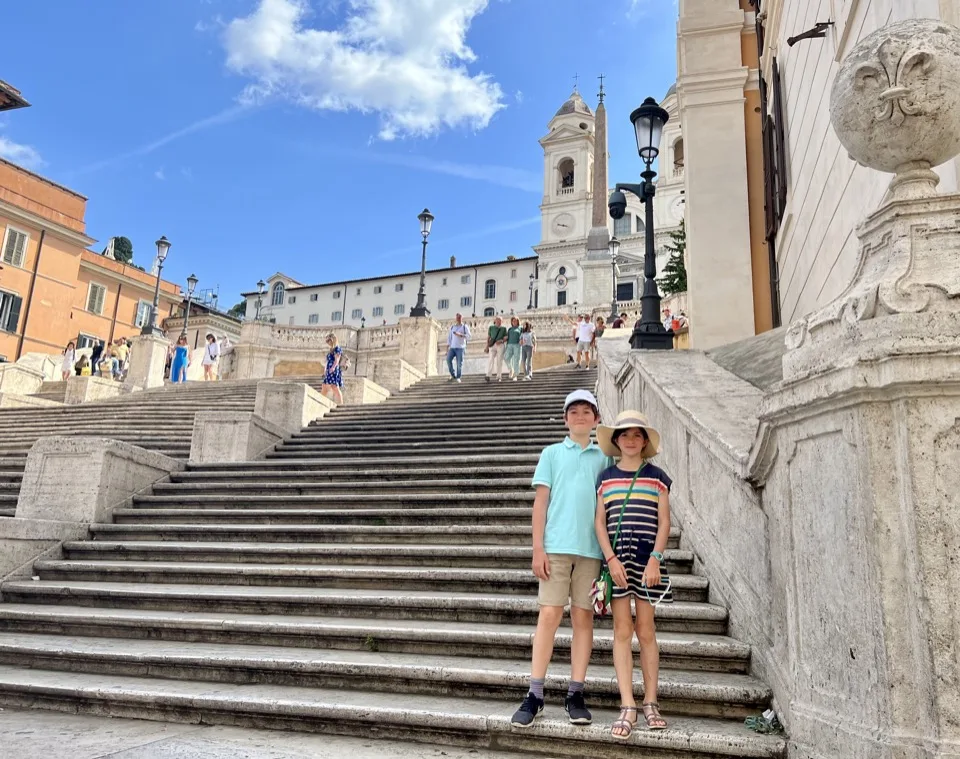 The Villa Borghese park: We arrived via Piazza del Popolo and walked up into the park – shady and pleasant, especially as it was hot. From up there, there’s a lovely view.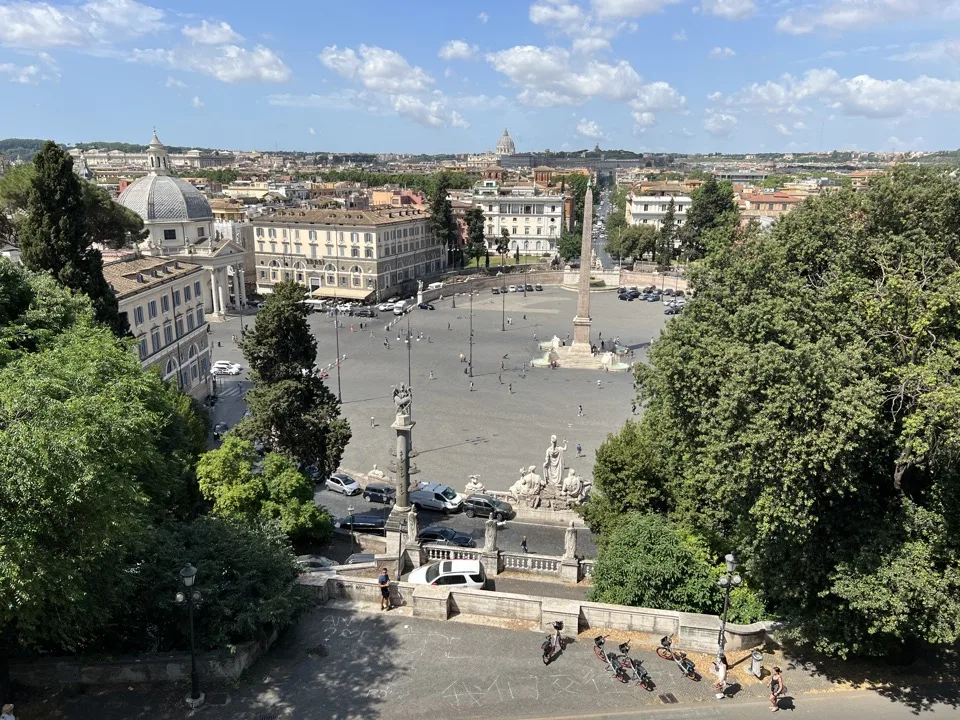
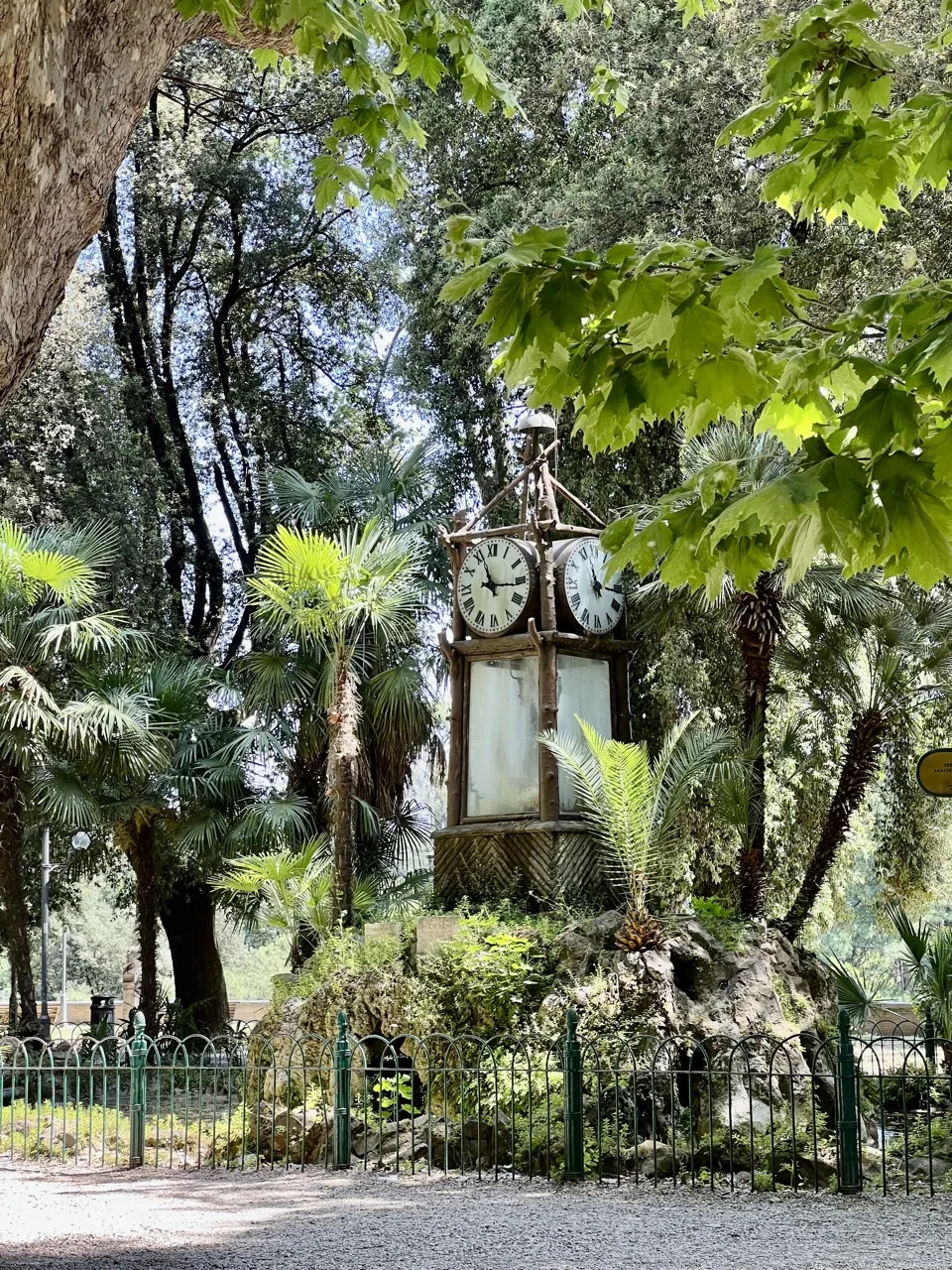 So those were the must-sees we already knew but wanted to see again. We chose what seemed the nicest for a family visit to Rome. We skipped the Vatican this time.
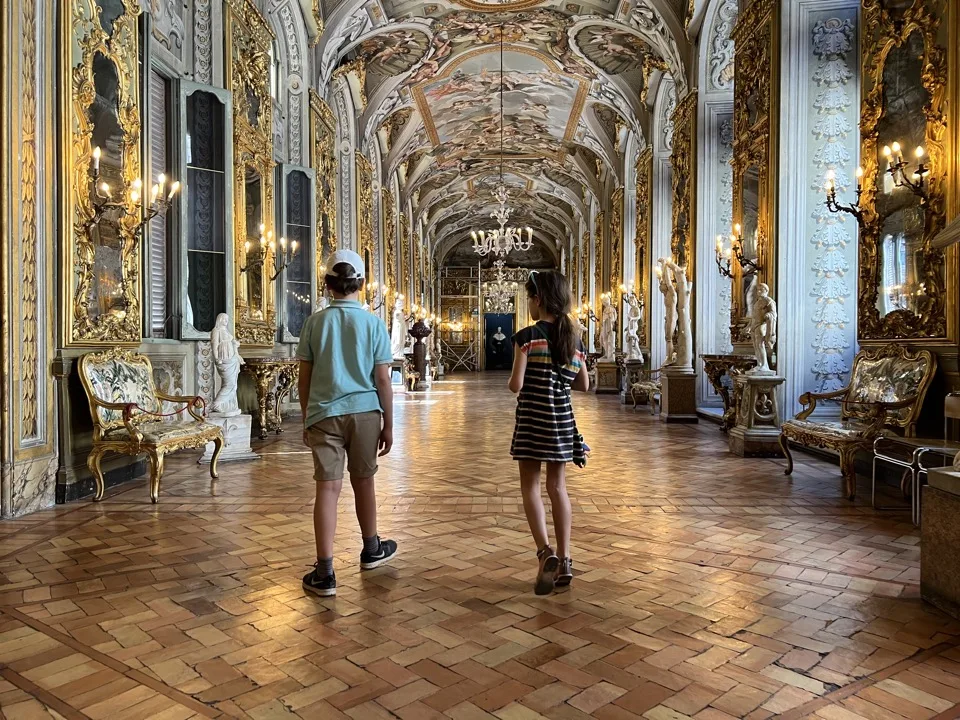 The Baths of Caracalla The remains of the old bath walls are very high, so very impressive. There are also a few mosaics. But we expected to see more details evoking the baths. It’s hard to imagine the baths and how the place worked. It’s very different, but we prefer the Roman baths in Bath in England. That said, if you put the “baths” aspect aside, the place is very pleasant. Adult price: €8 and free for children.
 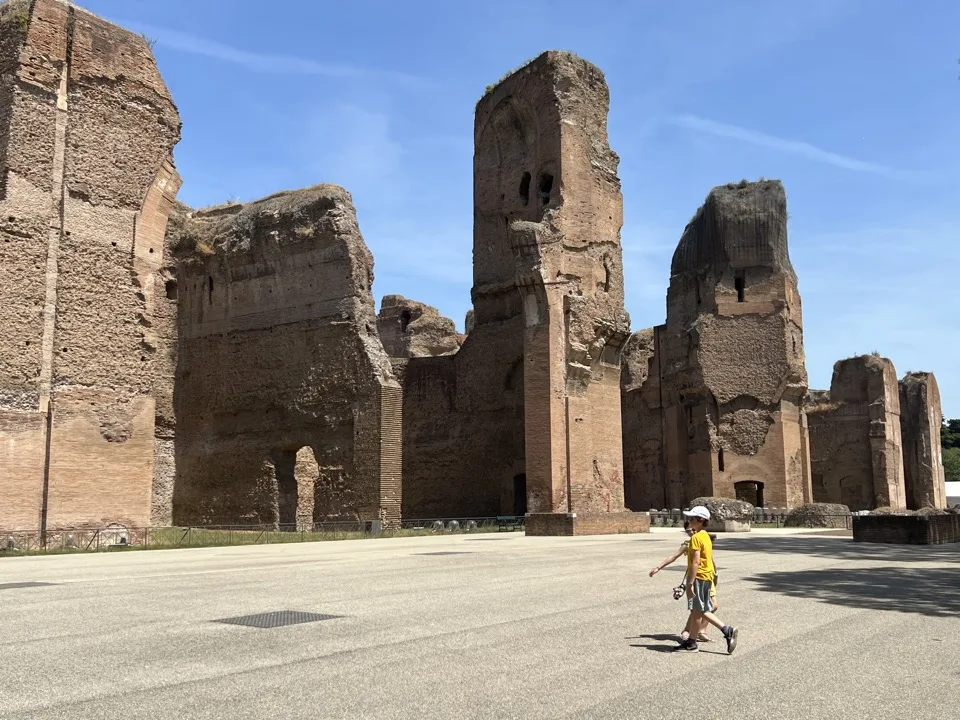 The Catacombs of Priscilla It was interesting, but it was really far (endless bus journey) and above all we’ve had the chance to visit many catacombs in Italy that left a stronger impression on us (especially in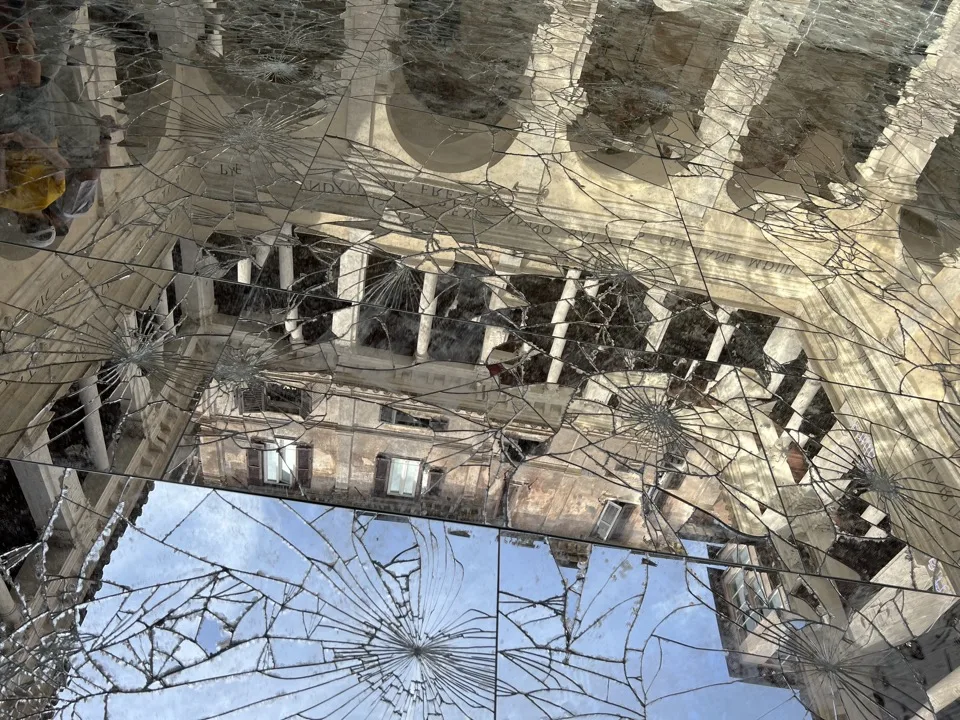
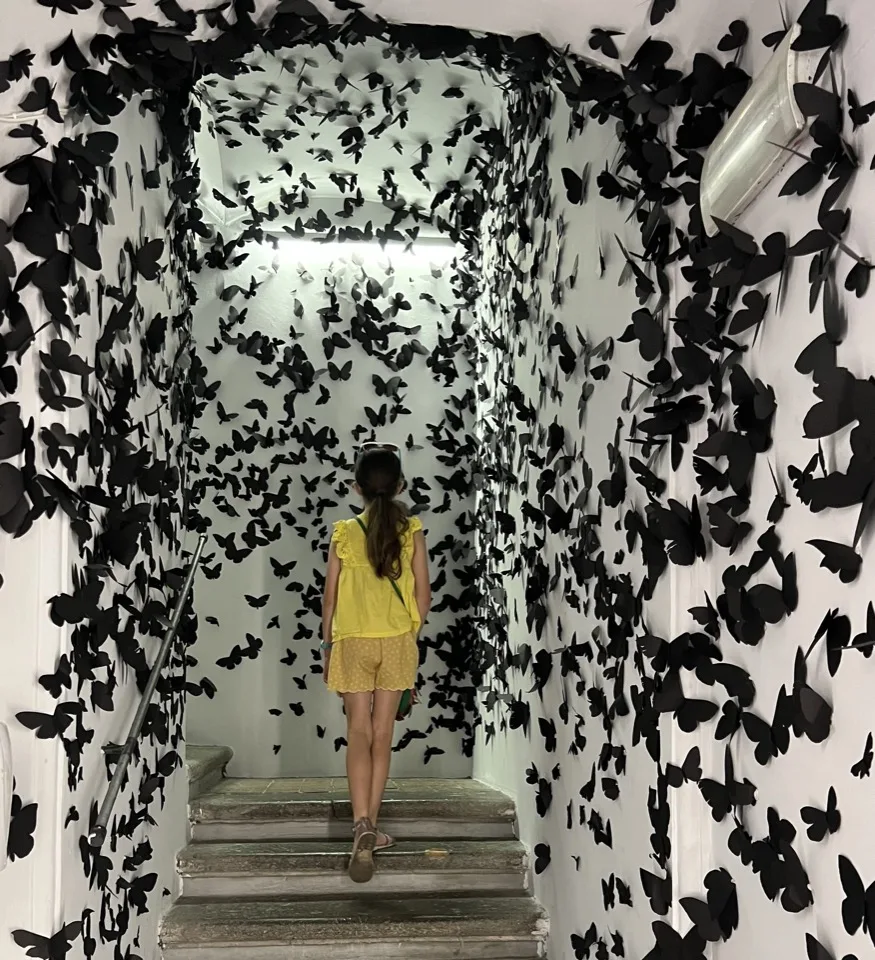 And lots of churches, of course! A bit at random during our walks… There’s an incredible density of beautiful churches! All superb, all different, and there are still plenty more to discover! We saw the Basilica of Saint Clement of the Lateran, the Basilica of Sant’Andrea della Valle, the Church of St Louis of the French, the church of San Stefano (warning: the paintings in the latter are scary… avoid showing the details to children), …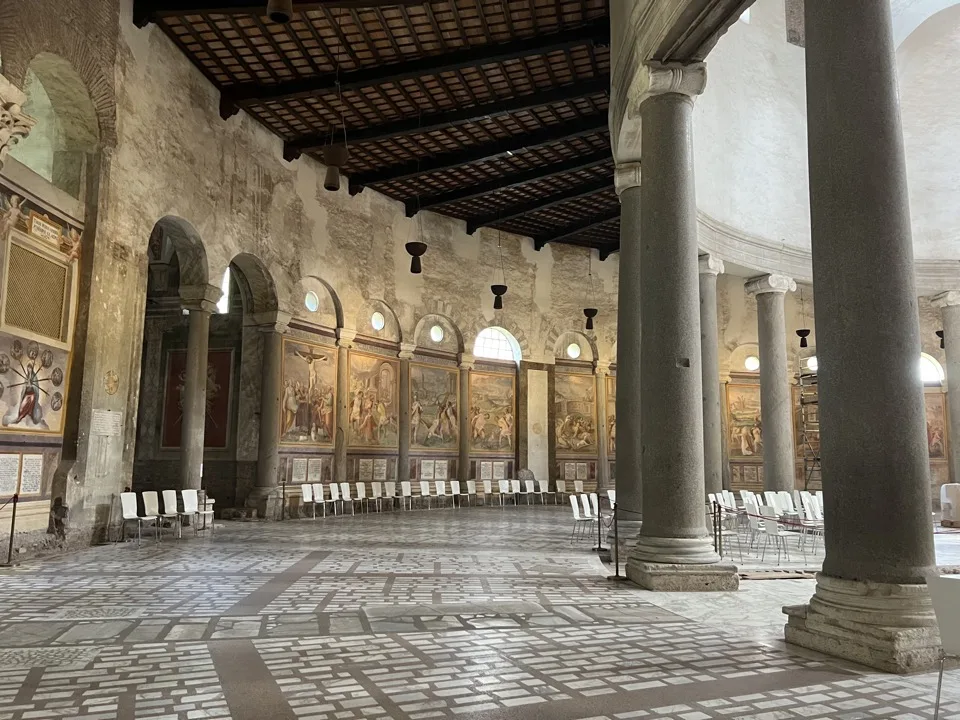
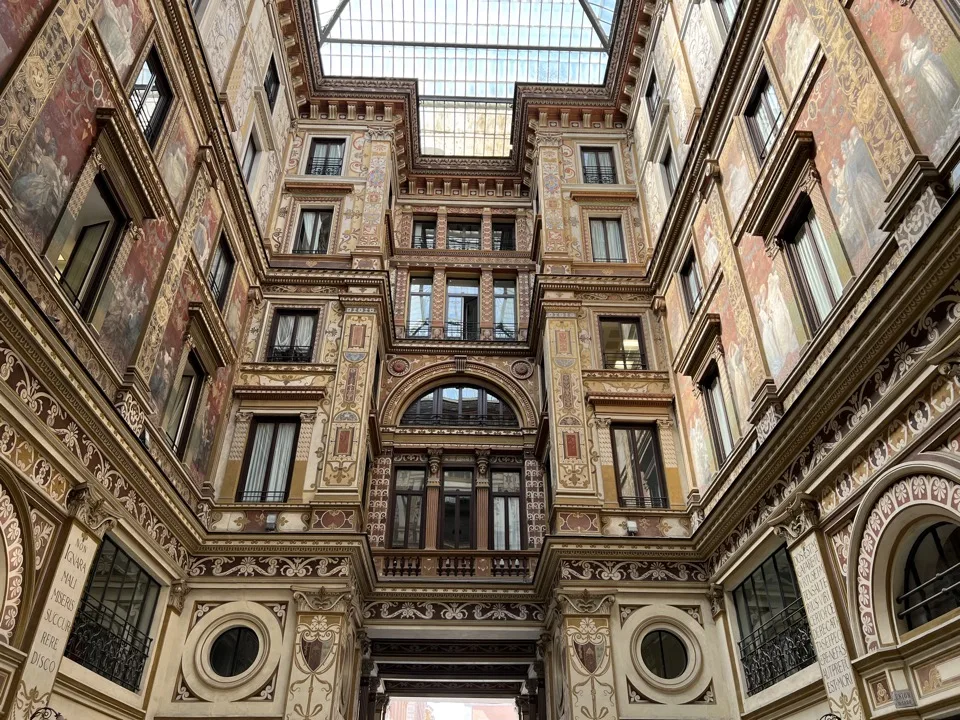 Castel Sant’Angelo on the banks of the Tiber… and the Vatican in the distance…
 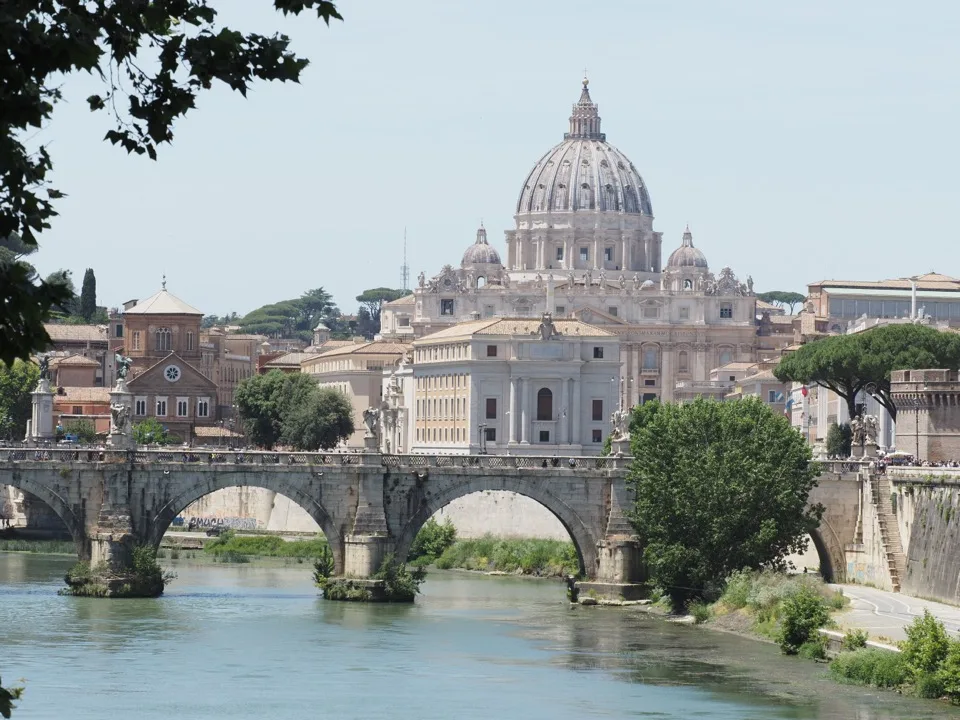 The imposing Monument to Victor Emmanuel II and Capitoline Hill…
 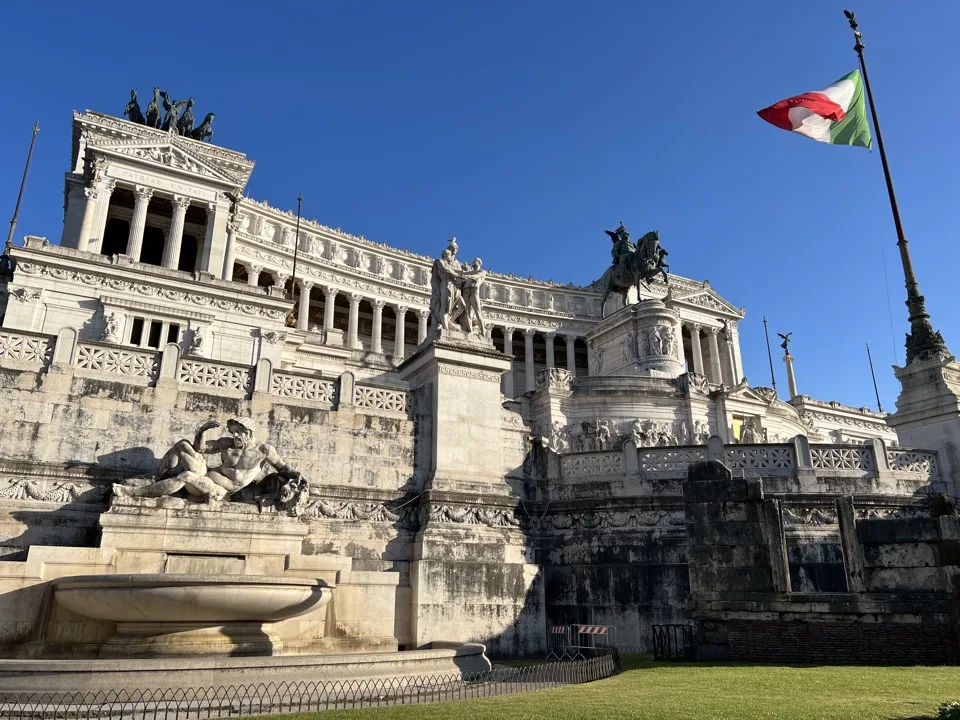 We also quickly went into the Capitoline Museums to say hello to the statue of the she-wolf with Romulus and Remus. Largo di Torre Argentina, then through the nearby Jewish quarter…
 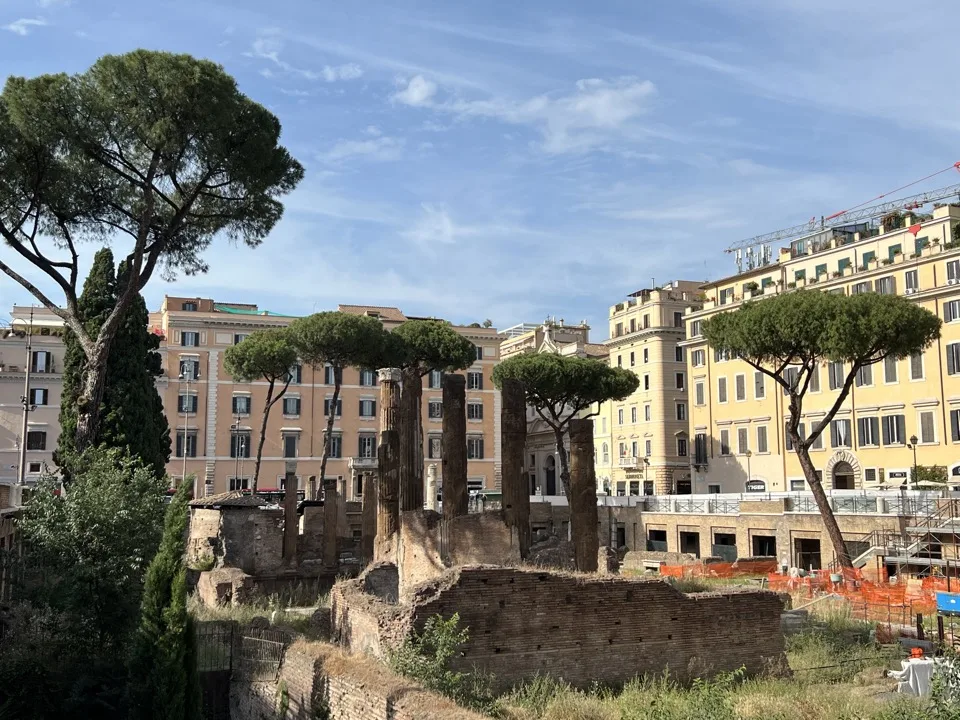 And we passed by the ruins of Trajan’s Market…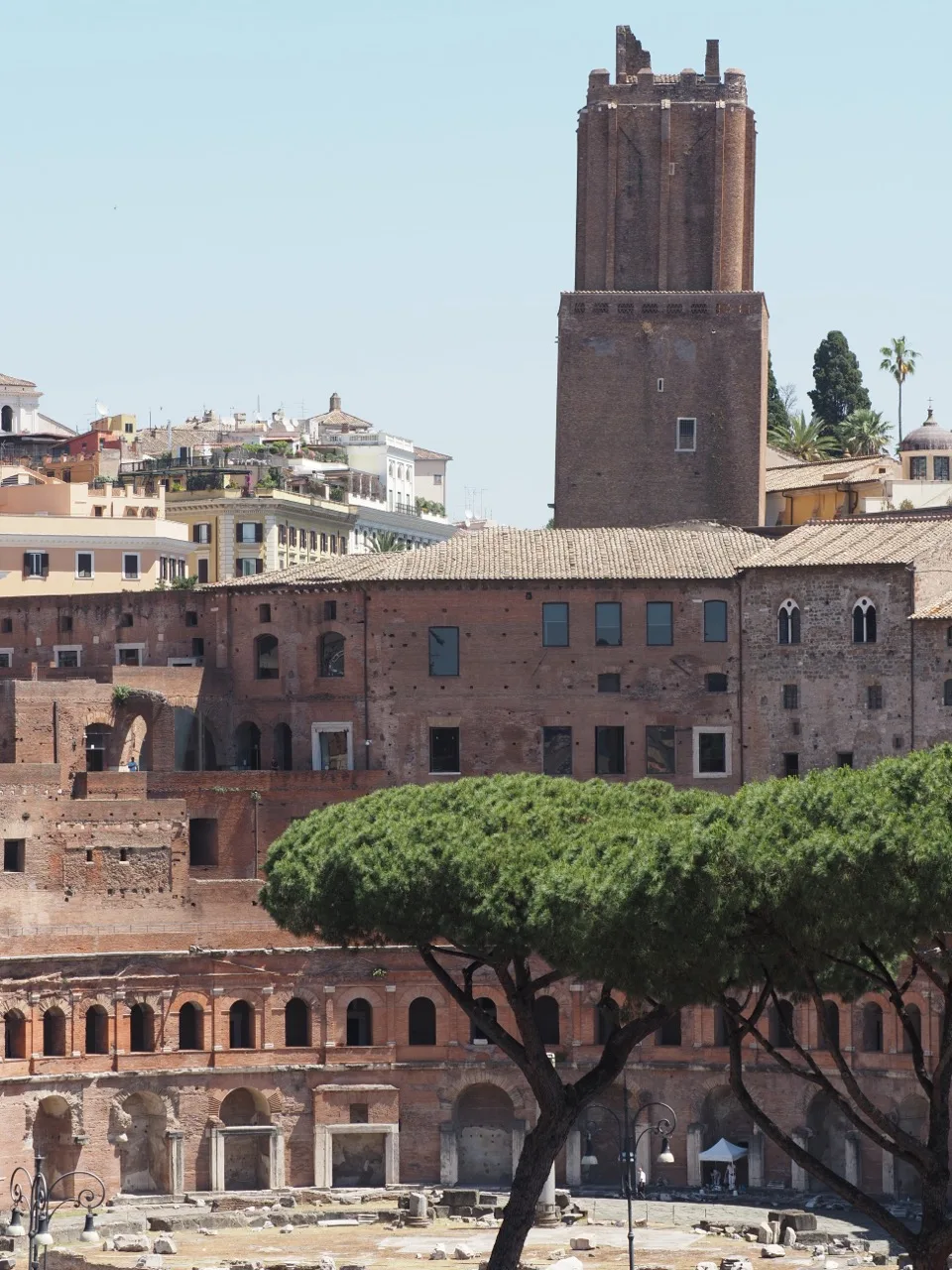
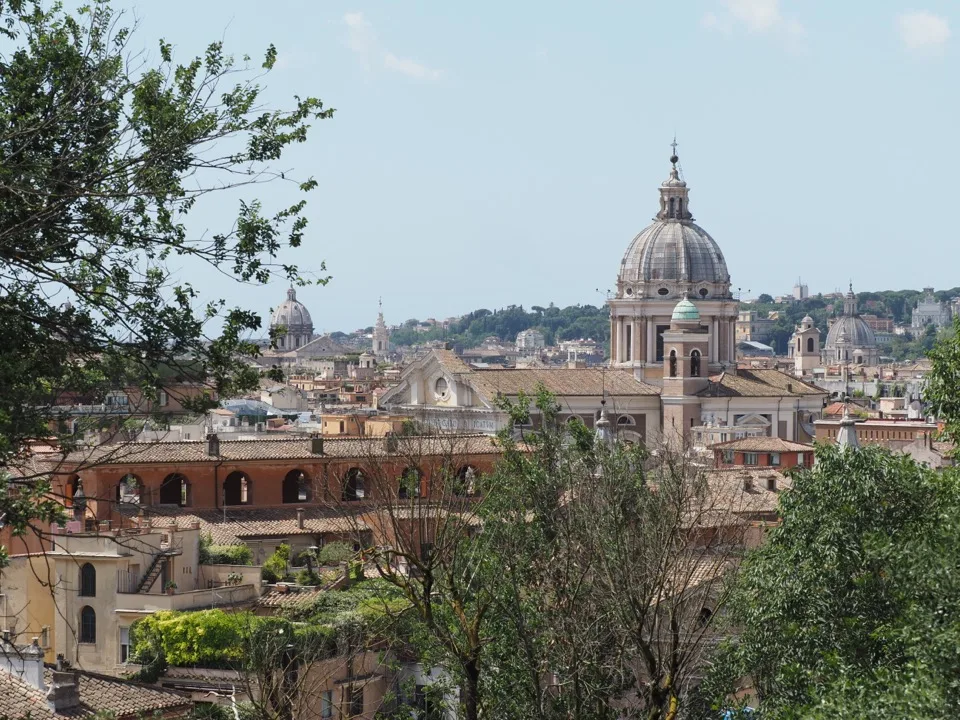 And you? Have you ever visited Rome as a family? Also check out our other ideas for