


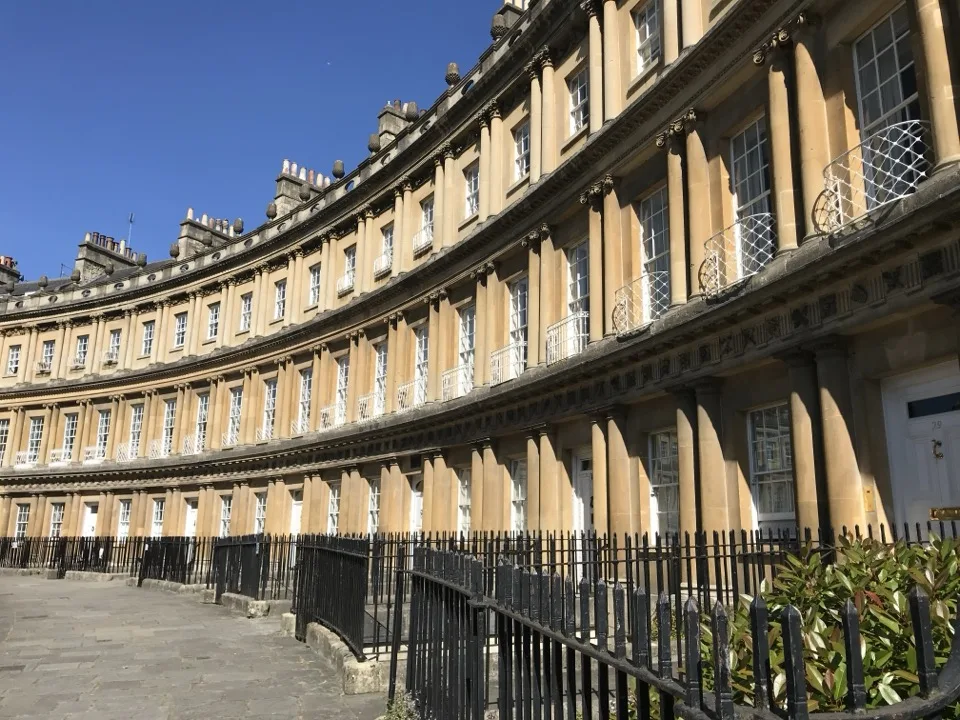

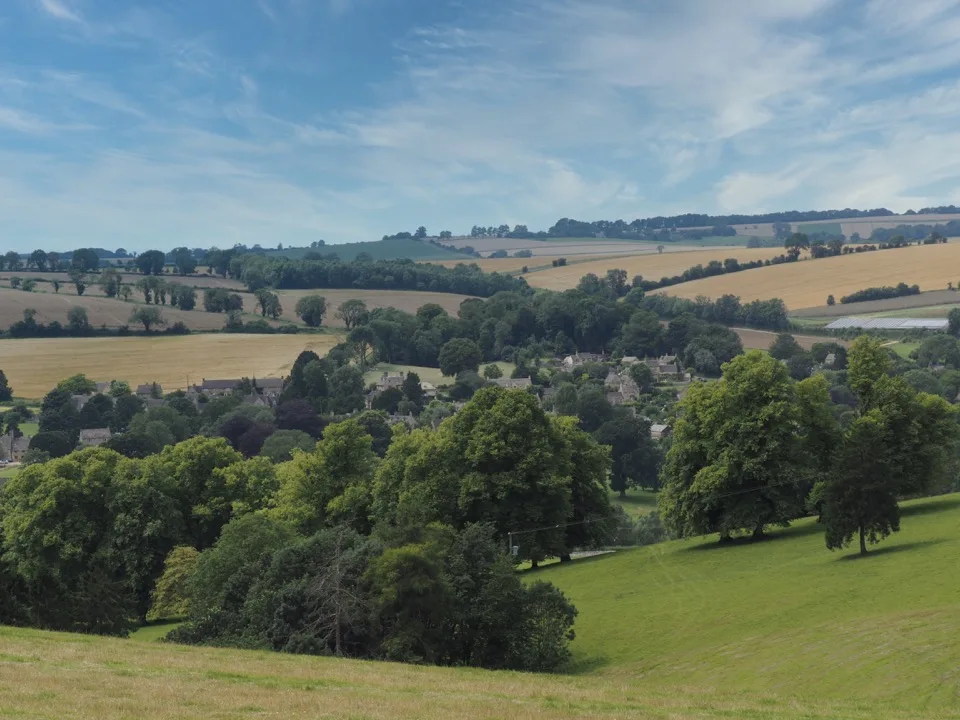
Today I would like to tell you about a part of England that we have already visited twice as a family: the Cotswolds. I highly recommend this destination if you love the English countryside — the picture-postcard landscape we imagine, neat, green and peaceful, dotted with old stone villages.
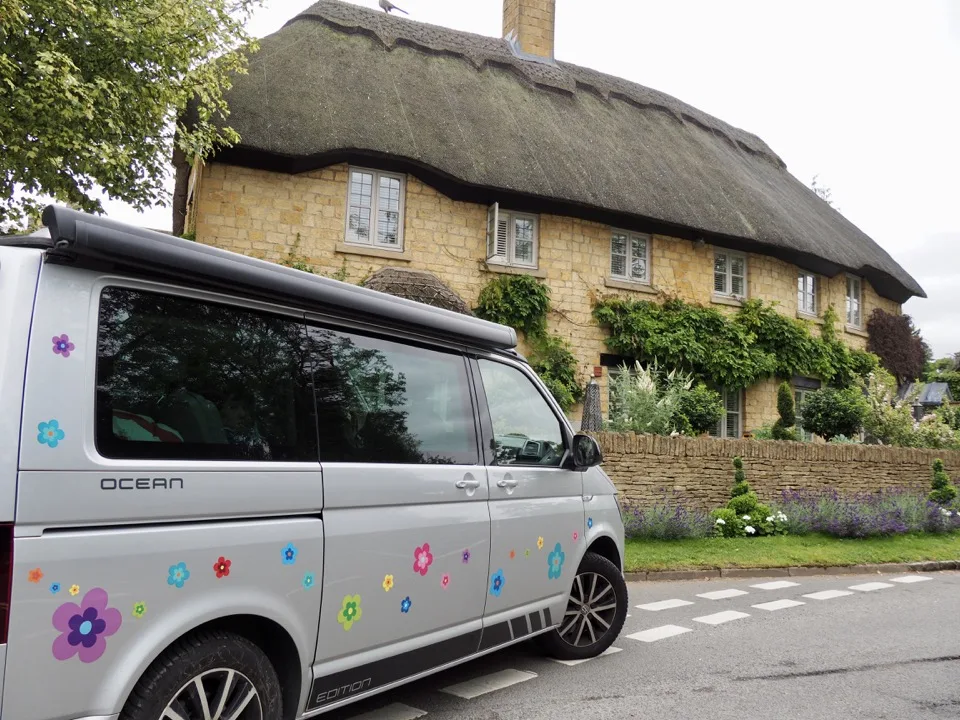
The Cotswolds are a range of hills whose landscape and villages were shaped by centuries of sheep farming and the wool trade. Their rural setting has helped many picturesque old villages retain their historic character, surrounded by rolling English countryside. In the Cotswolds, you can admire old cottages with thatched roofs and the golden light on honey-coloured stone in the late afternoon, have tea with scones and visit historic places.
To help you place them on the map, the Cotswolds are in western England, north of Bath, west of Oxford and around two hours from our home. Londoners, and especially people from Oxford, enjoy spending peaceful weekends here. We stopped for a few days in our campervan one summer, then returned at half-term with the grandparents.
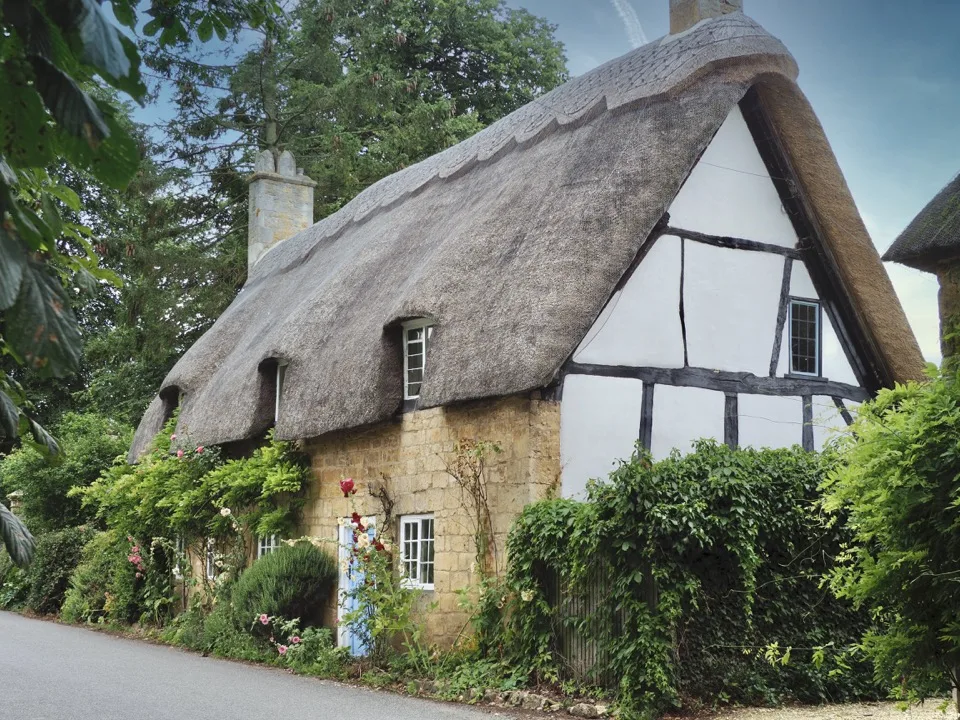
The most beautiful villages in the Cotswolds
The Cotswolds are famous for villages said to be among the prettiest in England.
Here is a list of the villages we visited during our different stays. Most are tiny and therefore quick to explore — sometimes there is only one street — but there are many of them and each feels a little different. For a single trip, I recommend choosing just a few. I have marked our favourites with a small ❤.
From north to south through the Cotswolds…
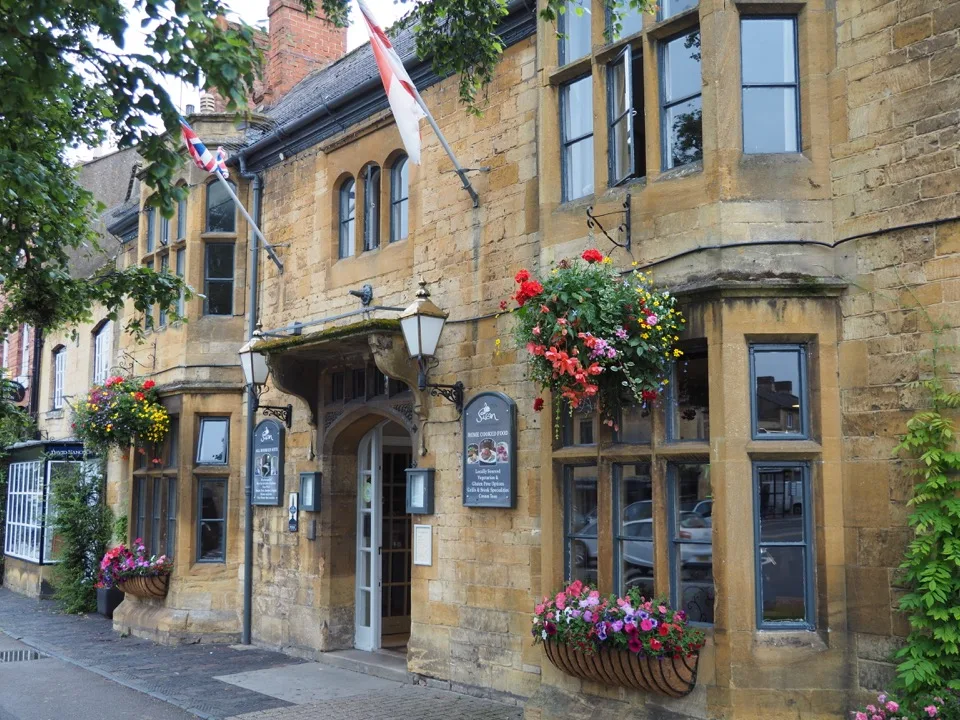
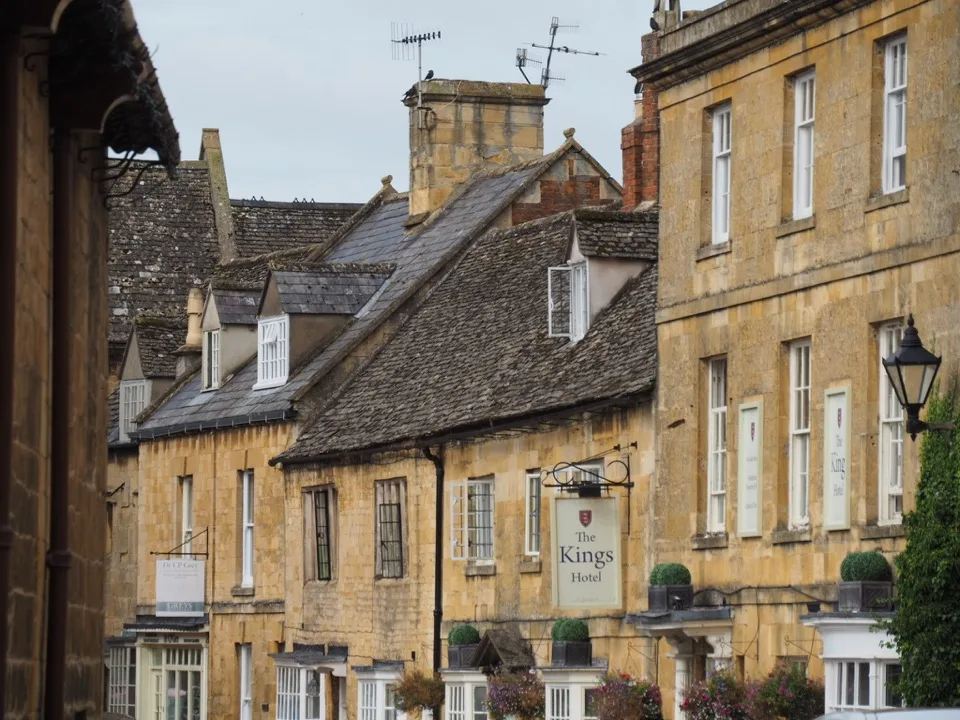
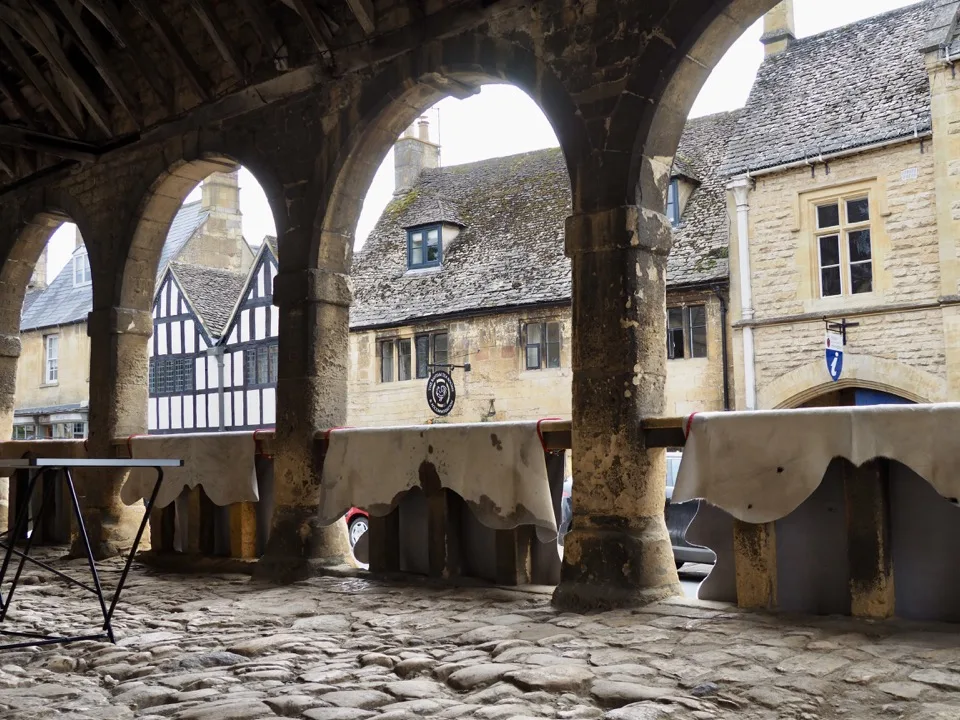
- Chipping Campden ❤ : very well preserved, with small shops along High Street and attractive arches where a market was held in the Middle Ages.
- Snowshill: a scene from Bridget Jones’s Diary was filmed in this village. We stopped here to visit the manor (see the list of places to visit below).
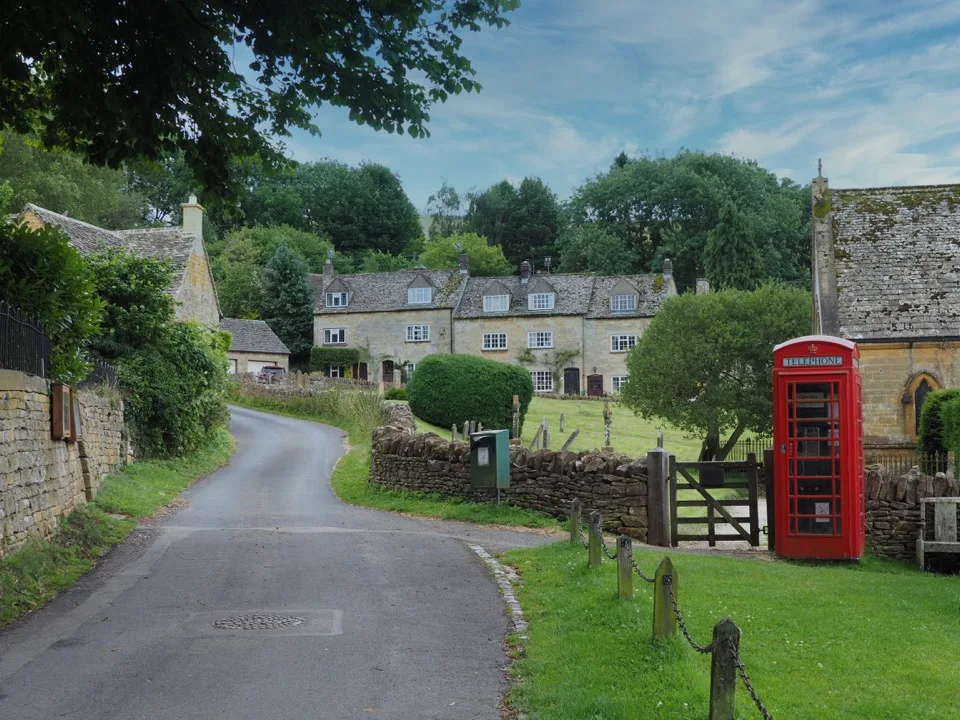
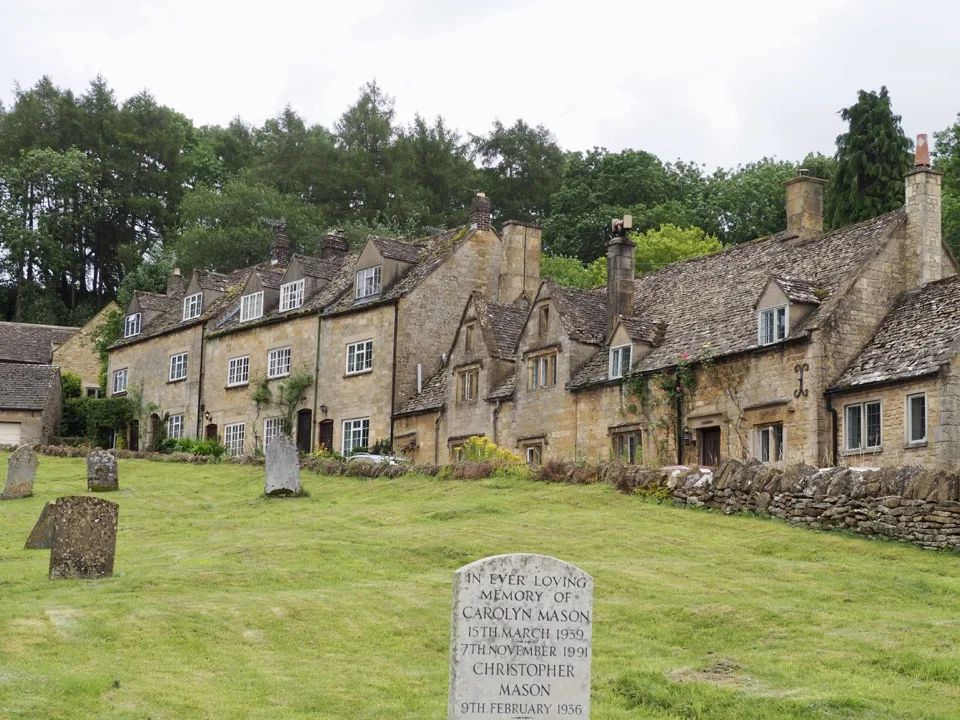
- Moreton-in-Marsh: the main street is particularly wide because a large market has been held here since the Middle Ages — large by English standards, so do not expect a French-style market! Market day is currently Tuesday.
- Stow-on-the-Wold: by chance, a local festival was taking place when we visited, and everyone was out in the street enjoying live music. It was great fun.
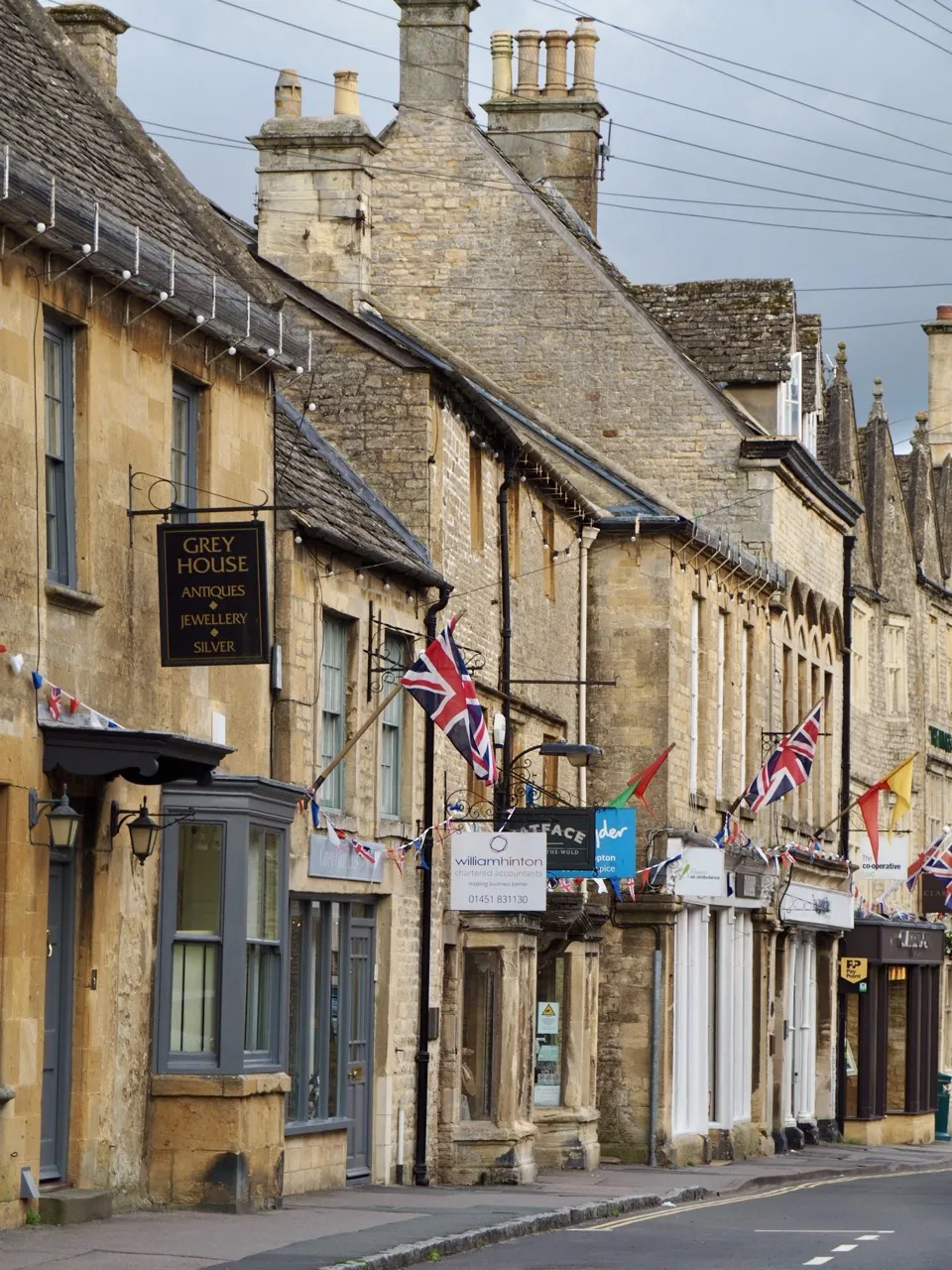
- Bourton-on-the-Water ❤: probably my favourite village, with its charming little bridges. Walking through the old village beside the small river was a real pleasure, and the village is larger than average. If you are desperately looking for an activity for the children, there is a small motor museum, although we were not tempted.
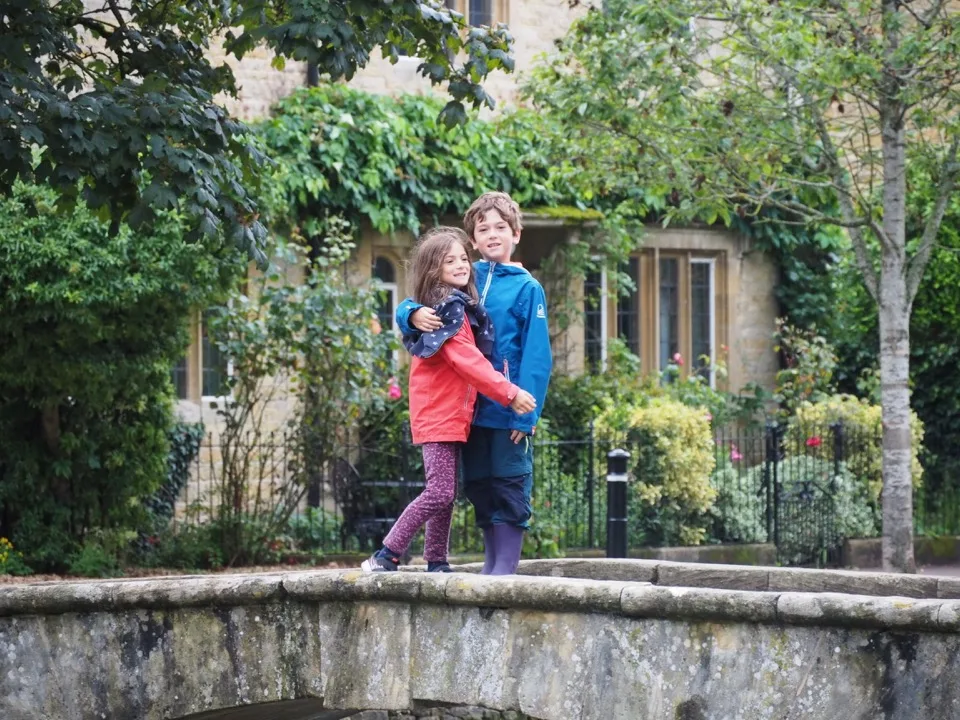
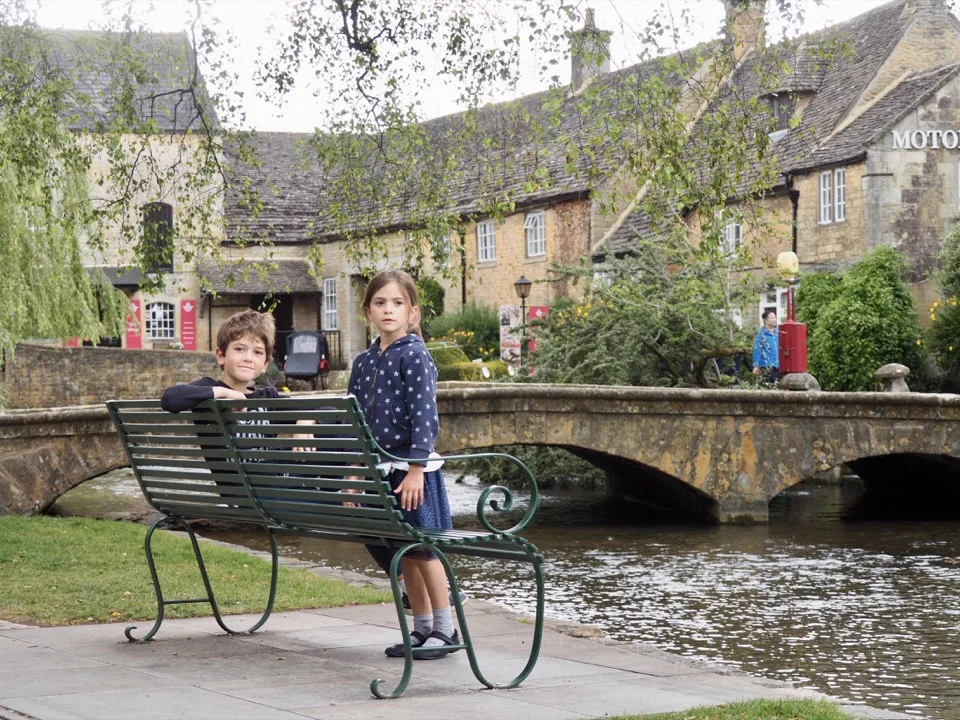
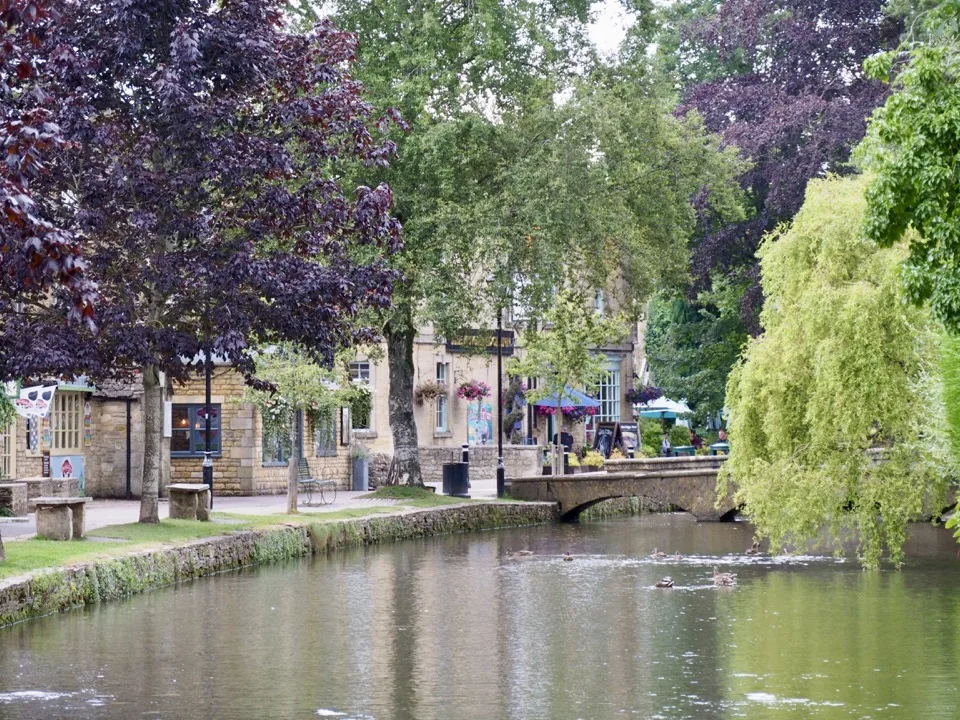
- Upper Slaughter: we passed through quickly; it is pretty but genuinely tiny.
- Broadwell ❤ : particularly pretty, with wide verges and a few small businesses.
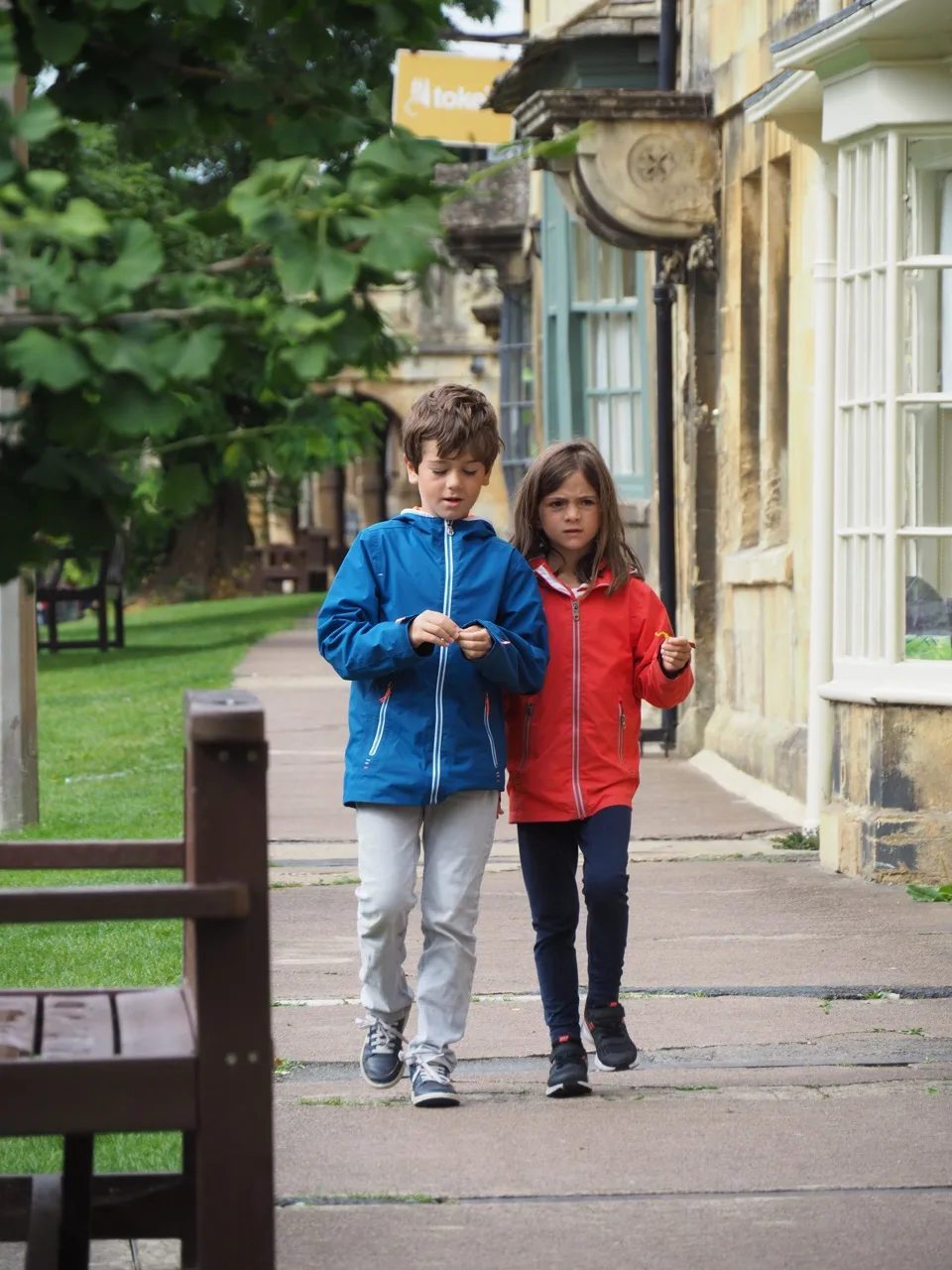
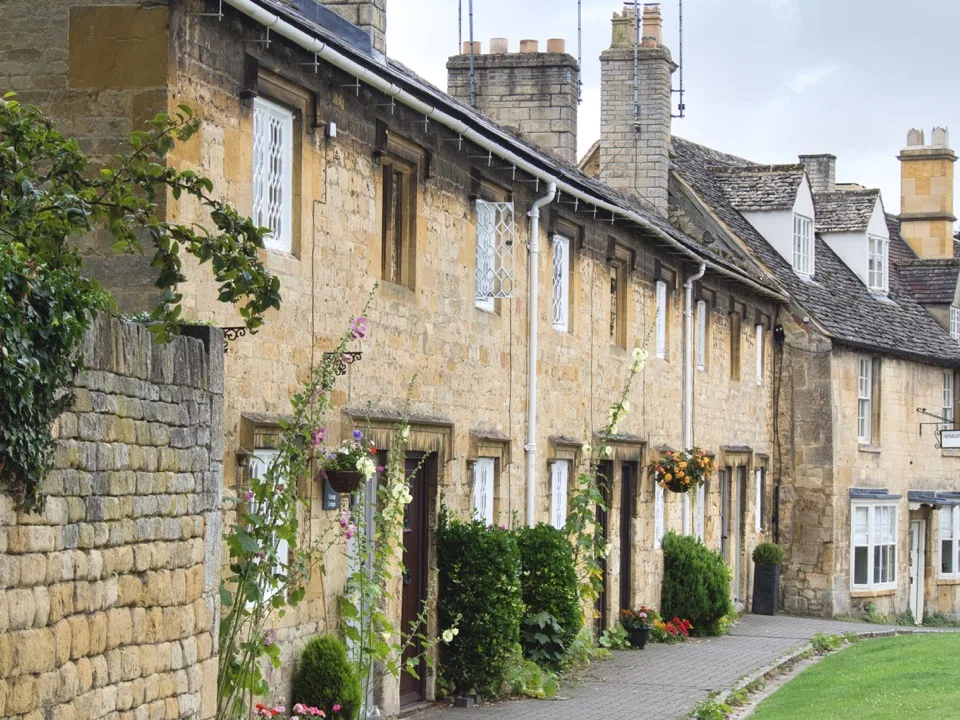
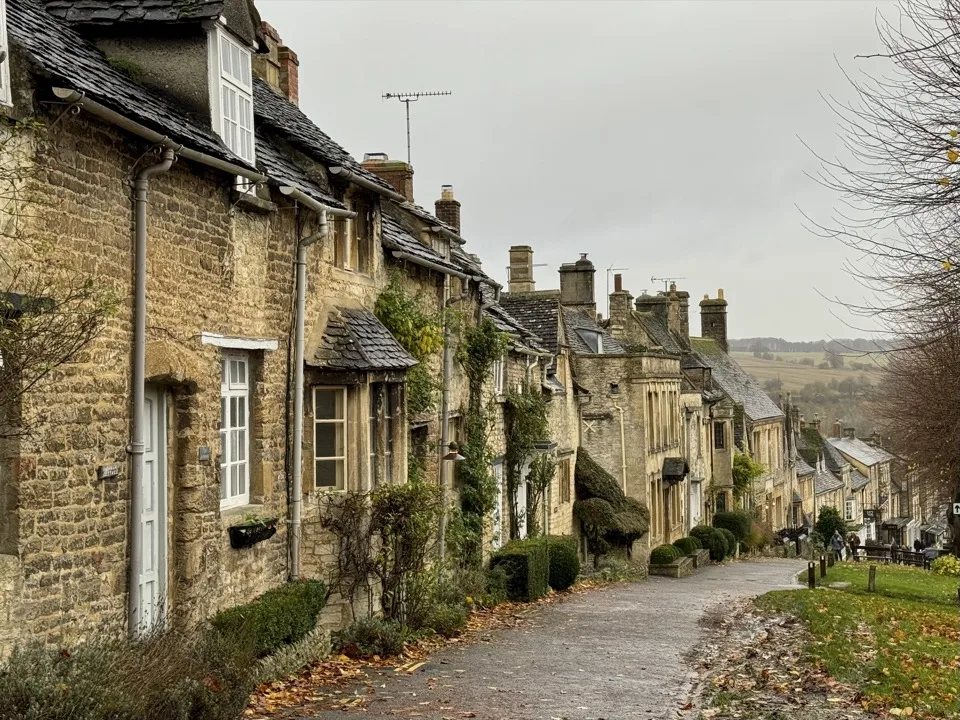
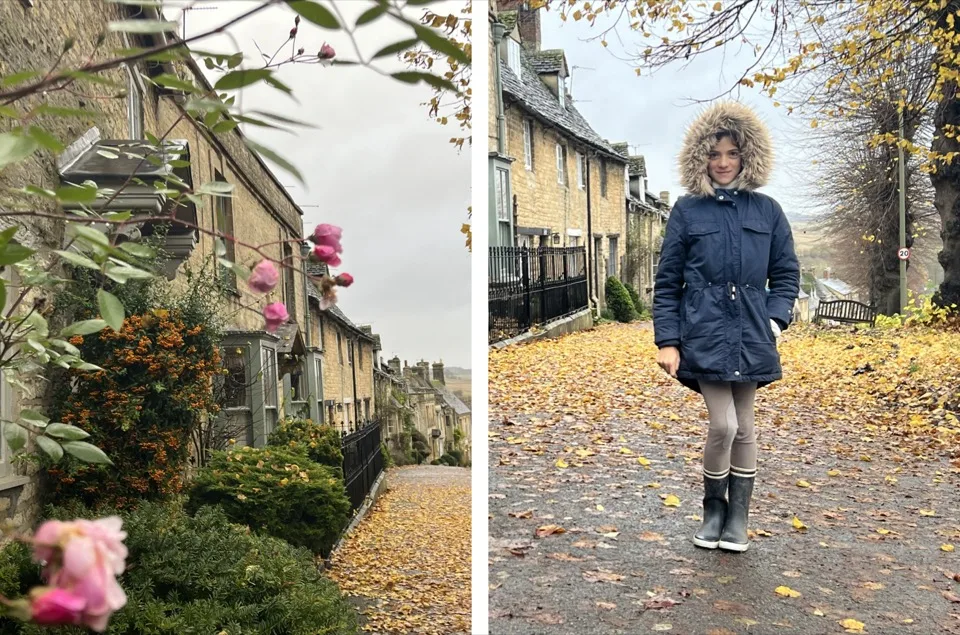
- Burford ❤: I have the impression it is less well known. We liked it because it felt more lived-in and lively than the smaller villages. Its gently sloping main street is particularly photogenic, with plenty of small shops and tearooms.
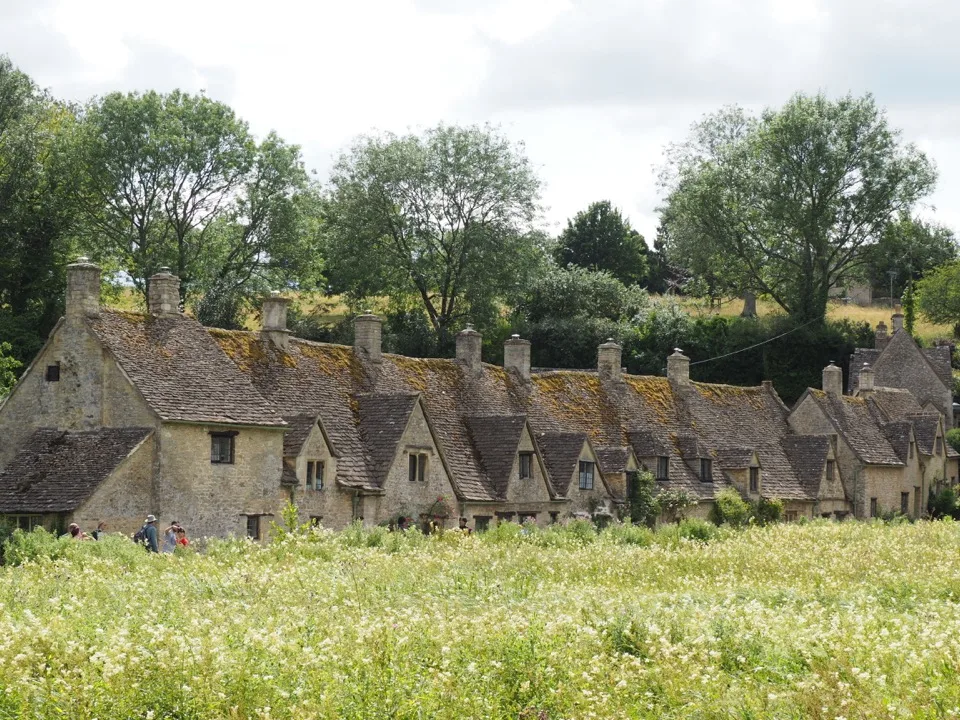
- Bibury: absolutely tiny and very quiet, but exceptionally photogenic! The problem was that it was so crowded in summer that it was not pleasant at all. It is probably best to visit early in the morning or late in the evening, or avoid summer. For the photo, I simply used the grass as the foreground; the tourists were behind me.
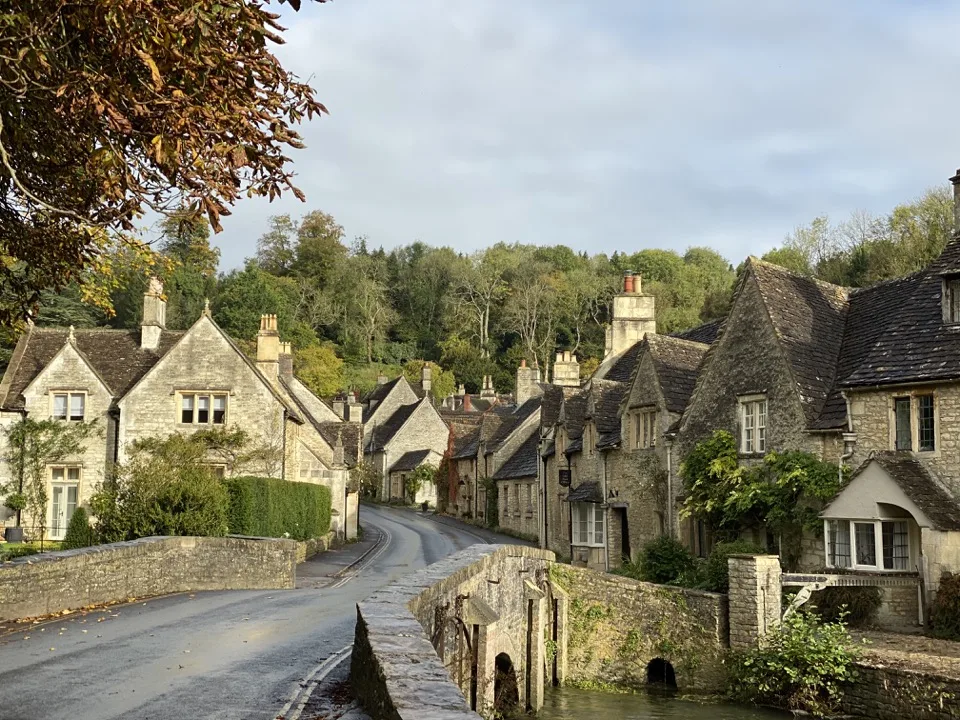
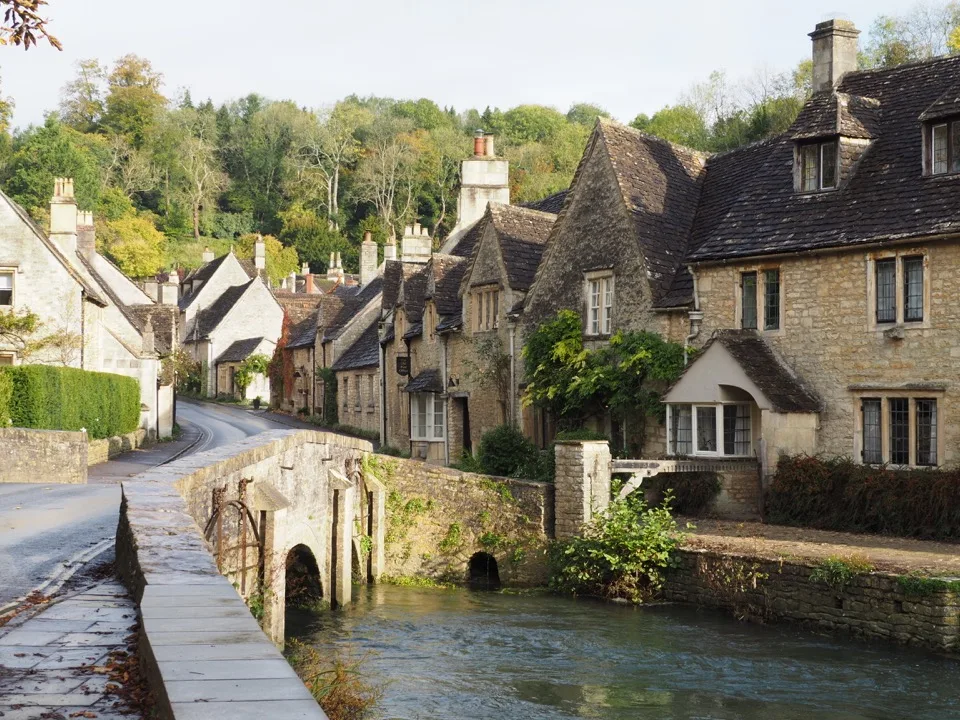
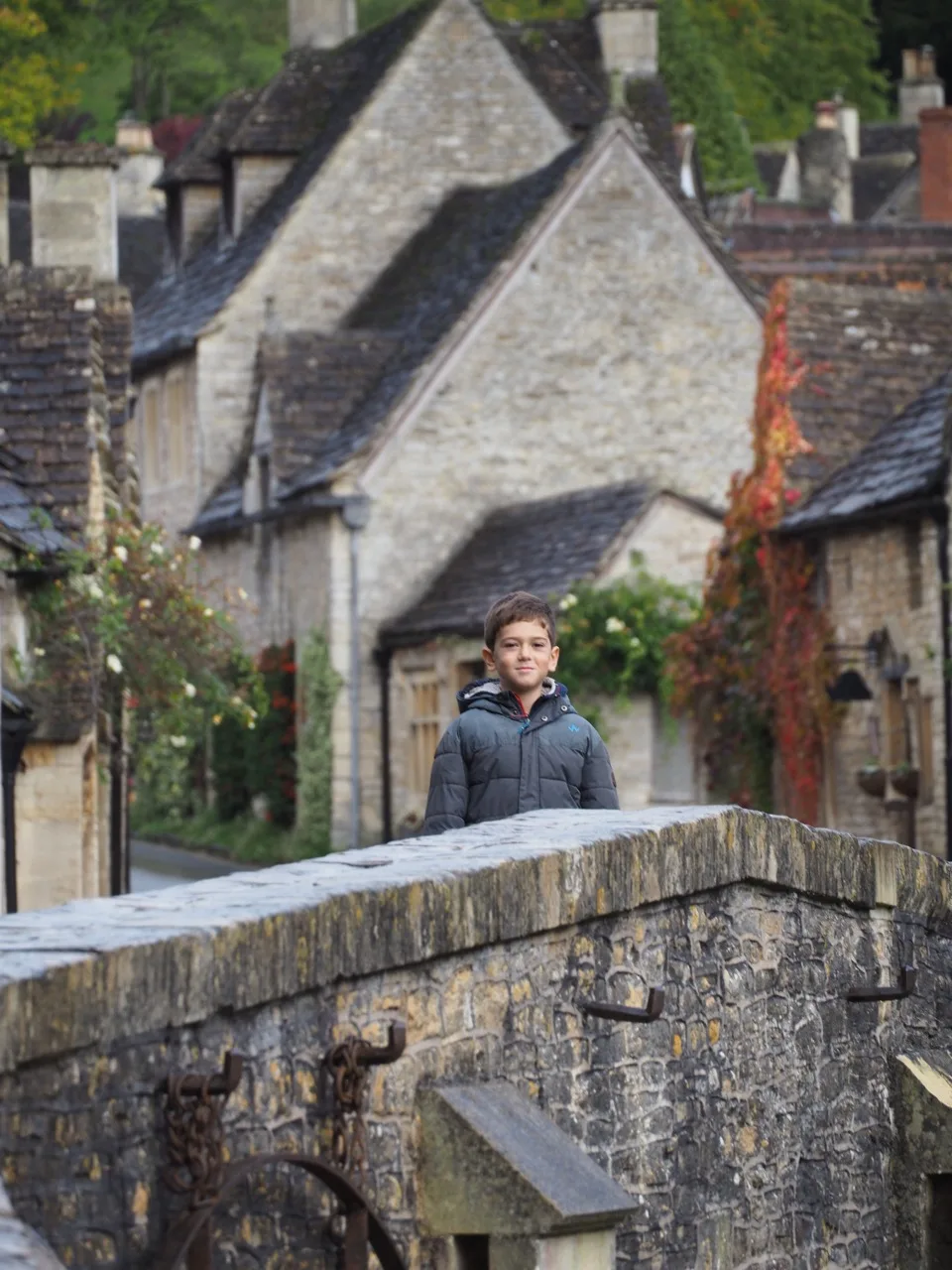
- Castle Combe: likewise, it is probably the most photographed village alongside Bibury, but this time we had it all to ourselves on a weekday during the October half-term holidays.
- Lacock: we originally stopped in this village to please the children, as several scenes from the Harry Potter films were shot in Lacock, along with scenes from Pride and Prejudice and Downton Abbey. The village itself is pretty but very quiet. You really need to be a fan to appreciate the Harry Potter filming locations. From the outside, for example, you can see the houses used as Harry Potter’s parents’ home and Horace Slughorn’s house; people live in them, so they are not open to visitors. We all enjoyed visiting Lacock Abbey (see below). Geographically, Lacock is actually just outside the Cotswolds, immediately to the south.
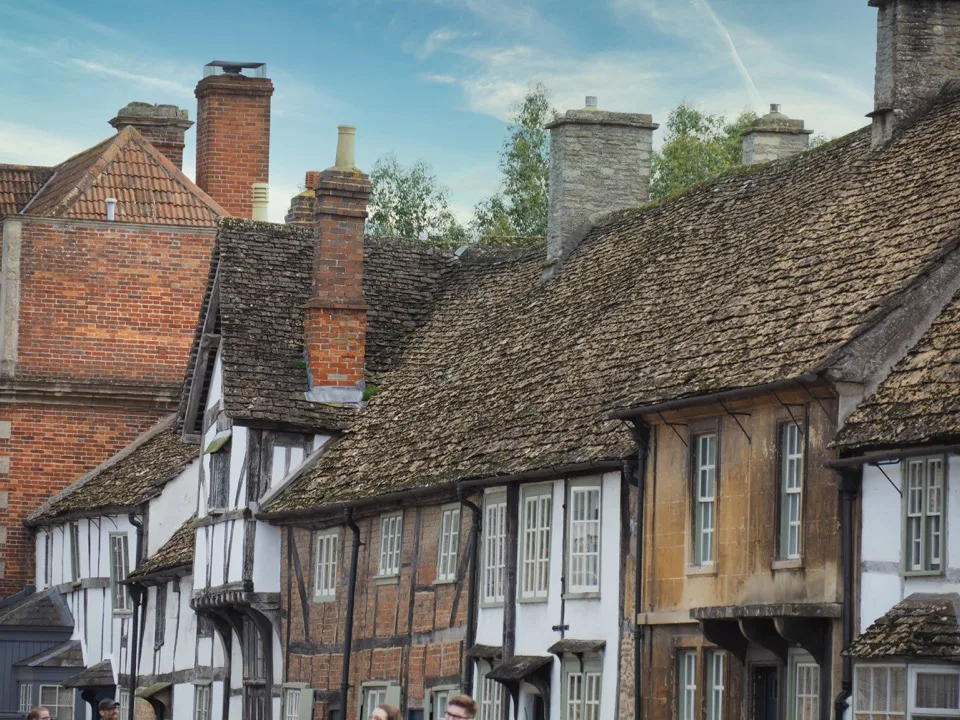
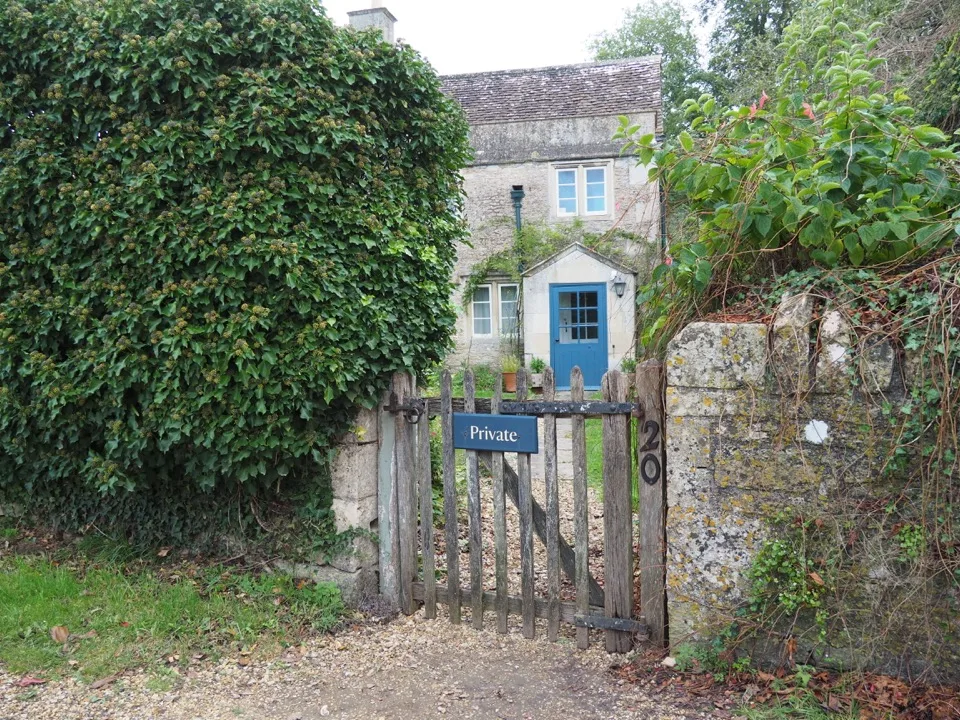
In short, the villages we liked best were the lively ones. The others are incredibly cute but a little too quiet for our taste — although they are lovely for photos ;-).
What else can you visit in the Cotswolds?
Variety is a good thing, and after a while you may want to do something other than visit villages — we certainly did! Here are a few ideas for cultural attractions in the region:
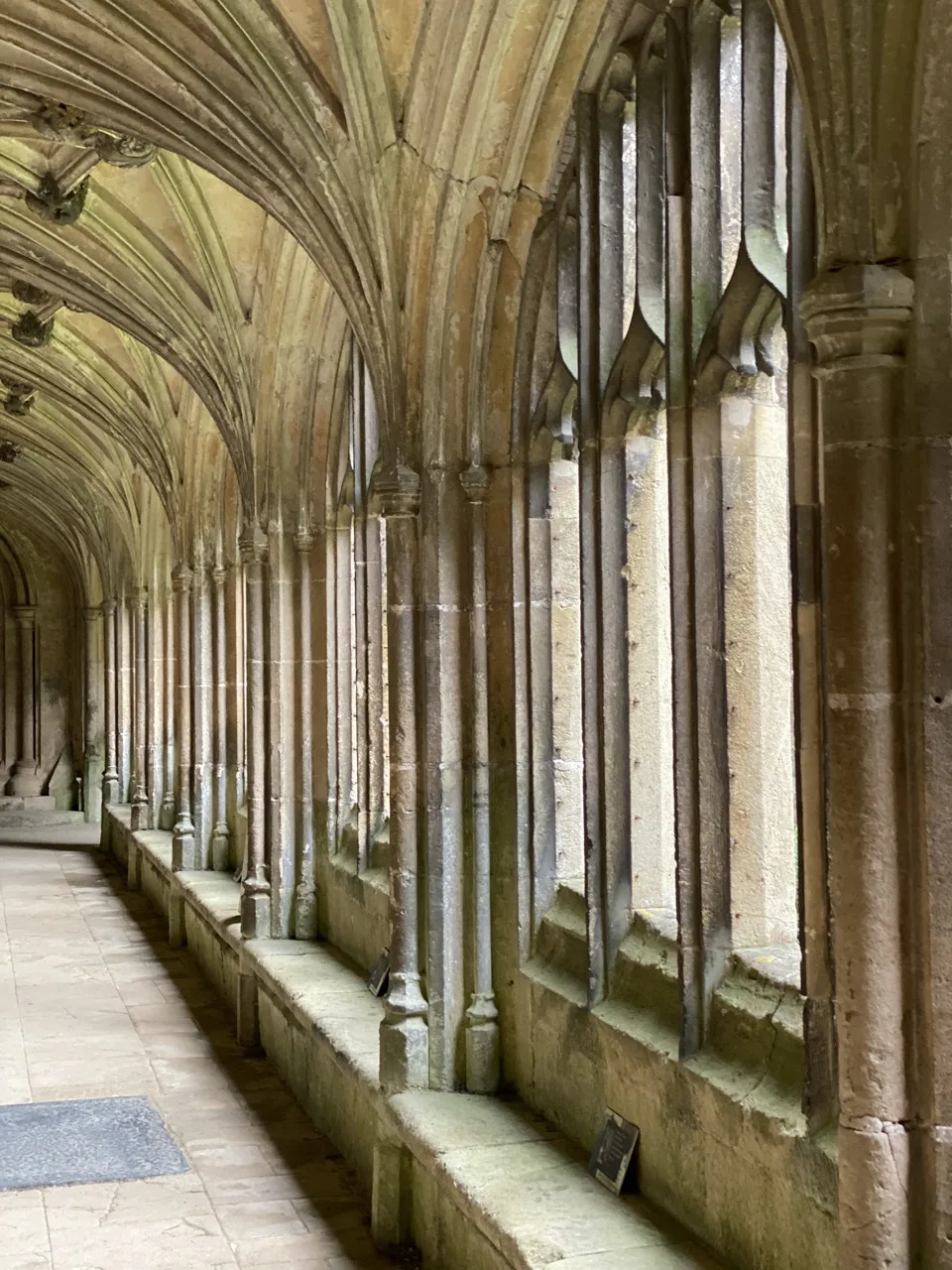
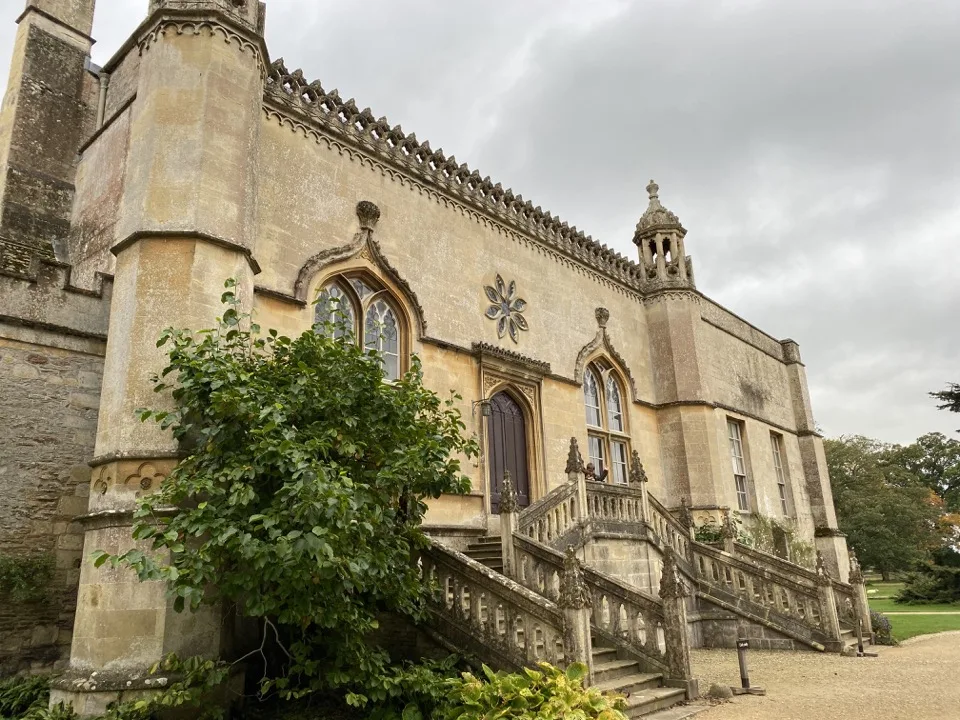
- Lacock Abbey: for the former abbey rooms where Harry Potter scenes were filmed, but what interested me most was the history of the Talbot family home and William Henry Fox Talbot, a pioneer of photography. Admission is charged, or included with National Trust membership.
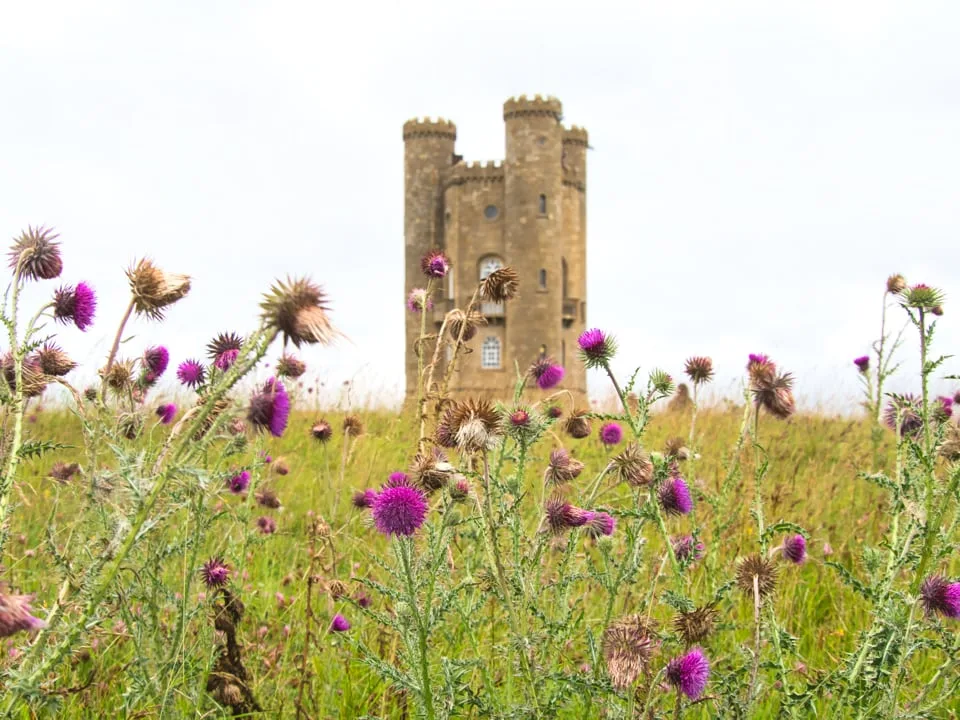
- Broadway Tower: an old tower at the top of a hill between several Cotswolds villages. A pleasant place to stretch your legs.
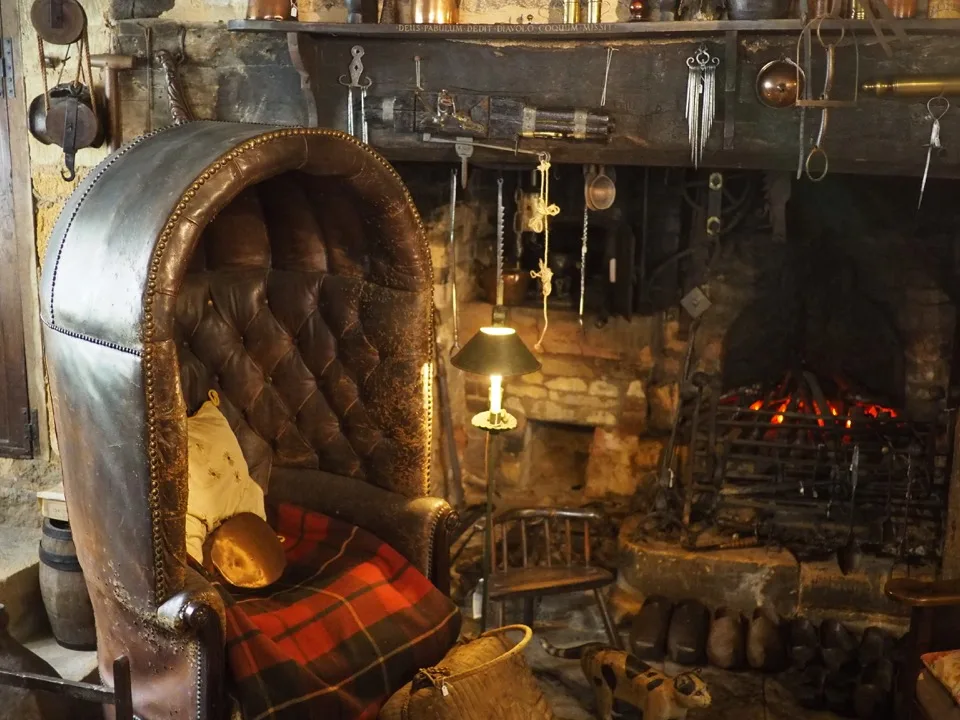
- Snowshill Manor (National Trust): the fascinating home of architect, artist and collector Charles Paget Wade. A visit introduces you to his life and work in the early 20th century, as well as remarkable collections of art objects, toys and old bicycles.
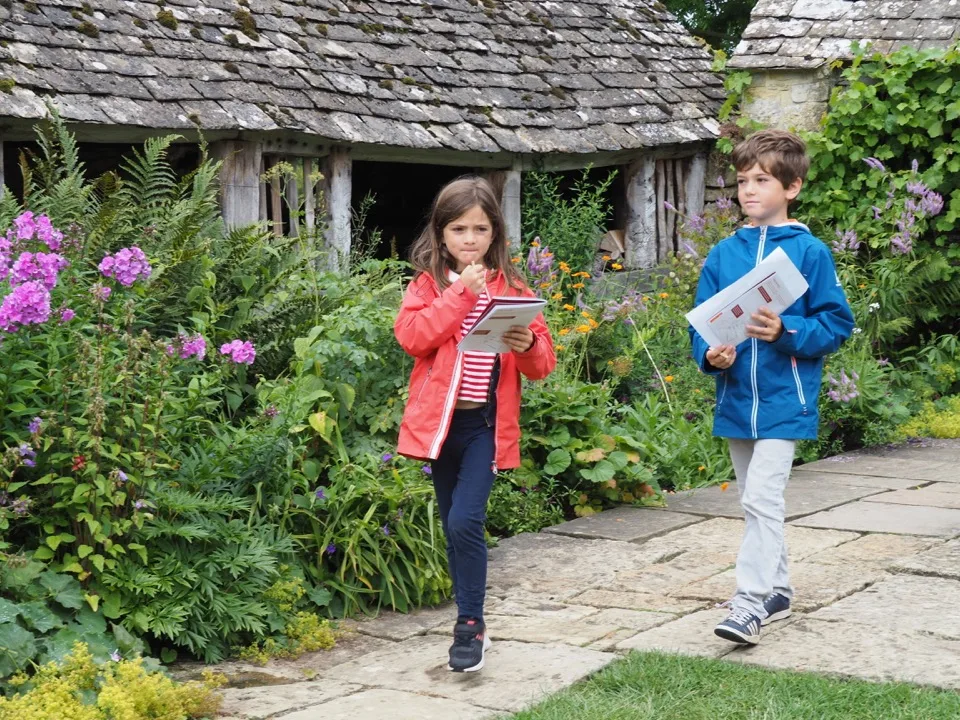
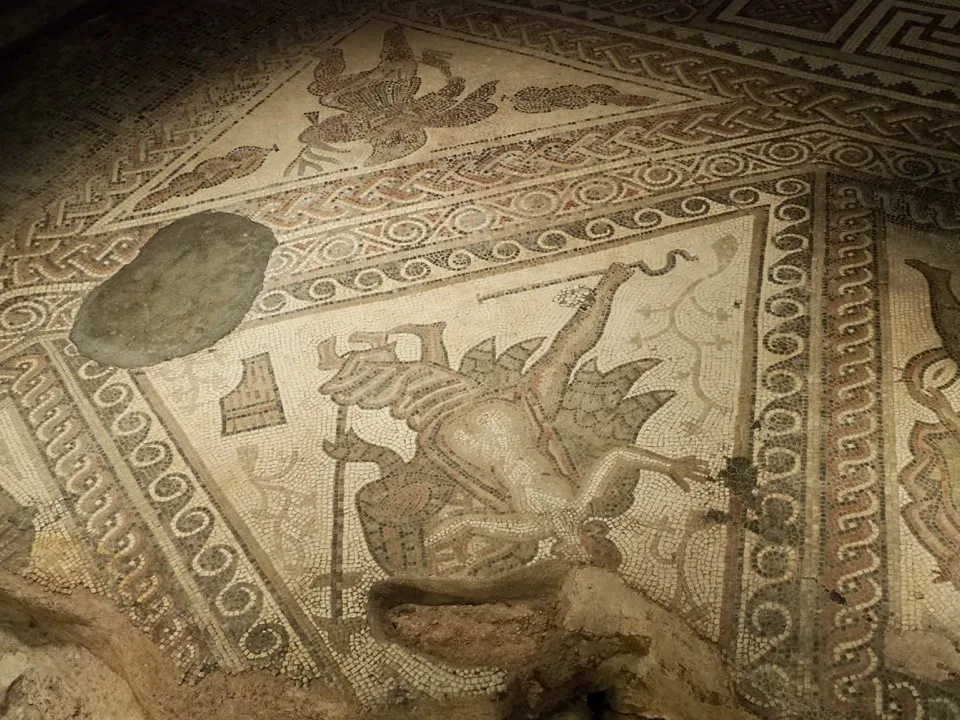
- Chedworth Roman Villa (National Trust): we were rather disappointed by this visit. There are some beautiful surviving Roman mosaics, but we did not feel there was a great deal to see. I would suggest visiting only if you have National Trust membership (see practical information).
- The Cotswolds Distillery, in Stourton: we did not manage to visit this gin distillery because it was fully booked both times we passed. Book well ahead — a week or more. One for next time!
***
Our tip for reducing the cost of visits: National Trust membership
A quick aside about National Trust membership. This is not sponsored in any way, but it can be a good deal if you are holidaying in England outside the major cities and plan to visit several historic places such as castles, manor houses and parks. Two-adult family membership costs £176.40 for a year in 2026, which initially seems expensive if you are staying in England for only a week or two. However, as a family visit can often cost around £50, membership may pay for itself after roughly three visits. Check the National Trust website to see whether places on your itinerary are included and work out whether it makes sense for you. Tourists are allowed to buy membership; it is not restricted to residents.
Visiting the Cotswolds with children: practical information
Our favourite places to eat
- The Hive in Stow-on-the-Wold: for a light lunch or something sweet.
- The Porch House in Stow-on-the-Wold: a pub that also describes itself as England’s oldest inn!
- The Mousetrap Inn in Bourton-on-the-Water: for dinner in a traditional pub, with a terrace in summer.
Where should you stay in the Cotswolds?
In a B&B or hotel
-
To soak up the atmosphere of the old villages, you can book a room in a typical Bed & Breakfast, such as Lorne House B&B between Castle Combe and Lacock, ideally located for visiting the southern Cotswolds.
**** When you book a hotel on Booking by following a link on my articles, it allows me to receive a small commission: it does not change the price for you and it helps me maintain the blog. So thank you very much to those who book the hotels we recommend! **** - Finally, while travelling for work to attend a seminar, I was lucky enough to spend a night in a superb but naturally more expensive boutique hotel: Thyme, a hotel that is effectively a village within a village.
The Cotswolds by campervan
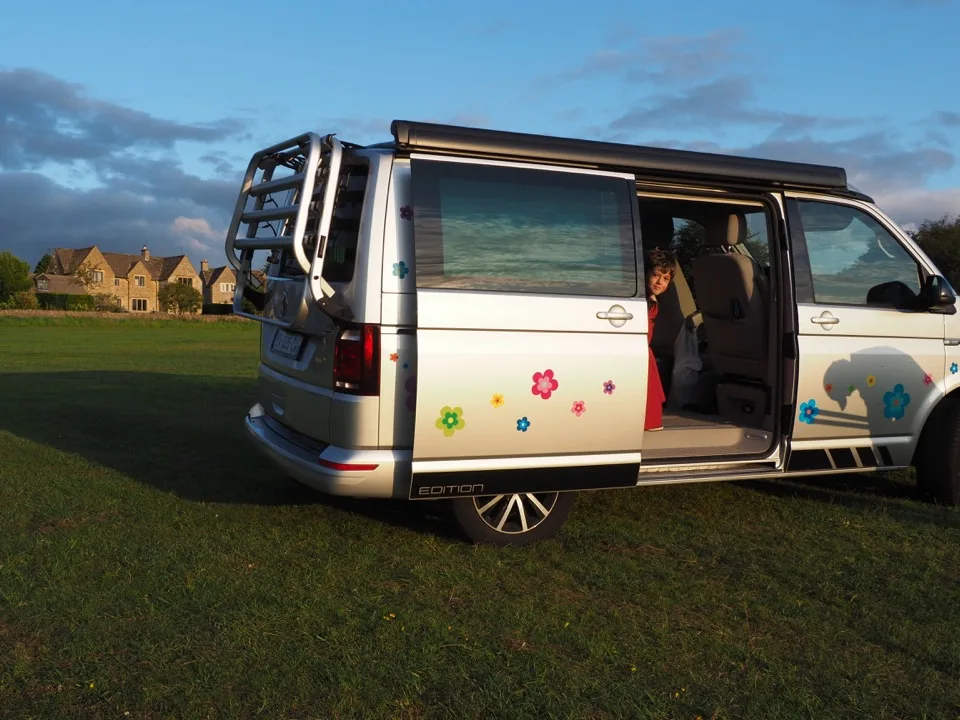
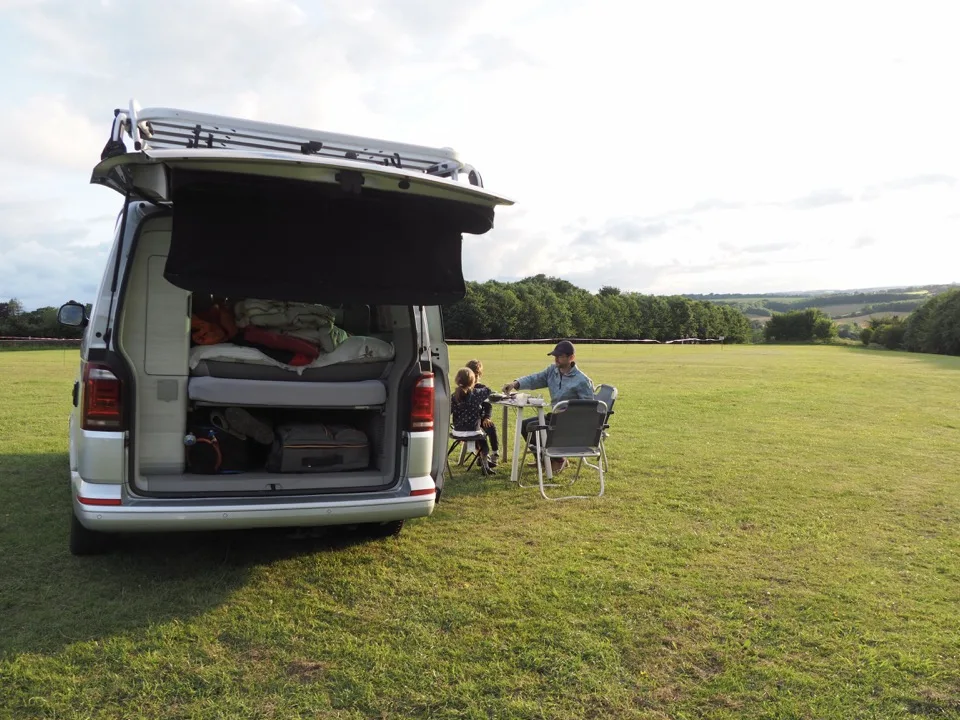
That summer we slept in our campervan and found it very difficult to find a free or affordable overnight spot. Paid options are often very expensive — more so than in France.
Staying in Bath
When we visited the Cotswolds in autumn, we stayed in the city of Bath, only 30 minutes from the villages in the southern Cotswolds. We booked a B&B.
How many days do you need to visit the Cotswolds?
We spent around two days in the Cotswolds on each of two family visits. I actually preferred splitting the experience into two short stays, as I think we might eventually have suffered from village overload! If you have more time, I recommend alternating visits to Cotswolds villages with time in a city such as nearby Bath, which has a great deal to offer. You could also combine your Cotswolds stay with a visit to Stratford-upon-Avon, Shakespeare’s home town, or a stay in Oxford. If, on the other hand, you have only one day for the Cotswolds during an English road trip, perhaps because they lie on your route towards Wales, the Lake District or Scotland, even one day will give you a taste of the atmosphere and architecture because the villages are small and close together.
When should you visit the Cotswolds?
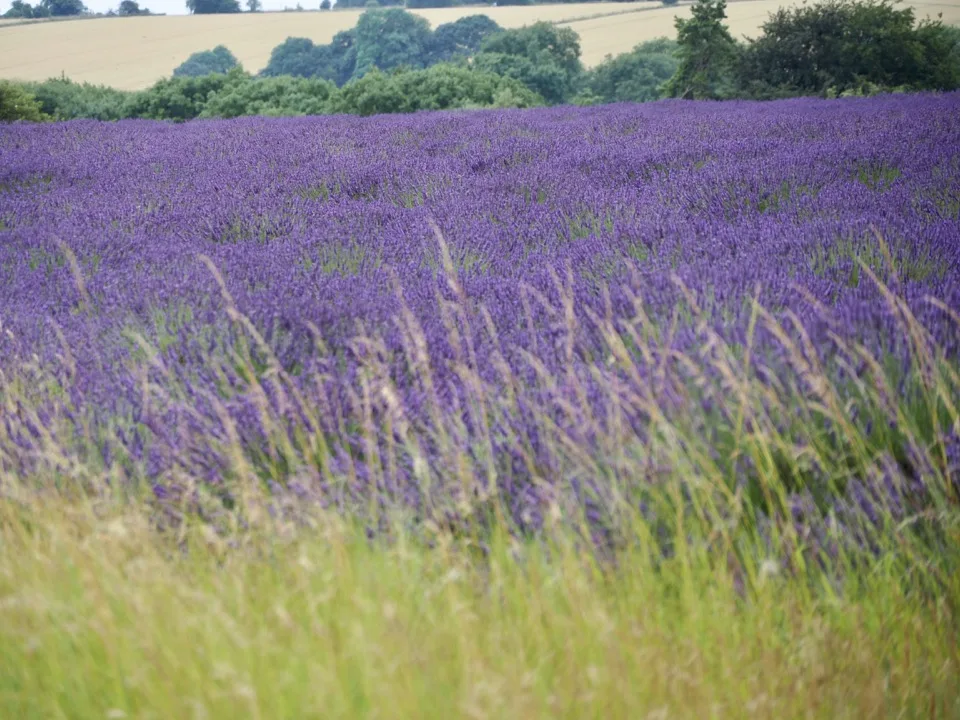
I really enjoyed the weather during our first stay in late July. It was sunny without being too hot. Bear in mind, however, that the region is very popular, especially from mid-July to mid-August. We were still able to enjoy the lavender fields in July. During the October half-term holidays, we were lucky: it was very cold but sunny, with beautiful light at the end of the day. For the weather, I would recommend visiting between April and October, while still bringing an umbrella and wellington boots just in case.
Getting around the Cotswolds
You really need a car to explore the Cotswolds. The roads are attractive and peaceful, but often quite narrow, so choose a small car if possible. That said, we managed to squeeze through in our campervan.
If you are from the continent and if you hire a car, I recommend choosing an automatic so that you do not have to change gear with your left hand. Roads in England are toll-free, but parking is rarely free and can be very expensive. You will need to park in each village. Some villages do offer free periods in the morning or from the middle of the afternoon.
Reading ideas to immerse yourself in the Cotswolds
I discovered the Agatha Raisin adventures by M. C. Beaton following a recommendation from a blog reader. The series is set in the Cotswolds. These are very light reads about small mysteries investigated with humour by Agatha, a woman in her fifties from London who decides to settle in a little Cotswolds village. They are not essential reading, but they are easy to read, even in English, and perfect for immersing yourself in the atmosphere of the villages. I read one of the books after returning from the Cotswolds, and its descriptions matched the places we had visited perfectly.
So, are you tempted by the Cotswolds?

You read this blog — which means you value quality content grounded in real experiences. With Google Preferred Sources, tell Google which publishers you trust. Add us and other sources you love, and Google will surface them more in your future search results.