
As I am Parisian and here I tell you all about our travels with children, ultimately I rarely talk about Paris, my dear city! Which museums, neighbourhoods and monuments should you visit in Paris with children? So here is a first selection of 20 visit ideas for discovering Paris as a family!
20 visits for discovering Paris as a family:
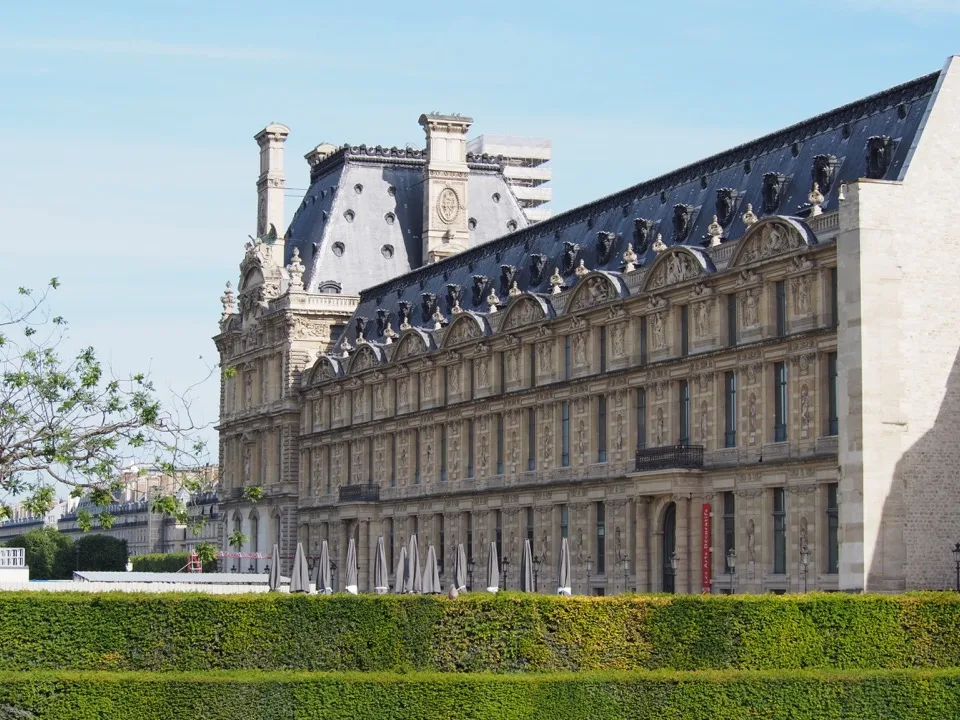
1 – The Louvre Museum in a short version:
At the Louvre, with children, I recommend choosing a small part of the museum and spending only one hour there. Our children liked the section:
- on Egypt (Sully wing): the room with the mummies and sarcophagi, the statue of the Seated Scribe, the blue hippopotamus statuette, the Great Sphinx, etc.
- on Primitive Arts : magnificent African masks, pre-Columbian sculptures, art from Oceania and Asia.
- on Islamic Arts : a superb Ottoman wall that catches the eye with the beauty and diversity of its blue patterns.
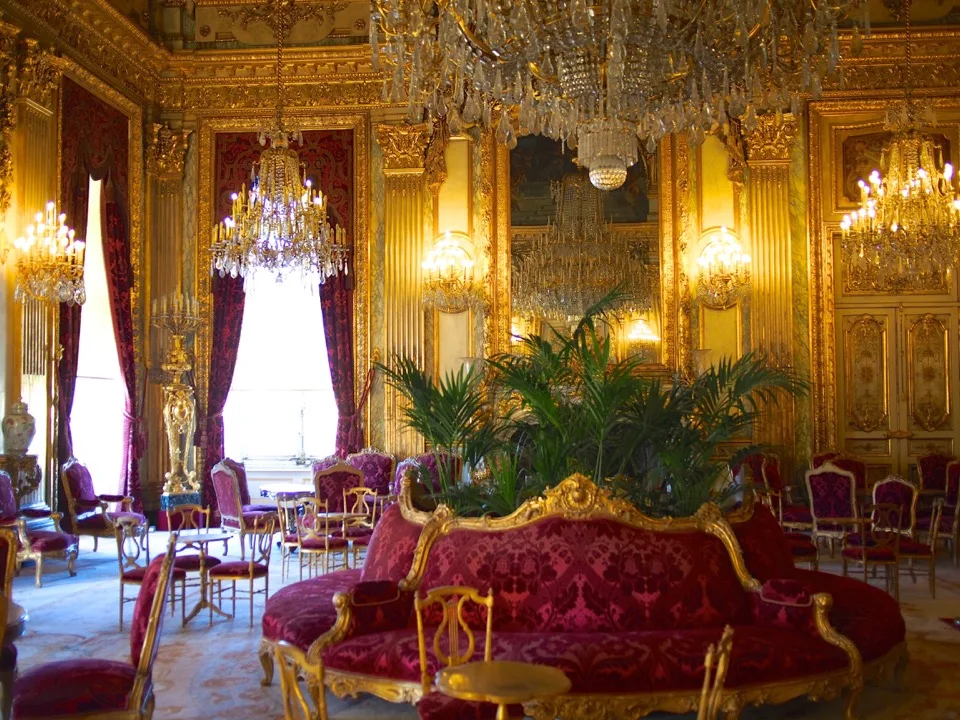
- also, I strongly recommend Napoleon Bonaparte’s apartments: a real favourite and often not very busy!
The most visited galleries at the Louvre are devoted to Italian painting or French painting, but I think that would be a little ambitious with children! Finally, to avoid long queues at the museum entrance, I recommend entering via the Porte des Lions rather than the Pyramid entrance.
After or before your visit to the Louvre, children will enjoy a break in the magnificent Tuileries Gardens. During the festive season, there is a Big Wheel offering lovely views over the surrounding area.
Bookings: on the official Louvre Museum website. €22 for adults from the EEA, free for all children and free for 18-25-year-olds from the EEA (2026 prices).
Bonus info: in the Louvre buildings, you will also find the Musée des Arts Déco, which often puts on very beautiful exhibitions. See their programme here.
2 – The Palais Garnier (Paris Opera):
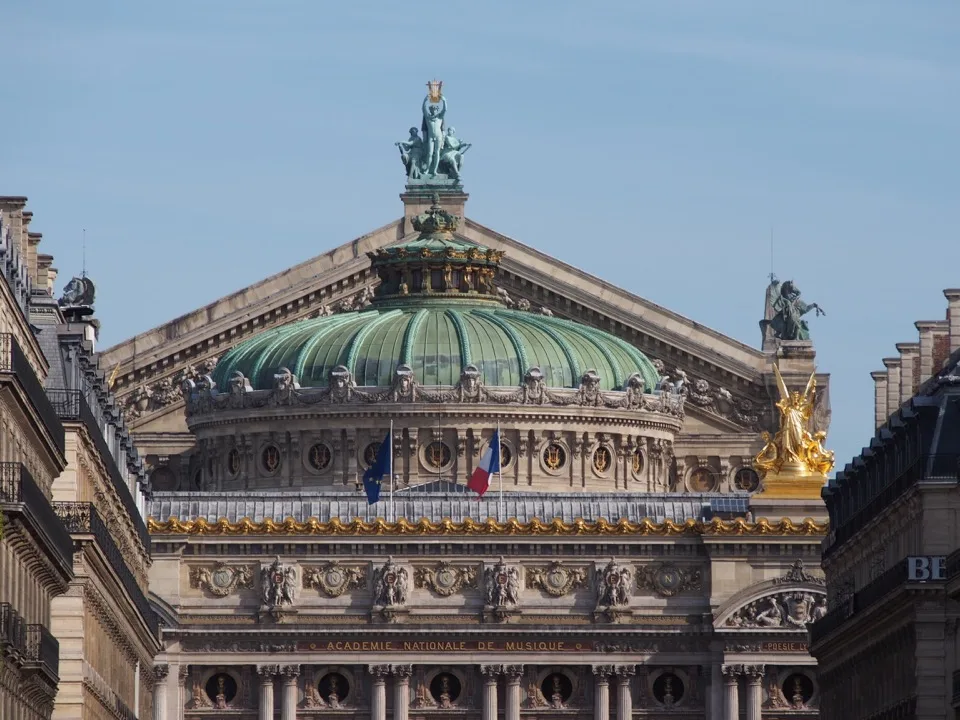
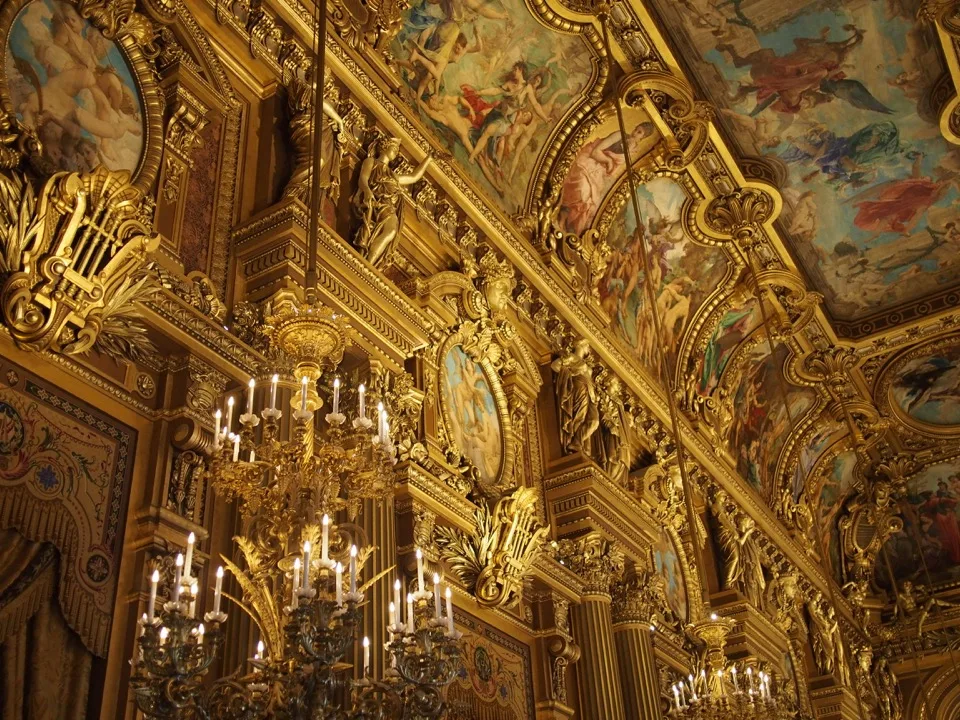
My Titpuce is a fan of Ballerina and classical dance, so the Paris Opera is a must-see for her! The visit inside was a real favourite for the whole family! It is Versailles, but not in Versailles! Luxury and excess are on the programme. You step into Paris during the Second Empire. Not to be missed:
- The grand staircase, so majestic.
- The ceiling painted by Chagall in the auditorium.
- The grand foyer, which clearly recalls the Palace of Versailles with all its gilding and mirrors.
Bookings: on the Opéra Garnier website. €15 for adults from the EEA, free for children up to age 12 and €10 for 13-25-year-olds from the EEA (2026 prices).
Bonus info: remember to check the programme because seeing a show will allow you to admire the place (so you could save on the visit). With my daughter, we went to one of the performances by the Petits Rats de l’Opéra (usually in December and in spring). A great idea for a mother-daughter outing!
Current news: a new film about The Phantom of the Opera, starring Romain Duris, will be released in cinemas in September 2026 (at least in France). A good way to immerse yourself again in this beautiful romantic legend.
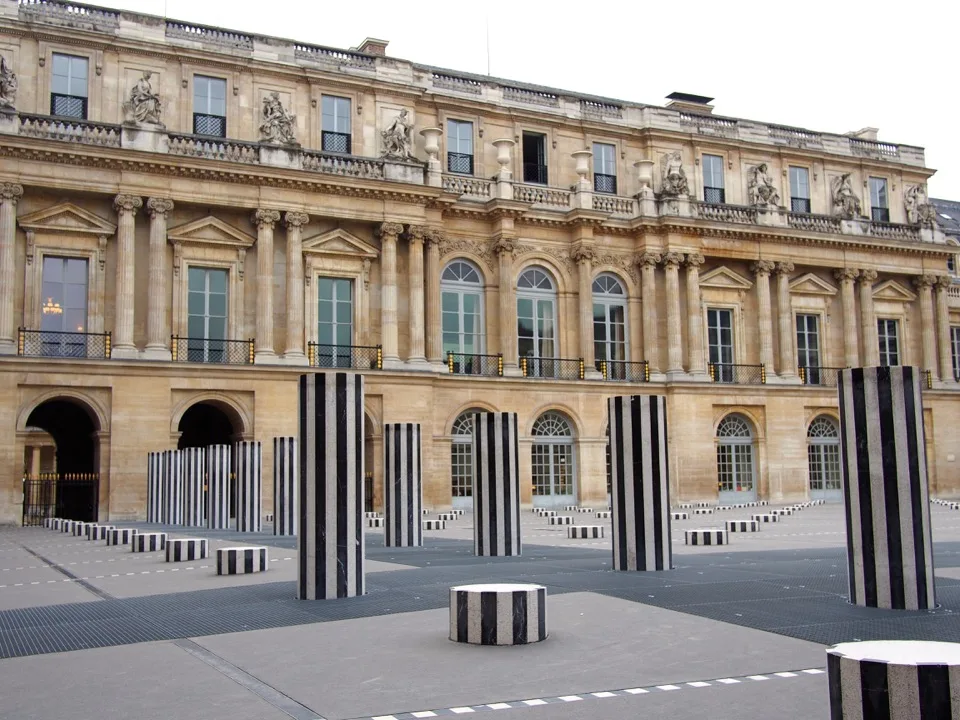
3- The Buren Columns, a Japanese restaurant and perhaps the Musée en Herbe:
The Buren columns are located in the courtyard of honour of the Palais Royal, behind the Comédie Française. It is a work of art by Daniel Buren dating from 1986. It is not a very big space, but Ticoeur and Titpuce never tired of climbing on the smaller marble columns and it makes for very pretty photos!
Nearby, you can have lunch in the Japanese quarter with a delicious bowl of ramen (rue Sainte-Anne and around).
Bonus info: just a few steps from the Buren Columns, if the programme looks good, do not miss the Musée en Herbe, dedicated to art exhibitions for children.
4- The Petit Palais or the Grand Palais:
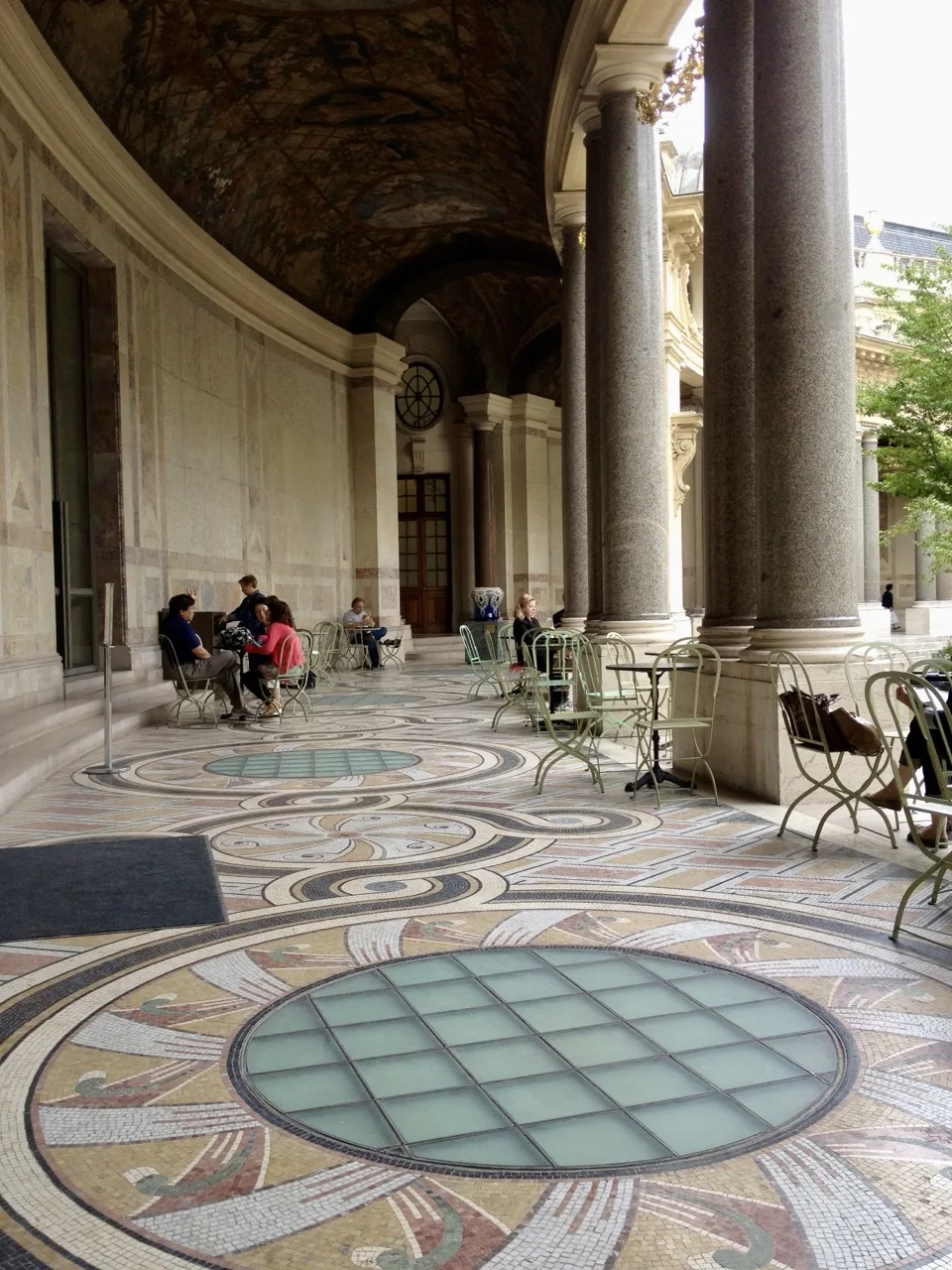
- The Petit Palais, right next door (free), presents beautiful and varied art collections in a magnificent setting. Plus, you can sit down for lunch on the terrace of its lovely garden. From 20 June to 20 September 2026, do not miss the free exhibition “Here we are (still) here”: colourful urban art that the whole family will enjoy!
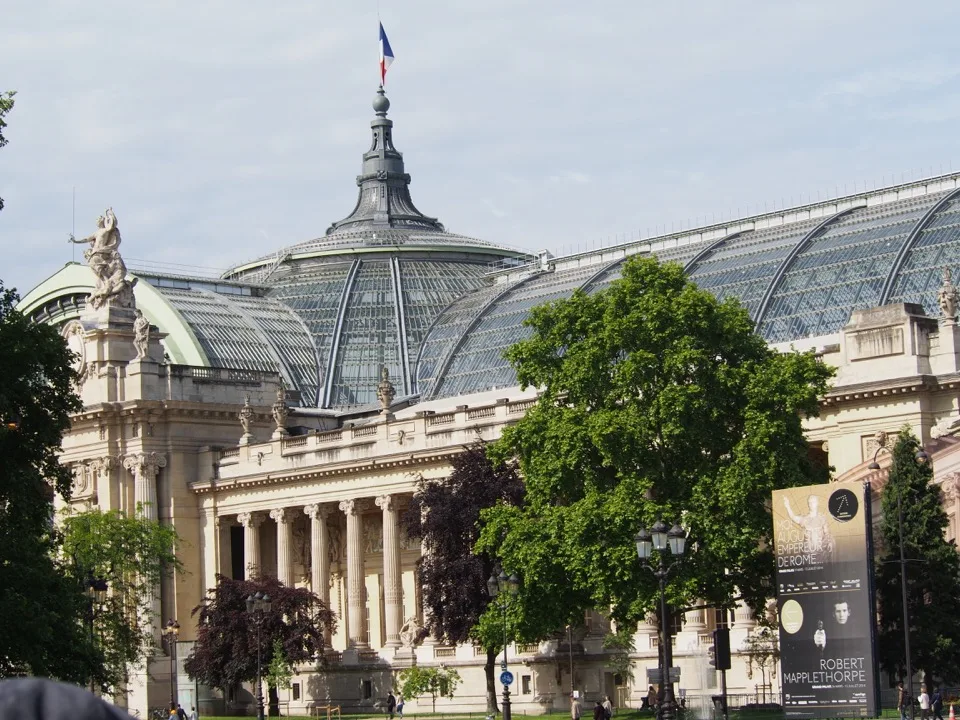
- Finally, the Grand Palais is sublime, so if the current (paid) exhibitions might appeal to your children, go for it! The interior is monumental! The current exhibition not to miss? The Matisse exhibition, until 26 July 2026.
2026 info: just next to the Petit Palais, there is also the Palais de la Découverte (perfect for introducing children to science in a fun way), but it is currently closed for renovation.
5- The Musée de la Chasse et de la Nature in the Marais and/or the Picasso Museum:
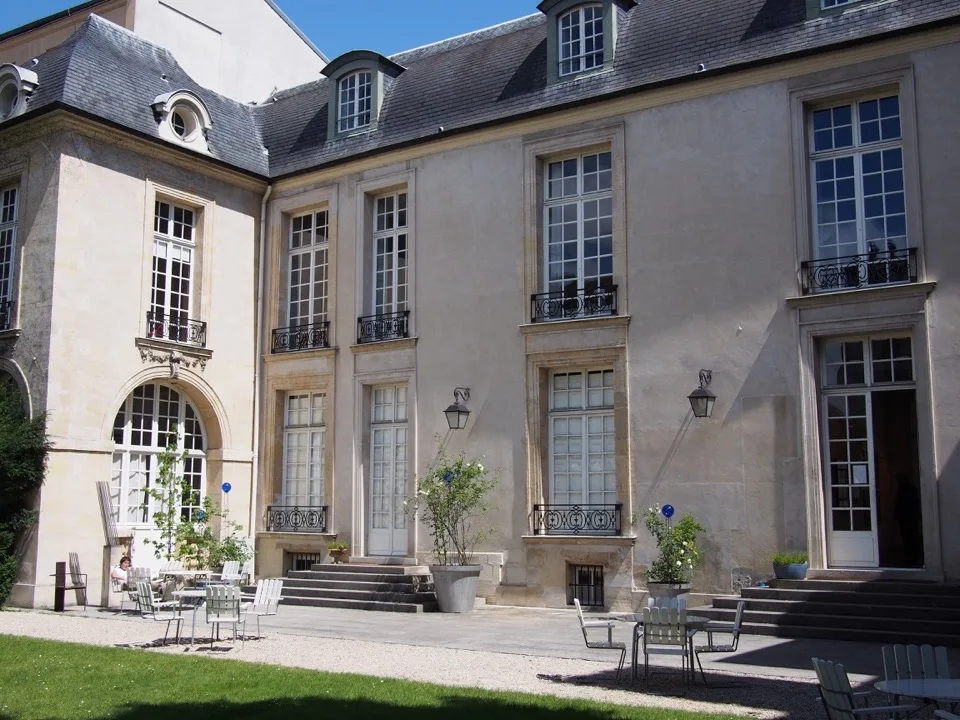
Ticoeur and Titpuce loved the Musée de la Chasse et de la Nature, located in the heart of the Marais, a neighbourhood not to miss when visiting Paris for the first time. In the museum, you enjoy the setting of a magnificent mansion and discover paintings, taxidermied animals, weapons and decorative objects. Allow a good hour for the visit.
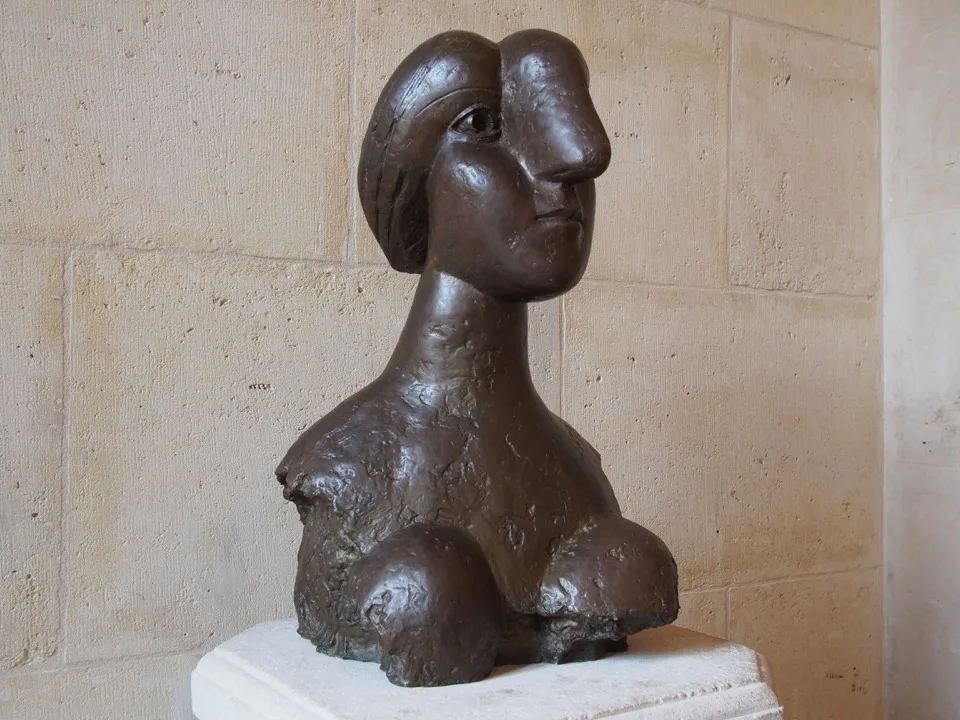
Not far away is the Picasso Museum, which is absolutely superb! Children should also be interested in the visual originality of the artist’s works. Doing two museums in a row is not suitable for all children, so I will let you choose according to your preference.
Bonus info: for a gourmet break in the Marais, just a few steps from these museums, I recommend the courtyard of the Swedish Institute, where you will find Café Fika.
6- The Centre Georges Pompidou, the Stravinsky Fountain and a delicious pistachio ice cream!
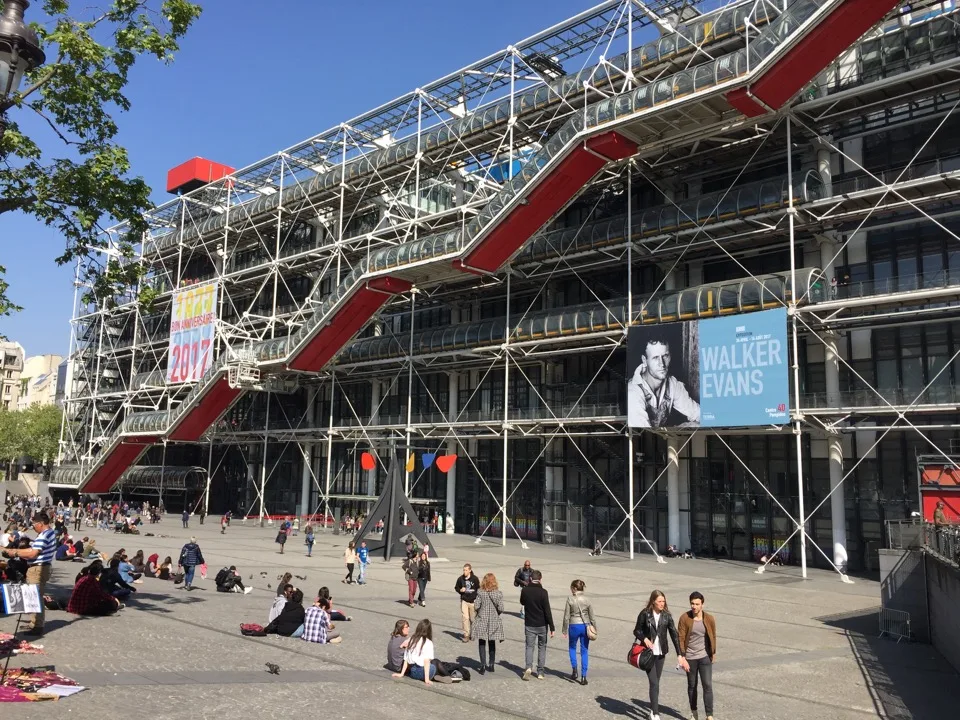
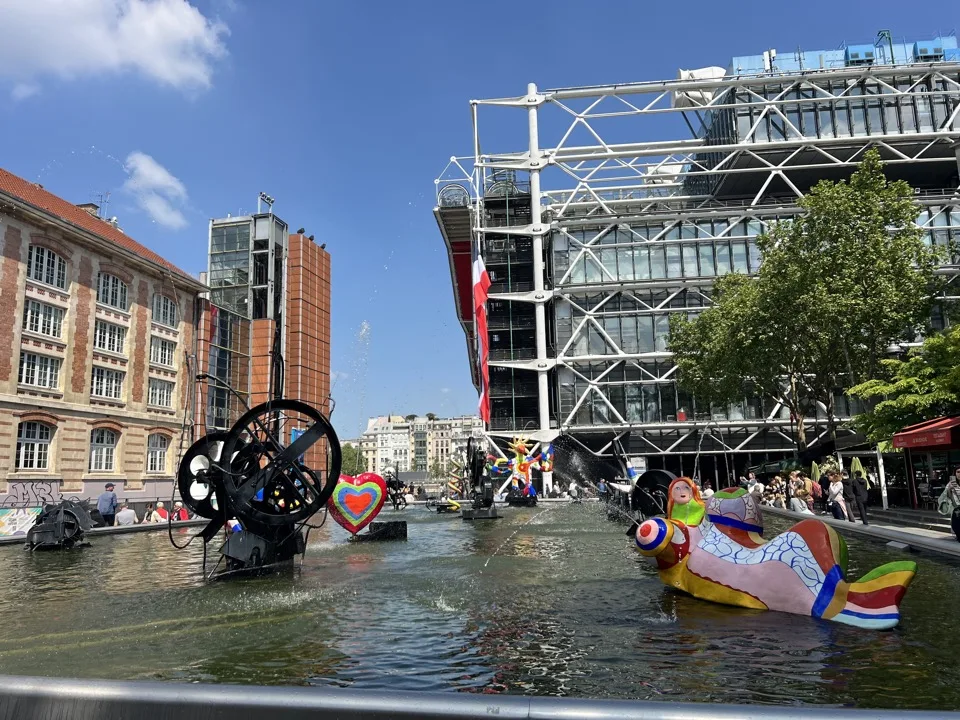
The Centre Pompidou is closed for renovation until 2030 but, just a few steps away, the Stravinsky Fountain by Jean Tinguely and Niki de Saint Phalle catches children’s attention. Then, a few steps further, you will arrive at Bachir (58 rue Rambuteau, Paris 3rd), a Lebanese ice cream shop (and organic too!) where the ice creams are delicious, especially the pistachio and ashta flavours.

7- The Musée des Arts & Métiers and brunch at La Gaîté Lyrique:
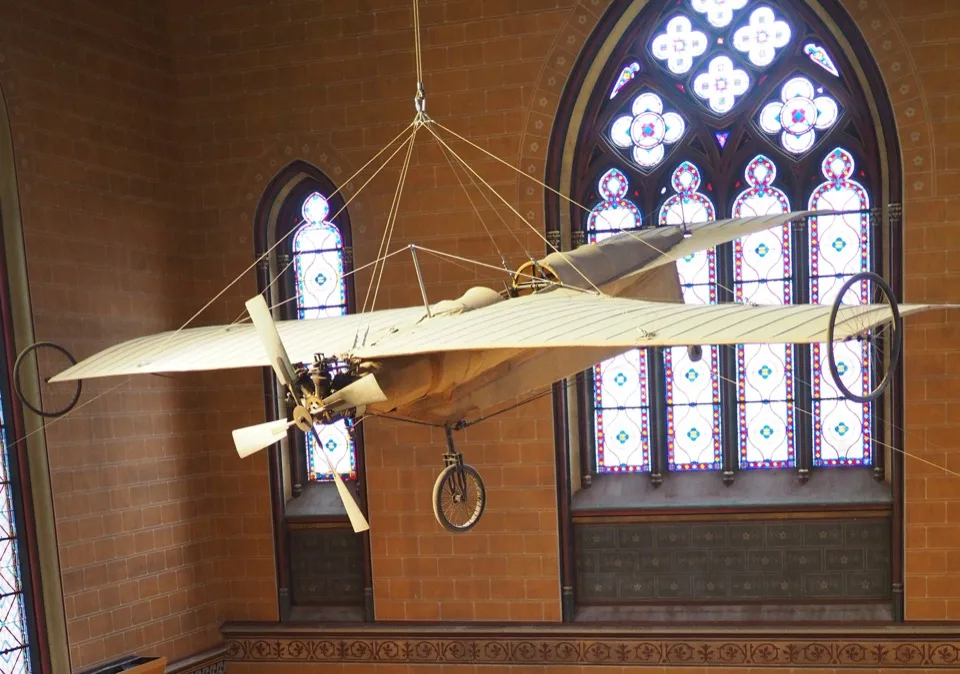
We really like the Musée des Arts et Métiers, located right in the heart of Paris and bringing together inventions and trades through the ages. Do not miss the part located in the former church, with Foucault’s pendulum and the first aeroplanes. The collection of old bicycles is also interesting.
Then, I suggest heading to the cultural space of La Gaîté Lyrique (5 minutes on foot), where you can have lunch or brunch at 3Bis, a café and games bar. Also, feel free to check the programme at La Gaîté Lyrique, which regularly offers exhibitions suitable for young audiences, dedicated to digital arts and contemporary music.
8- The balloon at Parc André Citroën:
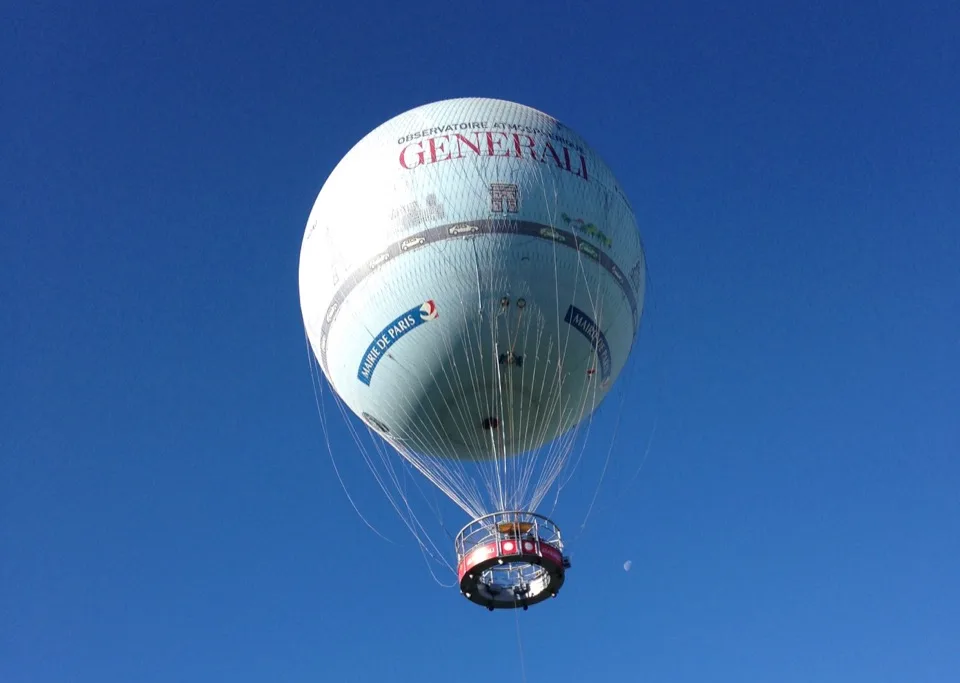
Obviously, Paris has no shortage of famous viewpoints! The top of the Eiffel Tower, the roof of the Arc de Triomphe or the terrace of the Sacré Cœur are undoubtedly the most famous! But I suggest flying up in a balloon at Parc André Citroën, for the children’s enjoyment and for very beautiful views over the capital, 150m up. There are rarely many people, but the balloon does not always take off because very favourable weather conditions are needed. With Titpuce, we tested and approved it! But it is impressive! It moves quite a lot, so avoid it if you suffer from vertigo.
9- The Jardin des Plantes and its museums:
When the weather is nice, and especially in spring or summer, the Jardin des Plantes is a very pleasant place for a family stroll. The garden is free, but you can buy tickets to visit:
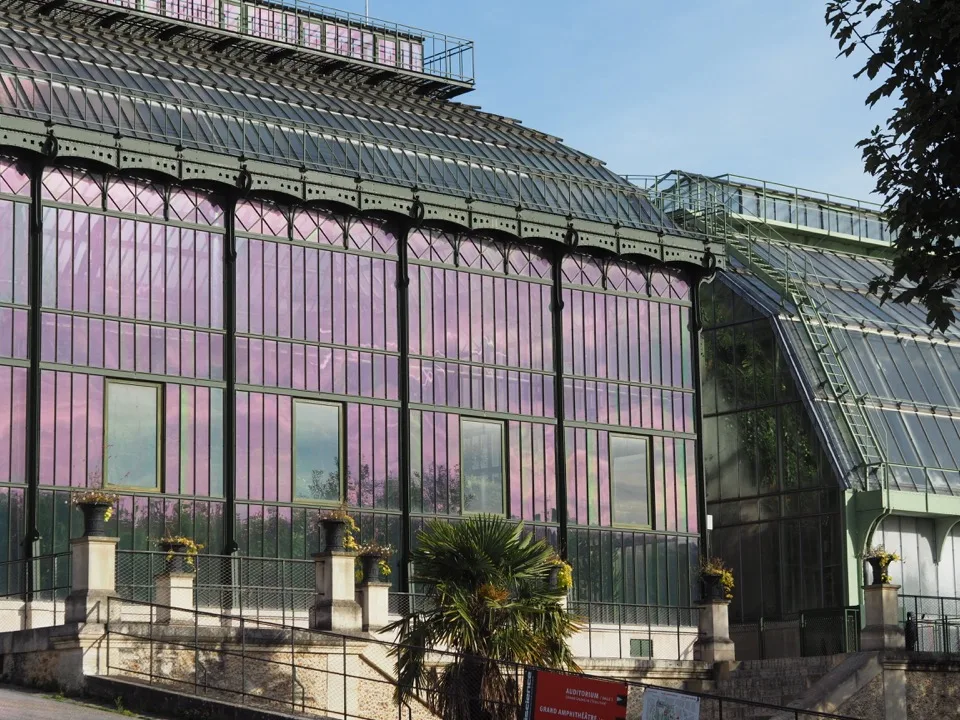
- The Grandes Serres and their 4 areas to discover: the tropical forest, the deserts, Pacific biodiversity and the History of Plants. Bookings and prices.
- The Grande Galerie de l’Évolution: in the impressive setting of an immense glass roof, you discover the history of living things and many animals. Bookings and prices.
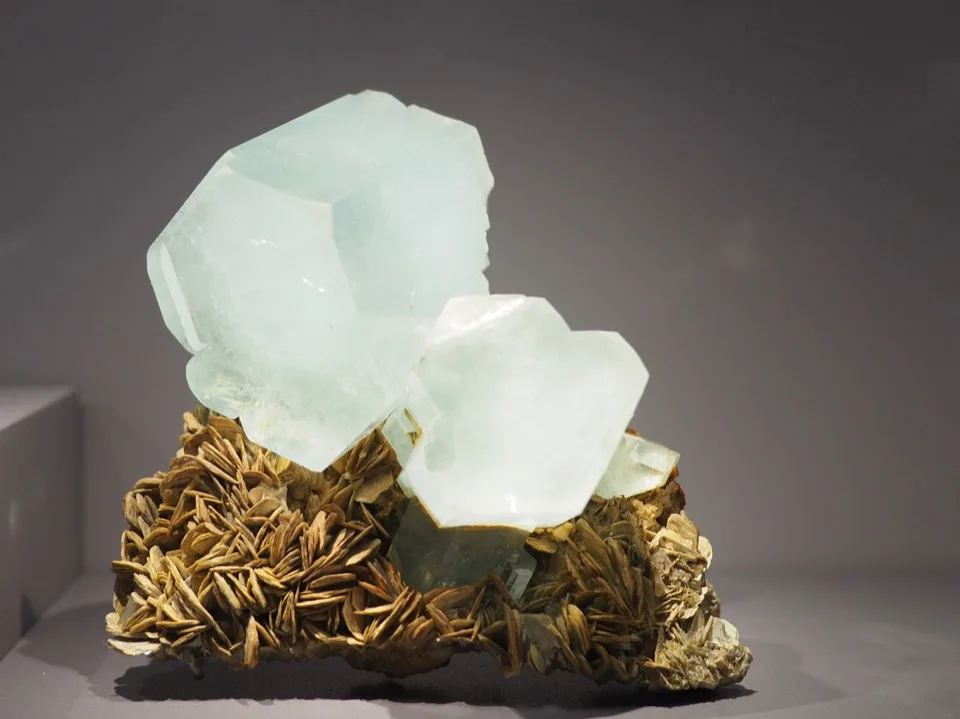
- Recently, it was the Gallery of Mineralogy and Geology that we rediscovered and really enjoyed! You can see very beautiful specimens of crystals, precious jewellery, diamonds and Martian meteorites!
10- From the Paris Mosque to the Arènes de Lutèce:
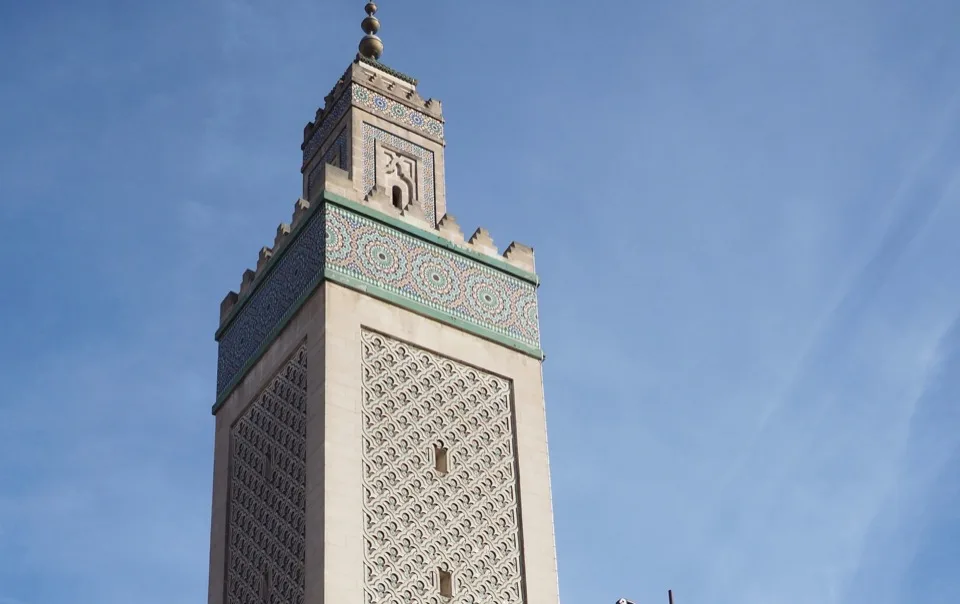
When leaving the Jardin des Plantes, you can have a mint tea in the oriental setting of the Paris Mosque: the interior room is very exotic and the Hispano-Moorish garden gives the impression of a trip to Andalusia.
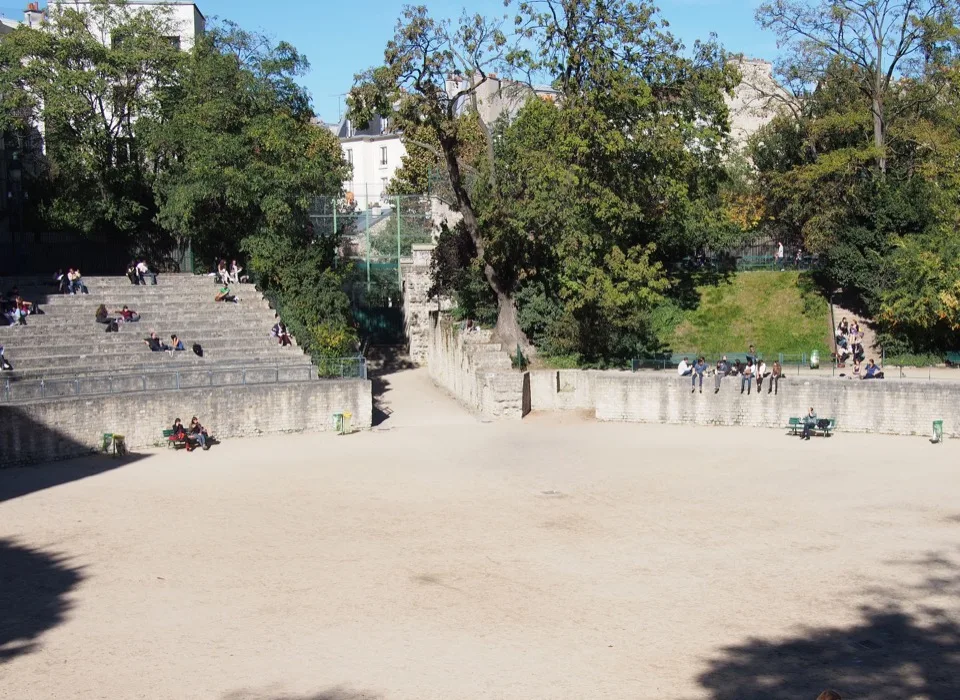
Then, right next door, head to the Arènes de Lutèce, not often visited and yet they are beautiful Gallo-Roman remains (free access). These arenas used to host gladiator fights and theatrical performances. Children can run around and you can sit on the amphitheatre steps for a picnic.
Bonus info: if you do not have a picnic, I recommend the crêperie Le Pot O’Lait, located 10 minutes away on foot (41 Rue Censier, Paris 5th).
11- A barge or water-bus ride and a visit to Notre-Dame de Paris:
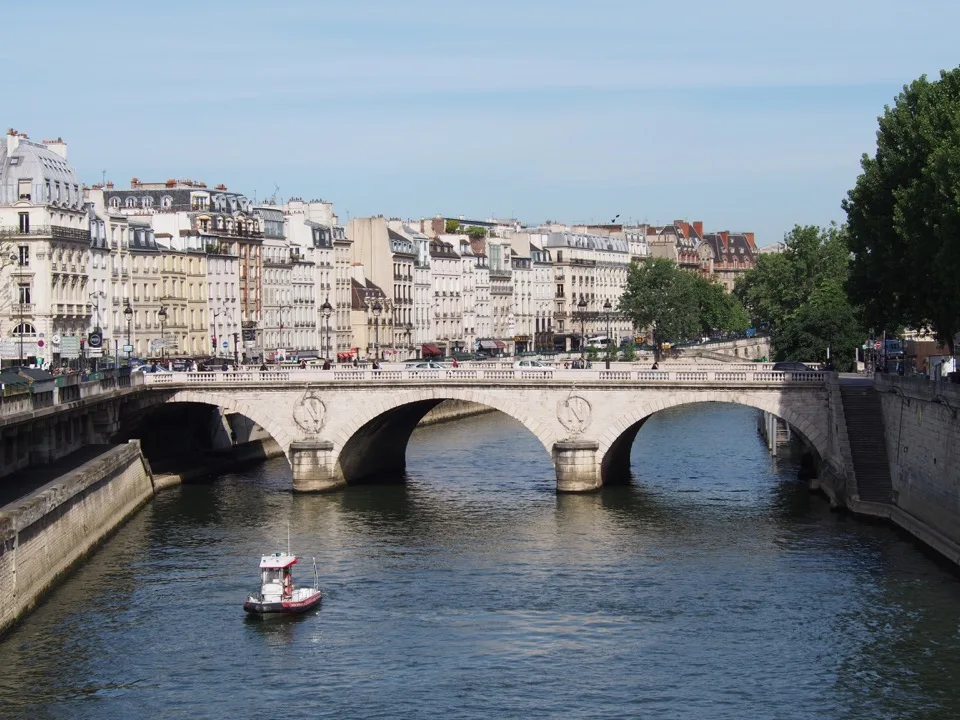
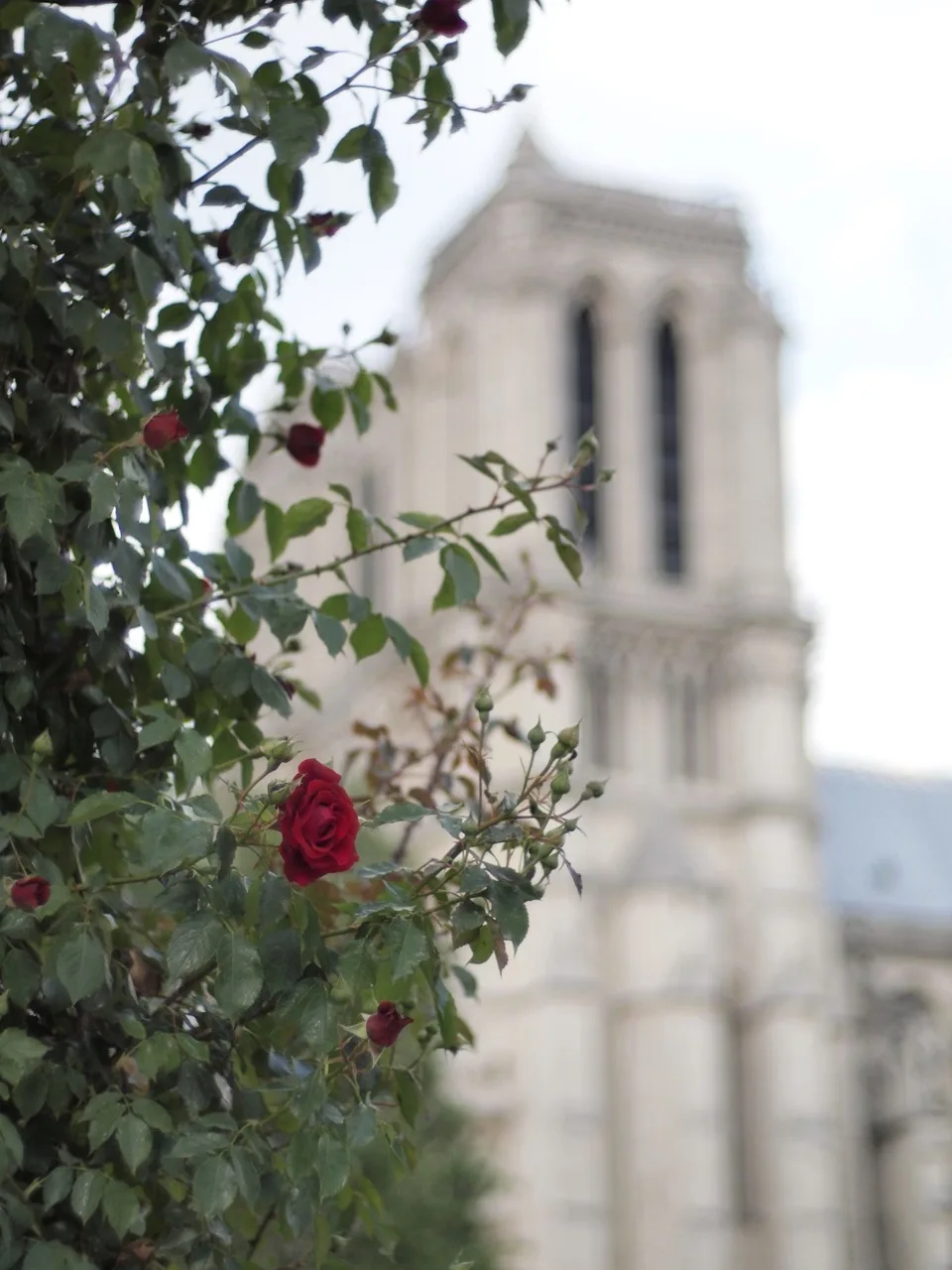
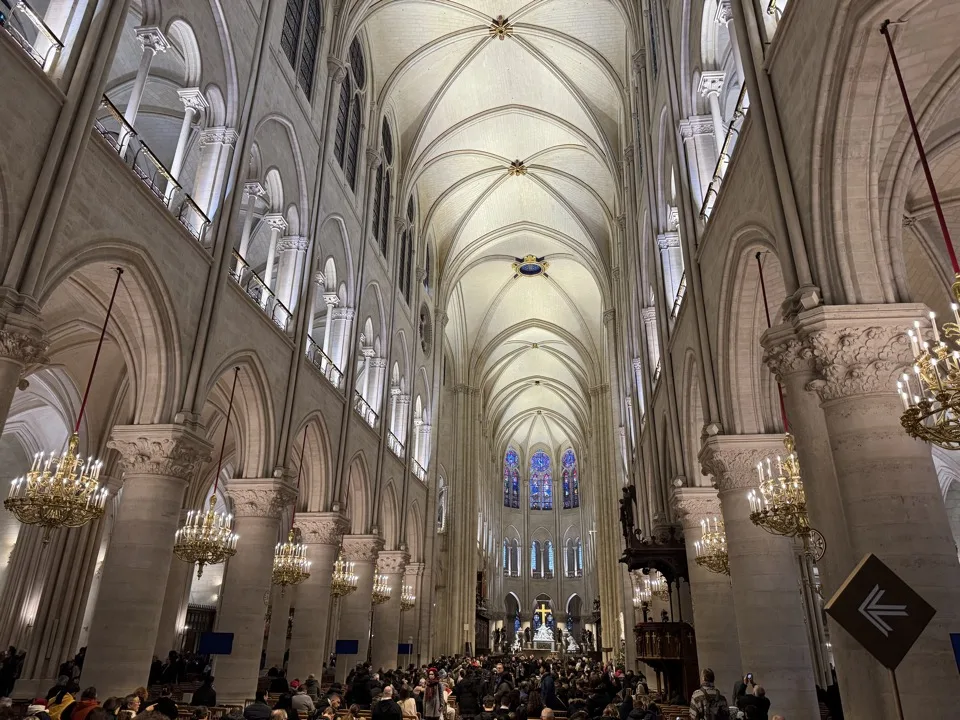
Here is a great classic that lets you see Paris from the Seine. As a family, the advantage of a barge ride is that the children do not get tired. If you do not want to board a full cruise, you can also take a water bus (see the Batobus website for pass timetables and prices). Along the way, you can wave to Notre-Dame de Paris. And while disembarking, I recommend visiting the renovated interior of Notre-Dame de Paris. It is superb!
12- The Fondation Louis Vuitton and the Jardin d’Acclimatation:
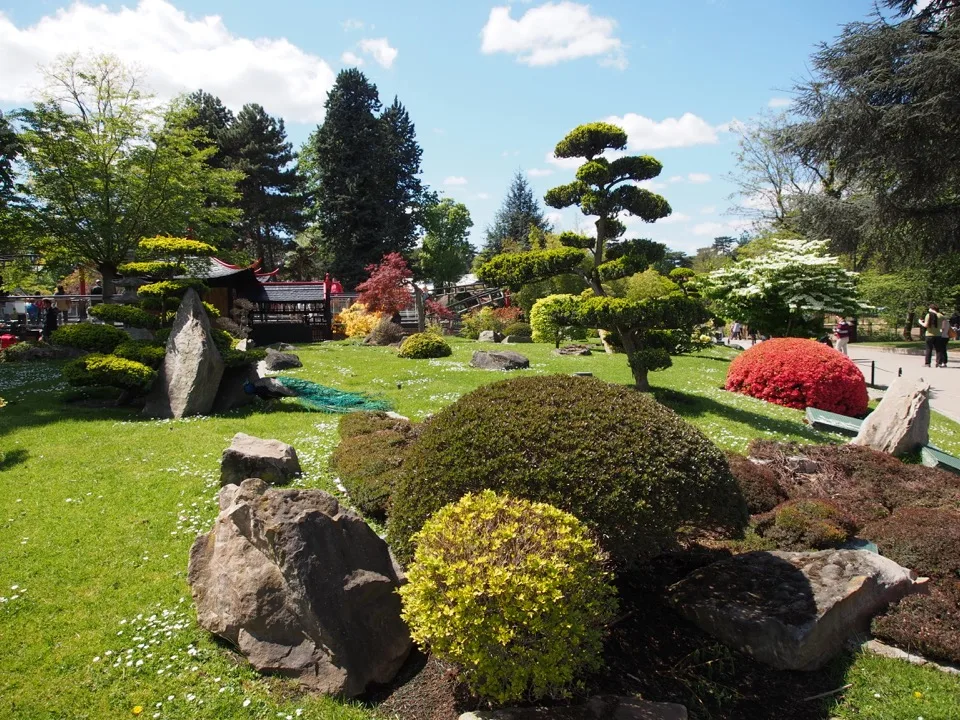
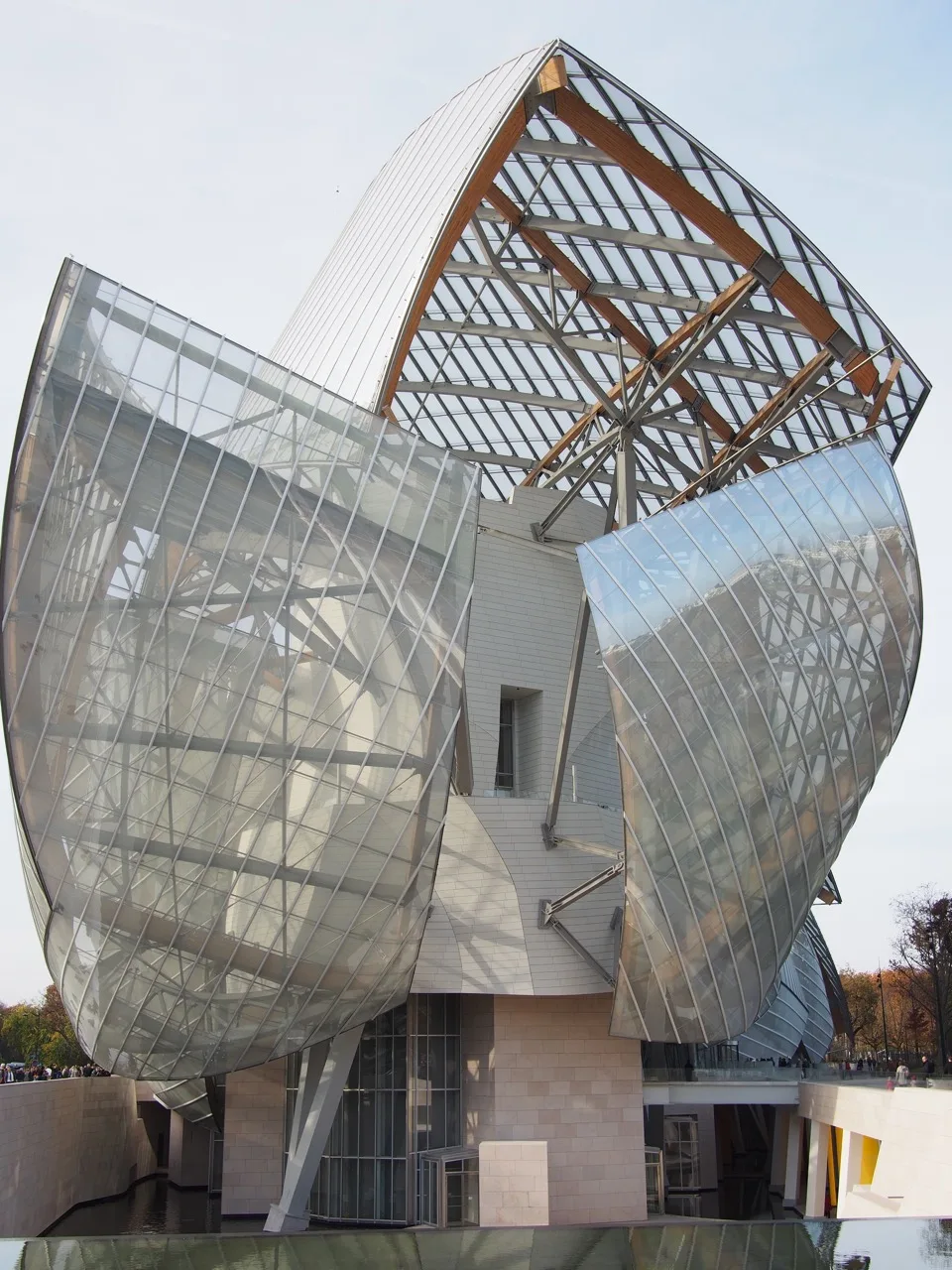
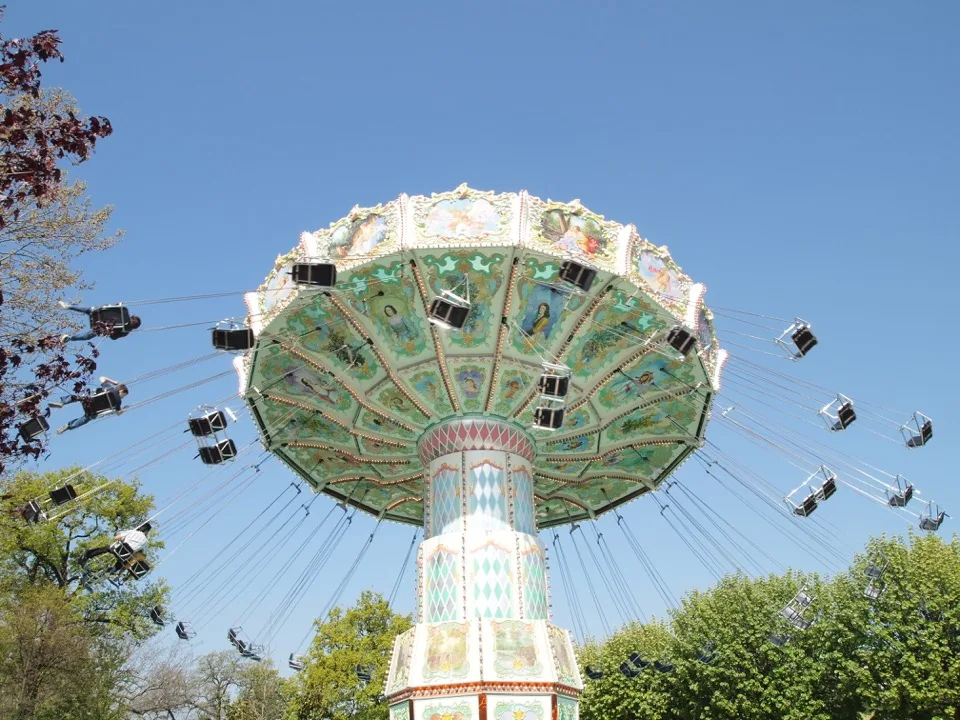
Are your children asking for rides and playgrounds? Then head to the Jardin d’Acclimatation on the edge of the Bois de Boulogne. For parents, the appeal is to start with the Fondation Louis Vuitton, whose Gehry-designed architecture I love. The exhibitions there are often very interesting. Until August 2026, do not miss the exhibition “Calder. Rêver en équilibre”. The museum entrance tickets give access to the Jardin d’Acclimatation, where the children can have fun after the exhibition visit.
13- The Musée Nissim de Camondo and Parc Monceau:
Here is a museum off the beaten track and yet so interesting! You discover the interior of a very beautiful mansion, still furnished (wow, the kitchen!). The visit is not very long and then you can follow it with Parc Monceau, so the children can run and play or for a picnic in summer! Parc Monceau is one of my favourite Parisian parks. It is particularly elegant, full of charm and family-friendly.
Musée Nissim de Camondo: 63 Rue de Monceau, Paris 8th.
14- The Musée de l’Armée:
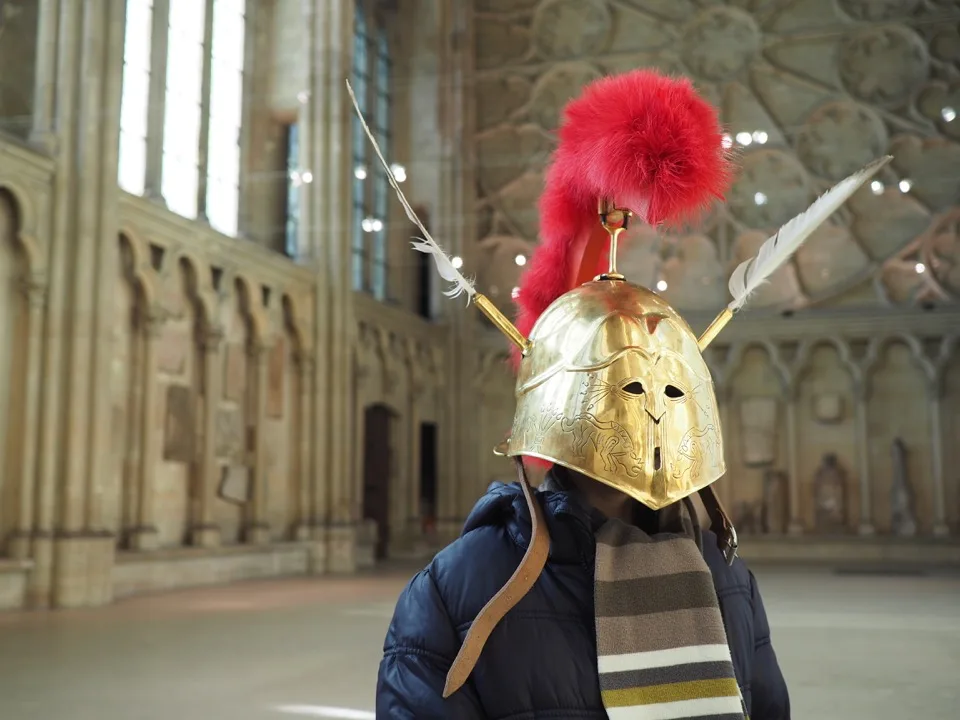
Located at Les Invalides, this museum delighted my Ticoeur! It is one of the most important military history museums in the world. I recommend the special family guided tour. You go through, chronologically:
- The ancient department and its beautiful armour
- An imperial section linked to Napoleon
- A modern section dedicated to the 20th century.
What did Ticoeur prefer? The armour and the section on Napoleon.
Booking: on the official Musée de l’Armée website.
15- Montmartre and the Sacré Cœur:
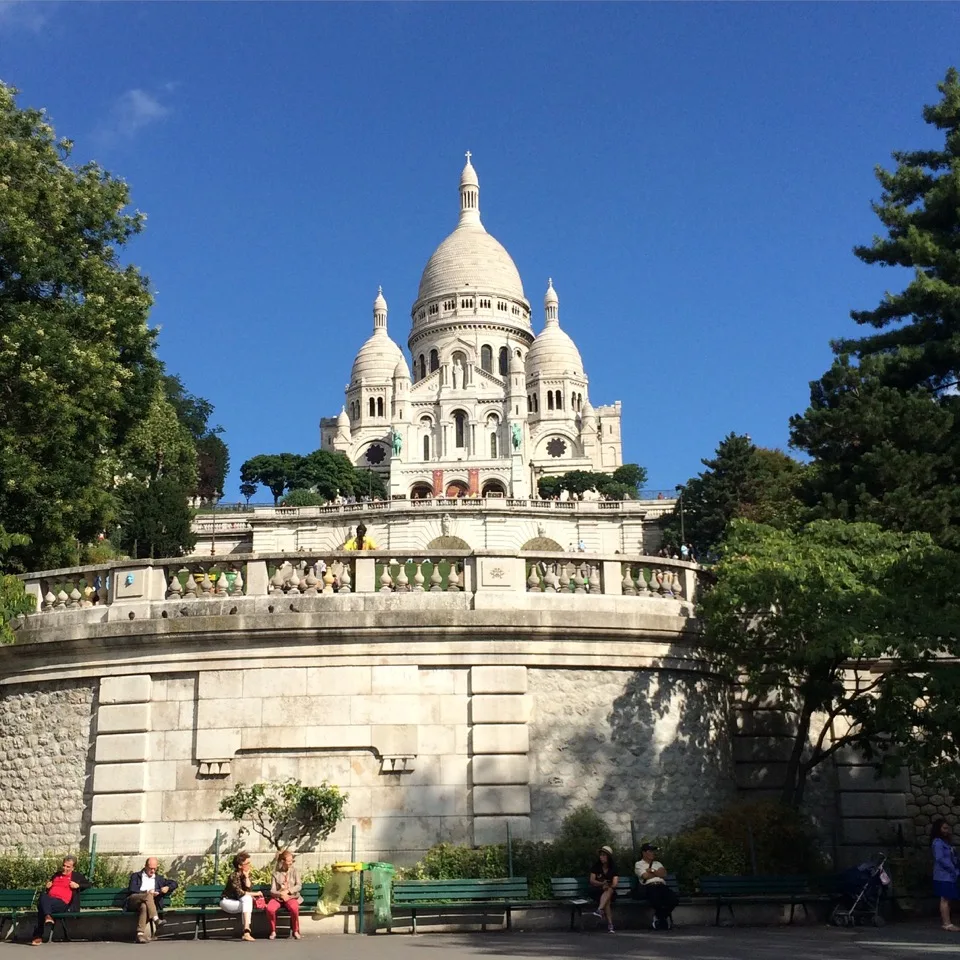
If your children are like mine, they do not like walking in the city when it is all flat… In Montmartre, they will be delighted: it climbs! At the top, in front of the Sacré Cœur church, the effort is rewarded with a very beautiful view of Paris. It is also worth going inside the Basilica of the Sacré Cœur (free) to admire the large spaces and the Romano-Byzantine architecture. For budding little artists, it is always fun to watch the artists drawing portraits on Place du Tertre.
Bonus info: on the way back down there is a merry-go-round if needed ;-).
16- Parc des Buttes Chaumont:
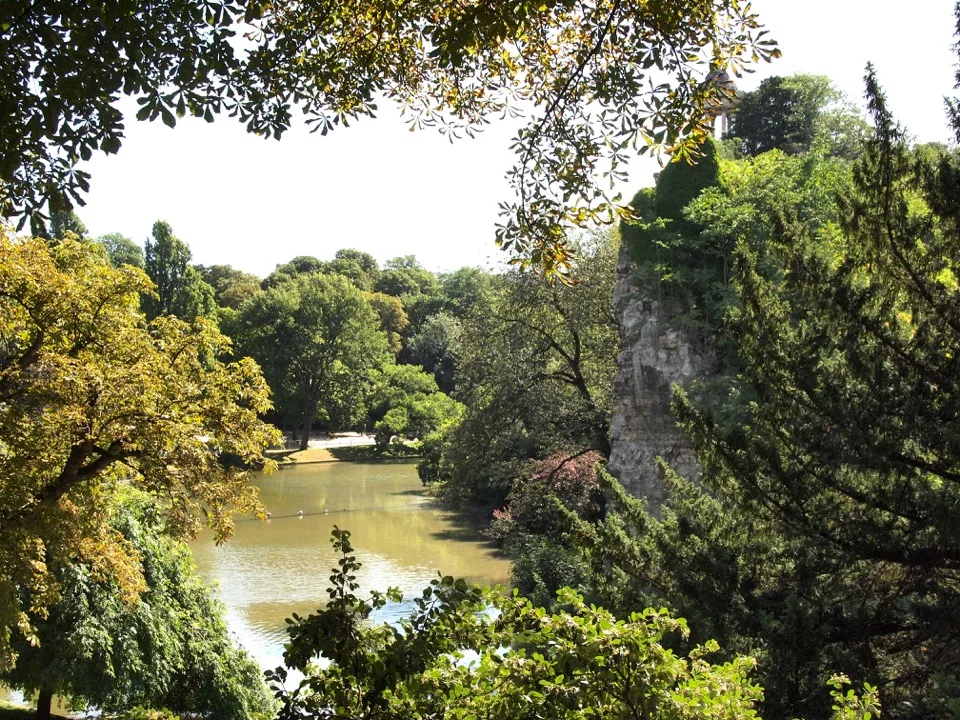
This park in the 19th arrondissement, created under Napoleon III, has lots of charm and offers varied landscapes: it is very hilly, with a lake, a waterfall, an artificial grotto, a suspension bridge designed by Gustave Eiffel and, finally, a belvedere not to be missed for the view. Parc des Buttes Chaumont is ideal for a family picnic or a break at Rosa Bonheur, which has a guinguette spirit. You will also find playgrounds there.
17- From Canal Saint-Martin to Canal de l’Ourcq, all the way to Parc de La Villette
Parents will appreciate the charm of the Canal Saint-Martin, which will remind you of certain scenes from the famous film Amélie. All along the canal, there are plenty of places for brunch or lunch.
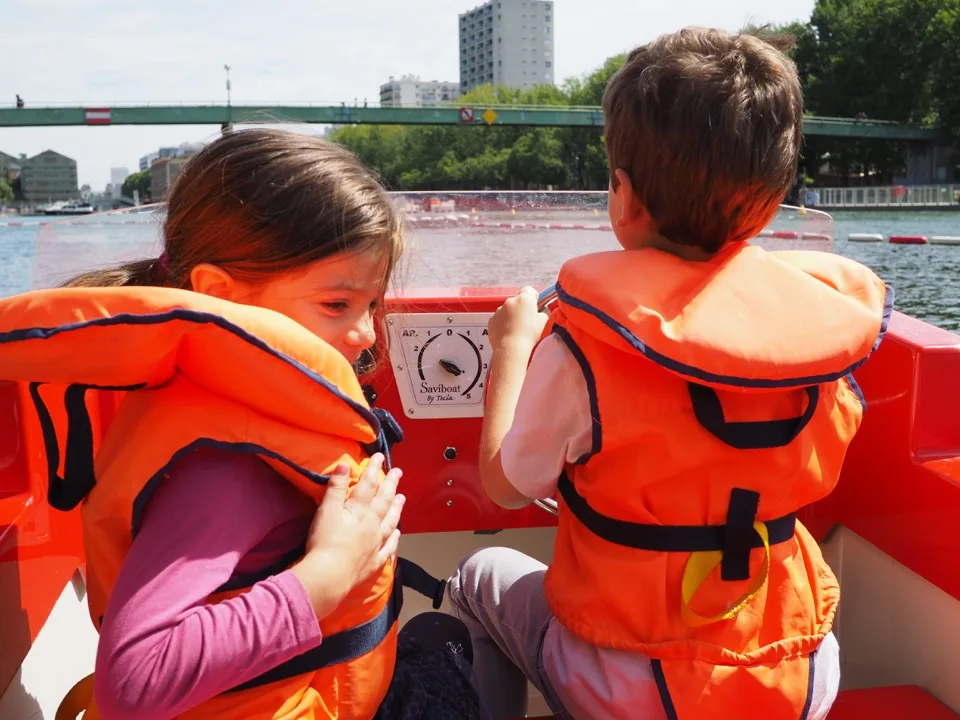
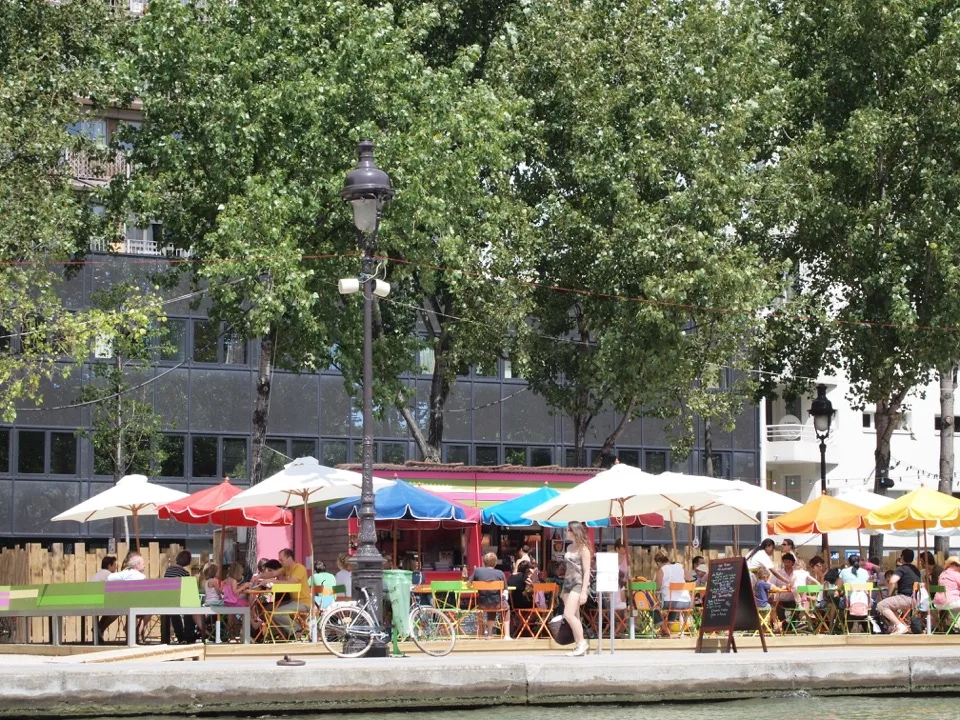
By continuing to follow the water, you arrive at the Canal de l’Ourcq, where in summer you can take a little electric boat ride and enjoy the terraces on the quay. Our children really enjoyed this activity!
Finally, still following the water northwards, you will arrive at Parc de La Villette, where there are many spaces dedicated to children:
- the Cité des Sciences: to introduce children to science in a fun way. Do not miss the visit to the submarine the Argonaute or the planetarium. You will also find spaces suitable for younger children in the Cité des Enfants (2-7 and 5-12-year-old areas). In short, there is plenty to keep you there for hours! See opening times and prices.
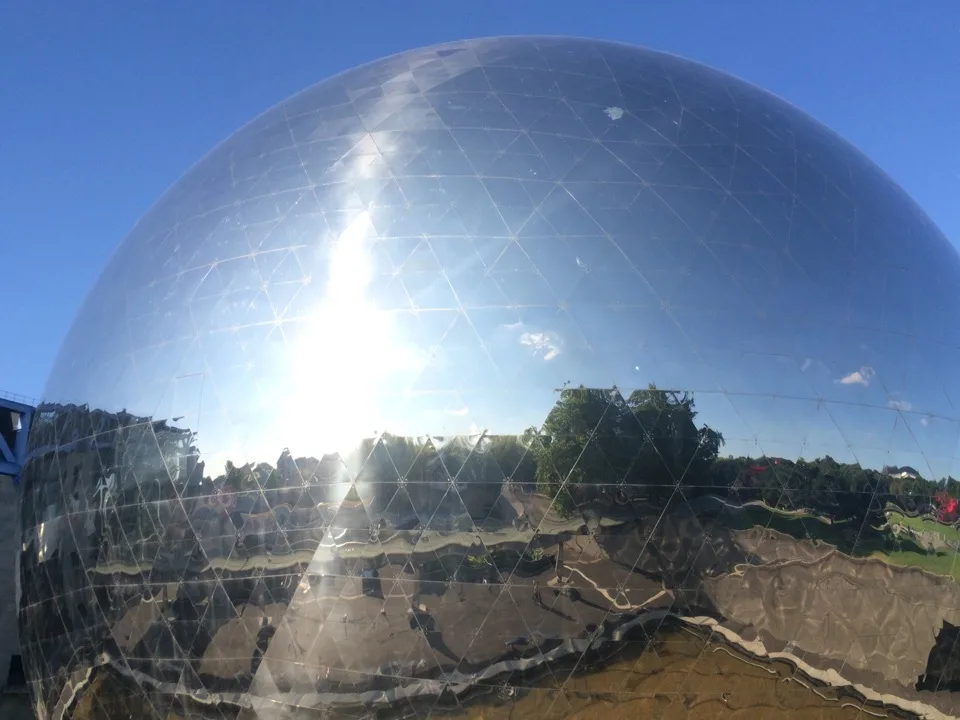
- the Géode : for an immersive cinema experience. See prices and opening times.
- and our favourite, the Musée de la Musique : you discover many instruments through the ages. Demonstrations are also organised.
18- The Musée du Quai Branly:
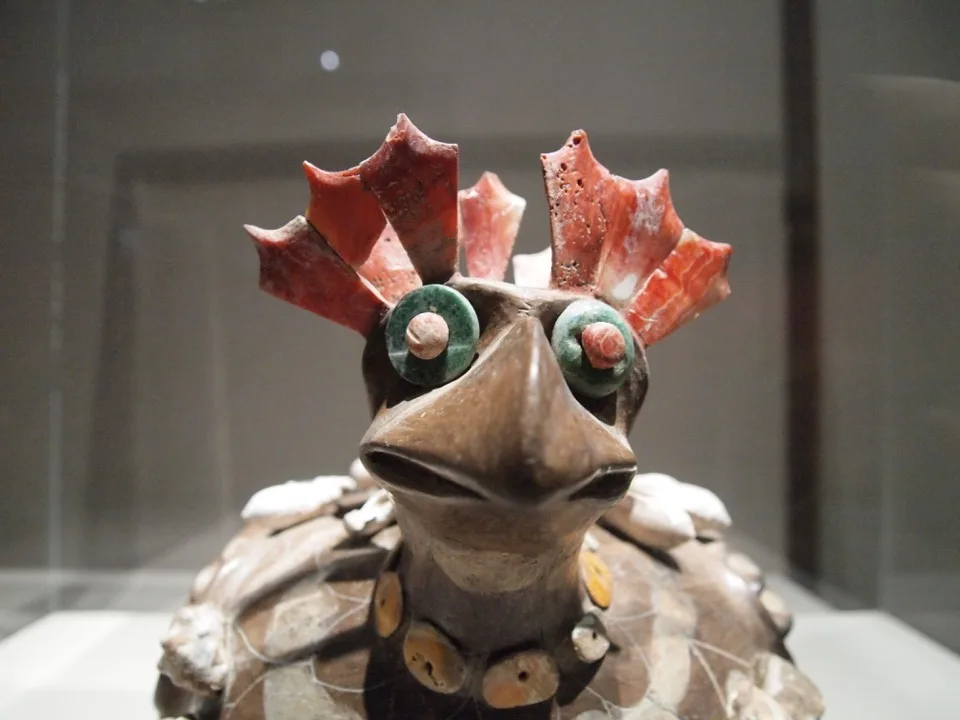
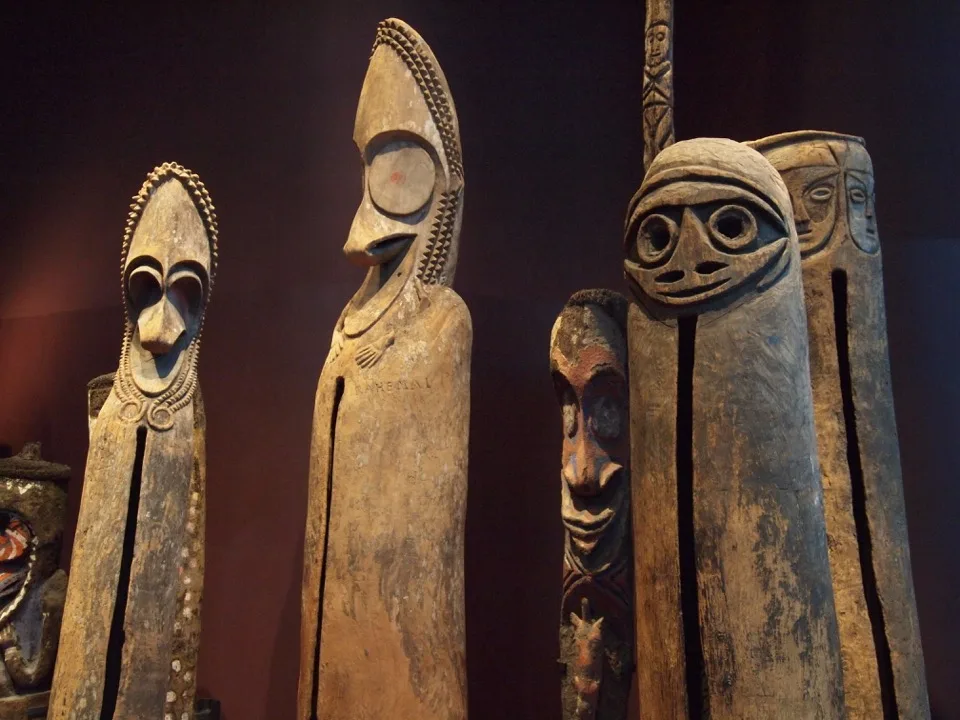
This museum is not very busy and yet it is full of treasures from all over the world. I love the section on Oceania and Africa! The children enjoyed it too! A guaranteed change of scenery with a very beautiful scenography. See programme and booking.
Nearby, you can walk along the Seine or head to the Eiffel Tower!
19- The aquarium at Porte Dorée and the Parc Floral:
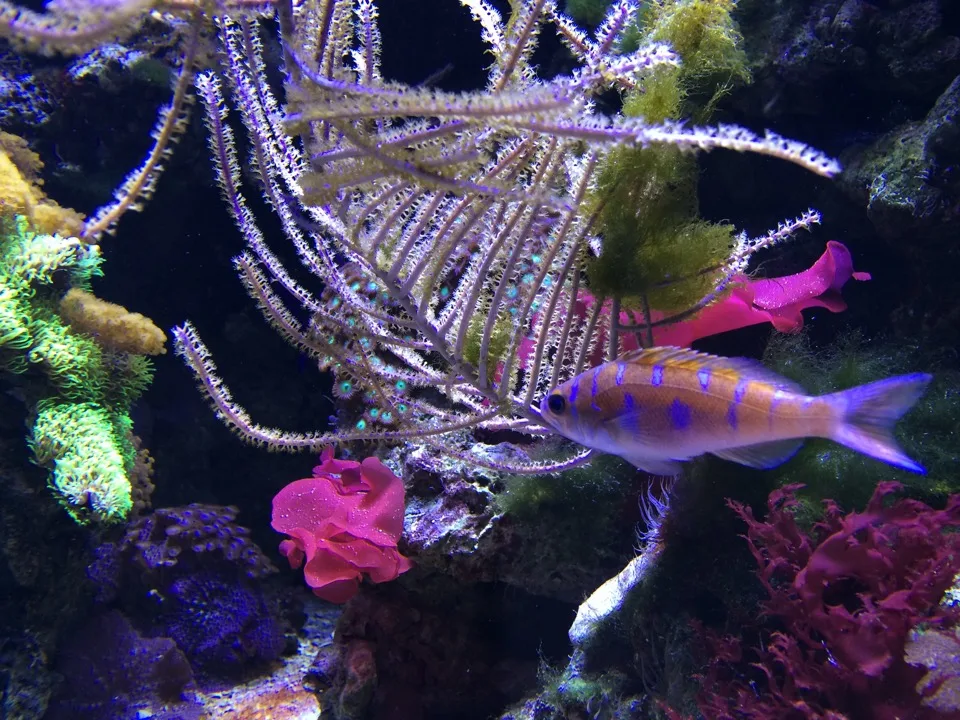
Here, we are in the far east of Paris. The aquarium at Porte Dorée is worth a visit for its architecture, its very gentle price and, of course, its fish! Nearby, if the weather allows, head to the Parc Floral. Ideally, go when the summer jazz concerts are on. I find it much better than the Aquarium de Paris at Trocadéro (and cheaper!).
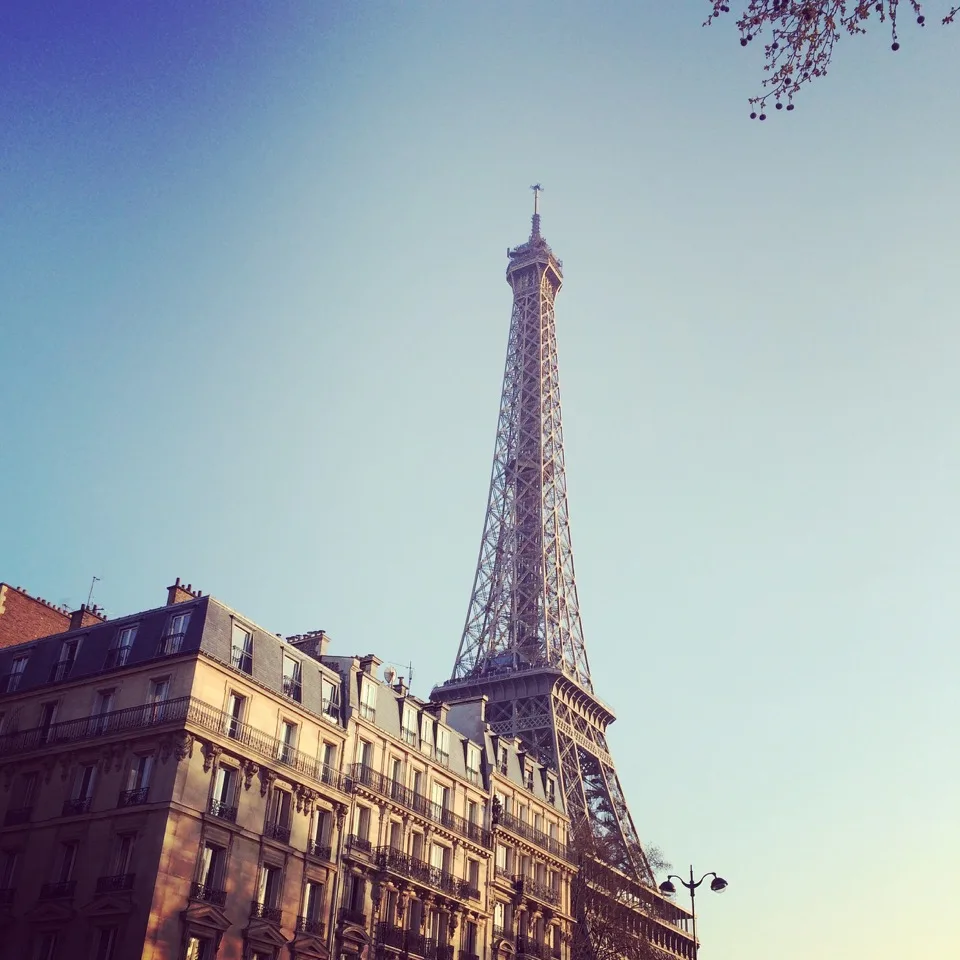
20- The Eiffel Tower!
Ha ha! Were you wondering whether I was going to skip it? But no, we love our Eiffel Tower! I just imagine it was already on your list of visits in Paris! Nevertheless, I can tell you how we like to visit it: on foot, up to the 2nd floor! It is a great option to pay less, have a shorter queue, and it is a memorable experience for the whole family. By choosing the stairs rather than the lift, the children will let off steam and be impressed. It is an adventure in itself when you climb the steps surrounded by this incredible iron structure. With the stairs option, you cannot go up to the 3rd floor but believe me (I have been on all floors), the view from the 2nd floor is superb! You will not be disappointed!
Booking: on the official Eiffel Tower website. And it is best to plan ahead!
***
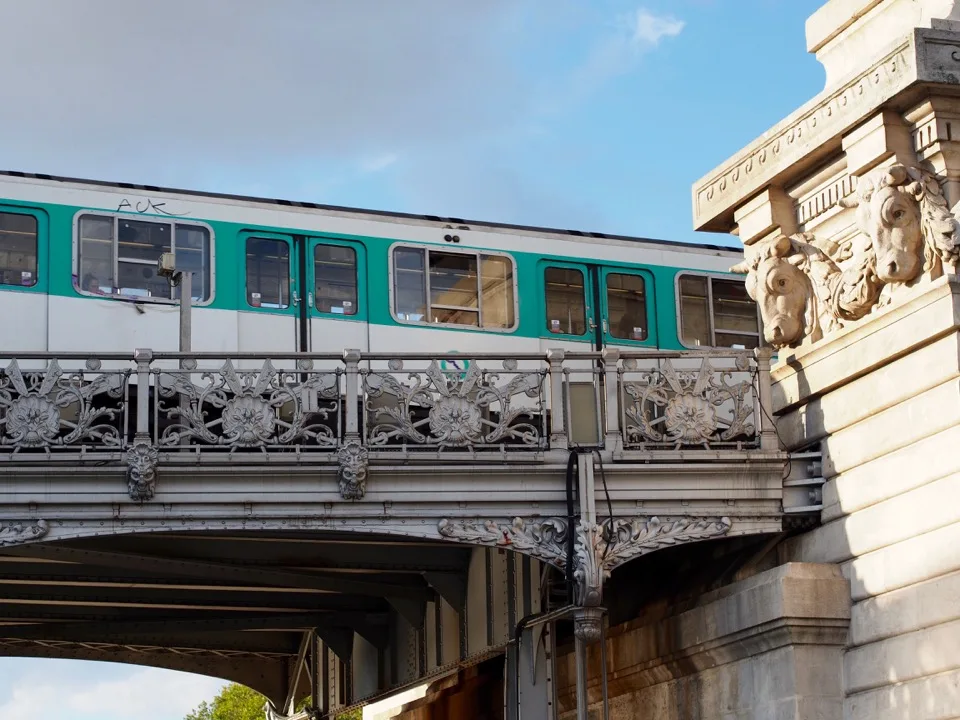
I hope you enjoyed this first big stroll all across Paris! To get around, the metro and buses are very practical with children. You just need to make sure you avoid rush hour! And about metro line 14, the driverless one: get into the first carriage because children will love seeing the tracks and tunnels through the front window!
***
Paris as a family: accommodation
Many of you ask me for accommodation tips in Paris for a family stay. Since we have been living in England, we have had the opportunity to come back to the capital and therefore to sleep in hotels or rentals because our families do not have enough space and our flat is often rented out. So here are a few tried-and-tested addresses.
Our good family accommodation addresses in Paris:
- Le Yooma urban lodge: a comfortable family hotel in a quiet neighbourhood (15th arrondissement)
- Hotel B55 in the south of Paris (12th arrondissement): family room with two double beds.
- La Belle Ville: I stayed there with Papa Voyage but they also have Junior suites for 4 with a double bed and sofa. The neighbourhood is not ideal for families, right in the east of Paris, but the hotel is beautiful, the rooms are very good: good value for money. Very beautiful plant-covered façade. Also, despite its outlying location, the metro is just a few steps away, so it is easy to get to central Paris.
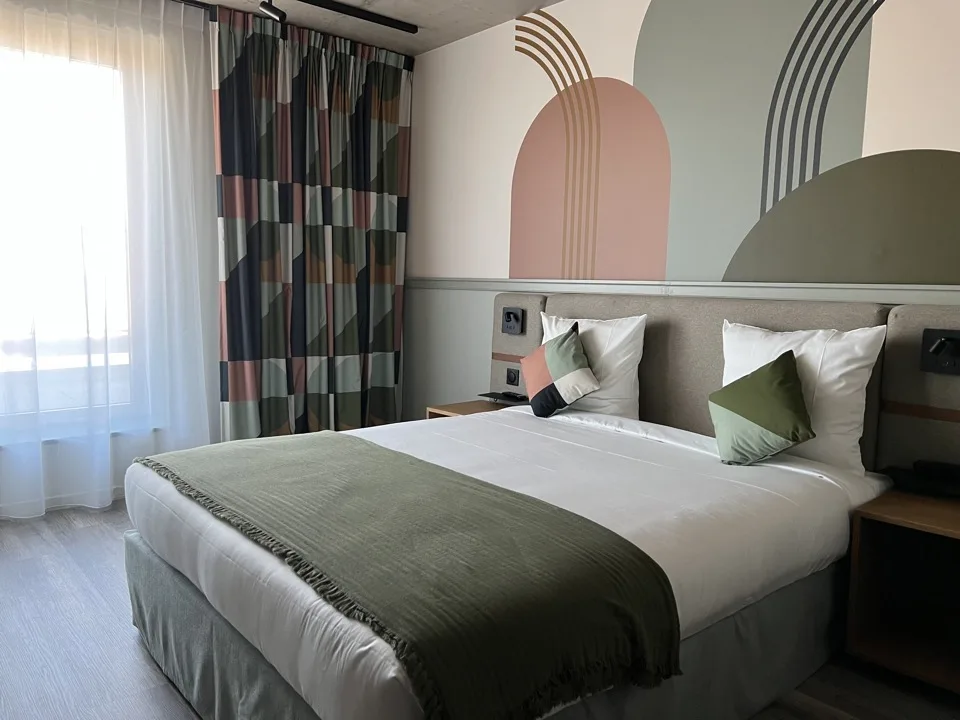
- Renting a flat: we have spotted, but not yet tested, this lovely loft in Montmartre.
There you go! That was my selection of family visits in the capital!
Also worth reading
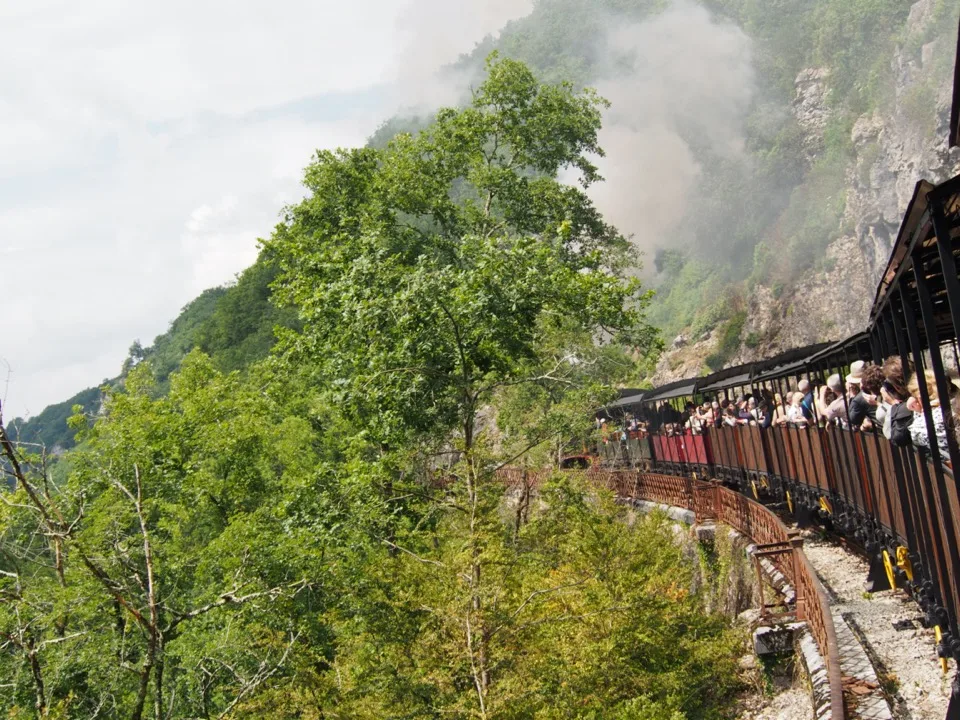 The Lot with kids: 10 family-friendly things to doSteam train, Gouffre de Padirac, Rocamadour, canoeing, easy walks and family-friendly addresses: our ideas for visiting the Lot…
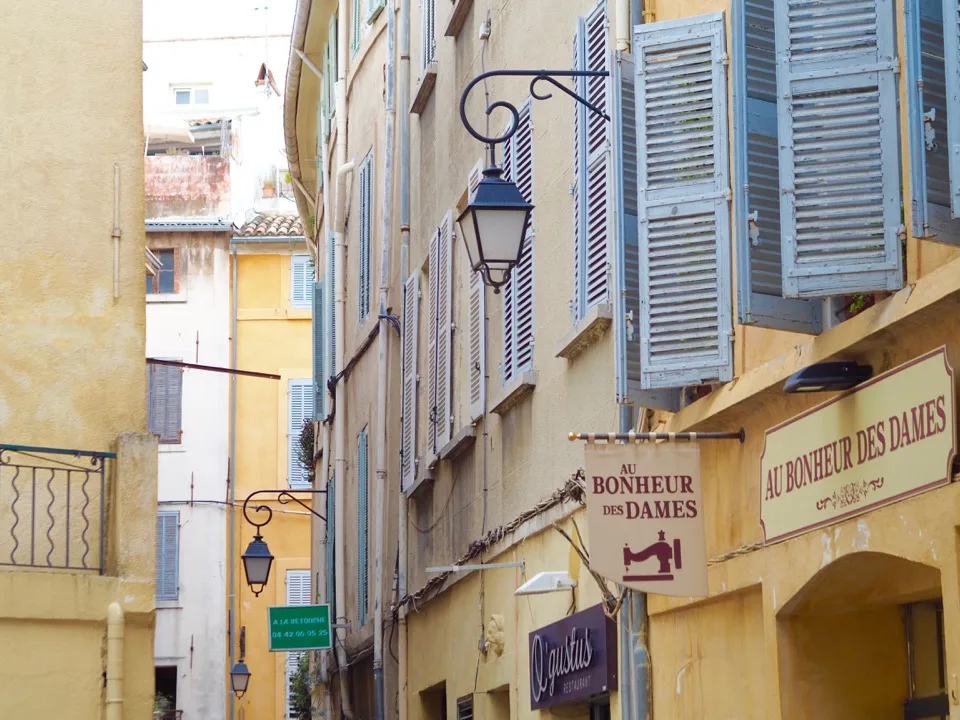 Visiting Aix-en-Provence with kidsAix-en-Provence with kids: the old town, museums, markets, calissons and Sainte-Victoire, with ideas for 2 days or more in…
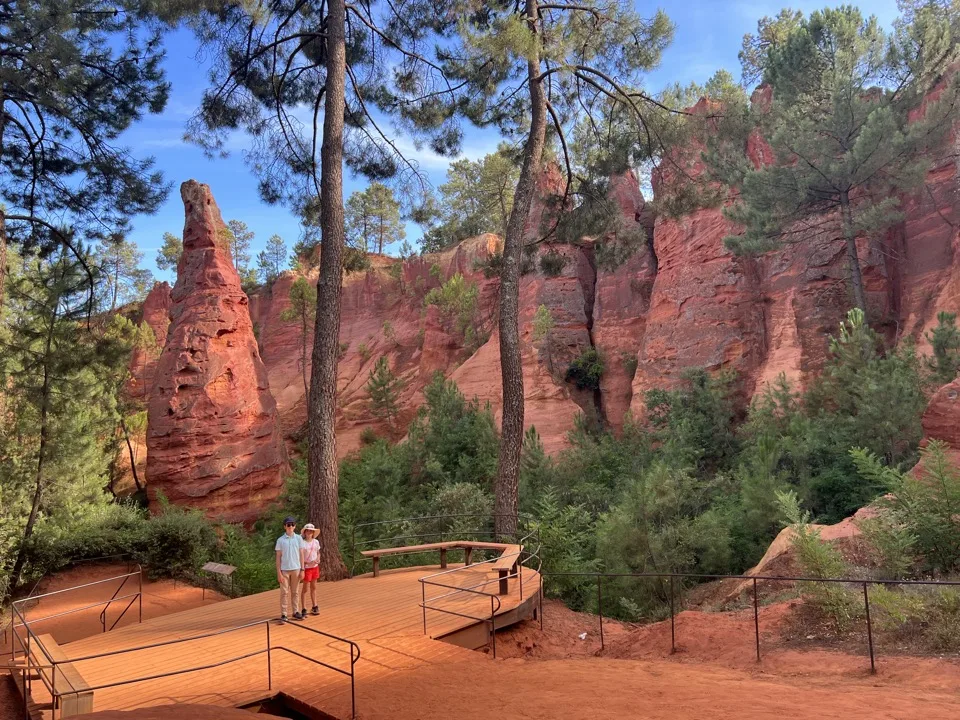 Our 10 family visits in the Luberon, ProvenceA week in the Luberon with extended family: walks, villages, forest trails, ochre landscapes, gorges and favourite addresses!
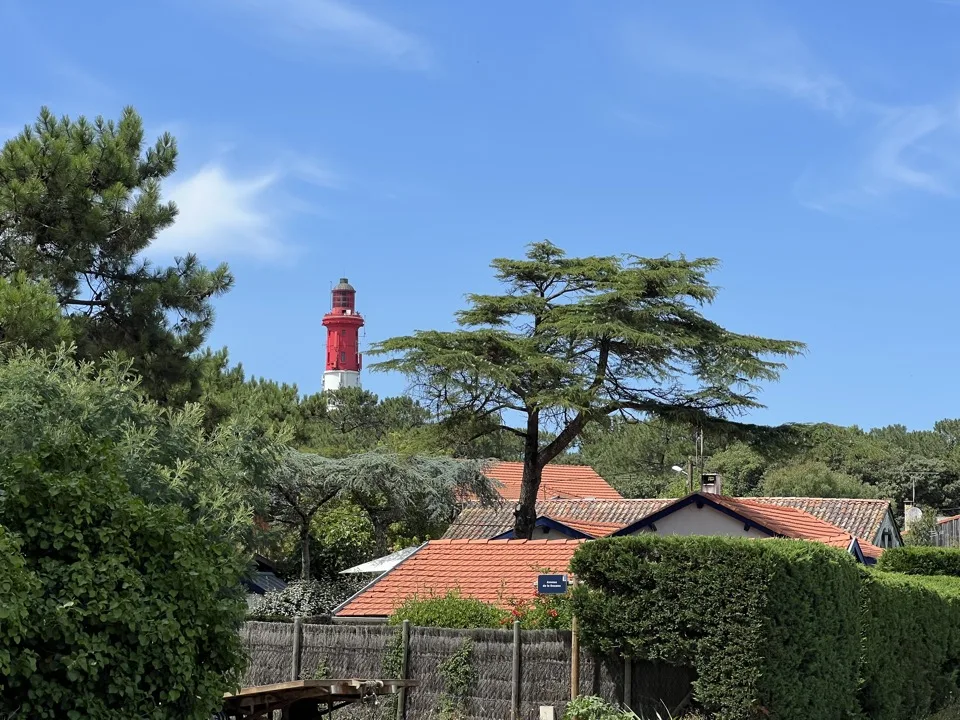 The Bassin d’Arcachon : 12 things to do as a familyOur "best of" around the Bassin d'Arcachon: discover, hike, beaches and activities with the kids Nos coups cœur autour du Bassin…
 4 days in Barcelona with our teenagersOur 4 days in Barcelona as a family with our teenagers: itinerary, museum visits and walks neighbourhood by neighbourhood
 4 days in Naples as a familyOur trip to Naples with the kids during the February half-term: 4 amazing days!