During the October half-term, we visited Meteora as a family during our road trip through northern Greece. I was worried I might be disappointed because I had seen so many photos of this region with its famous perched monasteries! No disappointment at all! Quite the opposite! Once there, we were enchanted by the landscape. You feel as though you are wrapped in this scenery of cliffs and rocky pinnacles shaped by erosion. The natural setting and all the viewpoints from which you can admire the monasteries add to the experience. Visiting Meteora in October meant we avoided the summer crowds. We also had ideal weather, enjoying beautiful sunny autumn days. In the end, I was just as impressed by the geological formations as by the monasteries. The combination of the two is so original! Meteora is listed as a UNESCO World Heritage Site for its natural and cultural importance.
Age of the children: 13 for Titpuce and 16 for Ticoeur. Our two teens enjoyed our two days in Meteora.
Which monasteries should you visit in Meteora?
In total, there are still 6 monasteries that can be visited. In the Middle Ages, there were up to 24 monasteries. You can spot a few scattered ruins on the rocks.
So, one question I have been asked several times is: which monasteries should you visit? This question is relevant because visiting the interiors of all 6 monasteries would be repetitive, could bore your children and would end up representing quite a budget (see practical information). Also, as Titpuce put it, “it’s mainly the paths leading to the monasteries that are beautiful”!
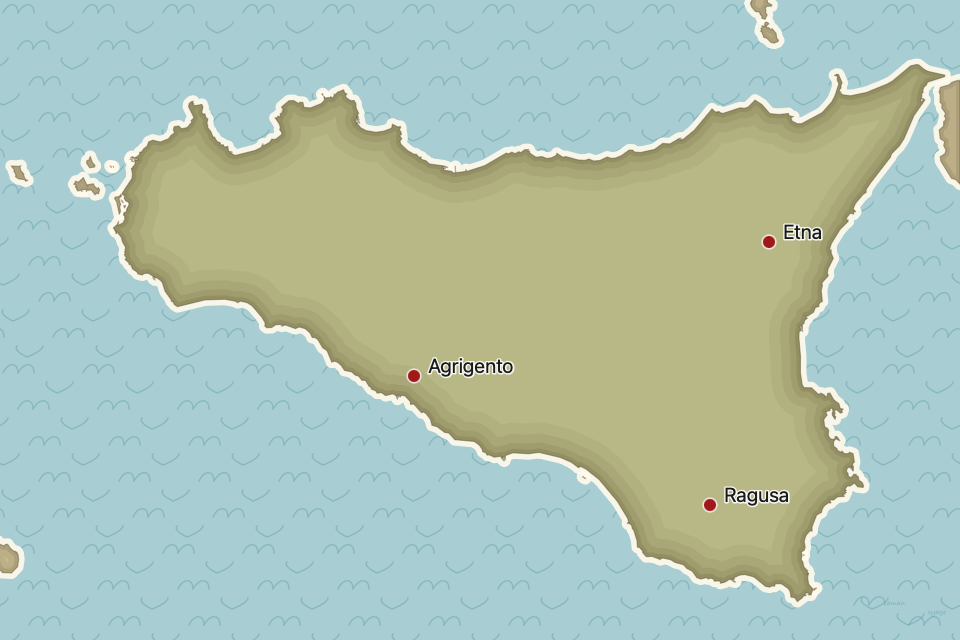
Whether you are planning a trip to Sicily with children or teenagers, this 10-day itinerary in 3 stages should appeal to you! On the programme: Mount Etna, Agrigento, Ragusa and their surroundings. I know Sicily very well because it is my dad’s island. In 10 days travelling in Sicily, you have to make choices. For our stay at the end of August, I mainly wanted to limit the number of stops and choose a varied programme that would appeal to the children (Ticoeur, 15, and Titpuce, 13). If this is your first family trip to Sicily, this route gives you a varied overview of the island: volcano, ancient temples, natural beauty, the charm of Baroque towns and a few swims.
The last time we were in Sicily, the children were very little (5 and 7), so for them, this trip was almost like a first time. I therefore wanted to show them a sort of best-of Sicily, admittedly incomplete but nevertheless very representative. They really liked it (especially Etna!). I hope you and your children will too!
***
How did we break down the stages for this trip to Sicily? 10 days, 9 nights with 3 nights in each of the 3 chosen areas. It’s a triangular itinerary, arriving in Catania (just south of the Etna):
Sicily as a family: Mount Etna and its surroundings
Off to Aix-en-Provence with the family! We have been several times to this lovely town in Provence, the town of Paul Cezanne, but also the town of my Pepe, who lives in a village nearby 🙂 It is a place that is particularly close to my heart. In any case, it is always a pleasure to return to Aix-en-Provence, ideal for a family city trip: a very beautiful destination, gentle and easy-going, with art, markets and the added charm of Provence. I recommend spending 2 days in Aix-en-Provence during a holiday in Provence, or at least one full day!
As we go back to Aix-en-Provence regularly, this article is a compilation of our different stays there. Here are our favourite visits in Aix and nearby.
Visiting the centre of Aix-en-Provence with kids:
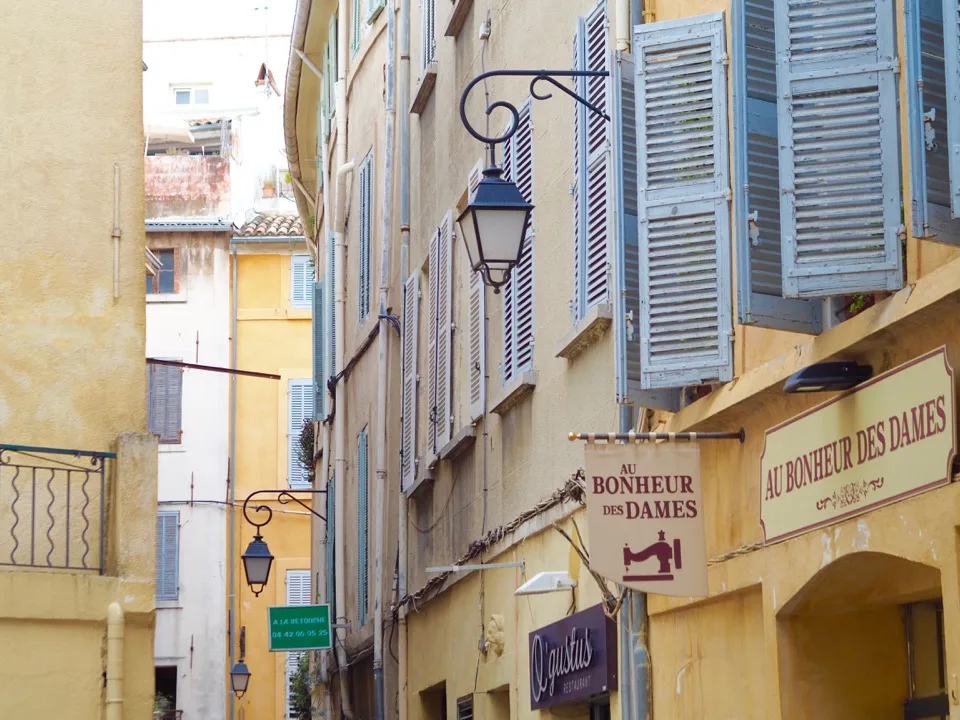
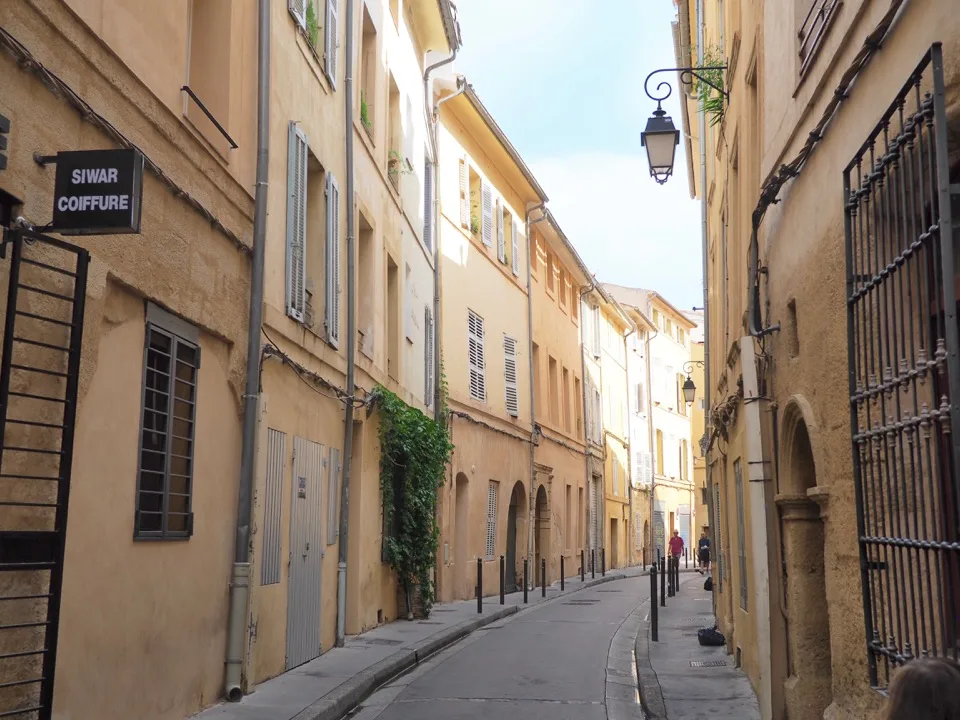
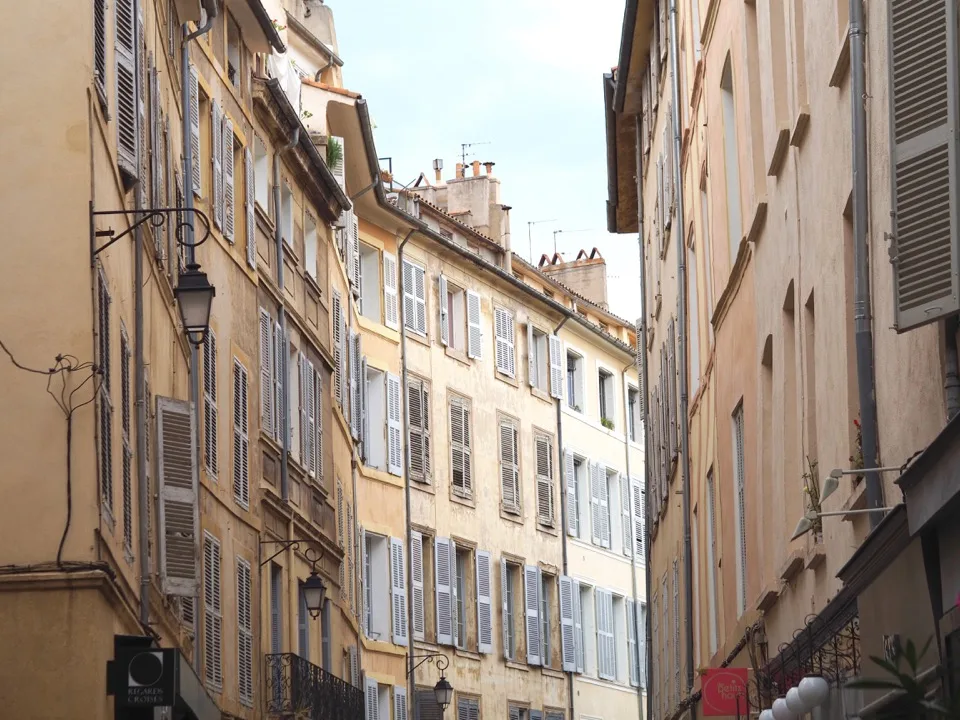
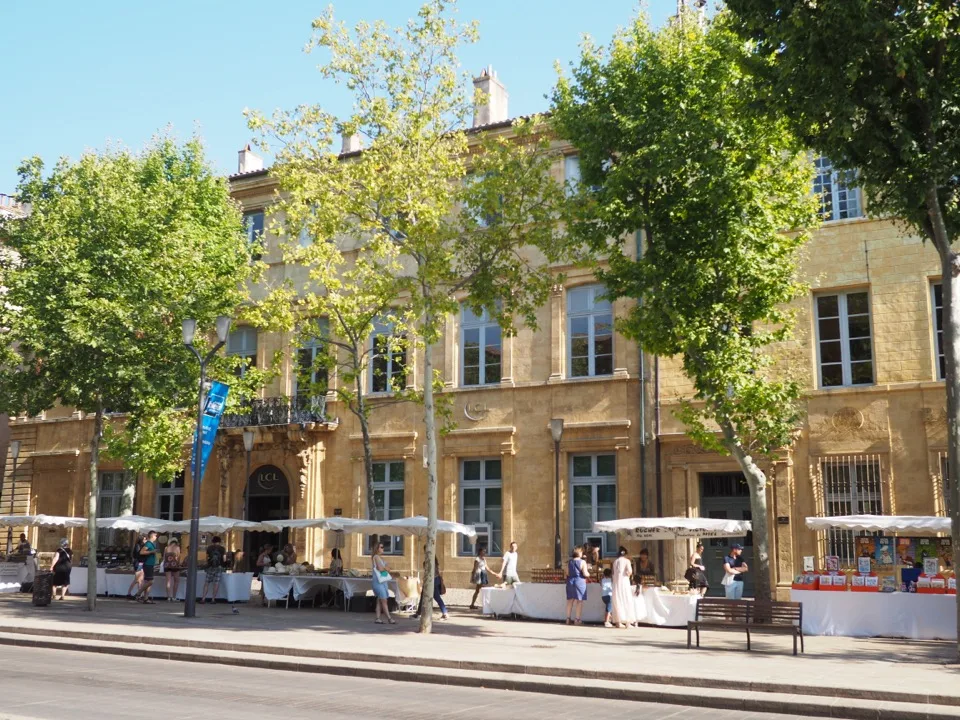
The old town of Aix-en-Provence❤is very picturesque. Its narrow streets help keep things cool in summer. The pale yellow and ochre tones of the facades bring sunshine into the town, as if there were not already enough in the sky! The old town has a lot of charm and it is very pleasant to wander around on foot. There is a little hint of Italy in the air, don’t you think? As you stroll, you pass through squares that invite you to slow down, and past very beautiful fountains: Aix-en-Provence is nicknamed “the city of a thousand fountains”. In reality, there are more like a good hundred, but you know how generous people from the South can be with rhetorical flourishes!
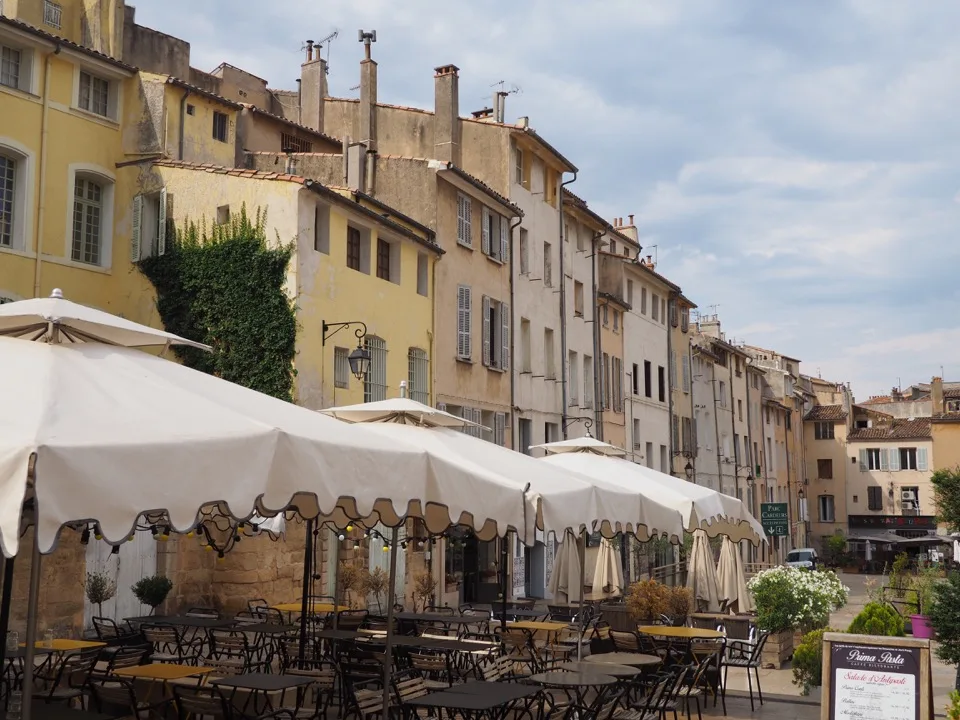
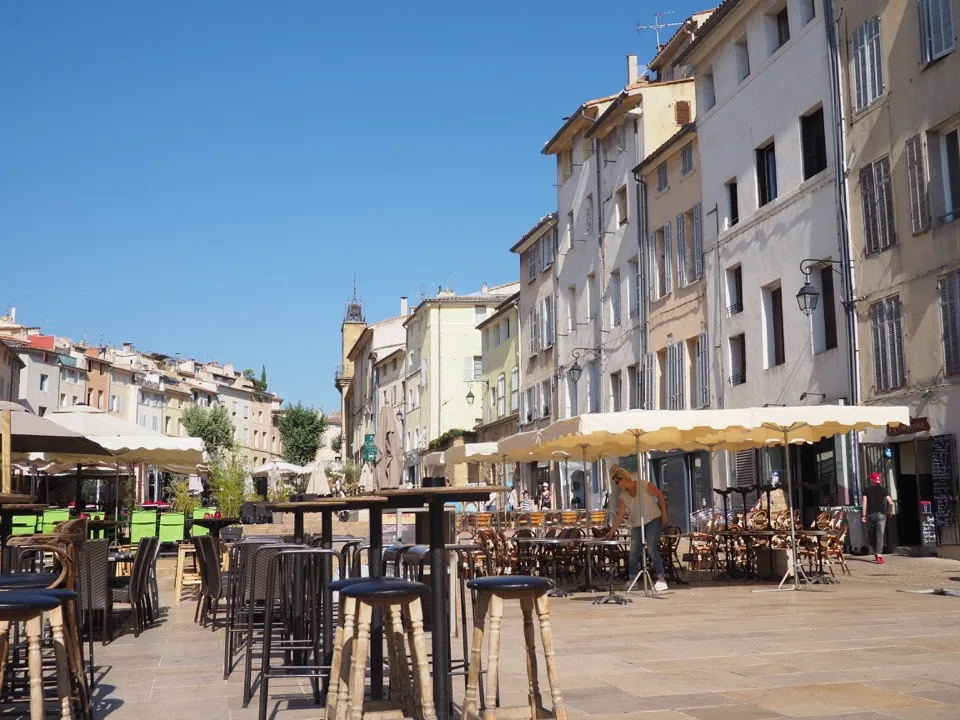
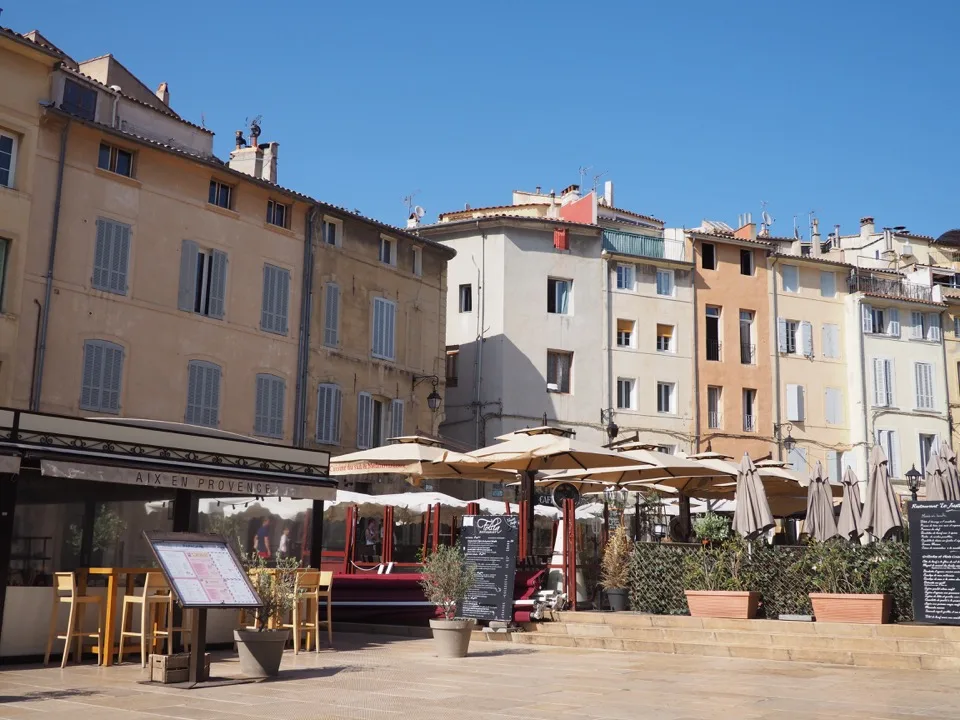
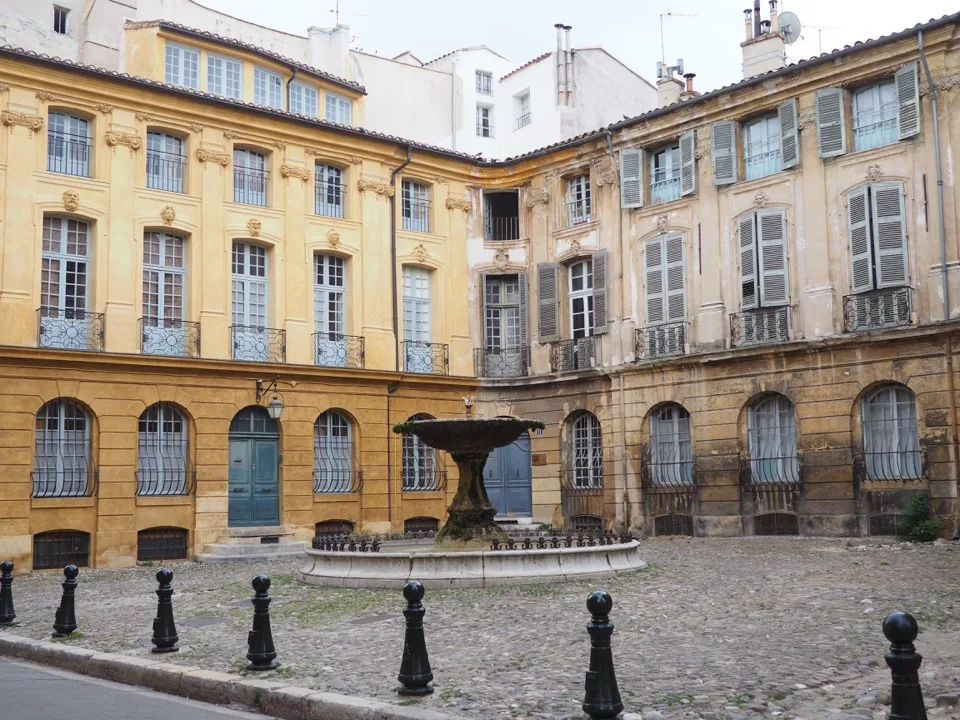
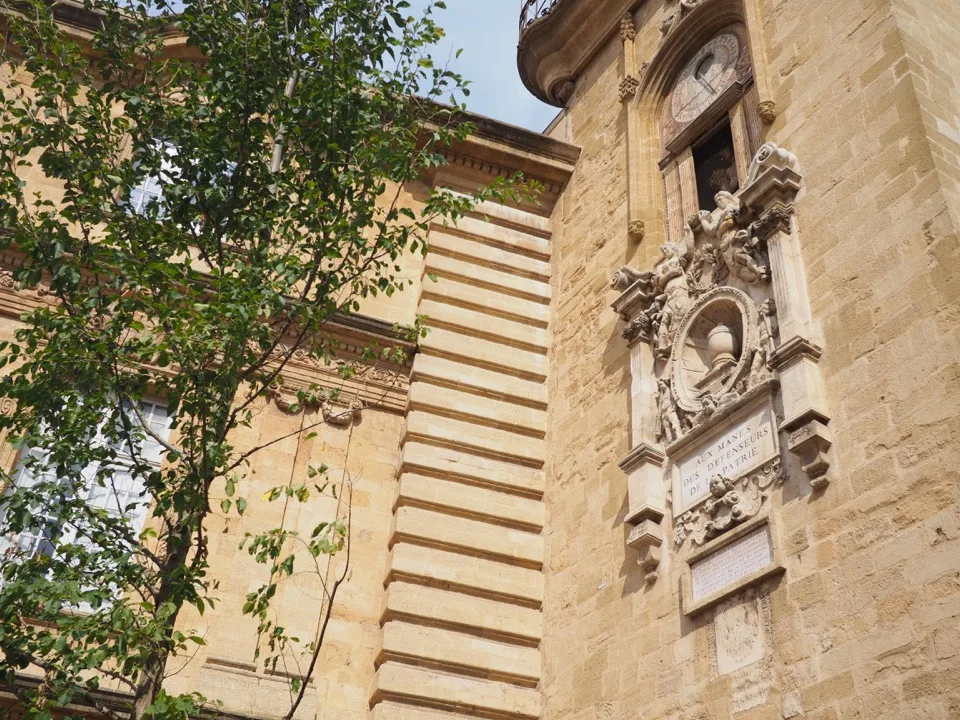
Among the squares not to miss in Aix, I would mention Place des Cardeurs, with its lovely terraces for lunch or dinner in summer, Place d’Albertas (and its fountain), which is very charming, Place de l’Hotel de Ville with its beautiful building, Place des Augustins, and the small Place des Ormeaux. Finally, in the Mazarin district south of Cours Mirabeau, the prettiest square is probably Place des Quatre Dauphins, with the fountain of the same name.
Place des Cardeurs
Place d’AlbertasPlace des Quatre-DauphinsAix-en-Provence Town Hall and its 16th-century Clock Tower
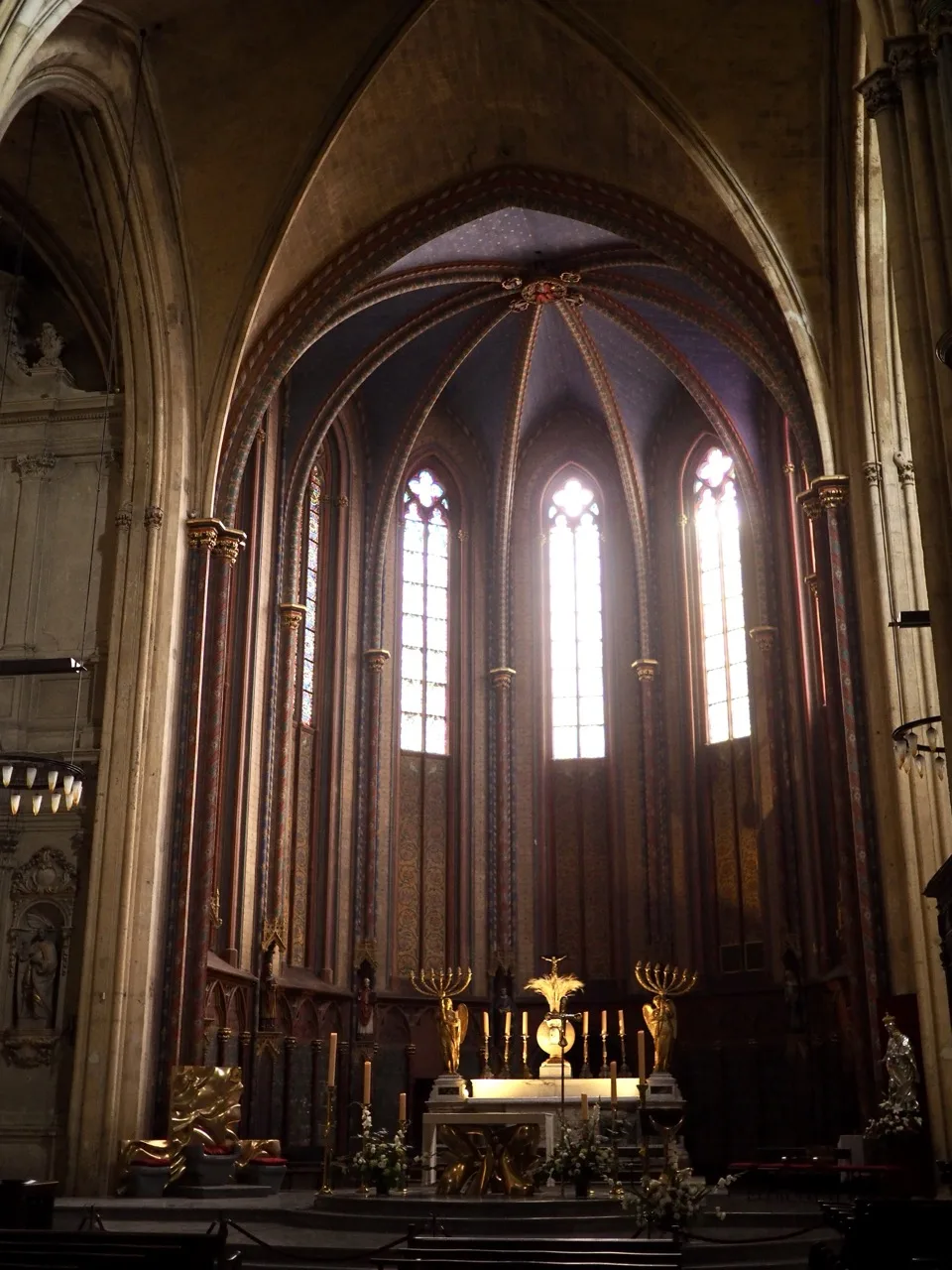
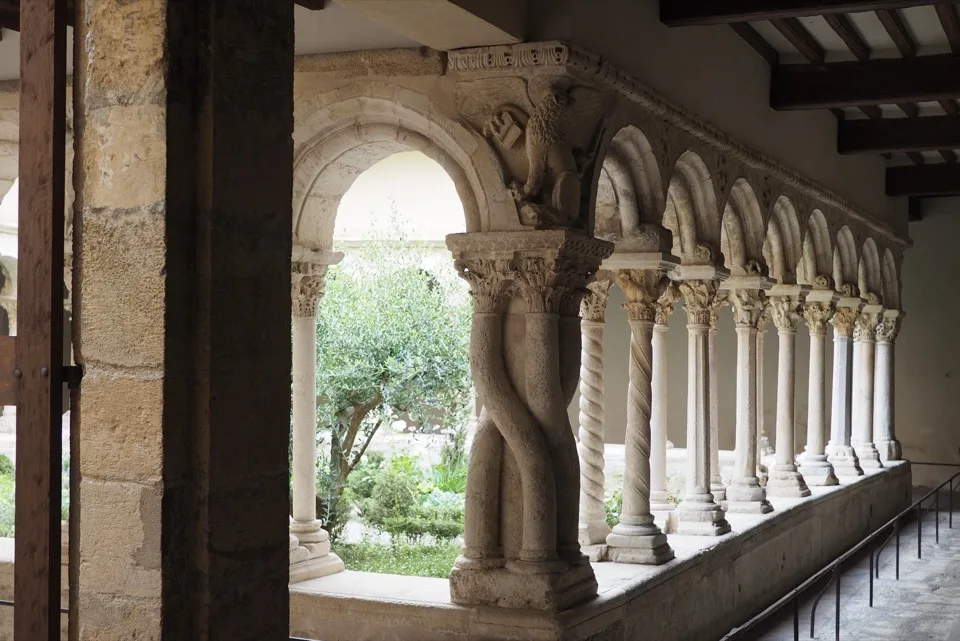
During this walk through the centre, you will come across Saint-Sauveur Cathedral, with its Gothic facade. It is worth going inside to admire three beautiful naves in three different styles: Romanesque, Gothic and Baroque. Also worth seeing: the 5th-century baptistery, with its octagonal shape. It was built on the site of the former Roman forum. The cloister is charming too.
Finally, Aix-en-Provence’s own “Champs-Elysees” is Cours Mirabeau, which runs along the edge of the old town and begins with the large Fontaine de la Rotonde:
The markets in Aix-en-Provence:
On Saturday morning, we made sure not to miss the different markets in the old town. My little girl loved the flower market (Place de l’Hotel de Ville – Tuesdays, Thursdays and Saturdays) and of course she asked us to buy a huge bouquet for her great-grandfather!
Then we moved on to the fruit and vegetable market (Place Richelme – every day). All those stalls of local produce are a pleasure for the eyes. They make you want to buy everything and start cooking!
A visit to the Caumont Art Centre:
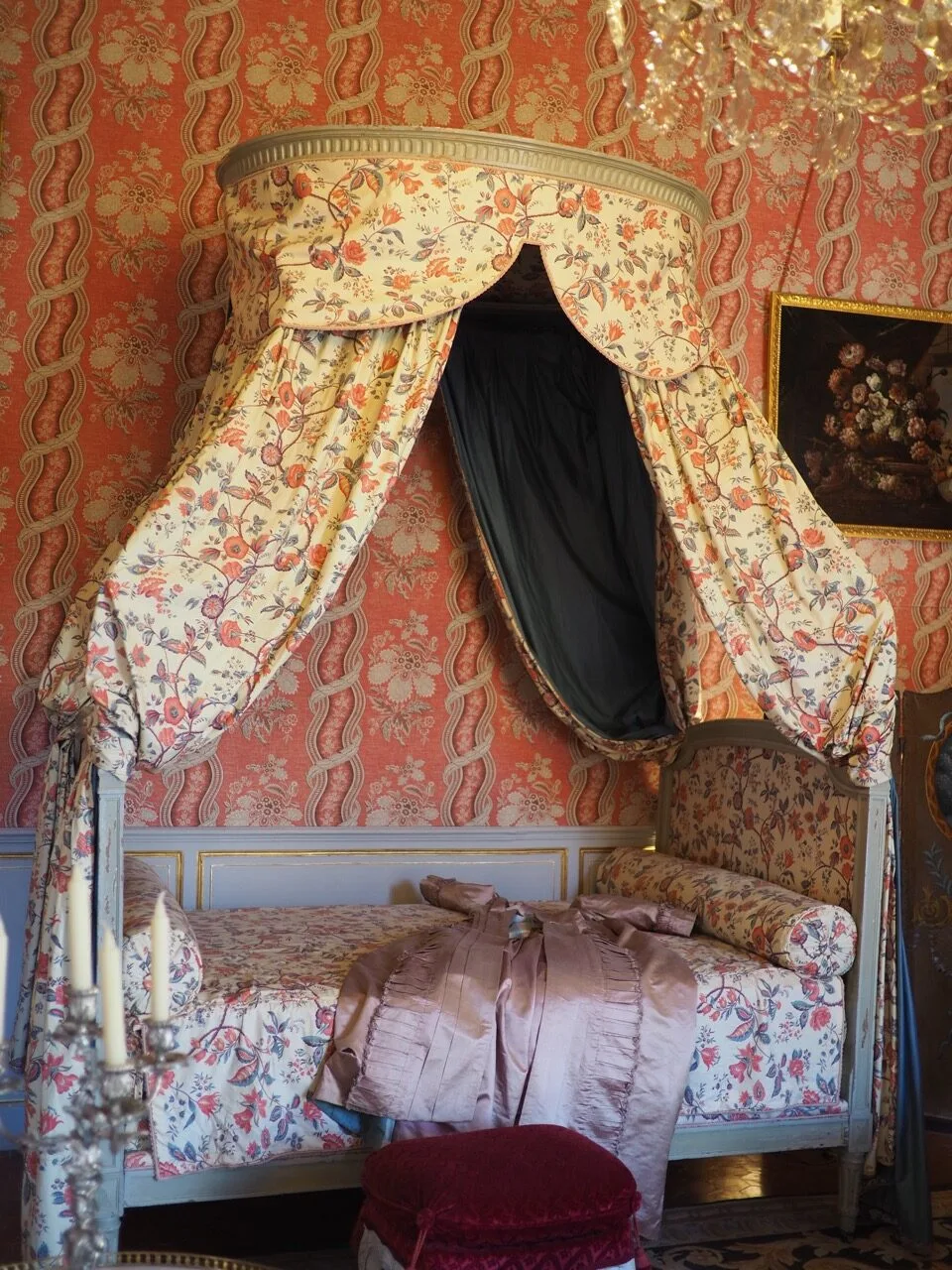
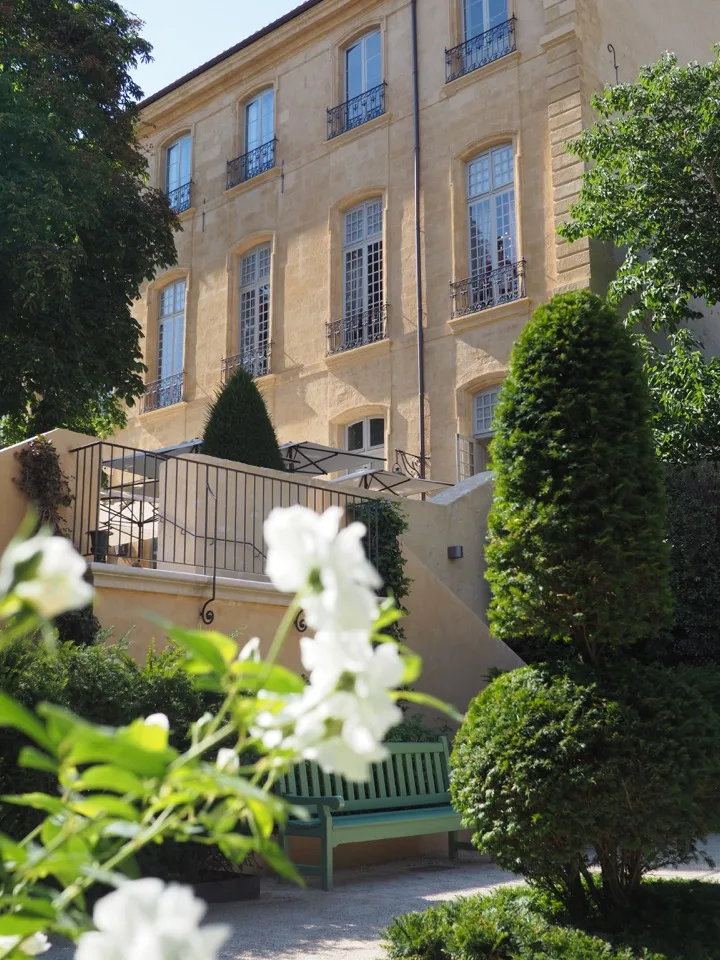
We visited this lovely museum located in Hotel de Caumont ❤. First of all, the building itself is a superb 18th-century mansion where you can discover period rooms. In addition, the art centre hosts two major art exhibitions each year. The whole place is not too large, so it works well for an artistic family visit.
2026 update: this year, there is the exhibition “The Collector’s Eye”, including works by Caillebotte, Manet and Renoir (until 22 March 2026). Then there will be a Toulouse-Lautrec exhibition from 24 April to 4 October 2026. See information on the Caumont Art Centre website. The garden, with its cafe and flowers, is very pleasant for a sunny break.
The Calisson Museum: perfect for children!
The visit to the Calisson Museum at the Roy Rene factory is interesting and free! Ticoeur and Titpuce enjoyed discovering everything about calissons. Upstairs, there is a small interactive exhibition. Guides give a few explanations about the history and ingredients of calissons. You can taste a mini calisson and, above all, do some shopping in the large boutique. These calissons are very good!
Pavillon Noir for dance fans:
We passed in front of the Pavillon Noir, home to the dance school of choreographer Preljocaj, of whom I am a big fan. I never miss any of his shows in Paris, but one day I would love to attend a rehearsal or a performance at the Pavillon Noir, his home base. During our visit, there was indeed a Preljocaj ballet in Aix. We bought tickets, but to make the most of summer, the performance was not held at the Pavillon Noir but at the very beautiful open-air Theatre de l’Archeveche.
Le Pavillon NoirTheatre de l’Archeveche, Aix-en-Provence
Discovering the great painters of Aix-en-Provence:
If you like painting, and your children do too, then in Aix-en-Provence and the surrounding area you will be spoilt for choice! Choose one or two visits depending on the length of your stay:
Cezanne’s Studio: this is the best-known visit in Aix. The studio is located on a hill from where the artist could see Sainte-Victoire, which inspired him so much! It is normally open from early June to late October, but the 2026 dates have not yet been announced. Allow around 30 minutes for the visit. If you are fans of the painter, there is also the Cezanne trail through the town (follow the golden studs on the ground).
The Vasarely Foundation: in a very different style of painting, this museum displays the large geometric and colourful works of the artist Victor Vasarely.
Chateau La Coste: modern art installations among the vineyards north of Aix-en-Provence (see below, in the surrounding area)
Chateau de Vauvenargues, where Picasso lived: we had the chance to visit it a long time ago. Sadly, this chateau is no longer open to the public, but it is a wonderful memory for us and I hope it will reopen in the future!
***
What to see around Aix-en-Provence?
Sainte-Victoire ❤:
Without the children, as a couple, we set off one morning just after 7 am to climb the superb Sainte-Victoire while it was still cool: we had missed hiking at a brisk pace!
Chateau La Coste ❤: a superb art visit among the vineyards
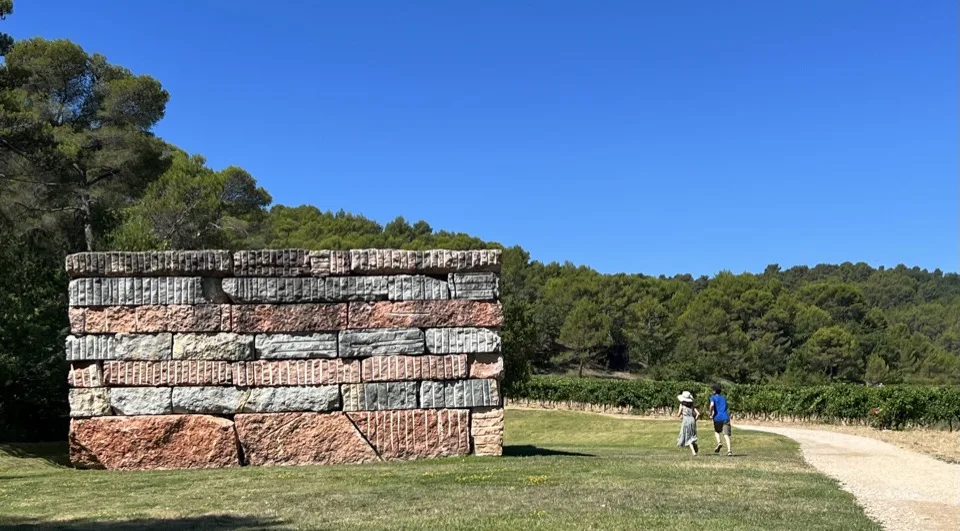
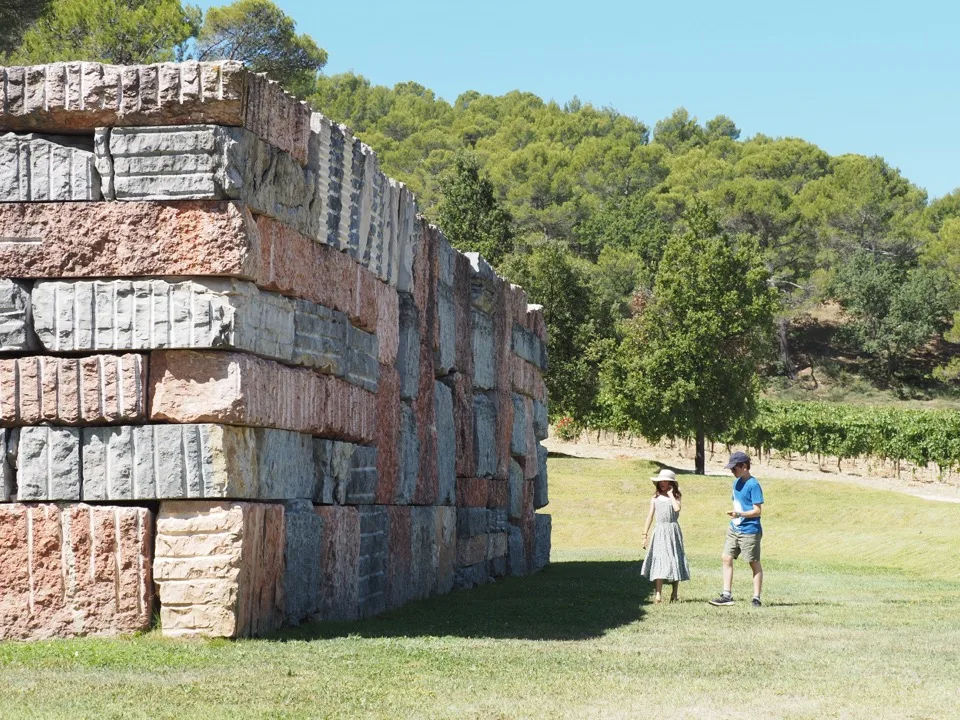
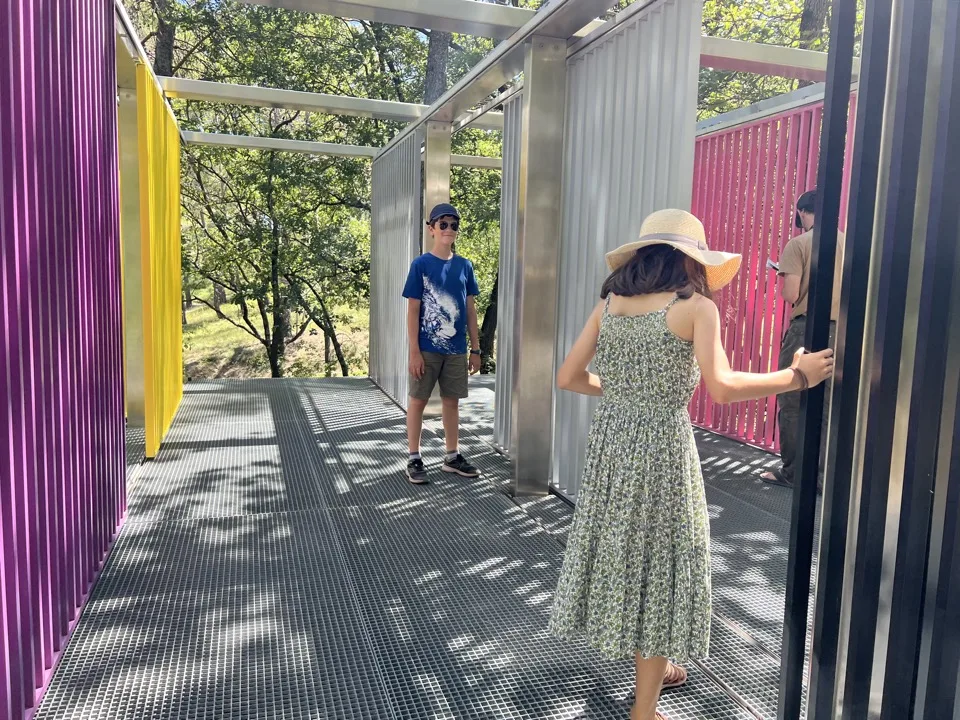
Thirty minutes from Aix-en-Provence, here is one of our favourite visits! Chateau La Coste is a beautiful vineyard that you visit not only for its wine, but above all for the many art sculptures dotted throughout the vines. We spent a good two hours there, walking from one sculpture to the next. The children enjoyed these works of art, which are huge and varied. A perfect family visit! The following photos were taken a few years later, during another family stay in Aix-en-Provence: the children had grown!
***
Our good addresses in Aix-en-Provence:
Accommodation in Aix:
Just outside Aix-en-Provence, La Ferme guesthouse is one of our favourite addresses! A superb garden, pretty Provencal decor and breakfast. All this just a quarter of an hour from Aix by car. To visit the centre of Aix-en-Provence, everything can be done on foot, so leave your car in one of the large paid car parks (we often use the Rotonde car park).
**** When you book a hotel on Booking by following a link on my articles, it allows me to receive a small commission: it does not change the price for you and it helps me maintain the blog. So thank you very much to those who book the hotels we recommend! ****
Restaurants in central Aix:
Le Maryse: quiches, savoury tarts and cakes.
Le Miollis: a relaxed terrace, a bistro menu and reasonable prices.
Le Ramus: a lovely brasserie with a terrace.
Where to buy calissons?
I love them and so do the children! I recommend the Calissoun stall at the market, or the Philippe Segond shop on Cours Mirabeau, or La Fabrique du Roy Rene (see above).
***
After all that, in the evening, a little Ricard with my Pepe felt well deserved, didn’t it? Once again, it feels good to return to one’s roots, especially as my Pepe is approaching 100 years old, so he carries the memory of so many years I never knew. I particularly love it when he tells me about his youth, with the song of the cicadas as background music.
***
Many more family-activities in the same region – in the Luberon.
And you? Have you visited Aix-en-Provence with your family?
3 days in Edinburgh with my teenagerA long mother-daughter weekend in Edinburgh: Harry Potter, art, history and shopping in the Scottish capital
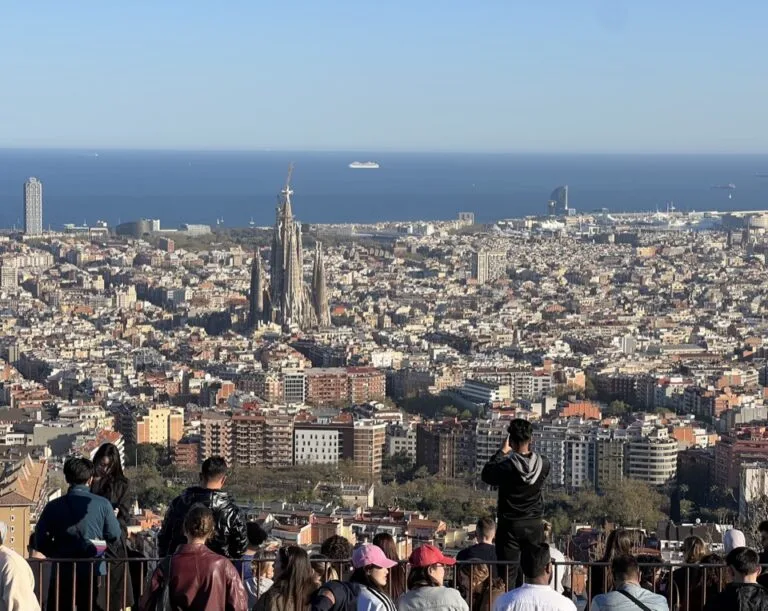
4 days in Barcelona with our teenagersOur 4 days in Barcelona as a family with our teenagers: itinerary, museum visits and walks neighbourhood by neighbourhood
Road trip in Scotland with a babyHikes in the Highlands with a baby on a 10-day holiday in Scotland: walks, sightseeing and also city breaks in Edinburgh and…
We went back to visit Bristol. This time, in summer mode and just as a mother-daughter duo. Bristol is the city in England best known for street art. It is even called the “Capital of Street Art”. So I thought it was a good excuse to go back with my Titpuce, who is interested in art in general but knows less about this urban art form. Bristol is Banksy’s city. Bristol is also the city of Massive Attack and Portishead. For that, younger people are less likely to get the reference! Let’s just say Bristol is famous for its music groups.
We spent one day in Bristol, with the whole morning devoted to a guided walk to discover the street art. Then we went back to see a few of the city’s must-sees: the market, the monuments, a museum, the famous suspension bridge and, of course, the harbour and the banks of the River Avon. Come on! I’ll take you with us on this 20-kilometre walk through Bristol! A very intense day! I’ll warn you: Bristol is a favourite to discover as a family, especially if your children or teenagers are interested in street art.
Street art in Bristol
Street art is clearly part of Bristol’s DNA. Banksy has particularly contributed to the city’s reputation in this field, but street art was already very developed in Bristol before Banksy, and it inspired him. Today, there are actually few Banksy works in Bristol because they were simply removed, washed away, especially at a time when Banksy was not yet so well known. Now, the council tries to preserve what remains. A difficult position that raises the question of legality and the question of art in general.
To discover Bristol’s emblematic street art works, you can simply use the resources from the tourist office. As for the few Banksys, they are all marked on Google Maps. Mainly, you’ll wander around the centre, passing through Broad Street, Bell Lane and Nelson Street, to name just a few. Then you’ll head towards the Stokes Croft area. This is the Caribbean neighbourhood, more working-class, where Banksy lived.
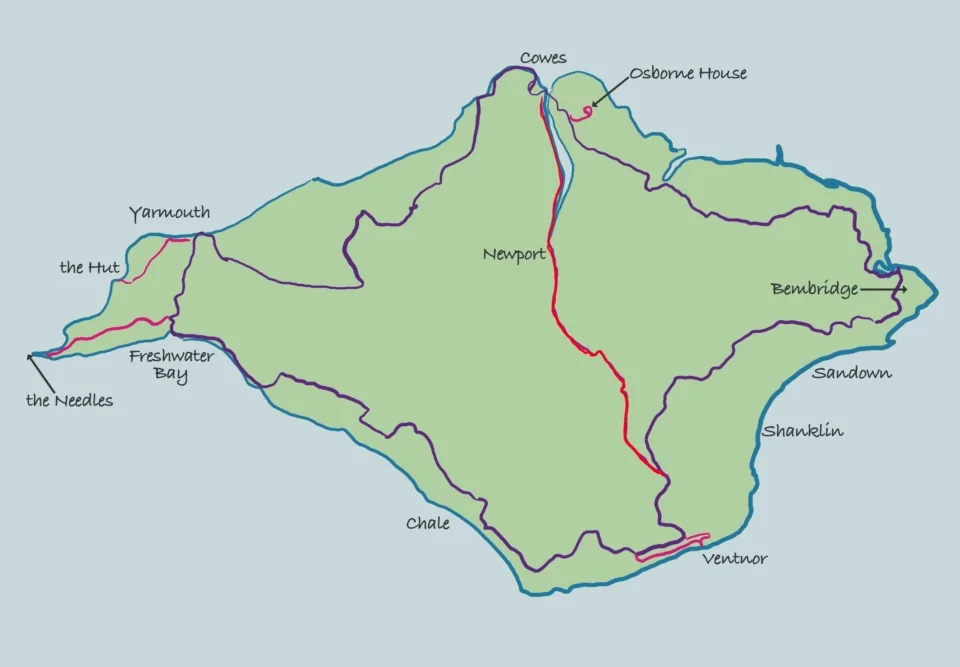
Here’s a project that was close to my heart: cycling around the Isle of Wight with the family! You know how much we love bike adventures with the kids! Cycling around the Isle of Wight is a classic down here in the south of England. The route is about 100km – a satisfying distance. I split the trip into 3 cycling days. We rode clockwise starting from Cowes. Is it a family-friendly route? That depends on your cycle touring experience. I’ll admit, at first I was worried it might be too tough for our Titpuce (12 years old), who’d never done more than 20km in a day before. Ticoeur (14) was in his element. In the end, I came up with a whole plan to make the adventure easier for Titpuce. She took a shortcut on the first day. I’ll tell you all about it. But in the end, I needn’t have worried. Who was the one lagging behind in the family? Me!!!
Day 2 of our cycling tour of the Isle of Wight with the kids
Cycling around the Isle of Wight with the family: Day 1
The ferry journey to the Isle of Wight
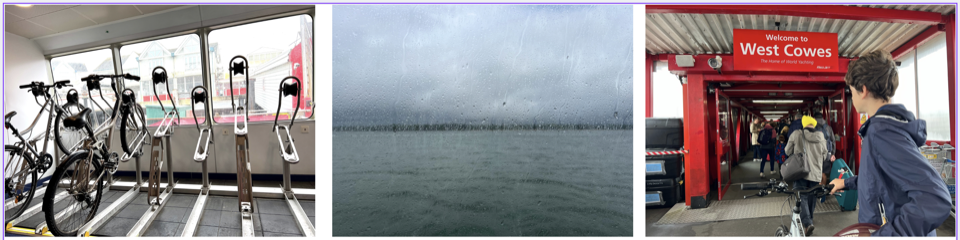
Ticoeur and I set off early from Southampton port. We took a ferry to West Cowes on the Isle of Wight with the company Red Funnel. The crossing takes 30 minutes and there’s space for bikes. We paid £56 return for the two of us and our bikes.
Morning ride: Cowes to Bembridge
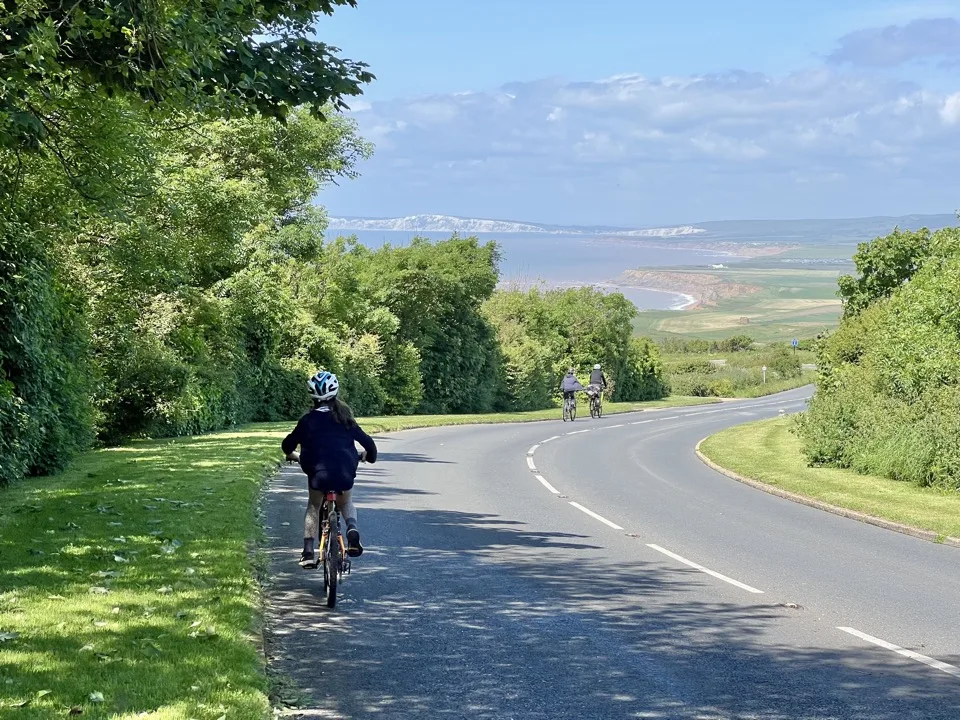
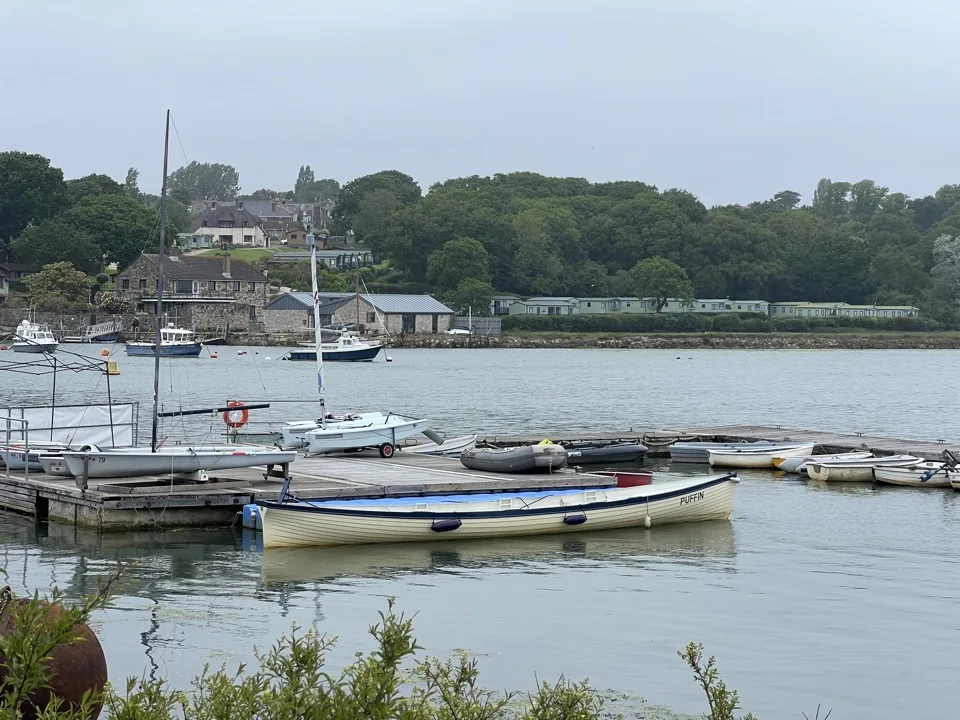
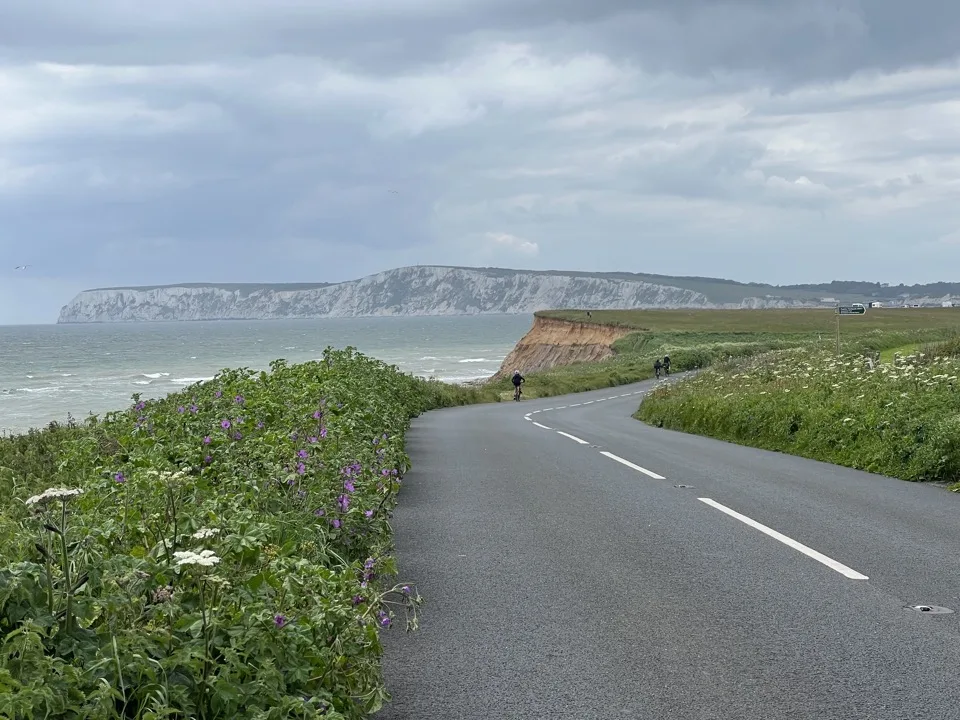
Once in Cowes, we crossed the village – on foot, as the main street is pedestrianised. After a few pedal strokes, we were already blocked by an inlet. We had to take a chain ferry to avoid a big detour. Finally, the real adventure could begin! At first, the road climbs a bit and it still feels urban. Then it winds through the countryside. Lots of twists, descents, and climbs. The sky was overcast and it was cool – which helped with the uphill sections! More physical than I expected. The wind was quite strong and changing direction. A proper workout!
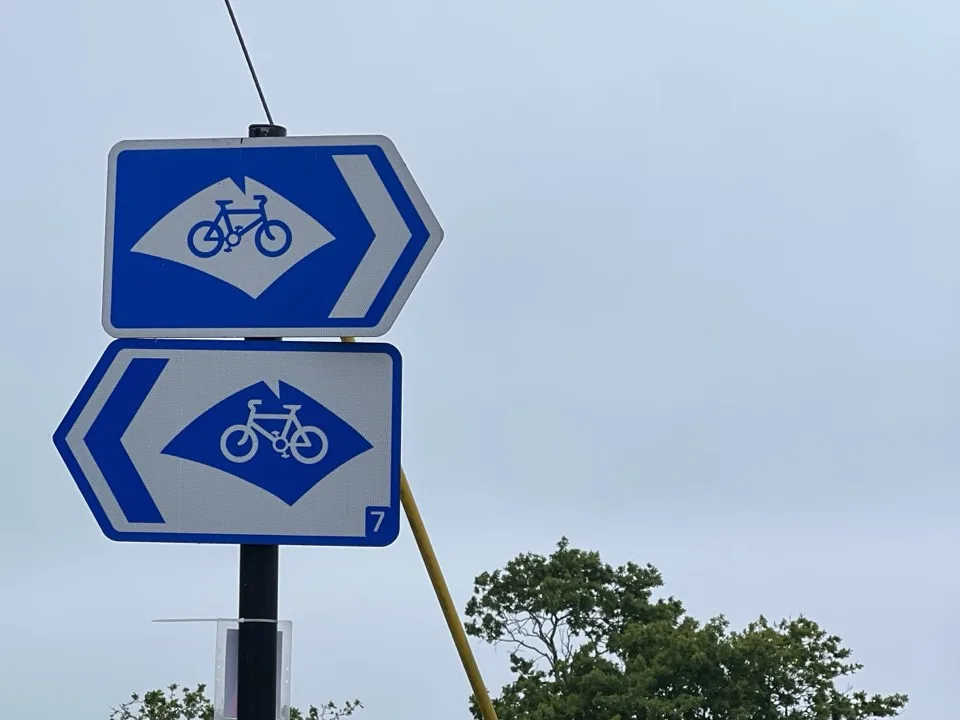
After a few kilometres, we finally realised there’s a colour code on the cycle route signs: blue on white means clockwise, white on blue means counter-clockwise. Handy!
Around noon, we reached the waterfront at Bembridge and were starving! We enjoyed a lovely waterside lunch at The Best Dressed Crab Limited. Crab, like at home, is a local speciality. Pricey but delicious. We shared a plate between us and topped up with cereal bars before getting back on the road.
Afternoon ride: Bembridge to Ventnor
We headed south. A drizzle starts. More climbs and descents followed.
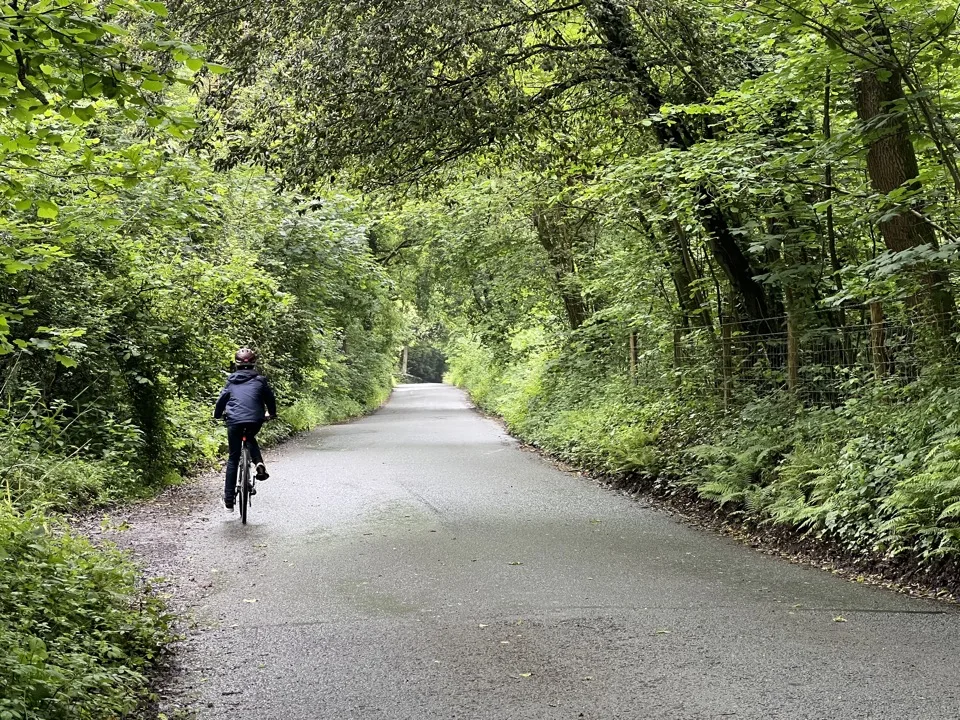
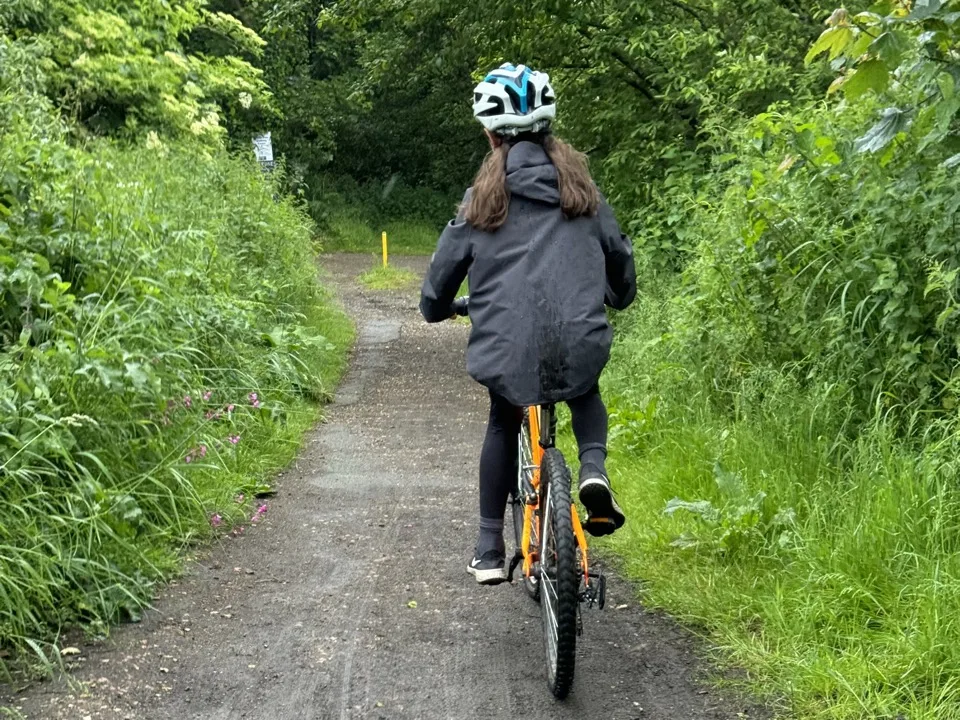
What were Titpuce and Papa Voyage up to during this time? As I said earlier, I wanted to ease the route for Titpuce. She had a dance rehearsal in the morning – another reason to take the afternoon ferry and use a shortcut: the Red Squirrel Trail. This path cuts across the island almost straight north to south. It avoids many miles. It’s also very peaceful and mostly flat, as it’s a former railway line.
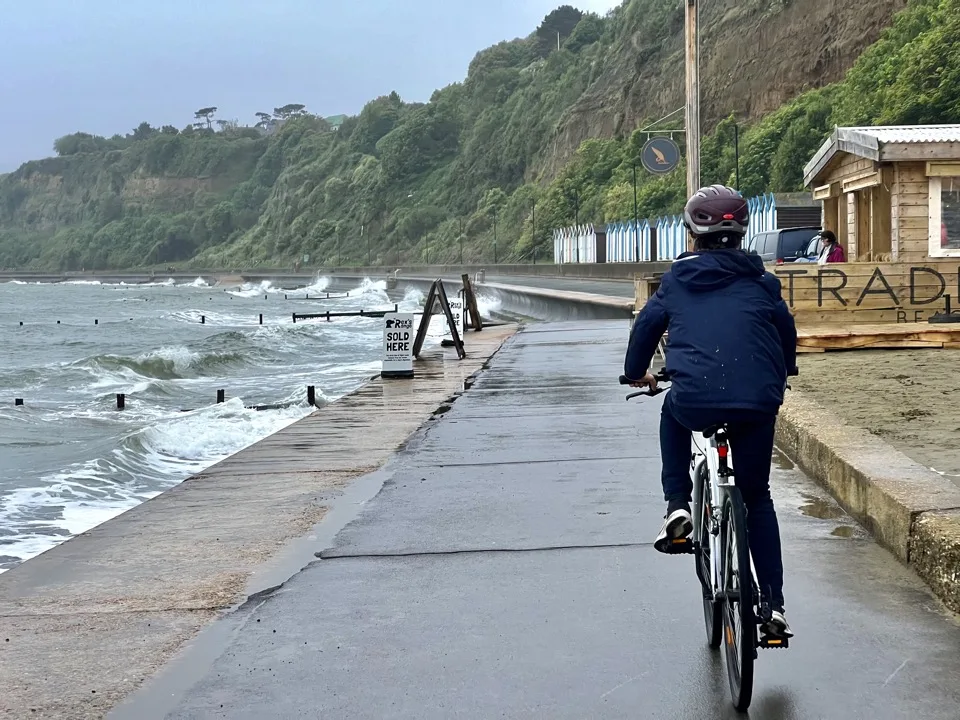
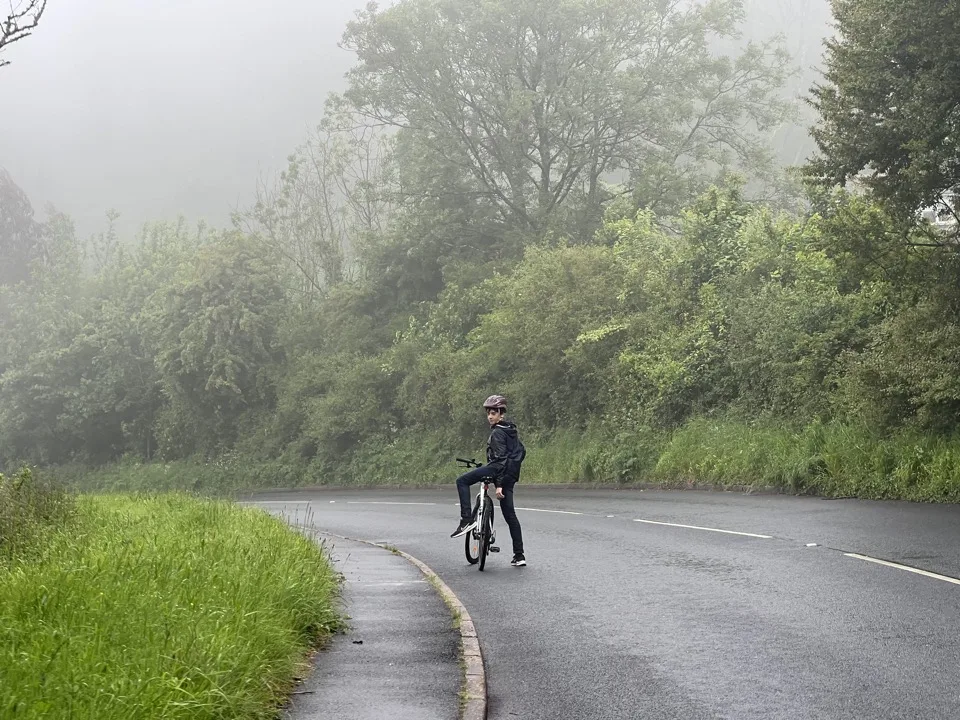
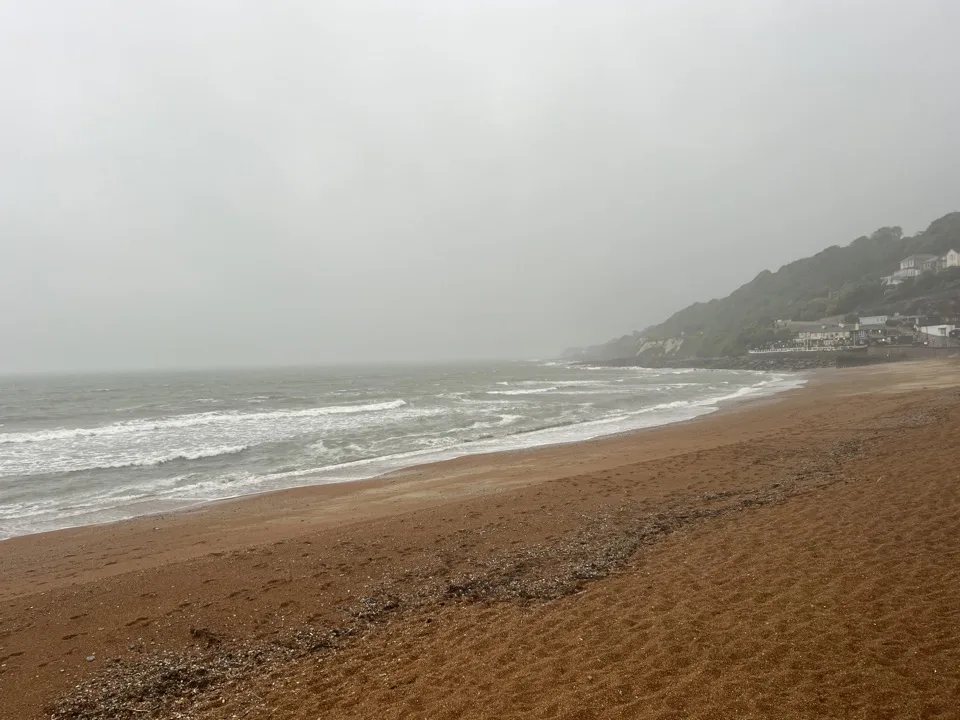
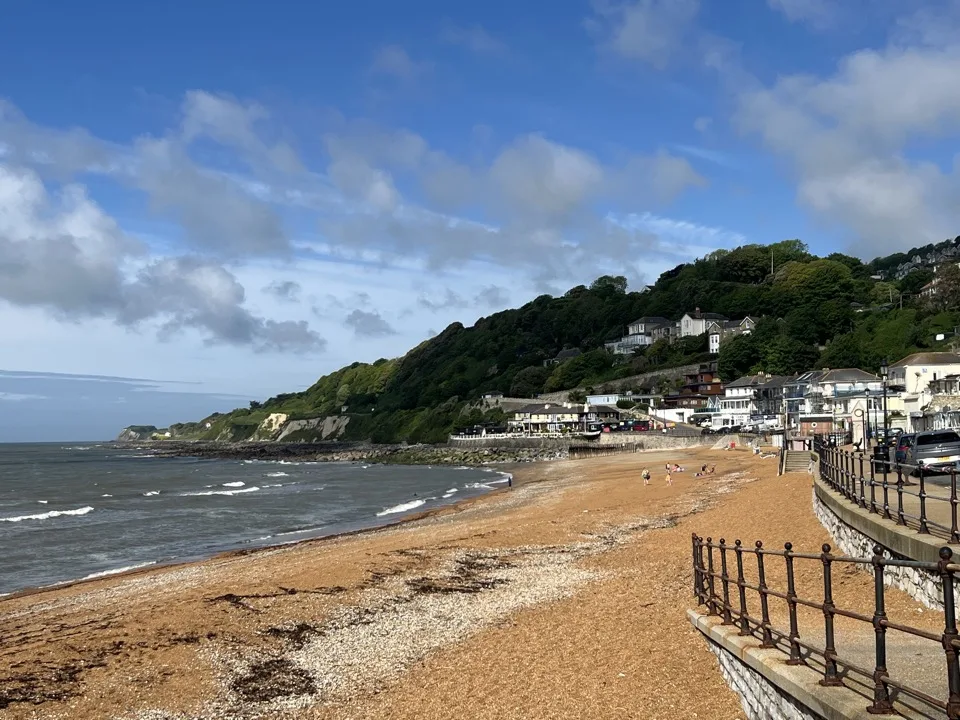
The weather worsened. For Ticoeur and me, the hills got longer and fog rolled in. When the route neared Sandown, we left the official Isle of Wight Cycle Route for a while and rode along the coast on a stretch of the Red Squirrel Trail. The part between Sandown and Shanklin is really lovely:
After the seaside ride, there’s a steep climb near Shanklin Shine up to the old village of Shanklin (Shanklin Old Village). Ticoeur often had to wait for me at the top.
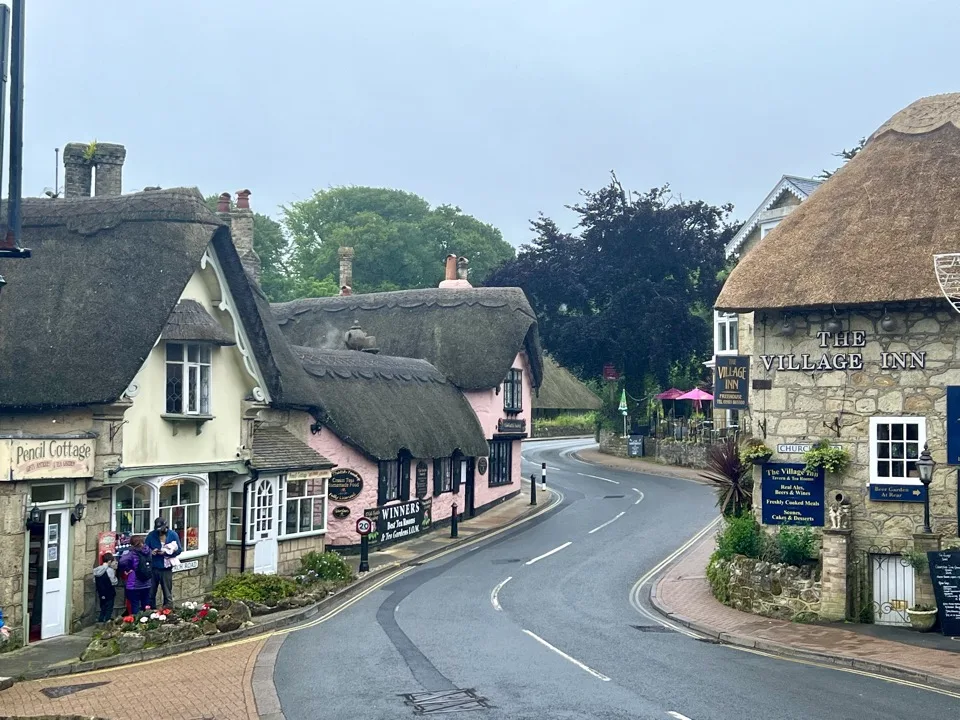
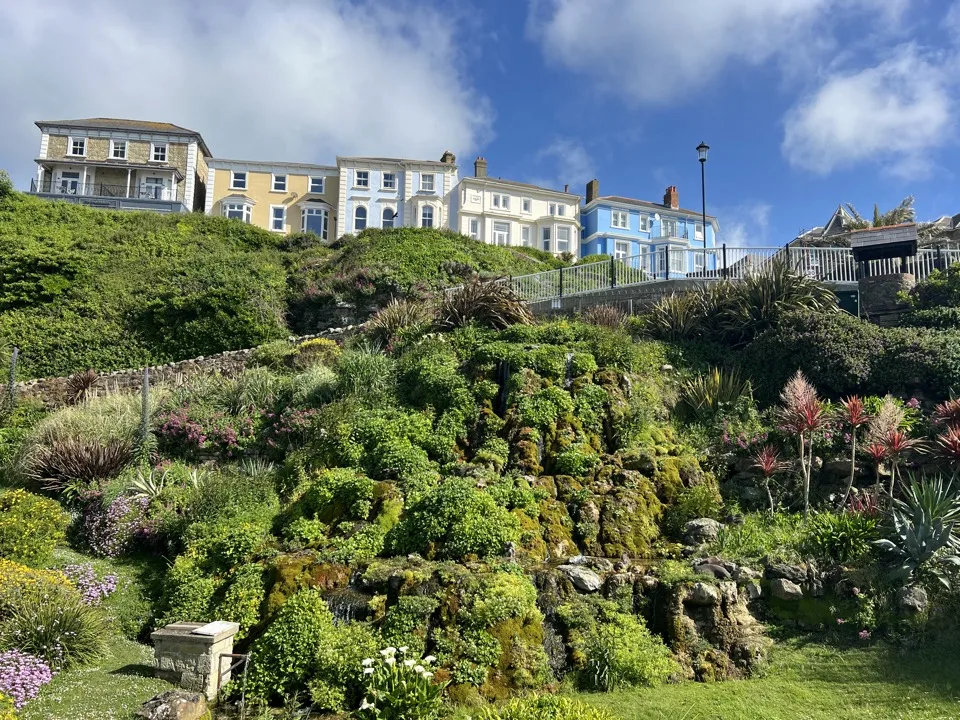
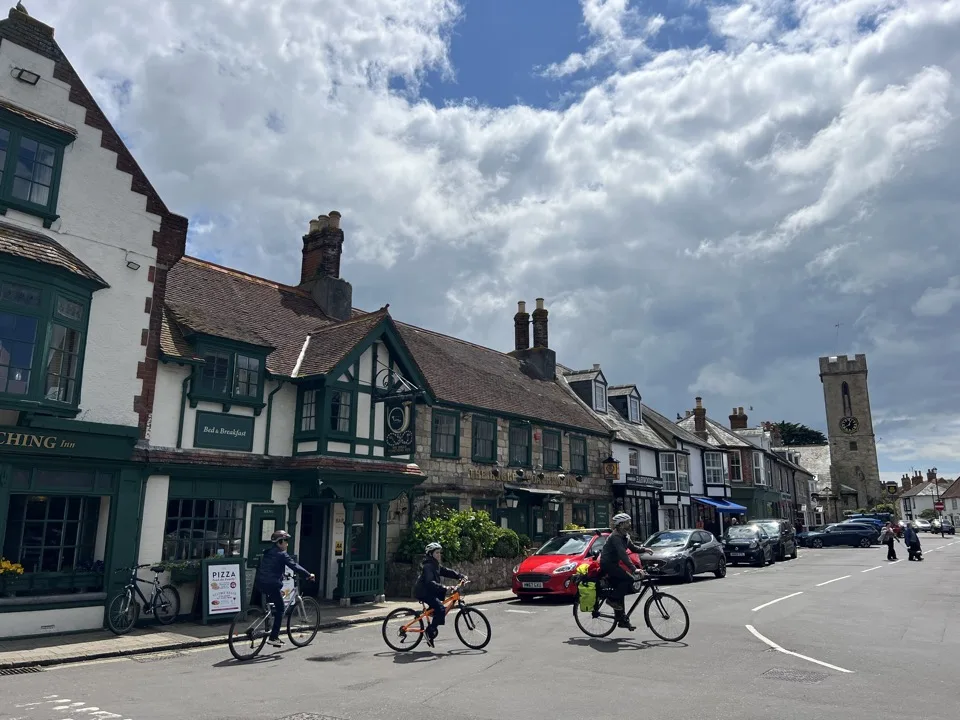
Old Shanklin, Isle of Wight
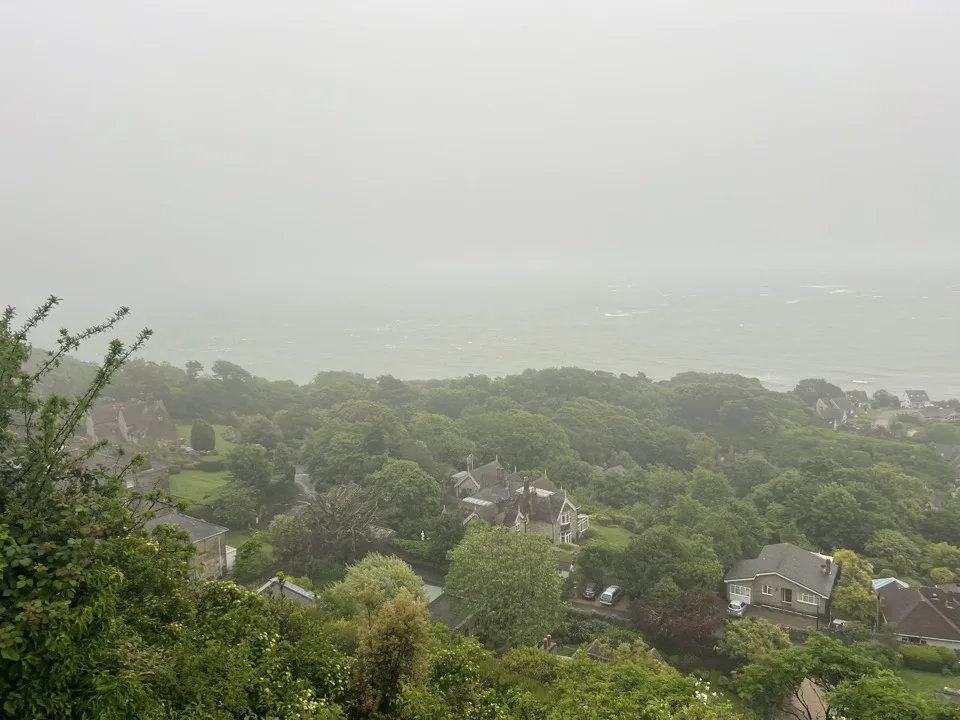
A few more miles and we reached the hills above Ventnor. Beautiful green views – slightly misty and damp 🙂
Arrival and family reunion in Ventnor
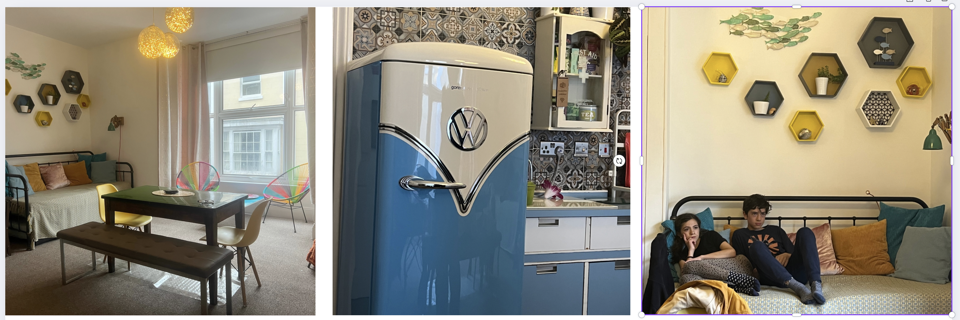
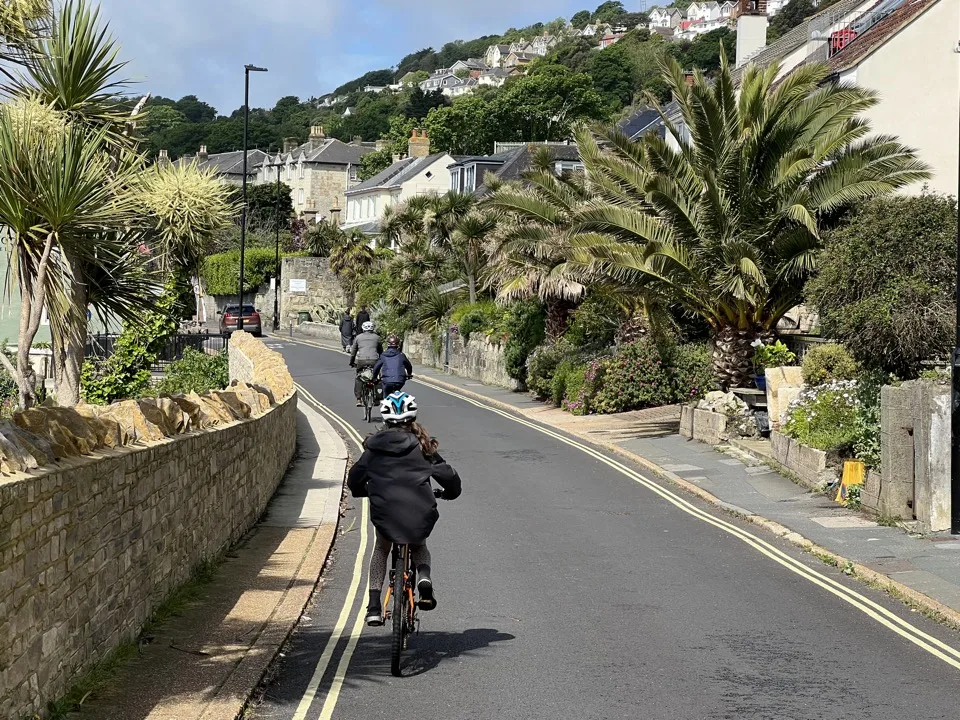
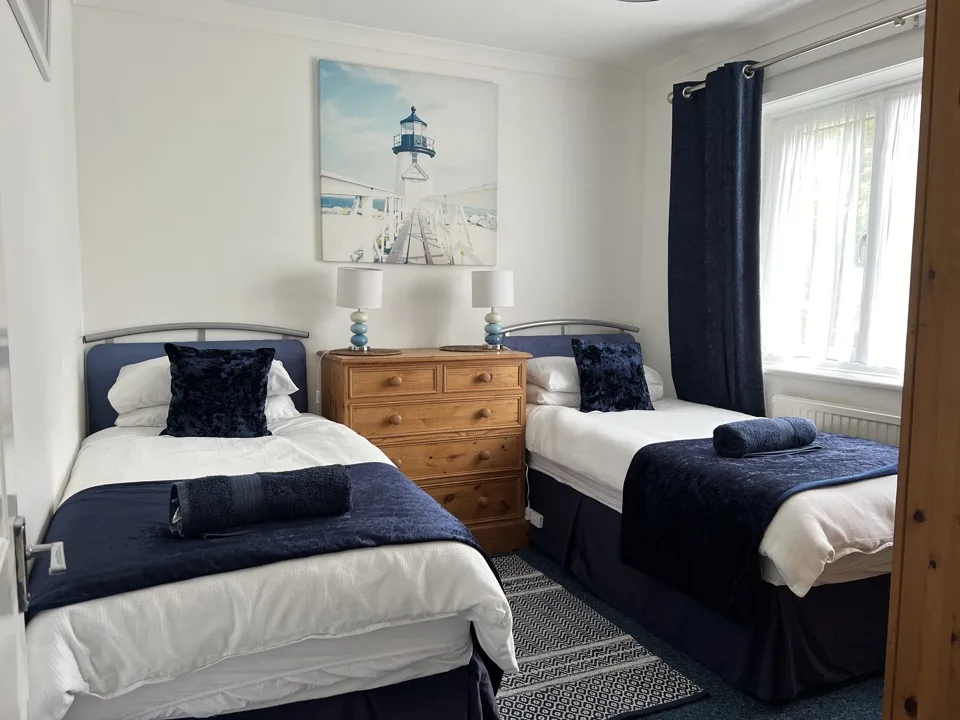
We arrived at our first accommodation, down in Ventnor village. Papa Voyage and Titpuce arrived 15 minutes later. Great timing! We reunited, all soaked from the rain. Our place was a lovely little apartment with charming decor. Good value for the Isle of Wight. There was also a nice DVD selection. The kids picked Les Misérables to watch.
****
When you book a hotel on Booking by following a link on my articles, it allows me to receive a small commission: it does not change the price for you and it helps me maintain the blog. So thank you very much to those who book the hotels we recommend!
****
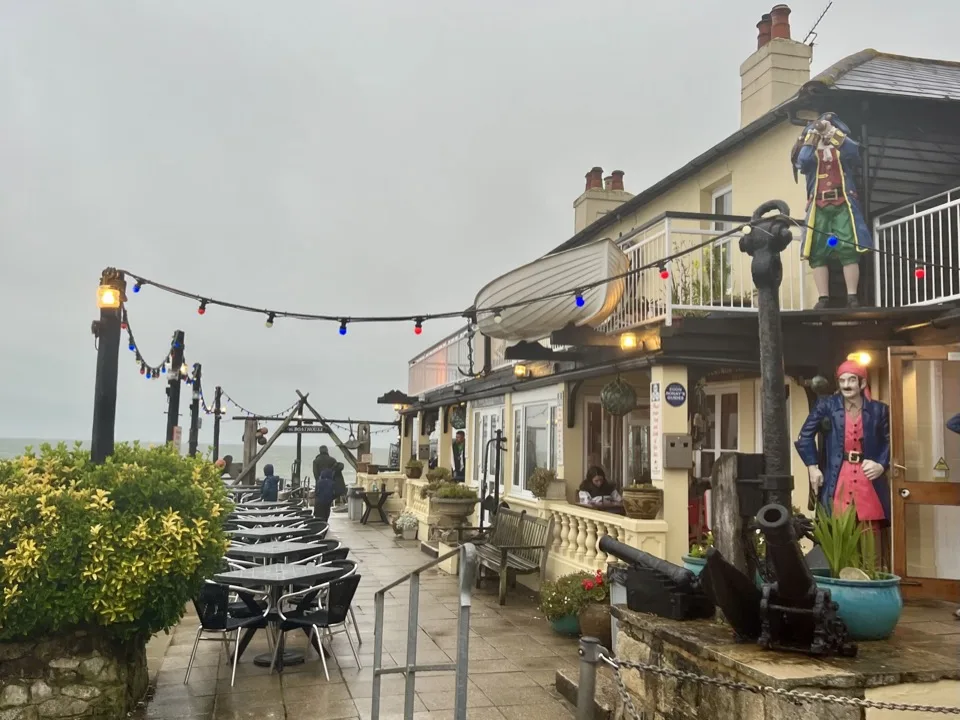
We headed out again to a lovely seafront pub: The Spyglass Inn. A great, characterful pub! But it was pouring!
Day 1 Cycling Summary:
45km for Ticoeur and me
30km for Titpuce and Papa Voyage
***
Cycling Around the Isle of Wight as a Family: Day 2
Morning: From Ventnor to Chale
We set off early, all four of us. The blue sky is back! What a boost!
We see Ventnor beach again under the sunshine!
Off we go! A long, fairly steep climb awaits us.
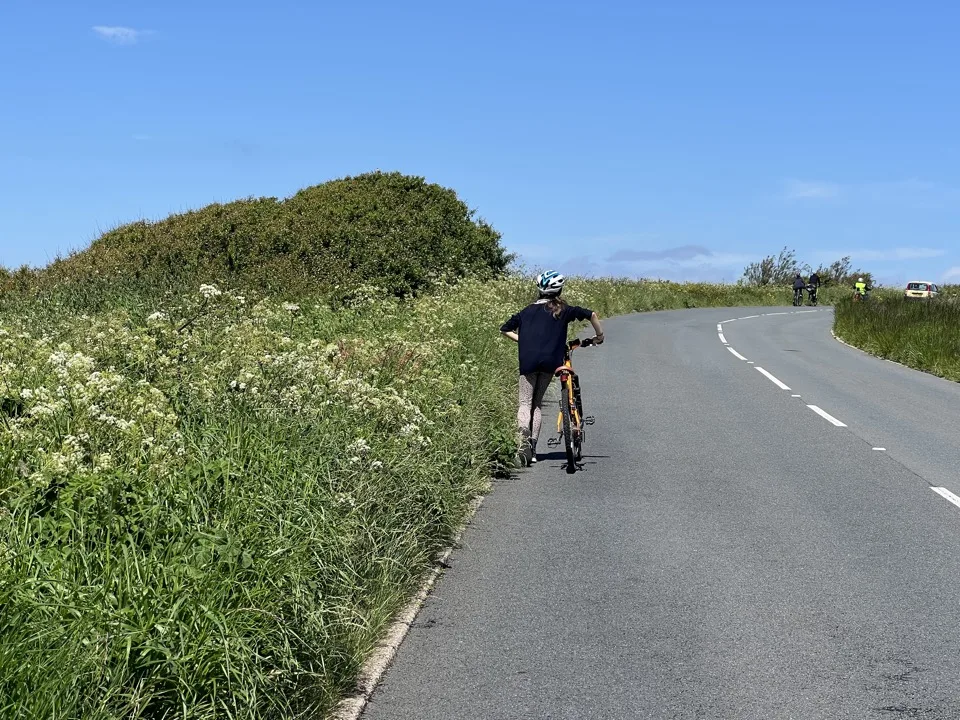
As usual, I’m lagging behind on the climbs while Titpuce powers ahead! At the top of a long hill, we take a Mikado break (brought from France). Then, the climb continues! Titpuce and I walk a few hundred metres.
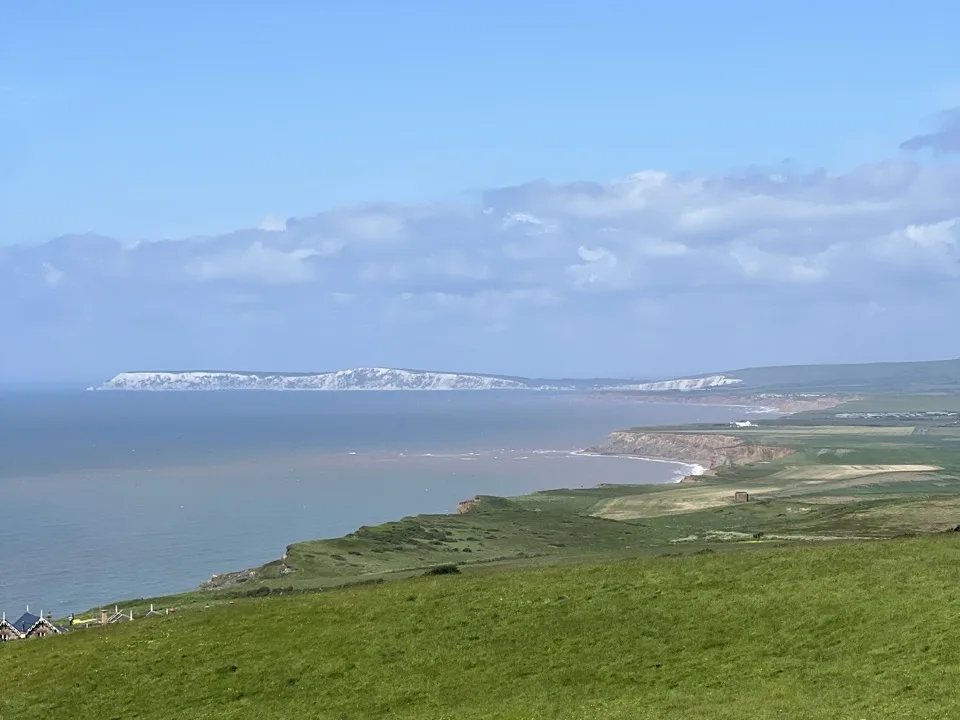
At the top, we have a fantastic view and perfect weather to enjoy it!
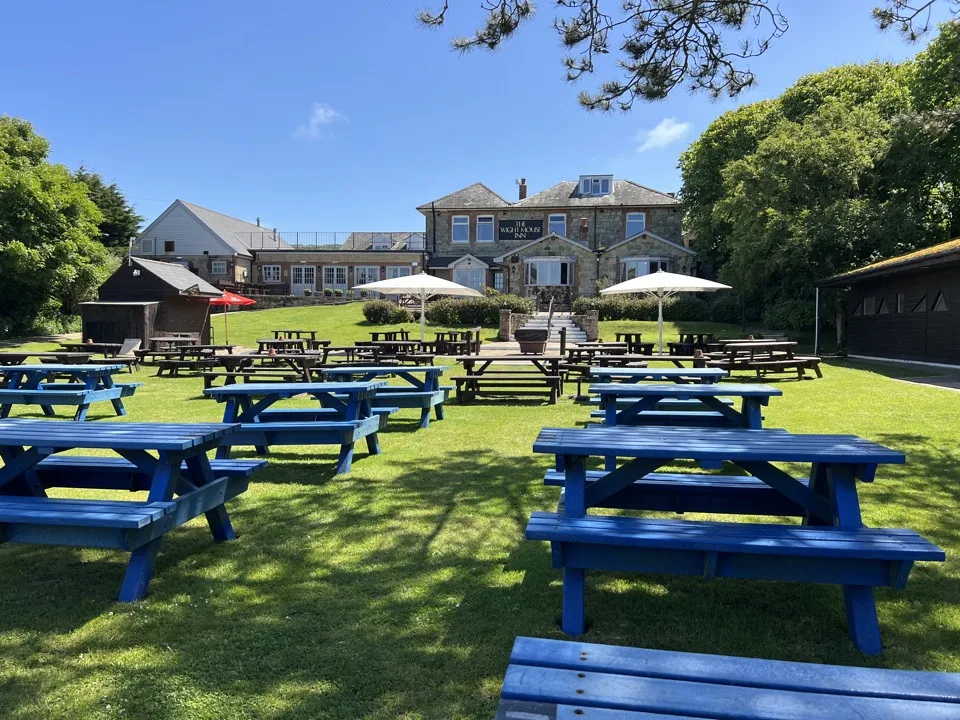
Well-deserved lunch break at the pub The Wight Mouse Inn. Their garden is lovely, with a sea view. We order tea and pies. There’s also a play area for younger kids, though Titpuce enjoyed it too. I had wanted to book a night there, but it was fully booked. Also, based on the length of our cycling days, it would have been too early. But depending on how you divide your journey, it could be a good option, so here’s the link to their hotel section.
From Chale to Freshwater Bay
After the pub, we cycle for an hour on narrower, quieter roads. It’s nice not see any cars, even though British drivers are really careful and respectful towards cyclists.
We then return to the main road for the last stretch of the day. There are some cars, but the views more than make up for it. A few more big climbs, and then we reach Freshwater Bay beach.
A few minutes further on is our accommodation for the night: 9 Afton Barns. We booked this very traditional house with a typical English interior. Not really our style, but it’s very neat and spotlessly clean. A good spot inland, not far from Freshwater Bay beach.
We drop off our bags and set off… Hiking!
The Needles:
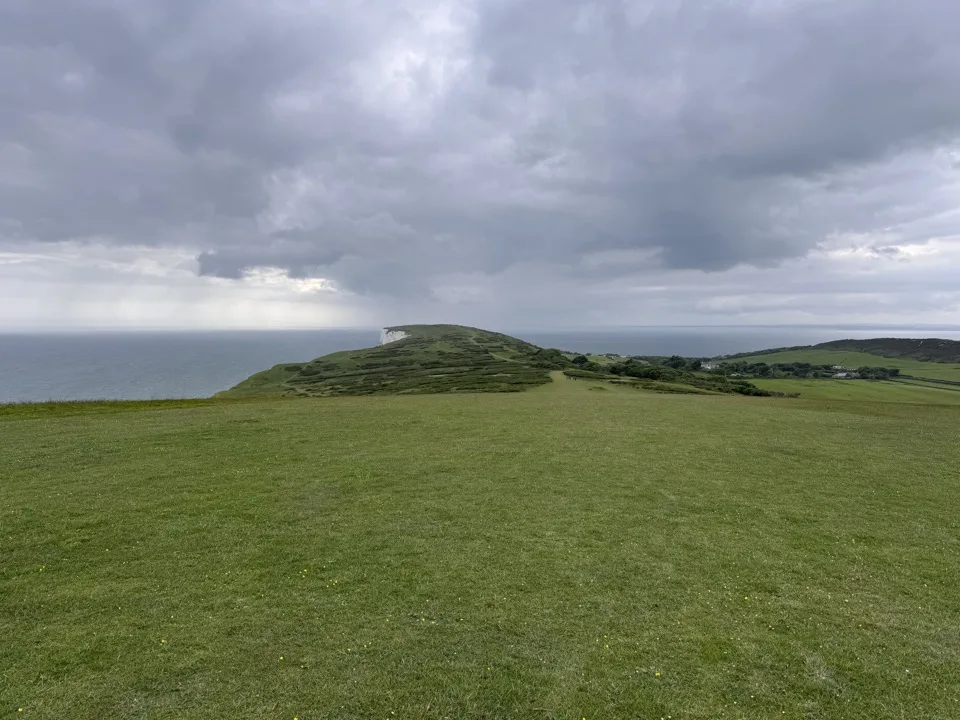
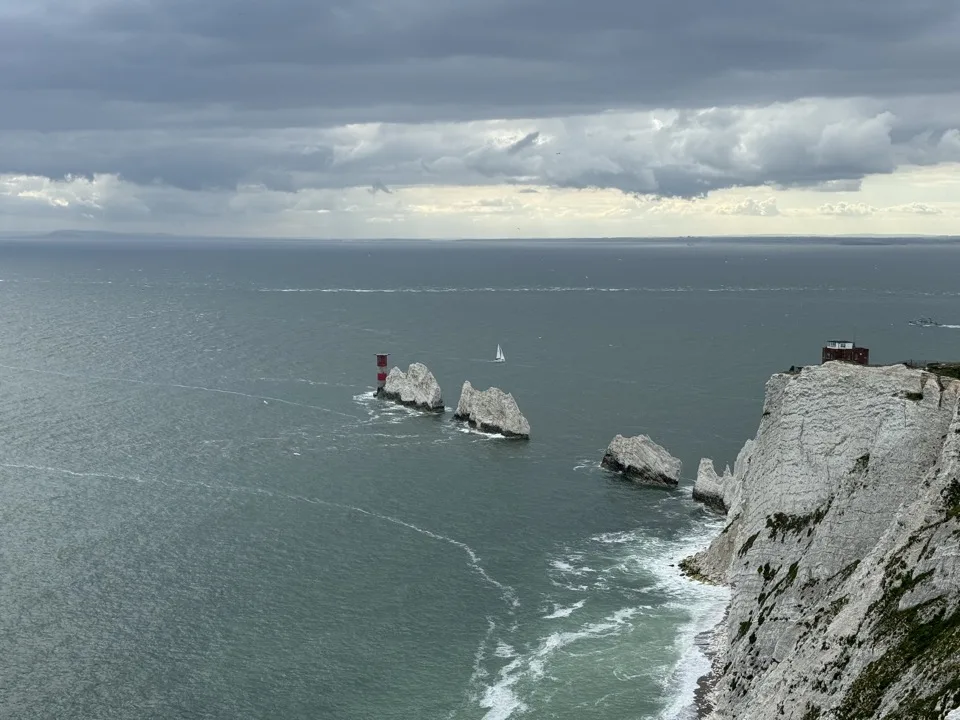
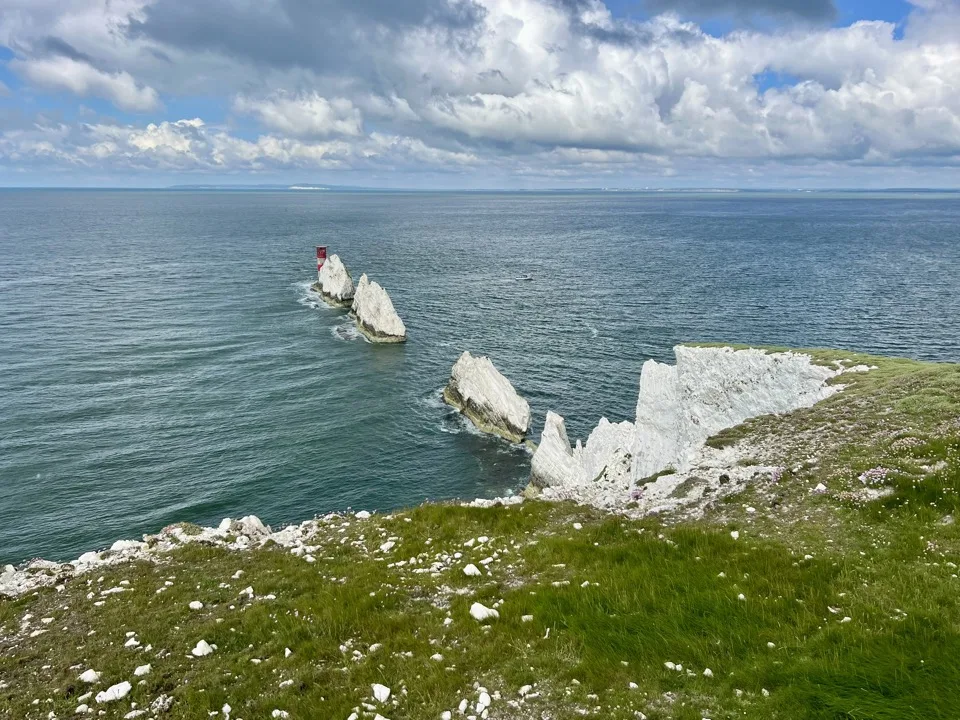
Yes, I wanted to walk after all that cycling! We pedal a few minutes to the start of a two-hour hike on the western tip to admire The Needles, those little chalk stacks that symbolise the Isle of Wight. It’s a slow but steady climb and we’re facing the wind. The view of the Needles is lovely.
Tonight, we’re skipping the pub so Papa Voyage and I cycle to a supermarket. Pasta party at our rental! The kids are thrilled! And the good weather is back!
Day 2 Cycling Summary:
35 km with lots of elevation!
***
Cycling Around the Isle of Wight as a Family: Day 3
With the hardest day behind us, we calmly begin the 3rd stage of our cycling trip—and even add two detours!
From Freshwater Bay to The Needles:
We don’t set off until 10am. Not far from our accommodation is the Piano Café, where we had breakfast on a previous trip to the Isle of Wight. Highly recommended!
Heavy rain begins, but the wind quickly brings back the sunshine—phew!
Our first detour today is to return to see The Needles. This time via the cycle path. We have our National Trust membership, so we can enter the viewing area for a closer look—but honestly, we preferred the free clifftop views from yesterday.
From The Needles to Yarmouth:
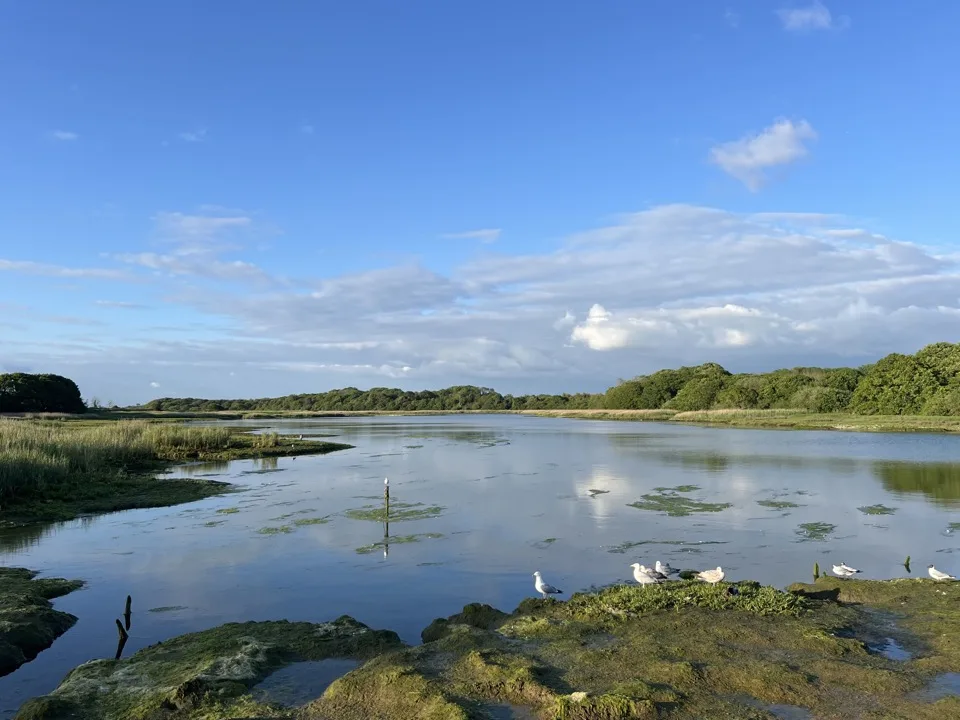
We get caught in another heavy downpour! Thankfully it’s short-lived. The sun reappears as we follow a lovely estuary. The path is flat. Very relaxing!
We arrive in Yarmouth, a charming little village. We stretch our legs by walking along the pier before getting back on our bikes.
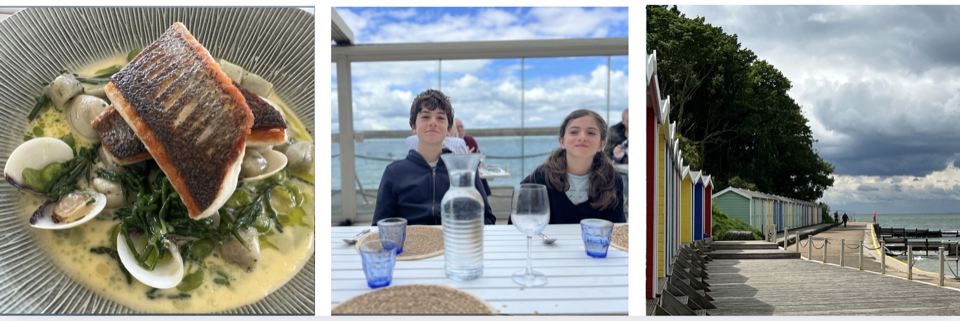
Then we make a detour for lunch at the island’s best restaurant: The Hut! A fantastic spot for seafood lovers. The setting is stunning too, with sea views. Note: bookings are needed one to two weeks in advance.
Heading to Cowes: The Loop Completed!
Next stop: Cowes, our third accommodation. On the way, we experience very changeable skies, climbs and descents, and plenty of woodland—but sadly, still no sign of the famous red squirrels of the Isle of Wight!
Here’s Cowes! The loop is complete!
We had booked two rooms in a homestay: see Cliffside in Cowes. The host was lovely. He was happy for us to dine in his garden (we quickly bought salads at the supermarket). He also provided tea, coffee, cereals, etc. for breakfast.
Our host suggested one last bike ride along the seafront to a pub with stunning sunset views. We celebrated the end of our cycling tour around the Isle of Wight!
Day 3 Cycling Summary:
50 km including 20 km of detours!
In total, over 3 days, Ticoeur and I cycled 130 km (the official loop is 105 km, but we added lots of extras).
All in all, it was a sporty adventure! Don’t set off without prior experience. It’s better to have done several cycle touring trips first. This route isn’t the easiest—very hilly and shared with cars. But if you’re used to family bike trips, the Tour of the Isle of Wight is a fantastic journey full of great memories!
***
Visit to Osborne House
We could have taken the ferry back to Southampton last night from Cowes, but we wanted to enjoy the evening on the Isle of Wight and revisit Osborne House, which we’d seen a few years ago. It’s Queen Victoria’s summer palace. Absolutely stunning, with a rich interior and an impressive Indian-style dining room. The visit took us all morning. Osborne House is located 3 km from Cowes, so just a short bike ride (around 25 minutes). You could also fit this visit in on Day 1 of your cycling tour. Allow at least 2 hours to explore the house and gardens.
Before taking the ferry, we grabbed sandwiches in Cowes from Manny’s Baguettes. Perfect and affordable!
***
Tips for Preparing Your Isle of Wight Cycling Tour
Getting to the Isle of Wight: We took the ferry from Southampton, but there are also boats from Portsmouth. If so, you’ll arrive in Ryde.
Planning the cycling stages: The cycling section on the Visit Isle of Wight website is excellent. You can even track the elevation and distance by moving your mouse along the route. See Round The Island Cycling Tour. For the Red Squirrel Trail, Papa Voyage and Titpuce followed the path from Cowes to Ventnor without doing the full loop. See the route. We chose a clockwise direction because it was more convenient for our accommodation and the shortcut on Day 1 via the Red Squirrel Trail.
In our bags: We packed windbreakers and rain capes—essential! Papa Voyage and I each carried a large bag with everything for the family. Don’t forget lots of spare socks—very comforting when it rains! The kids didn’t carry anything. Papa Voyage also had a small repair kit for the bikes. Be sure to bring sunscreen, water bottles, and snacks for everyone!
***
***
So, who’s tempted by cycling around the Isle of Wight?
During the Easter holidays, we spent 2 days in Lisbon as a family. We had already been to Lisbon with the children when they were little. Now, we are parents of two teenagers! That changes the programme a bit. Not completely, but let’s say we adapt to their tastes and their pace. I therefore wanted to write this article to share this visit to Lisbon with our teenagers. Ticoeur is now 15 and Titpuce 13. We made some new discoveries and revisited a few must-see places.
To put this stay in Lisbon into context, I should mention that we set off on a road trip in the Algarve, in the south of Portugal, and combined it with a two-day (and two-night) stopover in Lisbon. The last time we were in Portugal, we also combined the two. It’s a great way to enjoy nature-focused holidays in the south as well as cultural visits in the Portuguese capital.
Right, let’s get started with exploring Lisbon with teenagers!
3 viewpoints not to be missed in Lisbon
First of all, let’s talk about the big advantage of exploring Lisbon with older children: they can walk and climb! Because Lisbon is a very hilly city! As I mentioned back then, with young children it’s quite a workout, whether you have a pushchair or are carrying them! It’s really not the easiest city with little ones if, like us, you enjoy discovering a city on foot. In short, our two beloved teenagers walk (yes, really!) willingly and energetically, so we took advantage of that to reach three beautiful viewpoints over the city of Lisbon.
Mirador da Graça
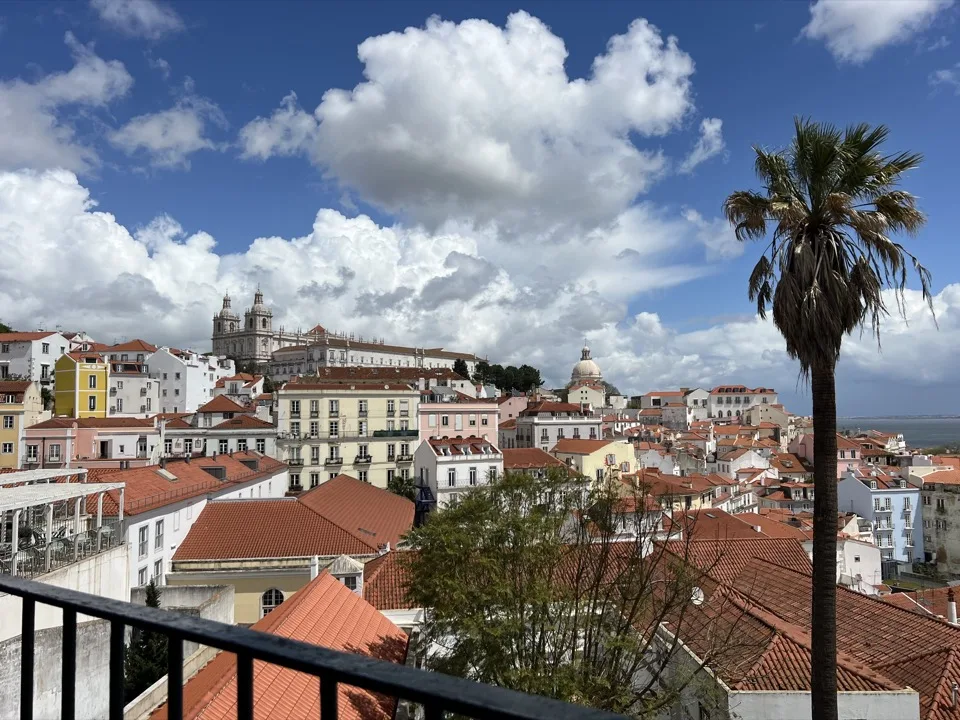
This mirador is higher than the others, making it the most demanding of the three. At the top, here is the panoramic view, with the Tagus in the distance:
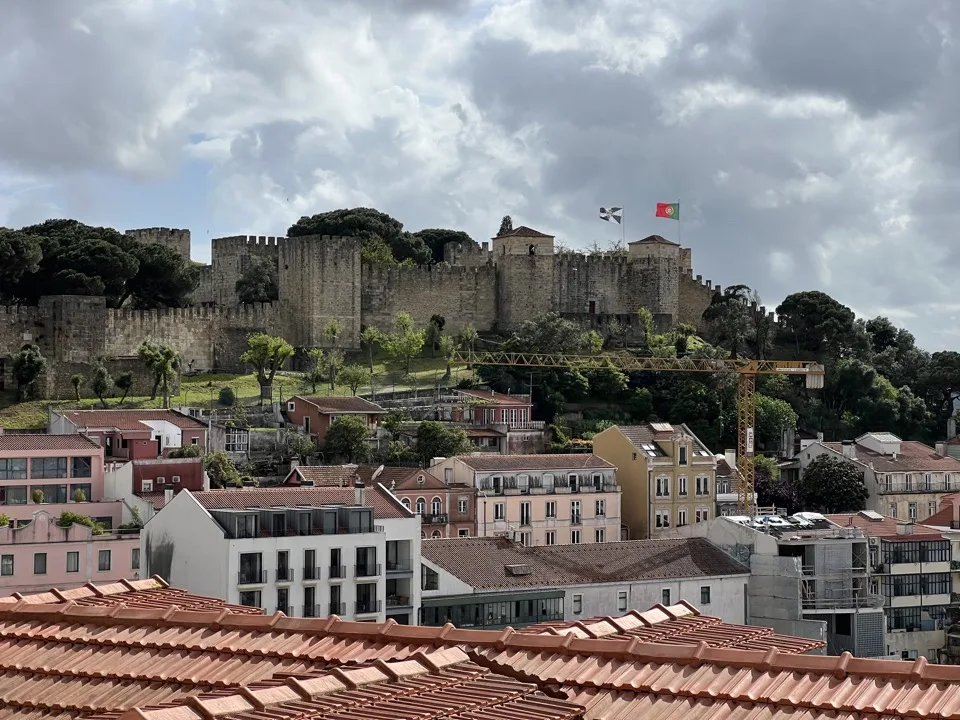
On the left, zooming in a little, you can see the Castelo de São Jorge, a castle we didn’t revisit this time:
Mirador das Portas do Sol
We already knew this viewpoint, which is right in the heart of the Alfama district, our favourite neighbourhood in Lisbon. I think it’s the most beautiful of the miradors, the one not to be missed if you only visit one. We had a coffee there (there’s a kiosk on the panoramic terrace). The perfect break!
We have just returned from the Algarve, this region in southern Portugal where we had already been with the children several years ago in summer. Now, the children have grown up and we wanted to go back in spring mode, for new discoveries or simply to revisit places we had loved. Following these holidays, here is the story of our family visits and walks in the Algarve and some ideas for organising your itinerary. Shall we get started?
Age of the children: 13 for Titpuce and 15 for Ticoeur (last time, they were 18 months and almost 4 years old!)
Travel period: Easter holidays.
The Algarve as a family: our favourite walks and hikes!
The Seven Hanging Valleys coastal walk:
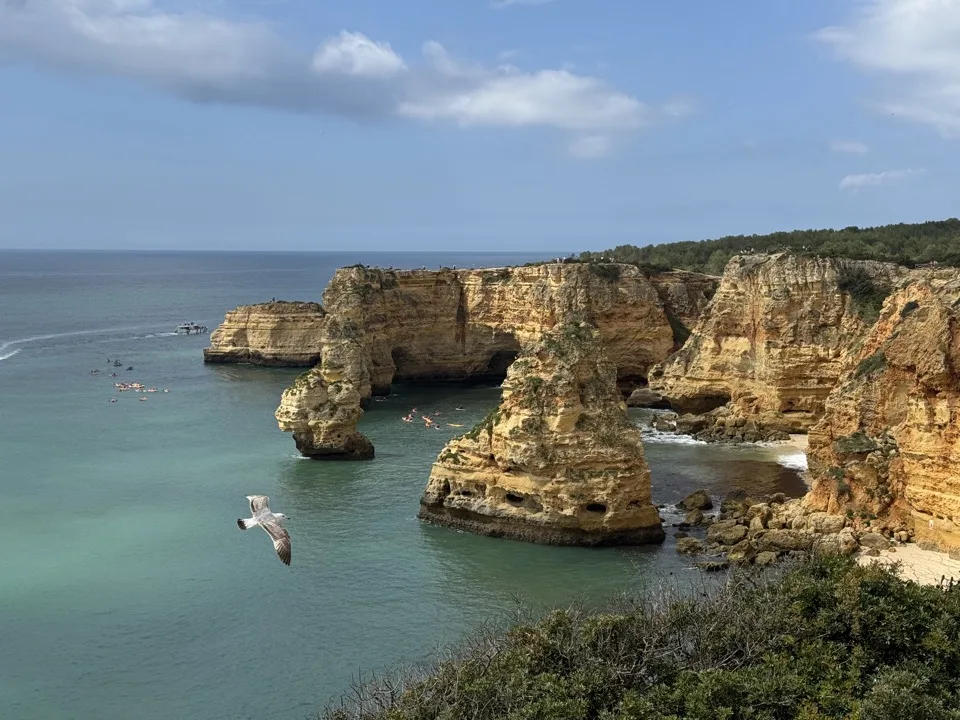
This is a must-do hike to enjoy the famous landscapes of the Algarve. The route is 12 km return. It takes about 3 hours of walking in total, but longer with photo stops and lunch. We parked at the Praia Marinha car park (free). This beach and its rocks are already very beautiful:
We then walked west, passing through Benagil, where there is a famous cave that many people visit by boat, but we didn’t fancy it because it seemed too much like a “tourist machine” to us, and the sea was a little rough; it would not have been much fun! In short, we passed above the cave and saw the beach, but from the coastal path you cannot see the cave. Never mind! The landscape is superb anyway and we were better off on land with our trainers!
The end of the hike is at Vale de Centeanes. Before starting the return journey, we made a little detour to Helders Restaurant Bar, where we shared two simple and effective daily specials. As is often the case, even though return hikes might give the impression of repetition, well, no! It’s another viewpoint and another light! We appreciated the 6 km in the other direction.
London is the capital we know best after Paris. I have already written around twenty articles on the blog about London with children, sharing our many visits to the city. It was time to bring everything together in a complete guide to help you plan your next family trip to London. We love London! Papa Voyage studied at university here, and afterwards we visited several times a year for a long weekend or a week’s holiday. We also have family in London, which helped us discover a different side of the city rather than limiting ourselves to its most touristy sights. And, of course, since moving to England, just an hour and a half from London, we have been able to visit even more often, for a weekend or simply for the day.
Whether this is your first visit to London or your umpteenth, this guide is for you! I have tried to keep it concise, linking to my other articles whenever you might want more detail. Here you will find London’s essential sights, our favourite places and ideas away from the usual tourist trail. I also share all the practical information you need for visiting London as a family: booking advice, transport tips, restaurants, accommodation and day trips from London.
Ready for a big family tour of London?
All our personal favourites are marked with a little heart.
London with children: our best routes and viewpoints
Ten walks around London
Over the course of our many stays in London, we have devised a collection of walks and refined them over time. We love doing them again whenever relatives and friends come to visit us in England. There are walks through central London, along the Thames or the canals, and through the capital’s parks: plenty of ways to discover London on foot as a family. The first routes cover London’s essential sights, while the final three take you away from the usual tourist trail.
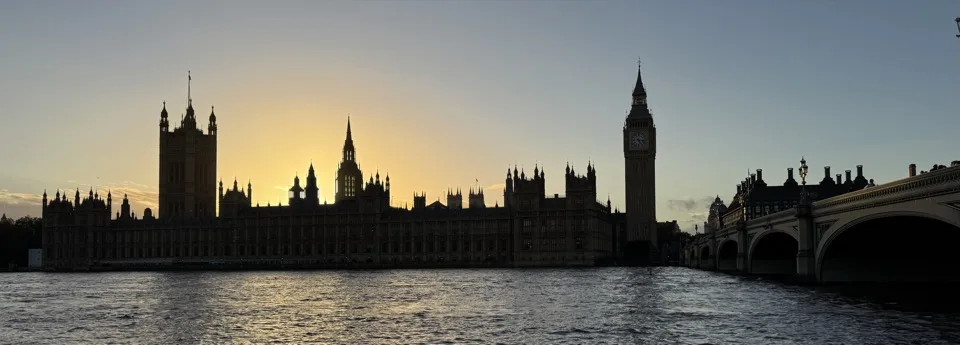
Walk 1:Along the Thames. This walk follows the South Bank. We begin at Tower Bridge and head west via The Queen’s Walk, Shakespeare’s Globe and Tate Modern, continuing to the London Eye. We then cross the river and finish at Big Ben. An east-to-west walk.
Walk 2:Central London, taking in Covent Garden, Neal’s Yard, Carnaby Street, Regent Street, Piccadilly, Chinatown, Soho and more. This is our classic central route whenever friends or relatives visit. You can also combine walks 1 and 2: follow the first part of the Thames walk, cross the river near St Paul’s Cathedral and the City, then continue towards the centre for the sights on walk 2.
Walk 3: Exploring the City of London, with its skyscrapers and historic buildings.
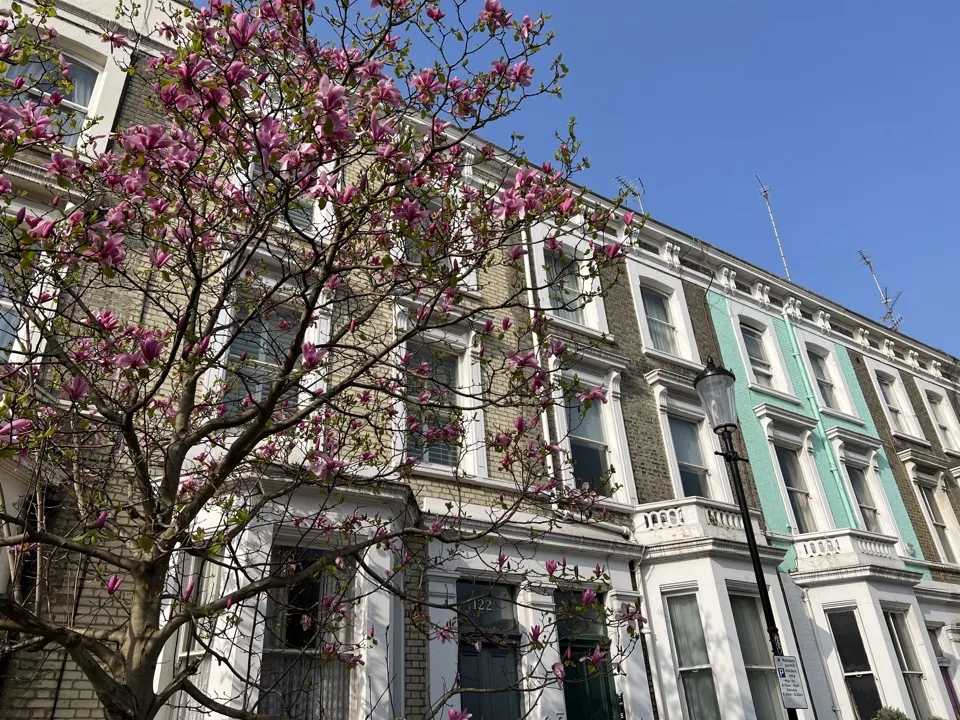
Walk 4: Discovering Notting Hill as a family, including Portobello Road, before finishing at Little Venice and Holland Park. A walk through the north-west of central London.
Walk 5: Explore the French quarter of South Kensington and its museums, listed further down in this article, then walk through Hyde Park and perhaps continue to Regent’s Park. A walk through the south-west of central London.
Walk 7: Explore Shoreditch and its street art. A walk east of the centre.
Walk 8: Discover Hampstead and its surroundings, including Freud’s house, Hampstead’s residential streets and enormous park, and Highgate Cemetery.
Walk 9: Visit Hackney for an off-the-beaten-track day in north-east London, with a small farm, museums, parks and markets.
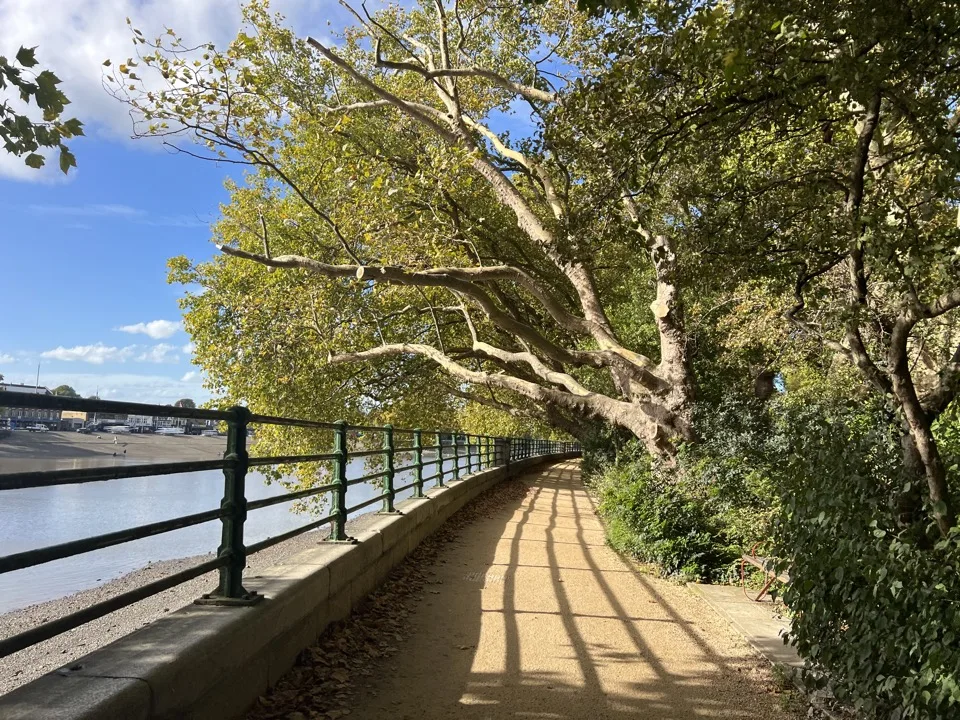
Walk 10: A very pleasant walk beside the Thames through an untouristy area, between Putney Bridge and Hammersmith Bridge.
London from above
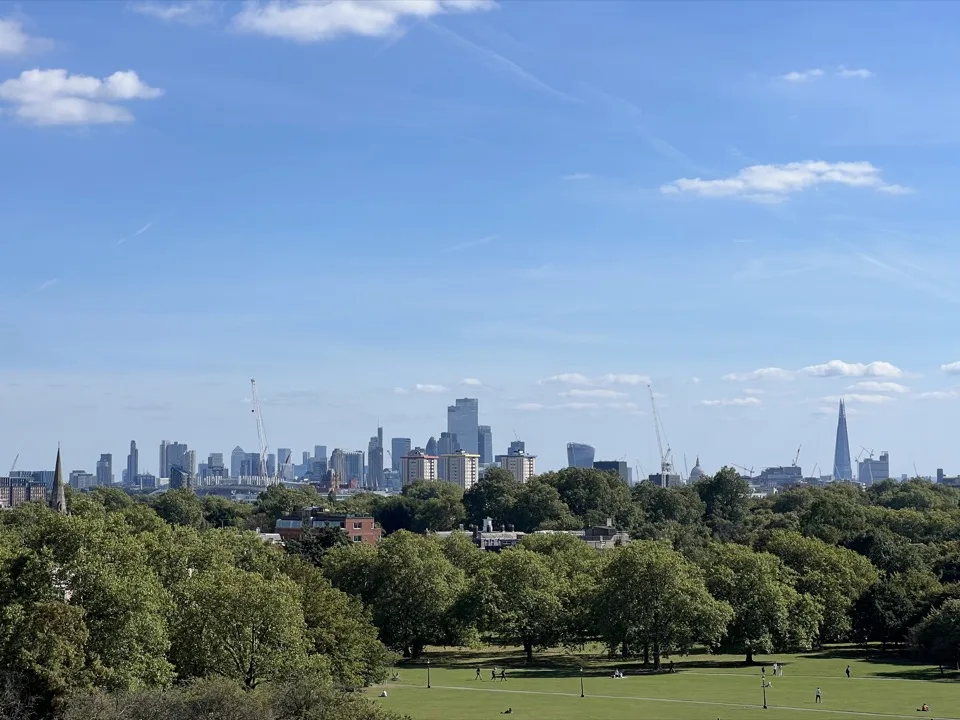
Primrose Hill❤: I love this view! Walk to the top of the hill in Primrose Hill park, sit down and admire the skyline.
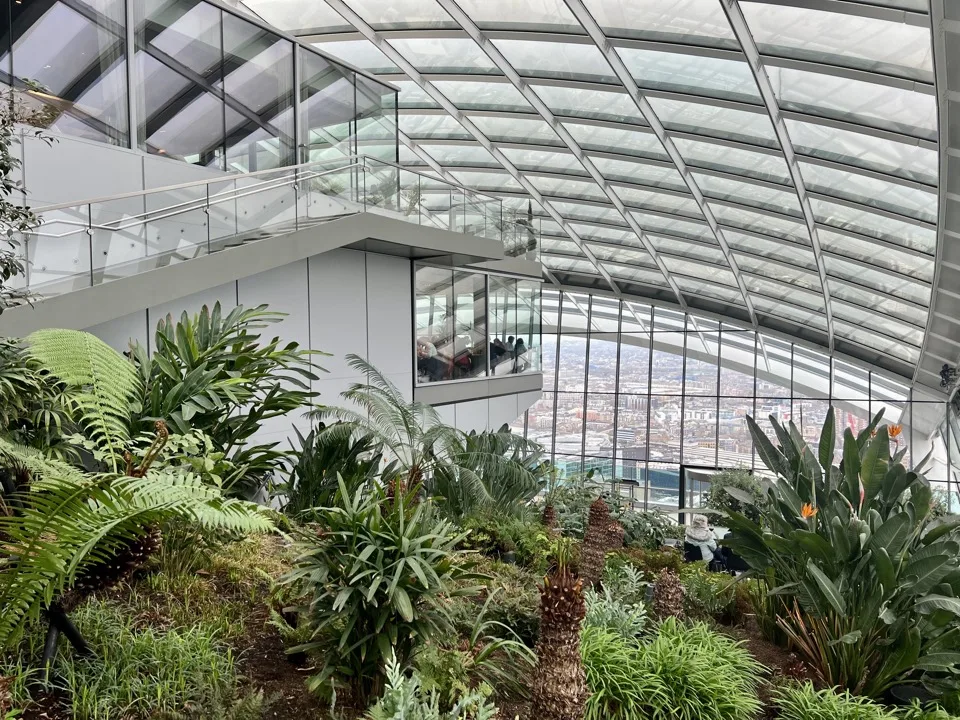
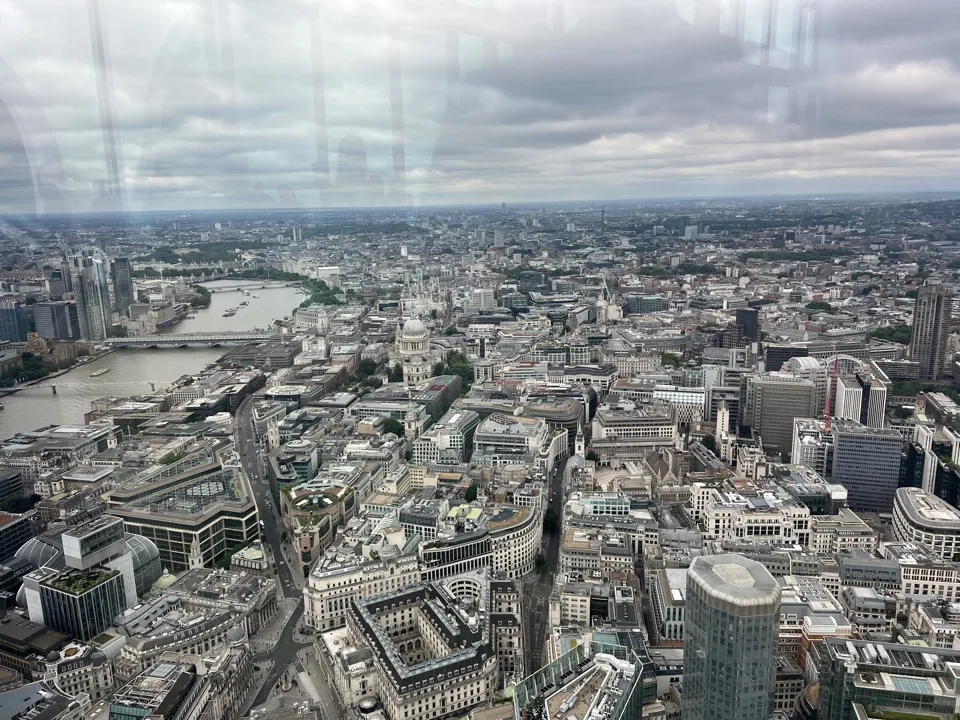
The Sky Garden, which is FREE with a booking: I really enjoyed its greenery and the views from the 38th floor, 160 metres above the ground. You need to be organised, however, and book the free tickets several weeks ahead.
The Garden at 120, which is FREE: this is right beside the Sky Garden. It is much lower, on the 15th floor, but its advantage is a larger, open-air rooftop garden.
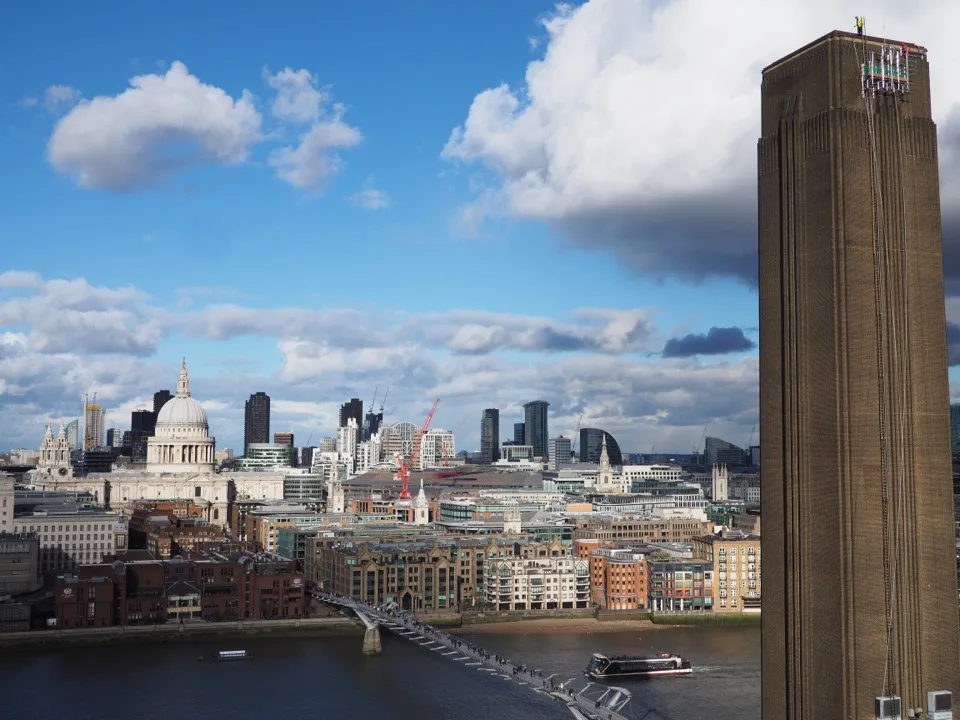
The 10th floor of Tate Modern, which is FREE: a beautiful free view looking north across the Thames. There is also a café.
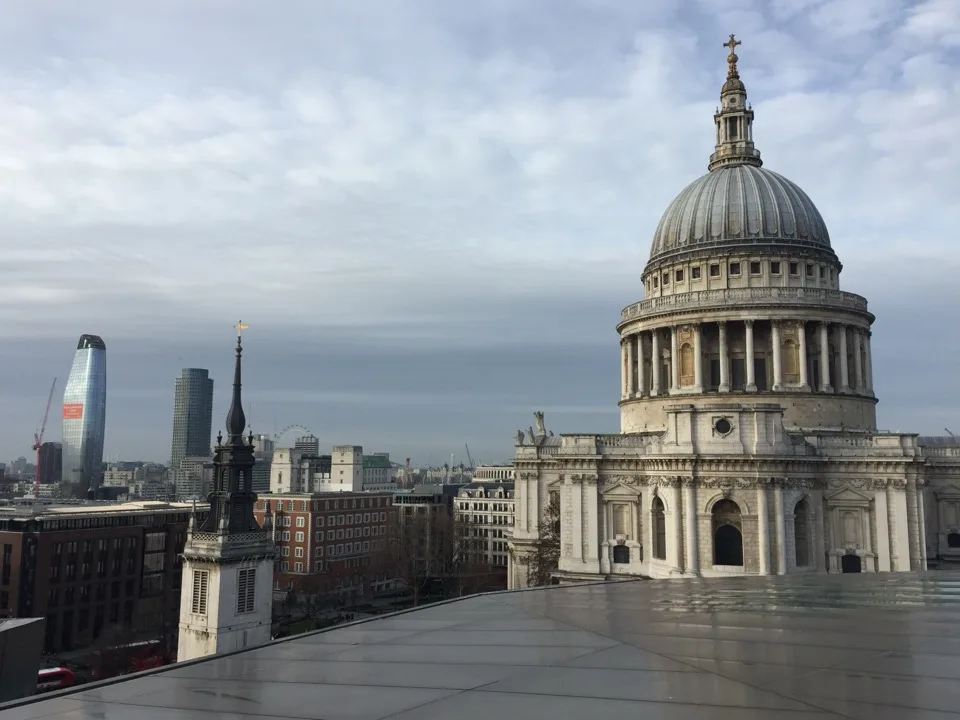
The rooftop terrace of the One New Change shopping centre, a short walk from St Paul’s Cathedral, is FREE. Alternatively, visit the galleries of St Paul’s Cathedral, for which admission is included in the paid cathedral visit.
Horizon 22: a newer place from which to see London at the top of a skyscraper, and it is FREE. Book at 10 am on Monday for the following two weeks. On the 58th floor, 278 metres above the ground, it is London’s highest free viewpoint.
The London Eye with children, PAID: it is expensive, so I would consider it only in good weather. It is more affordable with very young children because under-fours travel free.
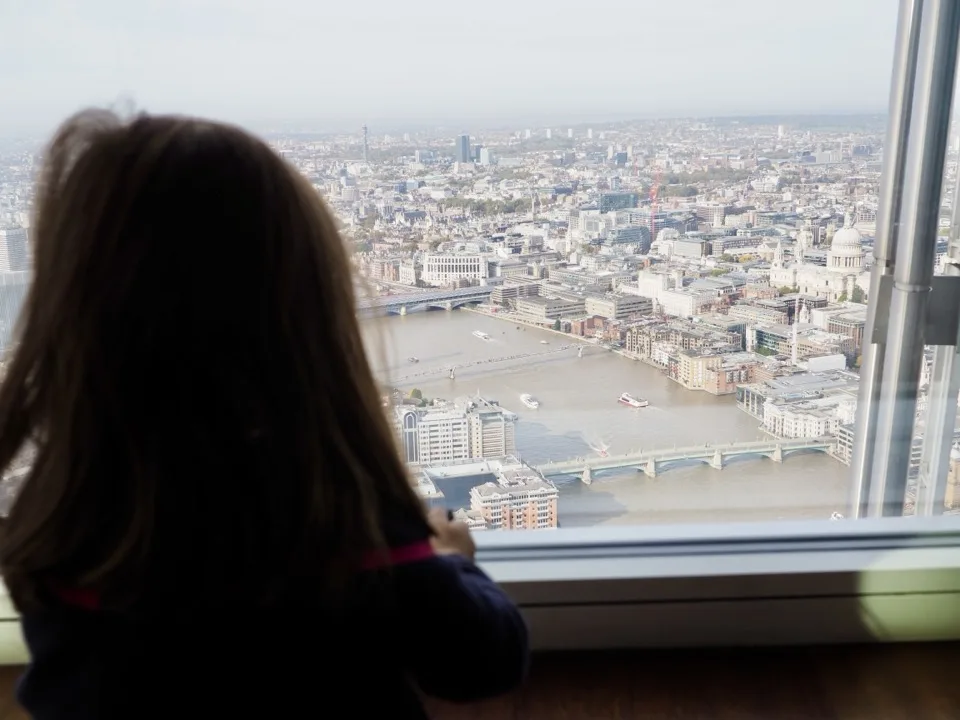
The View from The Shard, PAID. Now that Horizon 22 exists, paying for this view feels less worthwhile, although The Shard remains London’s tallest building at 310 metres.
London with children: the essential attractions
Museums for a family trip to London
All our favourite museums are FREE! Most also stage paid temporary exhibitions, but their free permanent collections already offer more than enough to see.
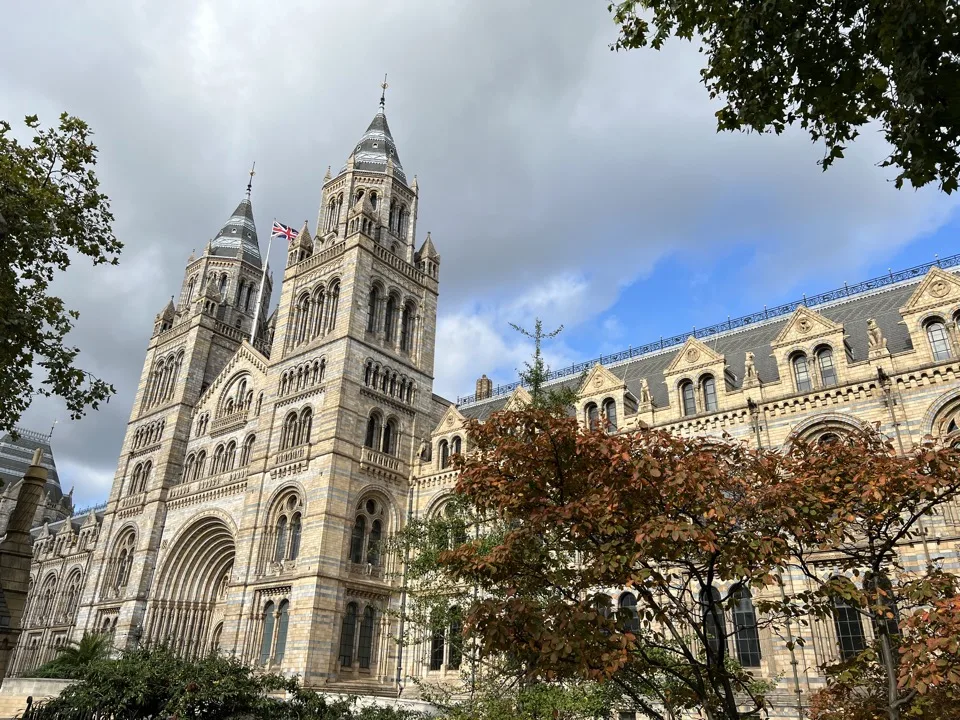
The Natural History Museum: an essential stop, although it is extremely busy during school holidays. Visitors often love its dinosaurs, but this is actually my least favourite section because there is too little space and distance from which to appreciate the skeletons. Paris is better for dinosaurs! At the Natural History Museum, I love the magnificent main hall and its whale skeleton. At the very least, go inside to see this room. I also like the minerals, birds and fossils. The museum shop is excellent for attractive gifts.
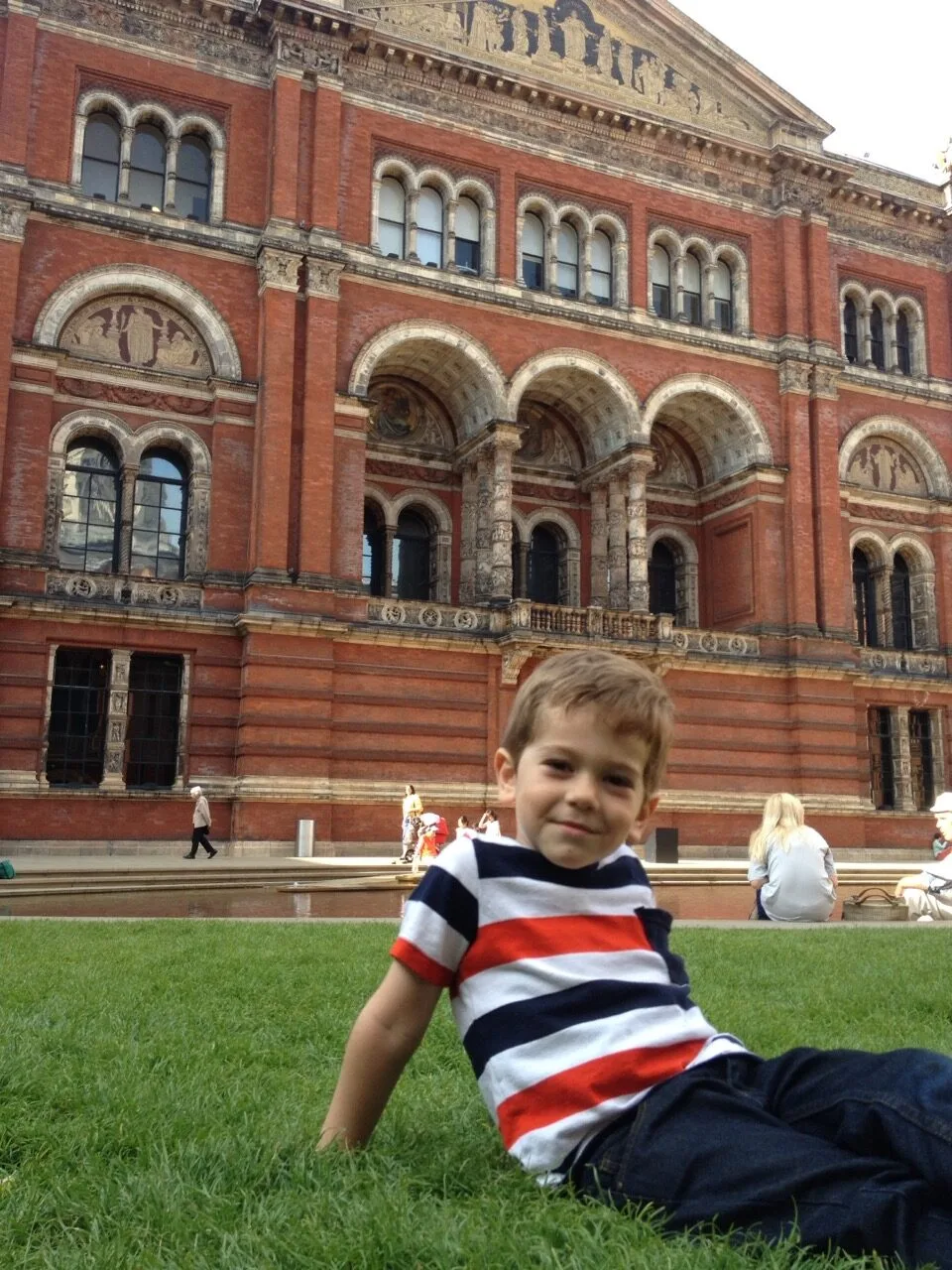
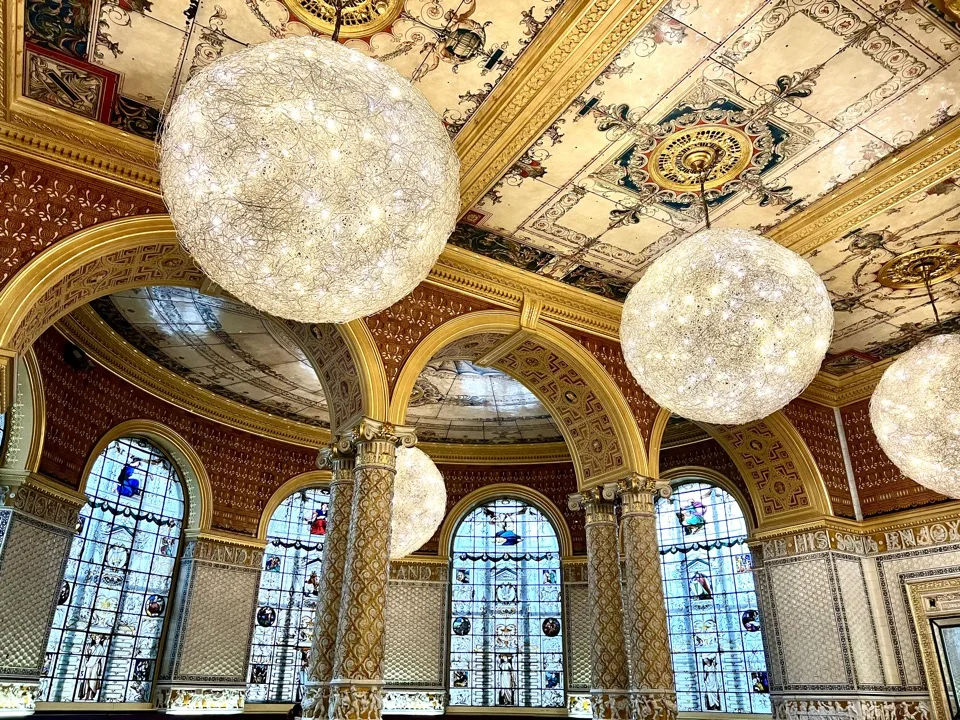
Victoria & Albert Museum ❤: probably my favourite London museum. It stands opposite the Natural History Museum and has a wonderfully varied collection devoted to design and decorative arts. I particularly recommend the jewellery gallery, which is outstanding, as well as the Roman collection, mosaics and theatre section. The architecture is superb, and you should not miss the courtyard. The tearoom is very British too! If you are short of time, simply see the jewellery gallery and admire the courtyard. Since May 2025, visitors have also been able to explore V&A East Storehouse, the V&A’s storage facility in east London, if you are interested in how museum collections are stored. A new museum devoted to contemporary design, V&A East, opened in April 2026.
The tearoom at the Victoria & Albert Museum
The Science Museum: next door to the Natural History Museum and very interesting. We particularly like the sections on medicine, steam engines and clocks.
The British Museum: another essential but very busy museum. The Egyptian collection and Rosetta Stone are highlights, and we also love the Japanese galleries.
Sir John Soane’s Museum ❤: a magnificent townhouse containing an unusual private collection. Do not miss it!
The London Museum: London’s history museum is genuinely designed for children, taking you through changing settings as you travel through time. It is currently being renovated and is due to reopen on 28 November 2026 in a new building at the heart of Smithfield Market. In the meantime, part of the collection can be seen in Docklands.
Tate Modern: this former power station is ideal if you enjoy modern art. At the very least, enter the Turbine Hall, where there is often a monumental installation, then head to the 10th floor for the view mentioned above.
Tate Britain: home to the more classical side of the Tate collection. It is often peaceful despite containing many famous works. Its manageable size offers a fascinating overview of art, and it has the largest permanent collection of Turner paintings.
The National Gallery: a classic museum on Trafalgar Square, also displaying famous paintings by Turner.
The National Portrait Gallery ❤: I love this collection of portraits spanning the centuries. It is next to the National Gallery but less crowded, and our children enjoyed it.
Young V&A: a museum for young children in north-east London. We visited when ours were under five. It has toy collections and is very popular with London families at weekends, so it can be noisy. See walk 9.
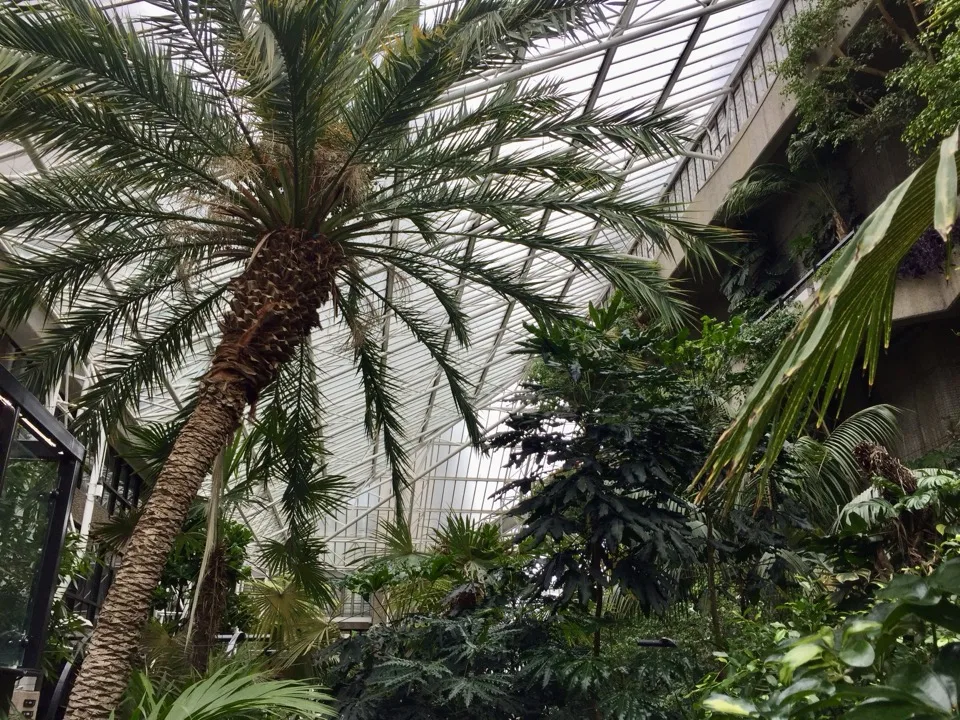
Barbican Conservatory: a beautiful indoor garden.
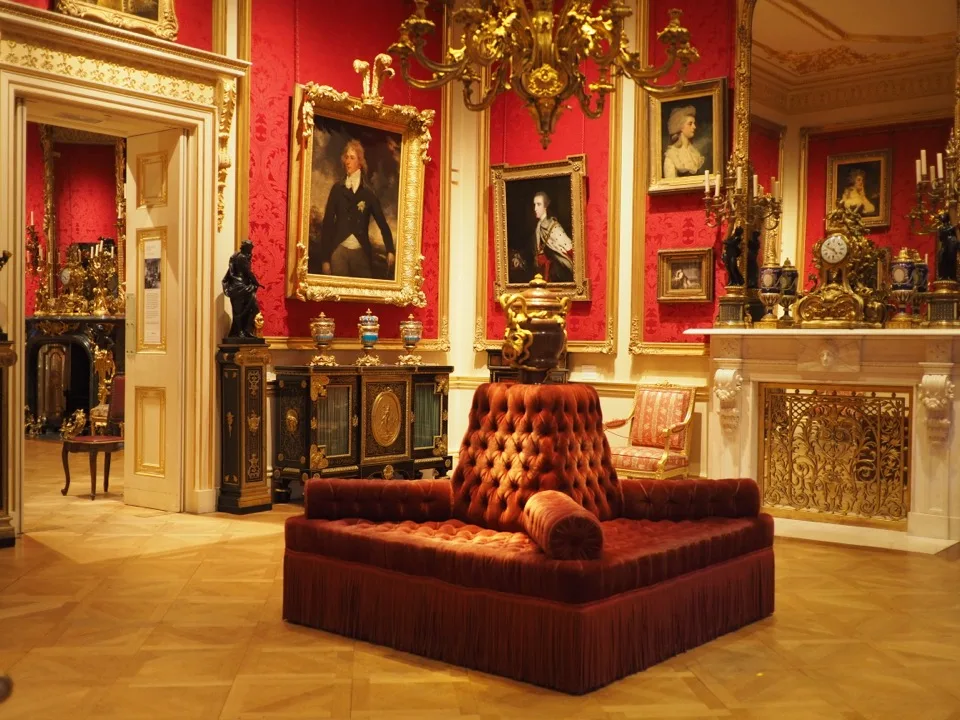
The Wallace Collection: a spacious and pleasant museum in central London, displaying porcelain, arms and armour, and much more. Its lovely architecture offers a chance to escape the crowds and see a beautiful English interior.
There are also expensive, paid museums that tourists enjoy, but honestly, the free museums above already offer plenty to do, so I do not particularly recommend spending more. If you are interested, however, London Transport Museum is popular with families of young children. The Postal Museum is unusual and offers rides on a small underground train on certain days. Madame Tussauds is very famous, but I am not a fan and it is extremely expensive. I also visited the London Dungeon a few years ago and was not impressed. Nor do I recommend the SEA LIFE aquarium, which is small and very expensive.
London landmarks to show children
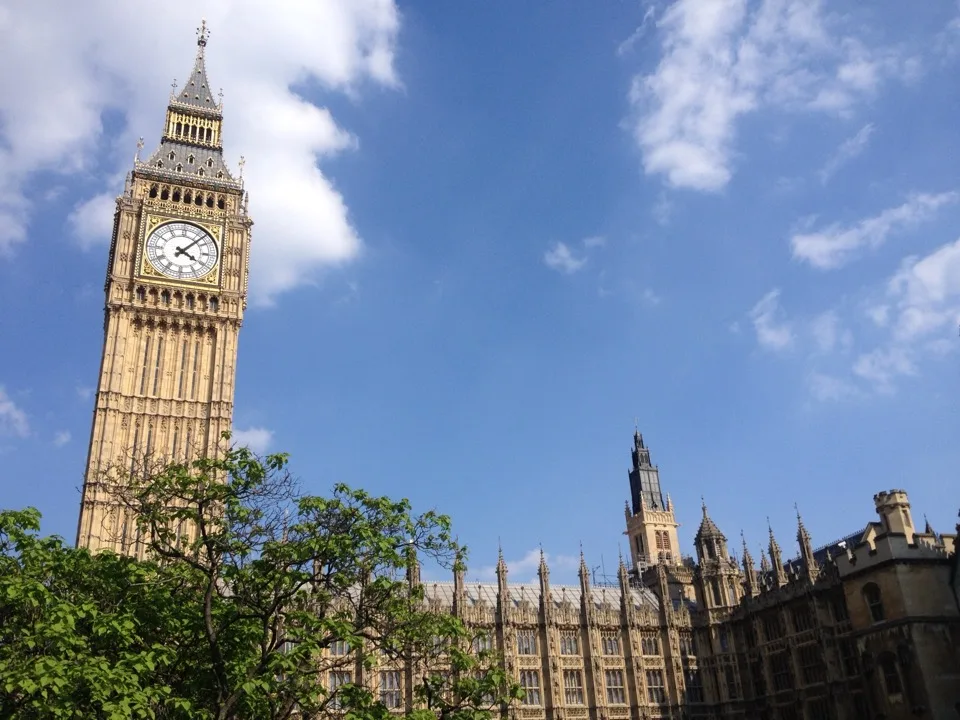
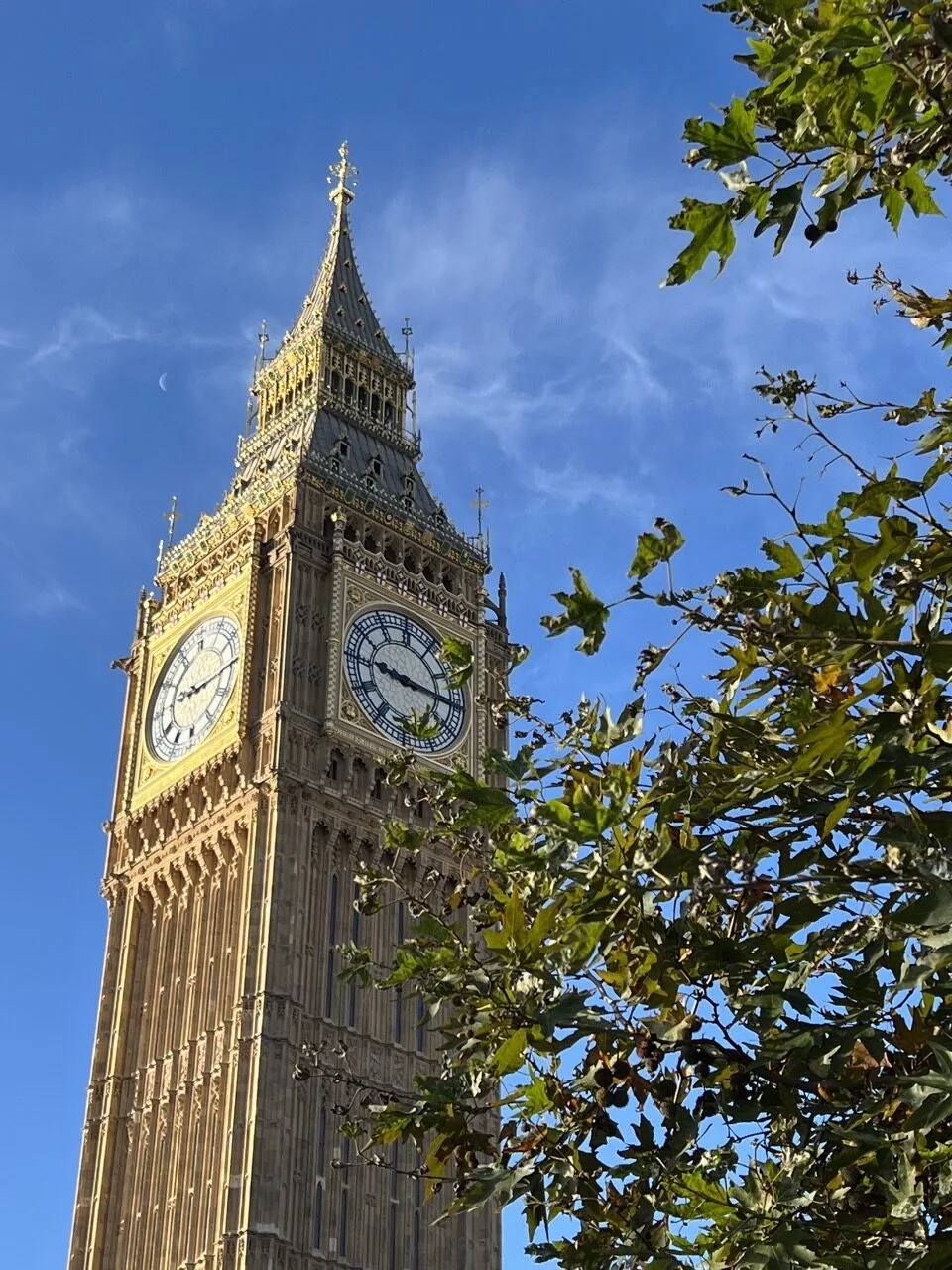
Big Ben: this symbol of London is so beautiful! Admire it from every angle.
Westminster Abbey: the best time to go is during a concert, as admission is otherwise expensive. Choirs perform at Christmas, providing free entry and a lovely atmosphere.
The Houses of Parliament: the tour is fascinating, although I would recommend it mainly for secondary-school pupils interested in politics, citizenship and history. Beautiful architecture, but an expensive visit.
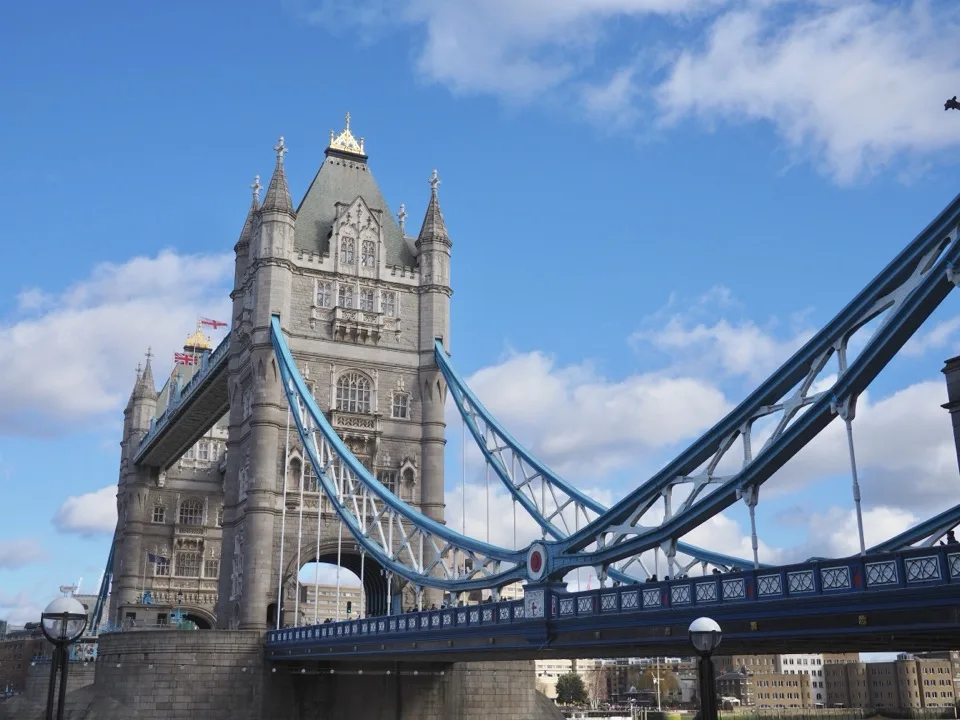
Tower Bridge: visiting the interior and machinery is another considerable expense, but the bridge is magnificent when admired from outside.
The Tower of London: interesting for history enthusiasts, although the crowds and price meant it was not one of our favourites. The Crown Jewels are impressive, but I prefer admiring the jewellery at the Victoria & Albert Museum in peace. Nevertheless, it is historically important.
Trafalgar Square: an iconic square not to be missed, with its lions, Nelson’s Column and museums.
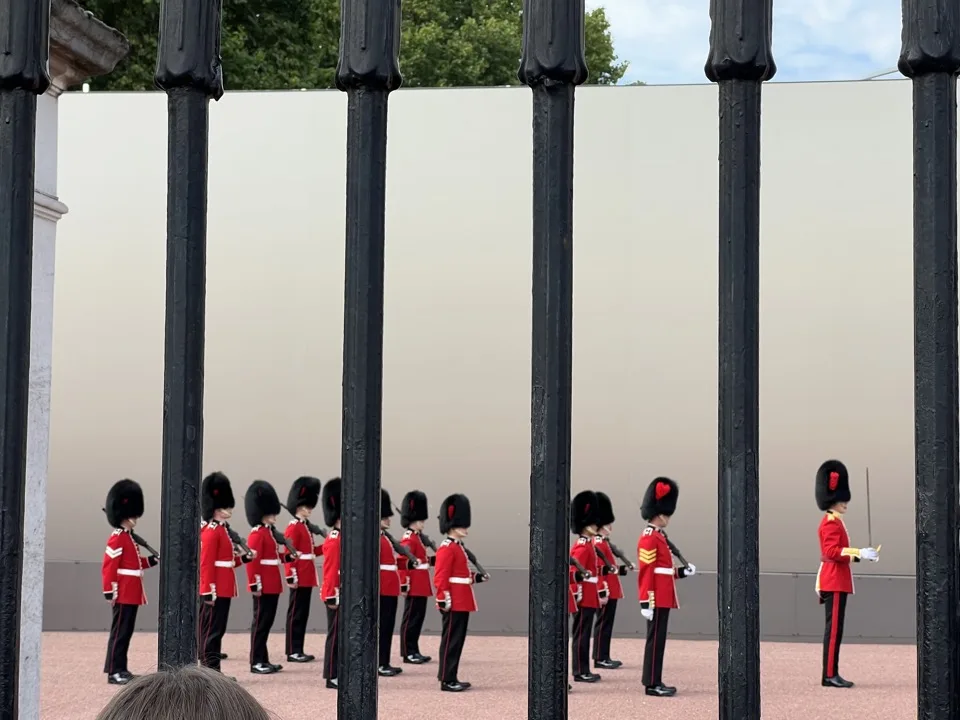
The royal sights: Buckingham Palace, if you are prepared to face the crowds at 11 am for Changing the Guard, or the shorter and less crowded ceremony at Horse Guards on Whitehall. See walk 2.
London’s parks
Hyde Park & Kensington Gardens: the best-known and most central parks, which you will probably cross. The Diana Memorial Fountain is here, where children enjoy paddling in warm weather. There are also two small free art galleries, the Serpentine Galleries.
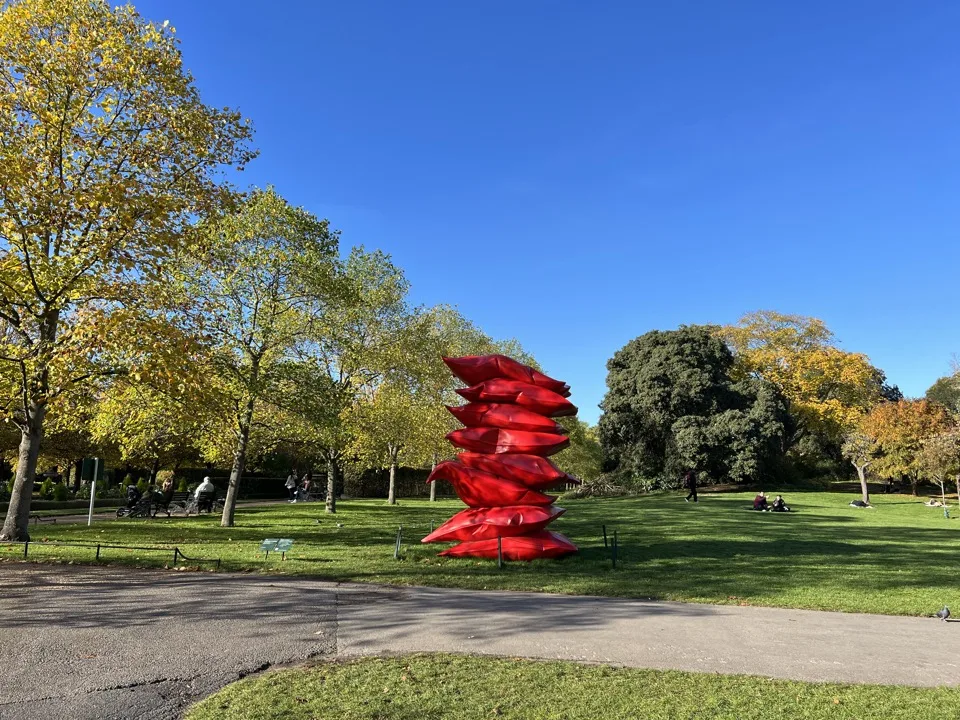
Regent’s Park: also central, and in my opinion even more charming. Outdoor artworks are displayed here during Frieze London in October.
St James’s Park: romantic, with swans and views of Buckingham Palace.
Primrose Hill: excellent views over London in good weather, as mentioned above.
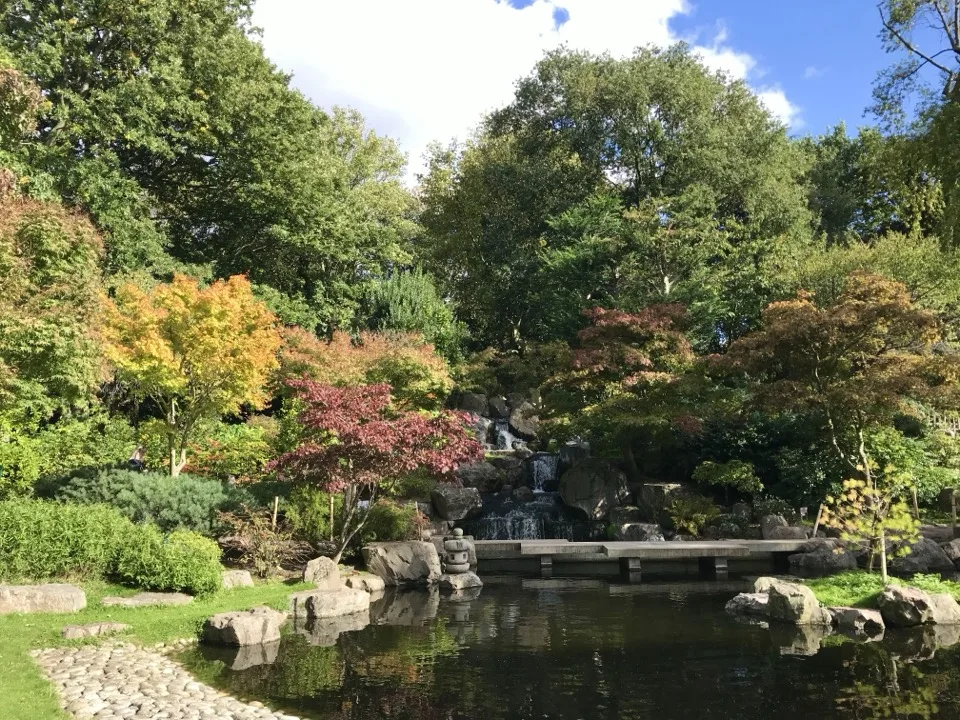
Holland Park ❤: very charming, especially the Japanese garden.
Victoria Park: a large family park in southern Hackney.
Hampstead Heath: Hampstead’s enormous wild park in north London, where you can even swim.
London beside the water
The Thames: see walk 1 for the best way to enjoy it. There are river cruises too, although I did not particularly like them. If you would prefer to walk beside the Thames away from tourists, start at Putney Bridge, follow the riverside path beside Bishops Park to Hammersmith Bridge, and have a beer at The Blue Anchor. This is walk 10.
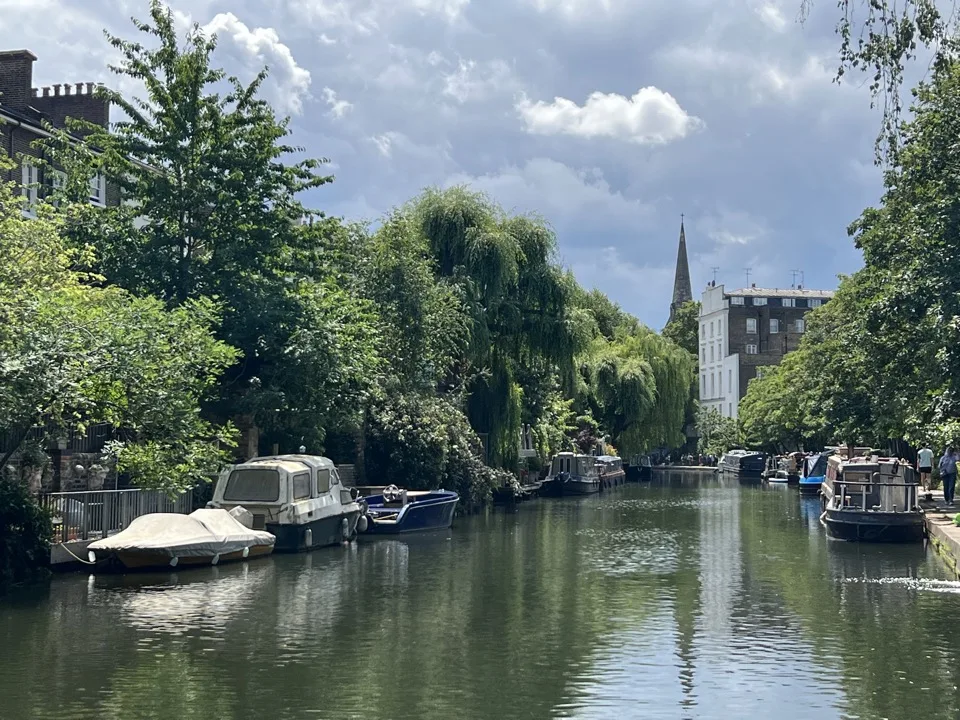
Little Venice: a small but charming junction of canals, lined with pretty narrowboats.
Regent’s Canal: ideal for a long walk away from the tourist trail. See walk 6.
The canals around Victoria Park: worth seeing if you are visiting Hackney, but not essential otherwise.
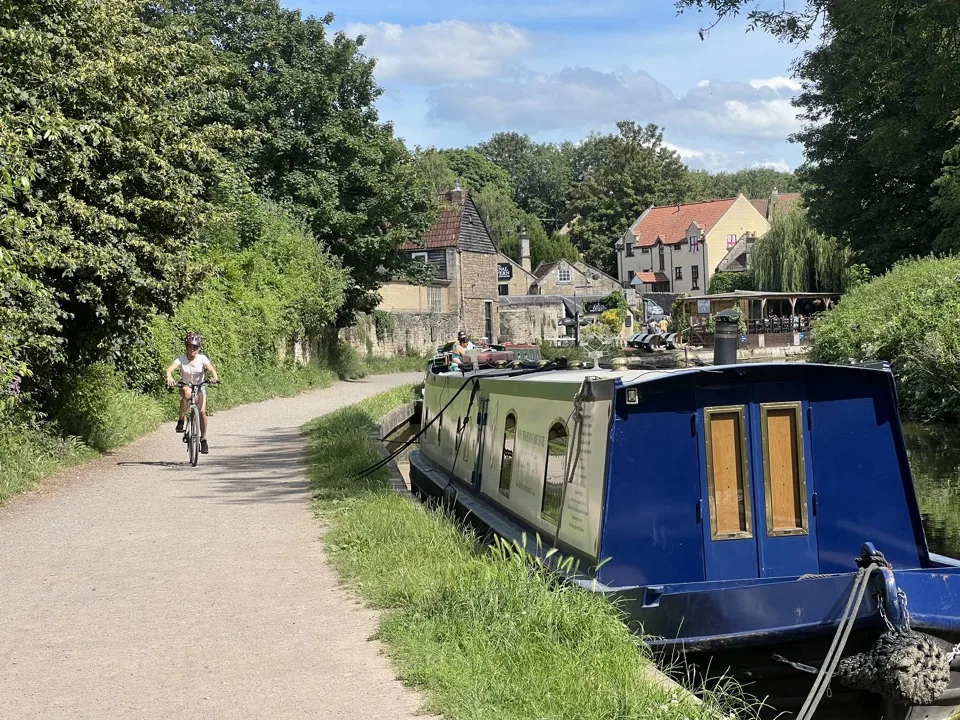
Travelling by narrowboat to Oxford: I did this once with Ticoeur. It was very pleasant, but you need plenty of time. Ideal if you are already planning to visit Oxford.
London’s markets
First of all, London’s markets are mainly food markets where you can buy lunch:
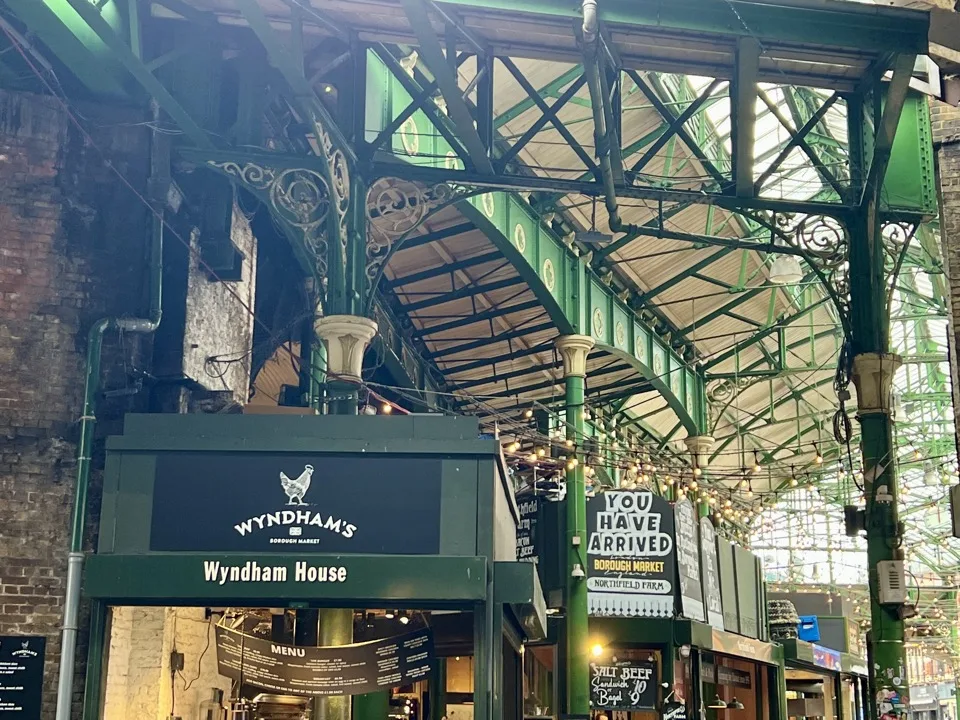
Borough Market: the most famous, so expect crowds. It is still worth seeing for its urban atmosphere. Walk 1.
Maltby Street Market: a less touristy alternative to nearby Borough Market, open only on Saturday and Sunday around lunchtime.
Brick Lane Market: somewhere to grab a bite while exploring Shoreditch in east London, open only on Saturday and Sunday around lunchtime. Walk 7.
Spitalfields Market: a pleasant, renovated covered market on walk 7.
Columbia Road Flower Market ❤: a beautiful flower market along Columbia Road, open on Sundays only in north-east London. Walk 9.
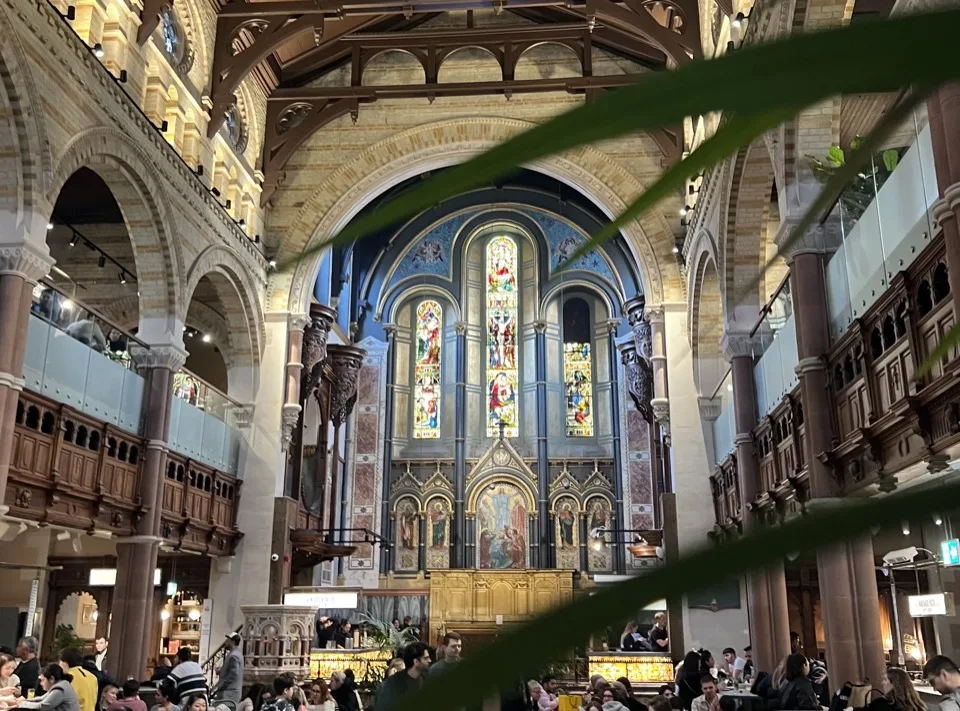
Mercato Mayfair: a food hall inside a church. It is attractive but noisy and expensive, so simply take a quick look if you are walking through elegant Mayfair.
Mercato Mayfair
Broadway Market: a lovely food market in Hackney, open on Saturday and Sunday. Walk 9.
Victoria Park Market: a small market with relatively few stalls in a beautiful park south of Hackney, held on Saturdays and Sundays. The main attraction is enjoying the park as a family, so consider it if your accommodation is nearby. Walk 9.
Family shows
Many of London’s musicals are great to see as a family.
For cinema, London has its oldest surviving cinema, the Electric Cinema in Notting Hill. If you would like to see French-language films, visit Ciné Lumière in South Kensington.
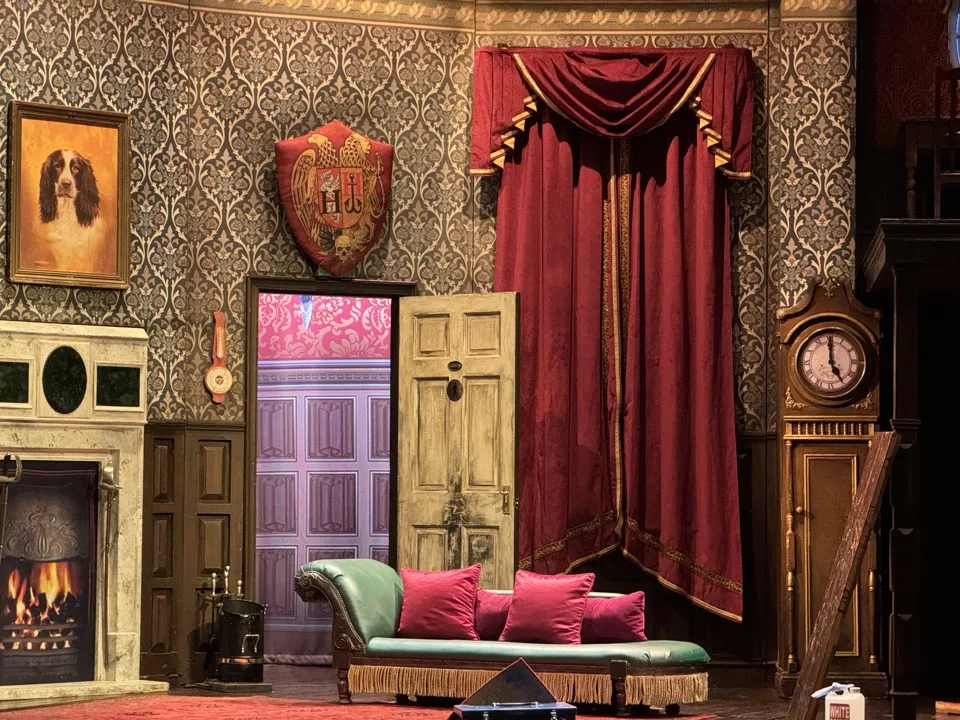
A family trip to the theatre in London
London and the cinema
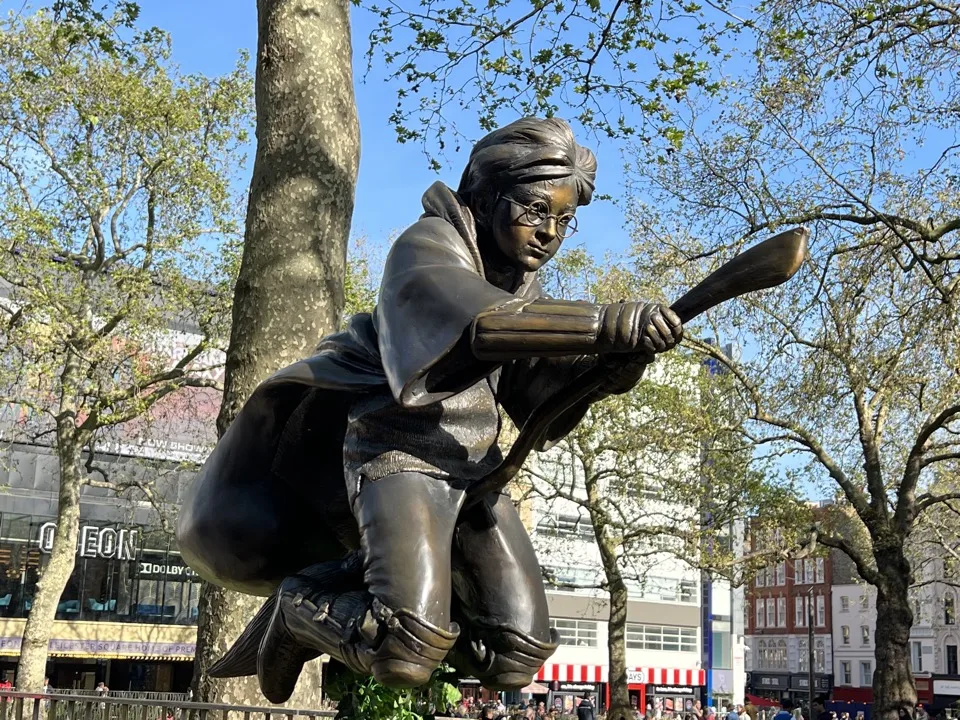
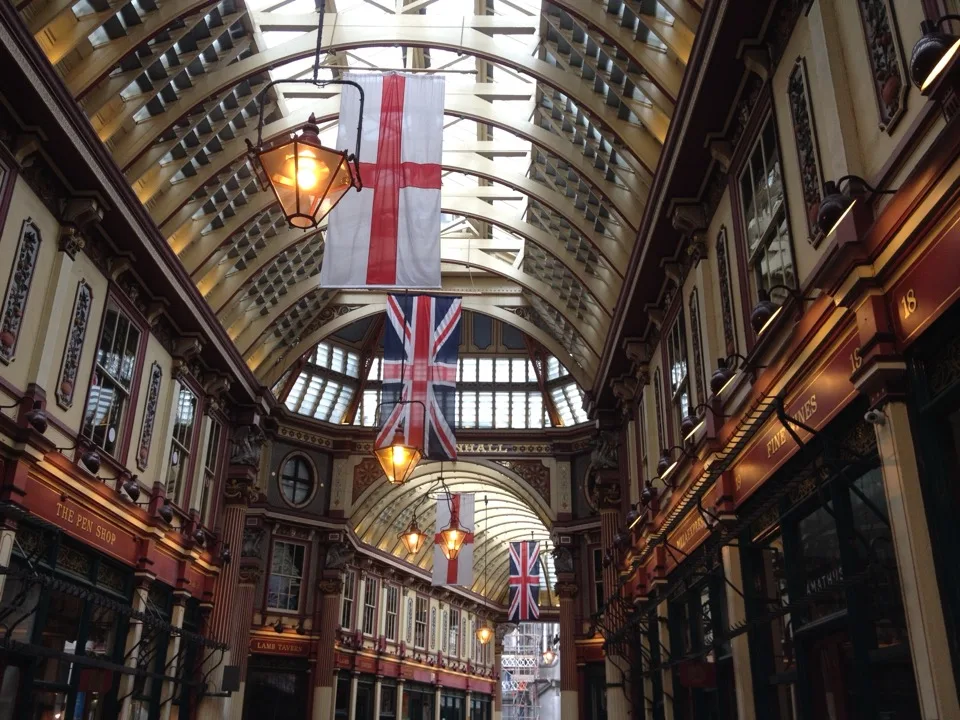
Follow in the footsteps of Harry Potter in London: do not miss the Harry Potter statue in Leicester Square, the entrance to the Palace Theatre where Harry Potter and the Cursed Child is performed, Platform 9¾ at King’s Cross station, the MinaLima shop mentioned in the shopping section below, and beautiful Leadenhall Market in the City.
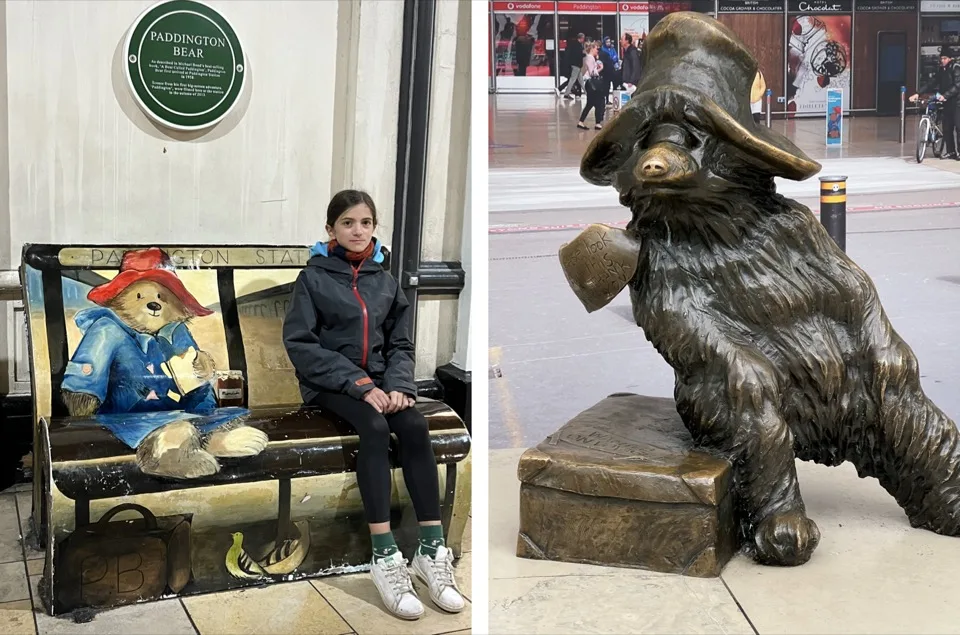
Follow in the footsteps of Paddington at Paddington station, which gave the bear his name. You will find statues of him and a shop.
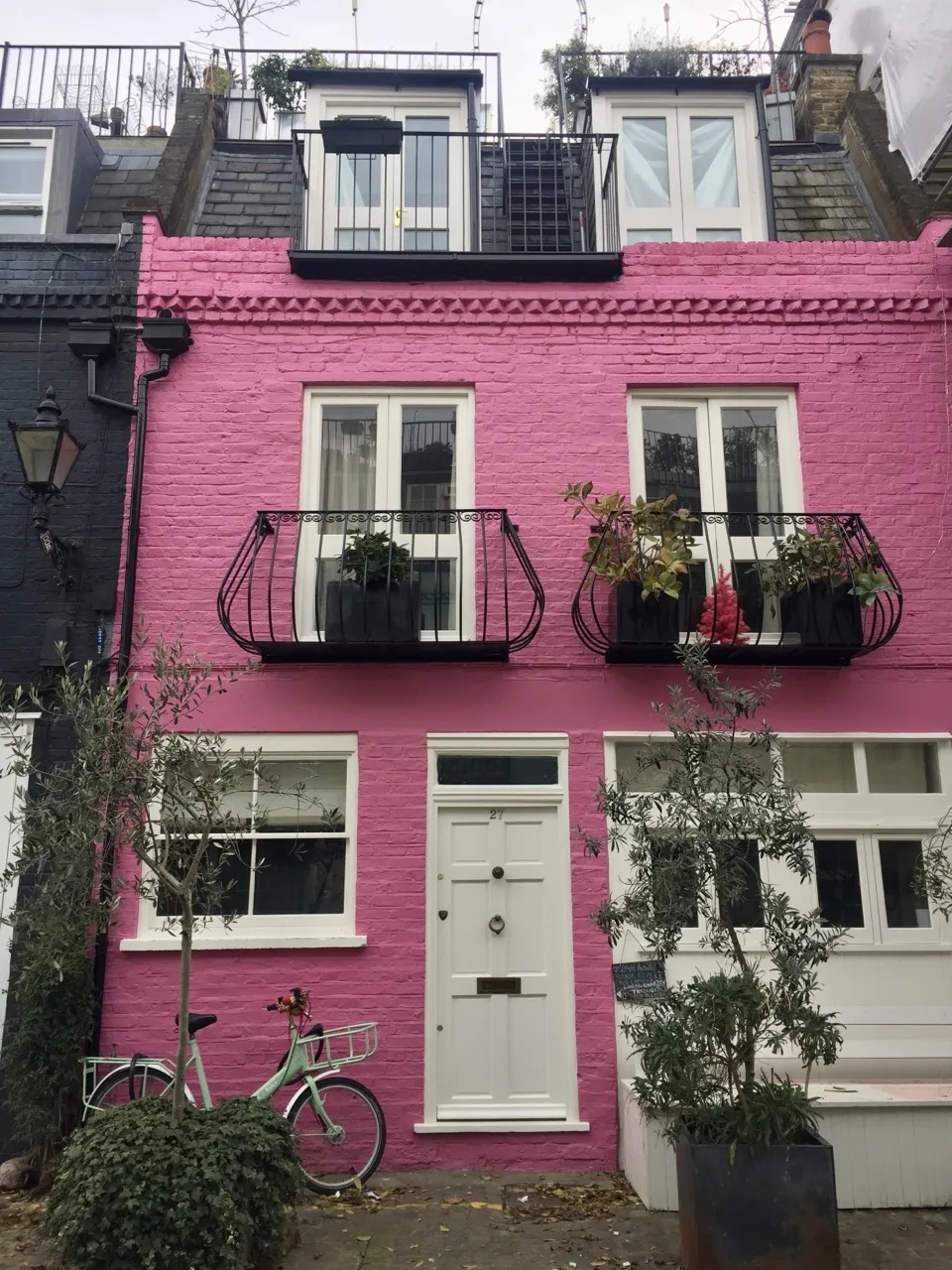
In Notting Hill❤, film fans will enjoy revisiting locations from Notting Hill and Love Actually, particularly the little street called St Luke’s Mews.
Other films shot in London to watch or rewatch as a family include Fantastic Beasts, Mary Poppins Returns, the live-action 101 Dalmatians and several James Bond films.
Several television series are also set in London. I recommend The Split, about divorce lawyers; for something lighter, Ted Lasso, which humorously follows daily life at Richmond’s football club in suburban London; and, of course, Doctor Who.
Shopping in London with children
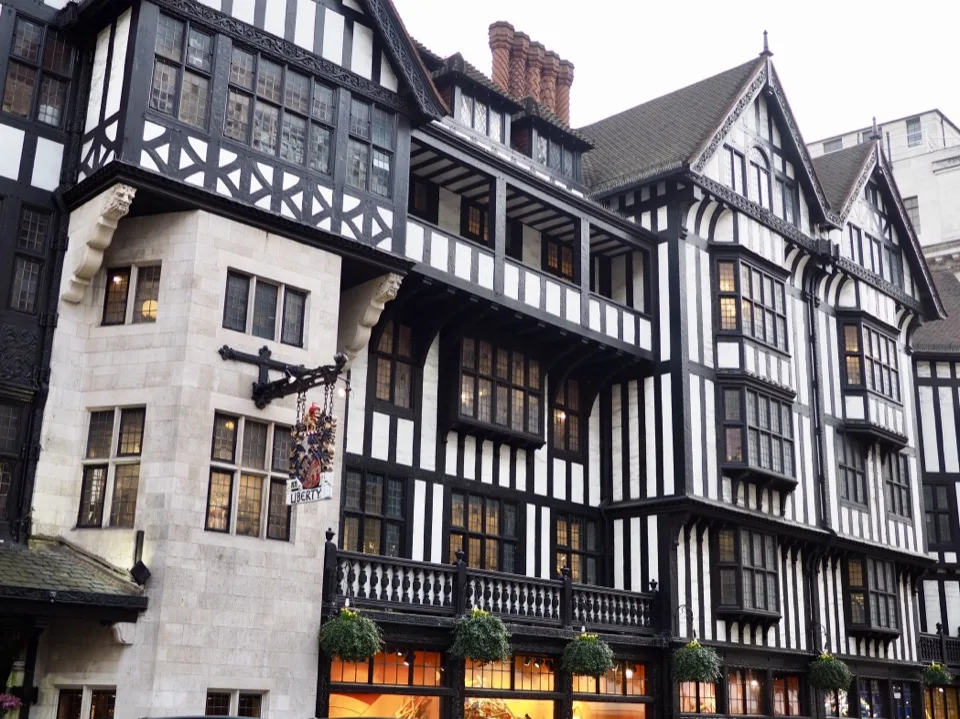
Liberty ❤: the most beautiful of London’s department stores.
Fortnum & Mason for tea. I recommend the Wedding Breakfast blend.
The Harry Potter Shop at Platform 9¾ in King’s Cross.
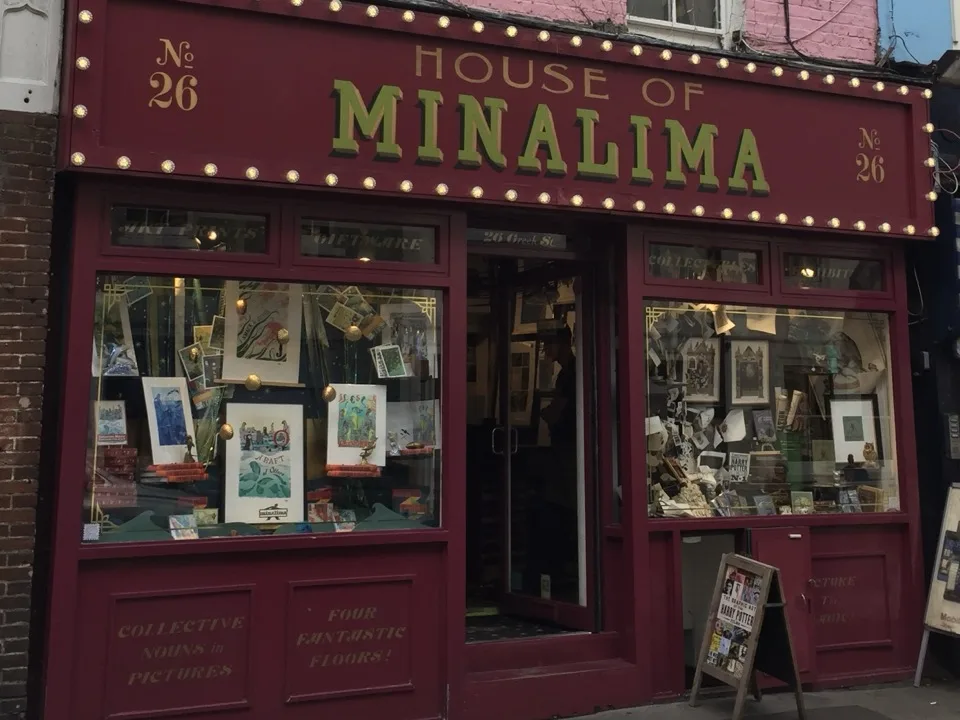
House of MinaLima ❤: discover the illustrations created for the Harry Potter films.
Harrods: mainly for the Food Halls and exterior architecture. Otherwise, I am not a great fan.
Hamleys: I only really like the ground floor, with its soft toys and London souvenirs. The other floors are rather ordinary and mostly contain the usual plastic toys. Unless you are looking for something specific, I would stick to the ground floor.
London off the beaten track
The walk along Regent’s Canal ❤: a very peaceful walk that combines well with a visit to Camden. Walk 6.
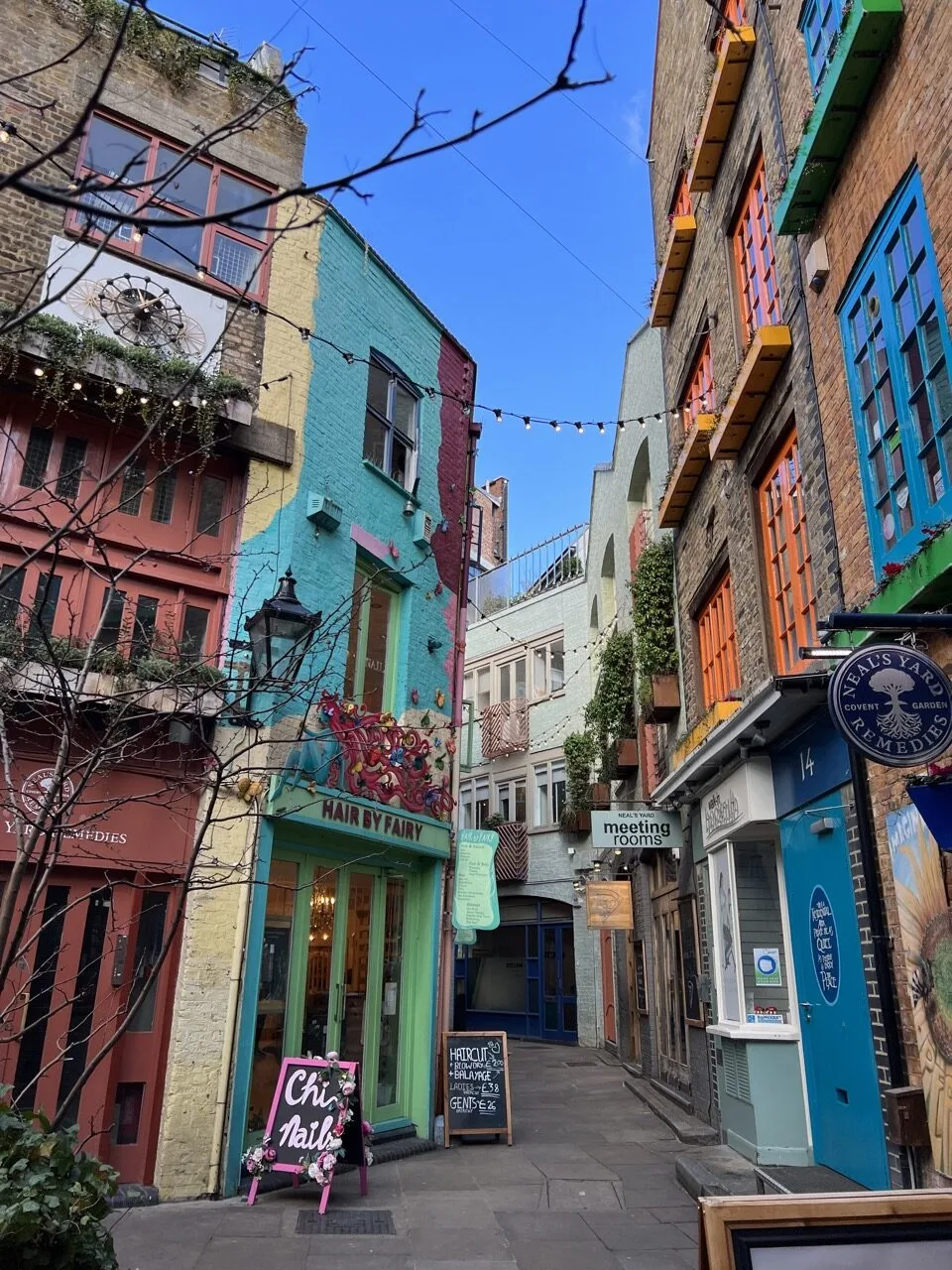
Neal’s Yard ❤ in central London: colourful and picturesque. Walk 2.
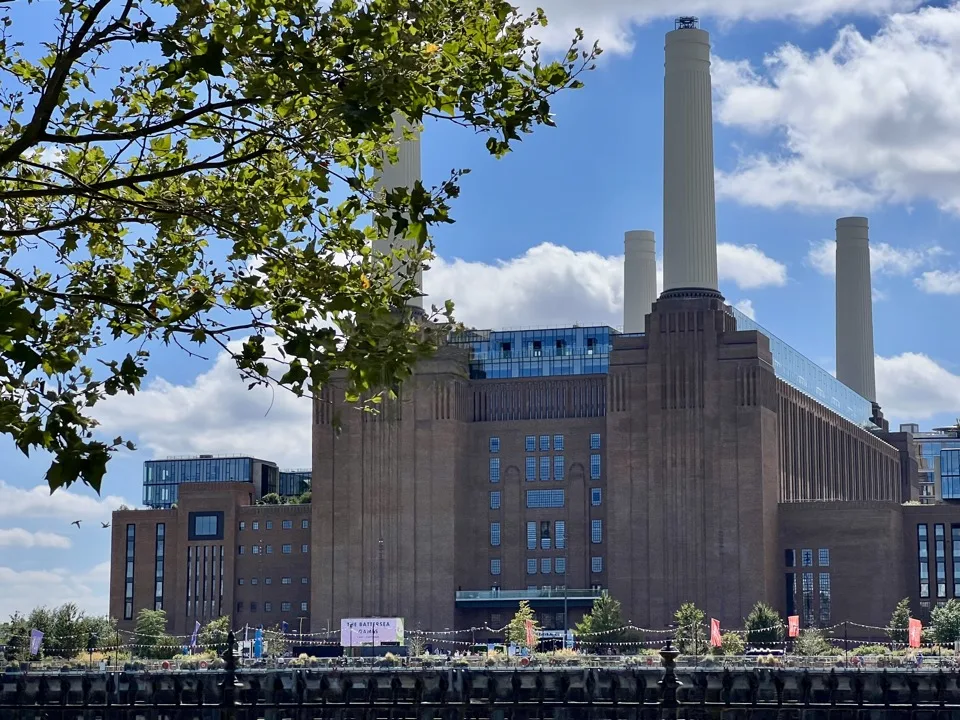
Battersea Power Station: a former power station converted into a shopping centre. It appears on the cover of Pink Floyd’s album Animals.
The Graffiti Tunnel, a short walk from the London Eye:
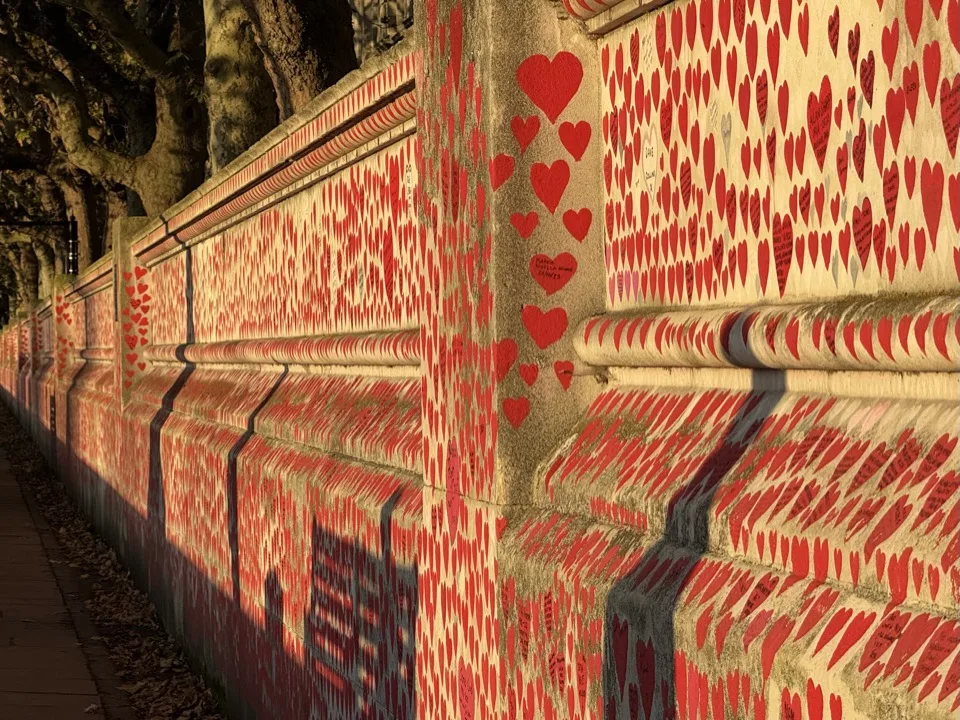
The National Covid Memorial Wall beside the Thames, just beyond the London Eye:
Hackney, described in walk 9.
Hampstead Heath and the Freud Museum: an attractive residential neighbourhood with an enormous park for picnics in good weather. Walk 8.
Practical information
Where to stay in London with children
London is an extremely expensive city for accommodation, particularly in the centre. We recommend South Kensington, Notting Hill and Tower Bridge, which we find well suited to a family stay. Wherever you choose, book well in advance for the best prices.
London in spring: I love this season because the parks are full of flowers and the lawns are beautifully green. It is ideal for families because children can enjoy playing outdoors.
London in summer: many Londoners are away on holiday, the weather is pleasant and the days are very long. It is therefore an excellent time for both indoor and outdoor visits. Be aware that London can occasionally experience very hot days.
London in autumn: it is magnificent and, together with spring, my other favourite season. The parks are particularly beautiful. There is some Halloween atmosphere, although nothing like in the United States.
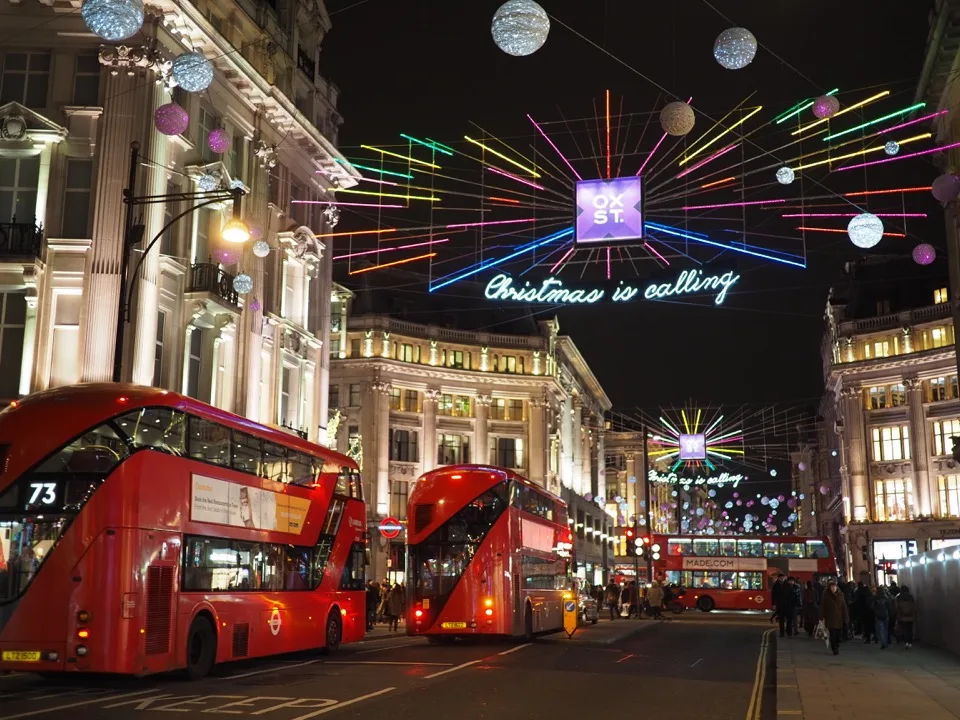
London in winter: the festive season attracts huge numbers of families who come for the Christmas atmosphere. Read my article Christmas in London: 20 family activities. The downside is that this is the most expensive period and the city is crowded. The other disadvantages are the very short days and potentially cold weather. To avoid the crowds and high prices, visit for a weekend just before the Christmas school holidays, as the decorations are in place from mid-November, or during the February half-term holiday, when London is quieter and more affordable.
London for different ages
London with a baby or very young child: we found people in England wonderfully kind and always willing to help with the pushchair on the Underground and stairs. London is a very comfortable city with young children. We enjoyed its parks and many museums, favouring the free museums so that there was no pressure if we left quickly to avoid tiring the children. Some expensive attractions are free for very young children too, making this a good time to ride the London Eye.
London with children aged 6–12: London has so much to offer, with museums, visits and attractions for every taste. Ideally, divide each day into two parts: follow one of the essential walks in the morning, then visit a free museum or landmark in the afternoon. Children of this age are also often captivated by the world of Harry Potter.
London with teenagers: our children still love London now that they are teenagers. They are interested in different museums and more historical visits, and greatly enjoyed discovering the street art in Shoreditch. They also appreciate the restaurants and West End shows.
Where to eat in London with children
London has an enormous choice of restaurants, and you can eat extremely well. Prices vary enormously too. Here are a few relatively affordable possibilities:
At the markets mentioned above.
In pubs. Be aware that children are rarely accepted in the evening, except in more residential and family-oriented neighbourhoods farther from the centre. A pub that does not serve food will not admit children. Family-friendly examples include The Barrowboy and Banker near London Bridge, The Mitre beside Hyde Park and The Churchill Arms near Notting Hill, among many others.
In cafés for an English breakfast or light lunch. Among the chains, I like Gail’s Bakery.
For food on the go, try Prêt à Manger for an affordable and relatively healthy choice.
For quick Asian food, try Itsu, the best sushi chain according to Ticoeur and Titpuce, or Marugame Udon for good, inexpensive noodle soups. There is one conveniently located near Trafalgar Square.
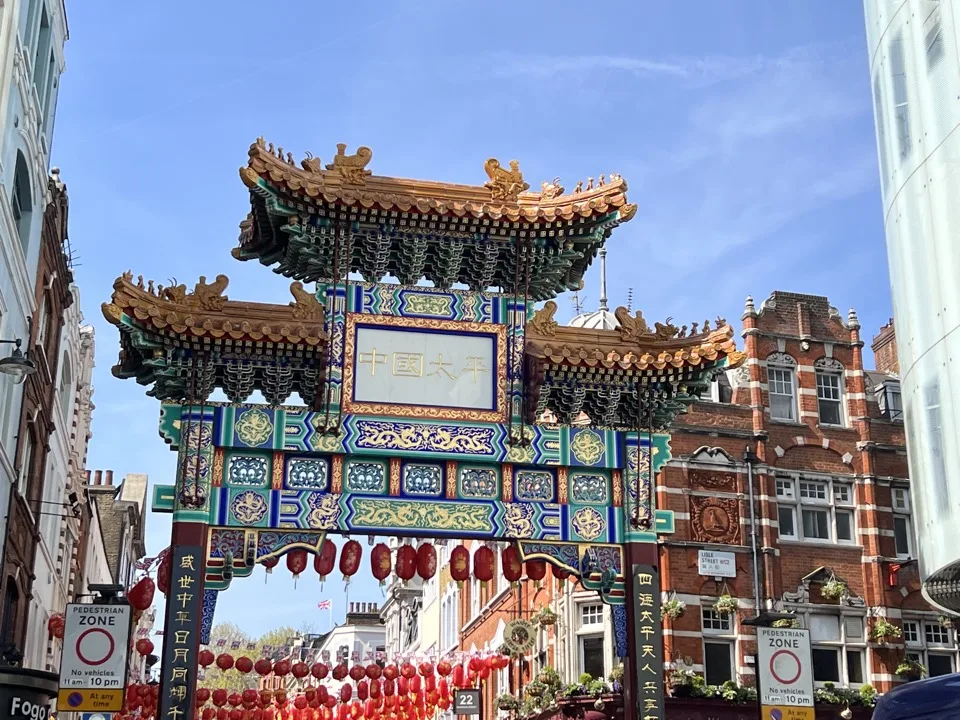
The Asian restaurants in Chinatown often offer good value, and the neighbourhood is picturesque. One example is the Vietnamese restaurant Viet Food.
Indian restaurants: you have to eat Indian food in London! This cuisine has a particularly strong presence because of the importance of Indian culture in Britain. Indian restaurants are often affordable, although there are more upmarket choices such as the famous Dishoom.
Fancy an afternoon tea with children? People often ask me to recommend somewhere for afternoon tea. It is certainly an English tradition, but it is often expensive and, for me, includes too much food that is not always to my taste, usually mixing savoury and sweet bites. Sweet food is not really my cup of tea! Nevertheless, places recommended to me include Brigit’s Bakery near Covent Garden, The Wolseley near Piccadilly and all the grand hotels, although those become extremely expensive.
Brunch or breakfast? I am often asked where to have brunch in London. Brunch is an American rather than an English tradition. You can certainly find brunch in London, but it is not typical here. Instead, choose the experience of a proper English breakfast. I like the one at the small Café de Provence.
Transport information for London
Apps: we use Citymapper or Google Maps to find the best route on foot, by public transport or by car.
Underground: you can load credit onto an Oyster card or tap a contactless bank card, provided your bank does not charge excessive foreign-exchange fees. Children under 11 travel free when accompanied by a fare-paying adult. Visitors aged 11–15 can receive 50% off adult pay-as-you-go fares for up to 14 days by asking a member of staff to add the Young Visitor discount to their Oyster or Visitor Oyster card; the child must be present. Free Tube maps are available at every station. There is no need to buy a Day Travelcard: once your individual journeys reach the daily cap, you will not be charged more for subsequent travel that day.
Buses: children under 11 travel free. Those aged 11–15 need an appropriate child concession, such as a Young Visitor discount or an 11–15 Zip Oyster photocard, depending on the length and circumstances of their stay.
Taxis: they look lovely!
Boats on the Thames: you can use an Oyster card. The journey costs more than the Underground but offers a different view of London.
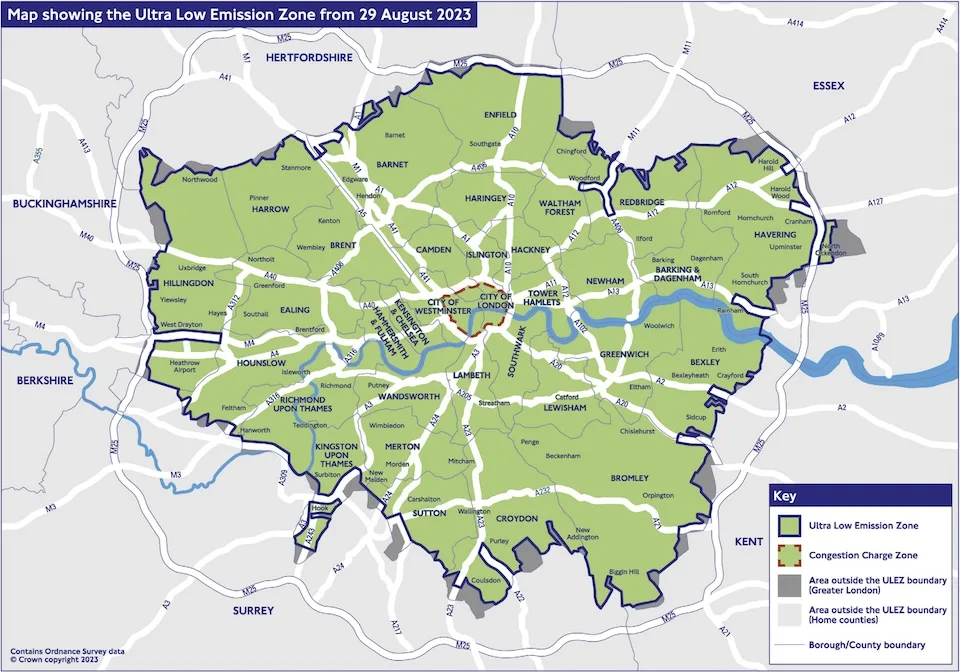
Driving in London: yes, you can drive into London if your vehicle meets the emissions requirements. First, register online to check whether your car is permitted within the Ultra Low Emission Zone (ULEZ), which includes attractive areas such as South Kensington, Camden, Chelsea and Fulham. Completing the registration form will help you avoid a fine; I recommend doing this one month before your stay. Once registered, pay attention to the Congestion Charge zone. This covers the very centre, where I advise against driving because a daytime charge applies and it would be impractical anyway. Park within the ULEZ, but outside the Congestion Charge zone.
Parking: we use the JustPark website to reserve inexpensive parking spaces offered by private individuals. Street parking is free on Sundays in some areas, which is why we mainly visit London on Sundays from our home in southern England.
Arriving by train: the Eurostar arrives at the beautiful St Pancras station. From there, take the Underground after playing the piano for a moment, as Ticoeur did!
Arriving by air: London’s airports are far from the centre but well connected, so allow plenty of time. From Heathrow, take the Piccadilly line, which takes about one hour, or the faster but more expensive Heathrow Express to Paddington. From Gatwick, take a train to Victoria, London Bridge or Blackfriars, allowing about 30 minutes. Stansted, used by several low-cost airlines, is farther away, around 50 minutes by train from Liverpool Street. Luton is approximately 40 minutes from St Pancras.
Travelling to London: entry requirements
This section is obviously only for our English readers from outside the UK. For EU countries, since Brexit, you need a passport to enter England. In addition, every member of the family must apply for an ETA a few days before travelling.
***
Family day trips from London
The Harry Potter Studios
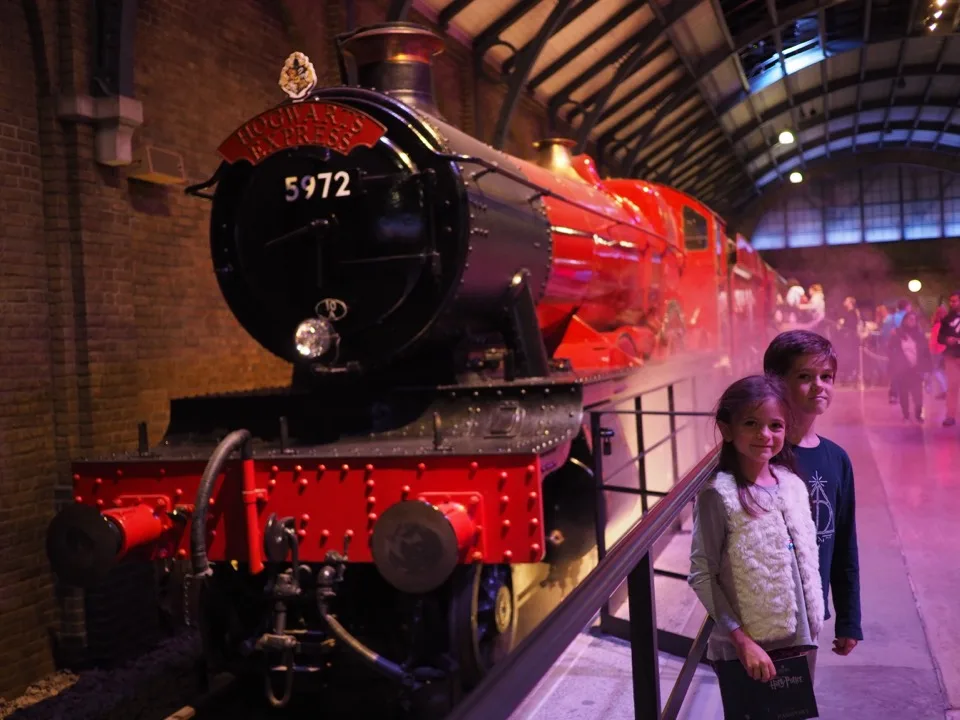
Visit the Harry Potter Studios❤: all the information is in my article. The two most important points are to book several months ahead and to book through the official website to avoid the exorbitant prices charged by agencies and resellers.
Gardens and palaces
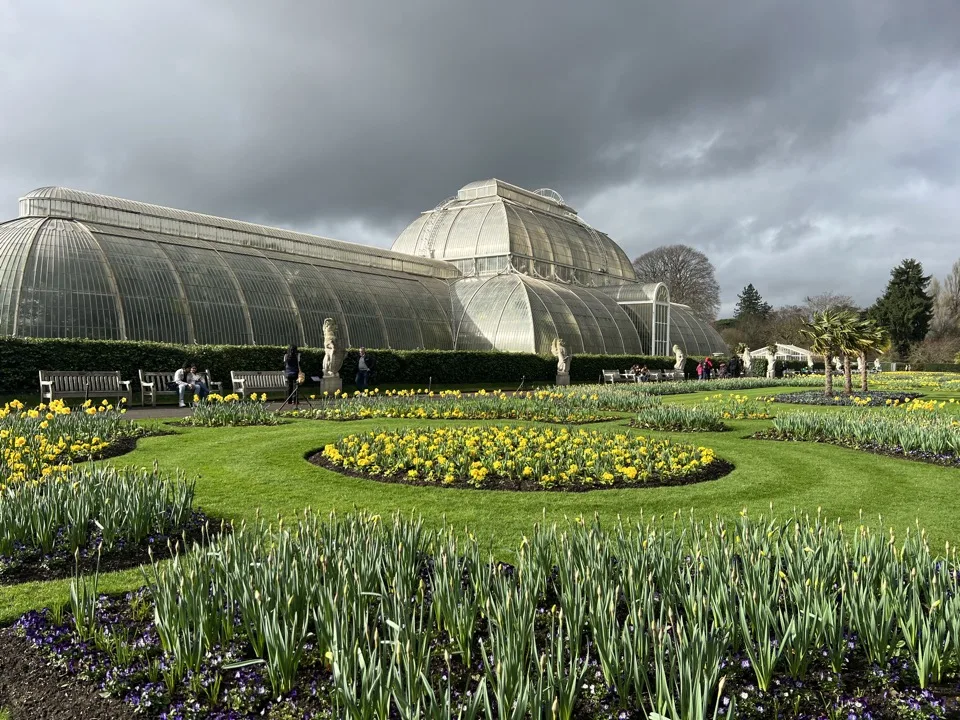
Kew Gardens: an enormous botanical garden in west London, accessible by public transport. Read my article about seeing Kew Gardens in half a day.
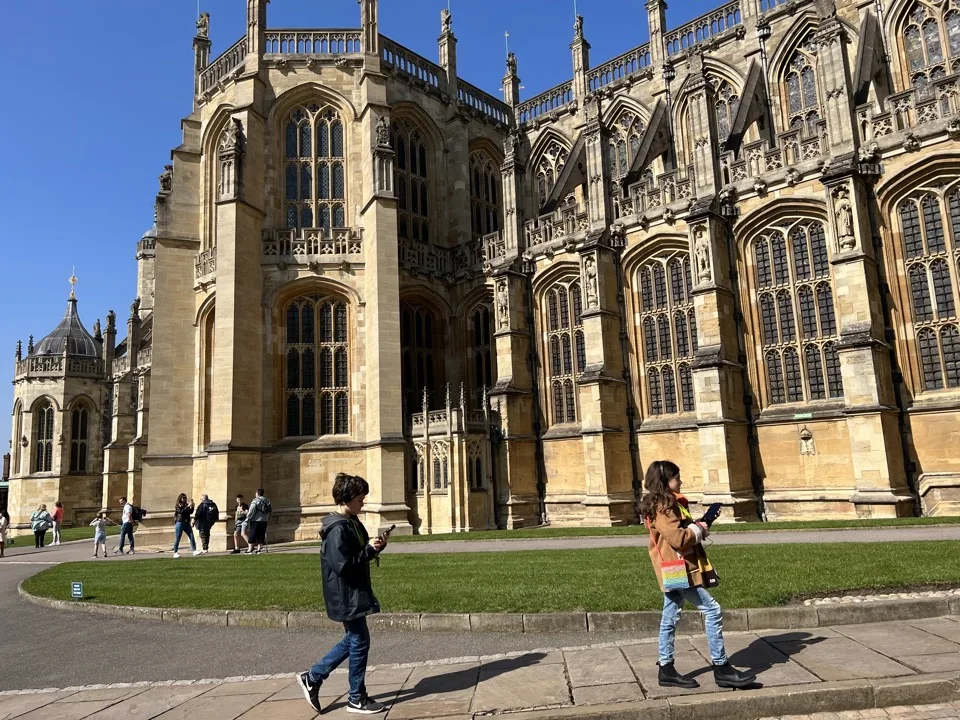
Visit Windsor Castle: the castle is beautiful, and so is the little town.
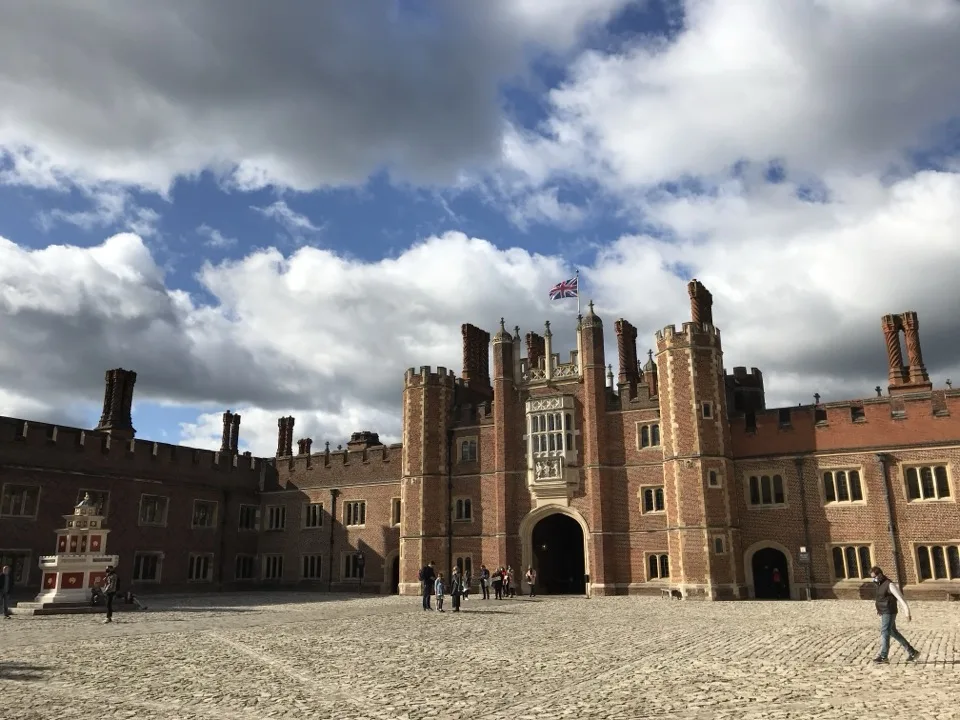
Visit Hampton Court, the palace of the famous Henry VIII, the king with six wives and their tragic fates.
Hampton Court
City trips less than two hours from London
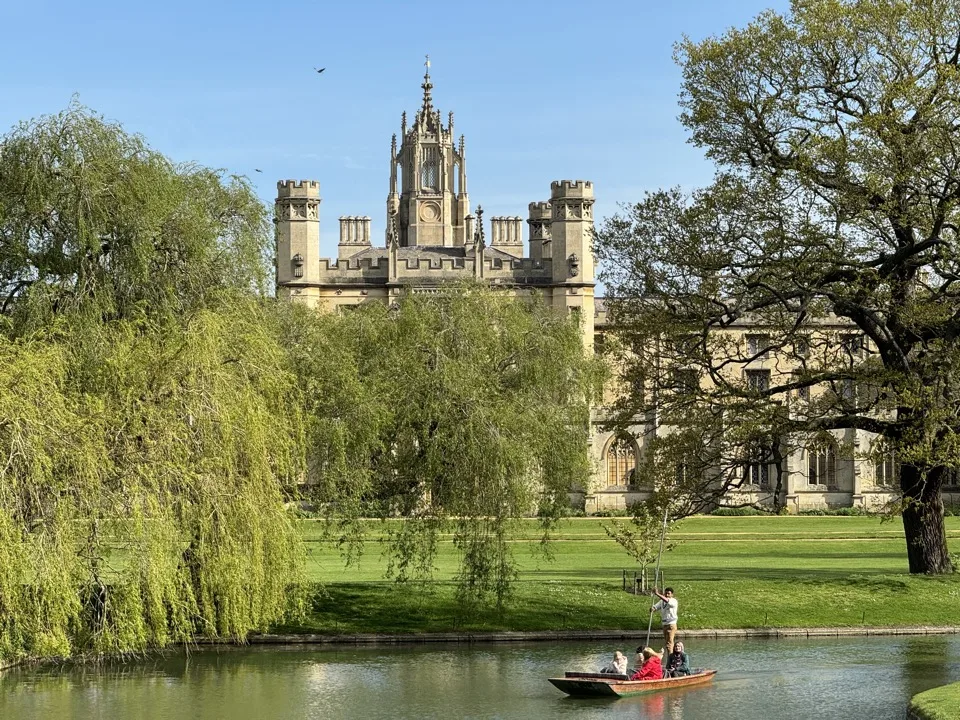
A day in Cambridge ❤: Cambridge was a real favourite, a peaceful and pleasant university city where you can discover prestigious colleges.
A day in Oxford: I preferred Cambridge, but Oxford is another beautiful university city, and the Cotswold villages are not far away.
Discover the New Forest❤, England’s largest forest, with thousands of free-roaming ponies. I love this forest close to our home. Do come and have tea with me!
A day in Brighton: it is not my favourite seaside resort, but I know many people want to visit. Its Royal Pavilion is magnificent, and the city is accessible by train.
***
Who is visiting London with their family soon? Any other questions?
Christmas in London: 20 family activitiesPlanning a family trip to London at Christmas? Here are 20 festive activities, practical tips and ideas for enjoying the city…
4 days in Barcelona with our teenagersOur 4 days in Barcelona as a family with our teenagers: itinerary, museum visits and walks neighbourhood by neighbourhood
Every time I show London to friends or family members who come to visit us in England, I clearly have a favourite itinerary that allows you to see the essentials in central London. This route is a perfect introduction for a first family visit to London, or a great refresher if you already know the English capital well. This walk through central London will keep you busy for a full day at a fairly intense pace. You can also spread it over two days for a more relaxed rhythm, especially if you have young children or children who are not keen walkers. I have done this itinerary several times as a family. It includes stops at places that interest children. Among the stages of this route, there are the great classics as well as some off-the-beaten-track spots. I also share some places to eat. In short, I hope this will help you make the most of central London!
Family itinerary in central London
Big Ben
I like to start at Big Ben, at Westminster underground station (on the District Line, my favourite line). Because Big Ben is the symbol of London, and because it is looking brand new after its restoration. If I plan it well, I aim to arrive just before the clock strikes. I love the sound of Big Ben! Once you are here, you can of course take the opportunity to visit Westminster Abbey or Parliament. Both visits are interesting but expensive. My philosophy for a stay in London is to do only one paid visit as a family and instead focus on all the free places and, above all, on walks that let you really feel the pulse of the British capital. On the other side of the Thames, you will spot the giant wheel of the London Eye.
The Changing of the Guard at Whitehall
From Big Ben, in an 8-minute walk, if you head up Whitehall, you will arrive in front of the Royal Horse Guards.
This summer, we went back to Copenhagen as a family for a sailing competition for Ticoeur. It was our second time in the Danish capital. The first time, we visited Copenhagen when Ticoeur was only 2 years old! Just a baby! This year, we experienced Copenhagen with two older children (aged 12 and 15). Because of their ages, we didn’t quite have the same sightseeing wishes. So this trip was a mix of places we wanted to revisit and new ones we were keen to discover. Here’s a roundup of our family visits to Copenhagen, 2024 edition!
Copenhagen with kids: 10 ideas for visits
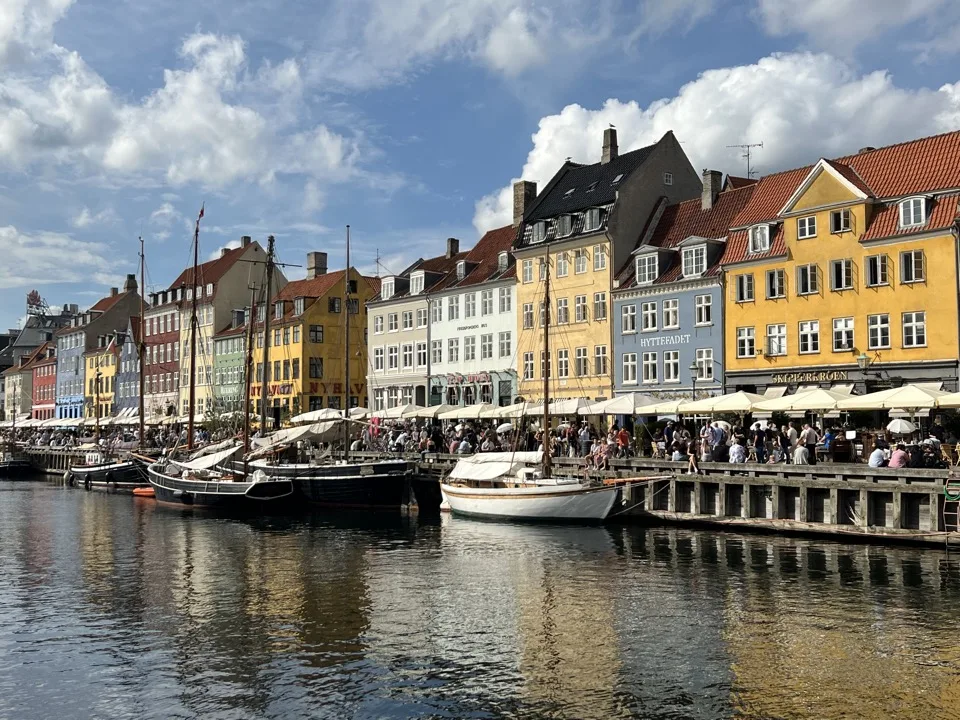
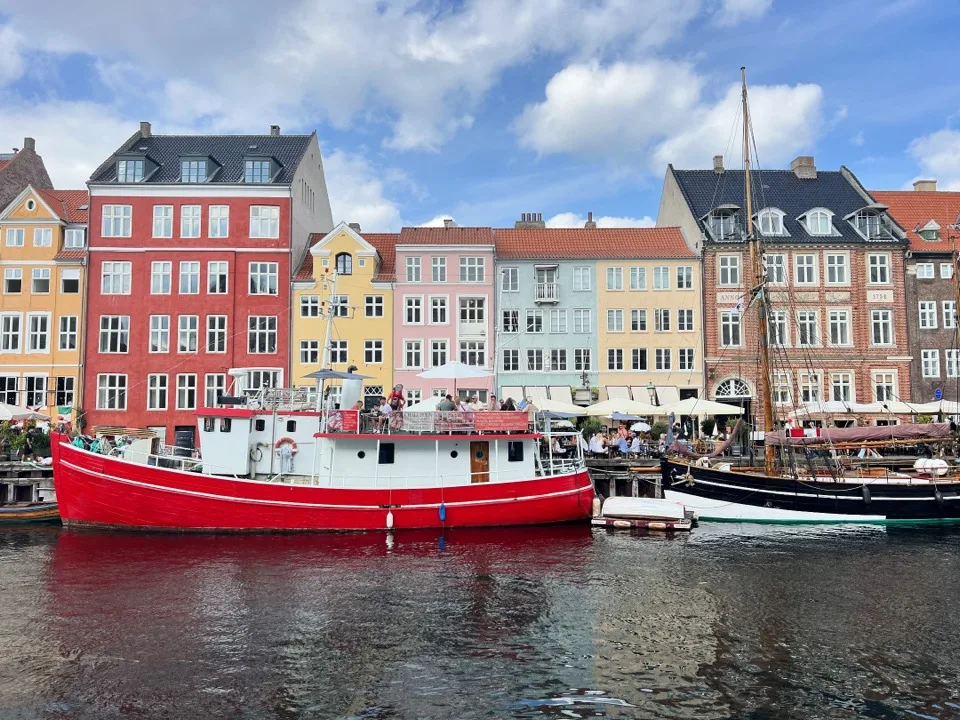
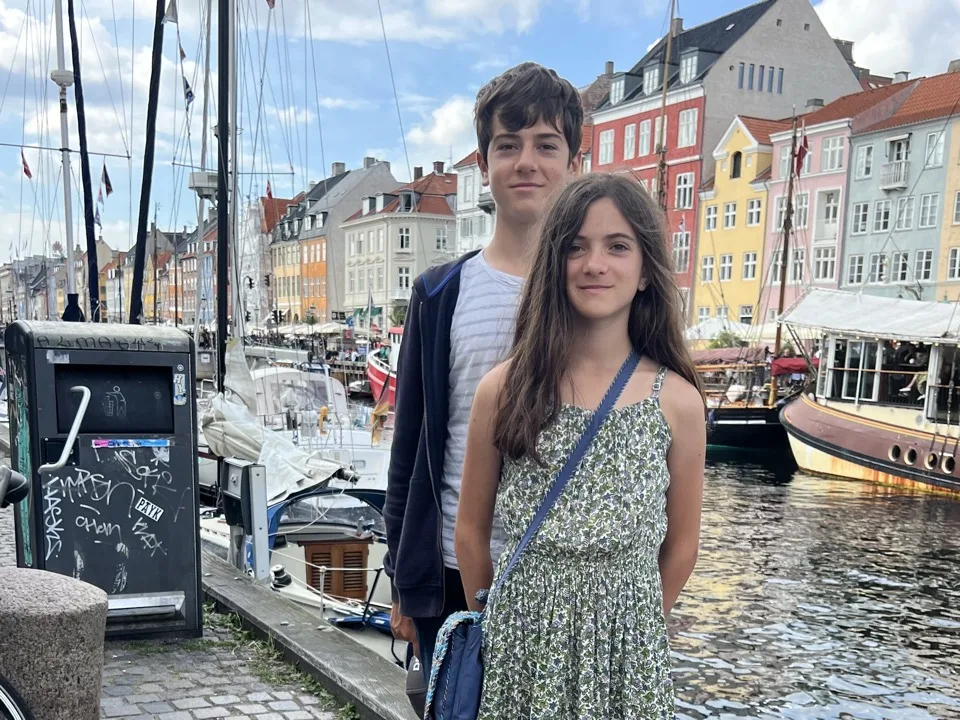
1 – Nyhavn: we never tire of it! It’s the little harbour everyone recognises from photos. With its colourful houses, it’s extremely photogenic. It was the first place we wanted to take the kids. Ticoeur obviously didn’t remember it. Last time, he was in his pushchair. And for Titpuce, it was her first time. Returning to a city years later gives you quite a sense of how time flies – softened, fortunately, by a lovely nostalgia for us happy parents. The facades haven’t changed; only our children have grown a lot! Last time, we took a one-hour cruise from this harbour. It was perfect and family-friendly. Highly recommended.