

We went back to visit Bristol. This time, in summer mode and just as a mother-daughter duo. Bristol is the city in England best known for street art. It is even called the “Capital of Street Art”. So I thought it was a good excuse to go back with my Titpuce, who is interested in art in general but knows less about this urban art form. Bristol is Banksy’s city. Bristol is also the city of Massive Attack and Portishead. For that, younger people are less likely to get the reference! Let’s just say Bristol is famous for its music groups.
We spent one day in Bristol, with the whole morning devoted to a guided walk to discover the street art. Then we went back to see a few of the city’s must-sees: the market, the monuments, a museum, the famous suspension bridge and, of course, the harbour and the banks of the River Avon. Come on! I’ll take you with us on this 20-kilometre walk through Bristol! A very intense day! I’ll warn you: Bristol is a favourite to discover as a family, especially if your children or teenagers are interested in street art.
Street art in Bristol
Street art is clearly part of Bristol’s DNA. Banksy has particularly contributed to the city’s reputation in this field, but street art was already very developed in Bristol before Banksy, and it inspired him. Today, there are actually few Banksy works in Bristol because they were simply removed, washed away, especially at a time when Banksy was not yet so well known. Now, the council tries to preserve what remains. A difficult position that raises the question of legality and the question of art in general.
To discover Bristol’s emblematic street art works, you can simply use the resources from the tourist office. As for the few Banksys, they are all marked on Google Maps. Mainly, you’ll wander around the centre, passing through Broad Street, Bell Lane and Nelson Street, to name just a few. Then you’ll head towards the Stokes Croft area. This is the Caribbean neighbourhood, more working-class, where Banksy lived.
Guided tour: Street Art Tour Bristol
I opted for a guided tour with John Nation from Street Art Tour Bristol. John is an incredible guide, absolutely passionate, and he knew Banksy in his early days! Yes, I didn’t mention it because I imagine you all know, but nobody knows who Banksy is except a few close people who will say nothing! I always find people who manage to remain anonymous fascinating. Especially while drawing on walls in broad daylight! So John Nation knew all the young artists of the Banksy era and before. He was involved in a city project that tried to channel troubled young people by offering these young artists a supervised means of expression. John seems to know every wall in the city! He comments on each work along the route with lots of details and anecdotes. It’s truly fascinating! Titpuce didn’t notice the two hours go by! Normally there are tours every Saturday at 11am, lasting 2 hrs 15. And sometimes there are other dates. Check his website. We highly recommend it if the subject interests you. The tour starts right in the centre at College Green with a very famous Banksy, not lacking in humour:
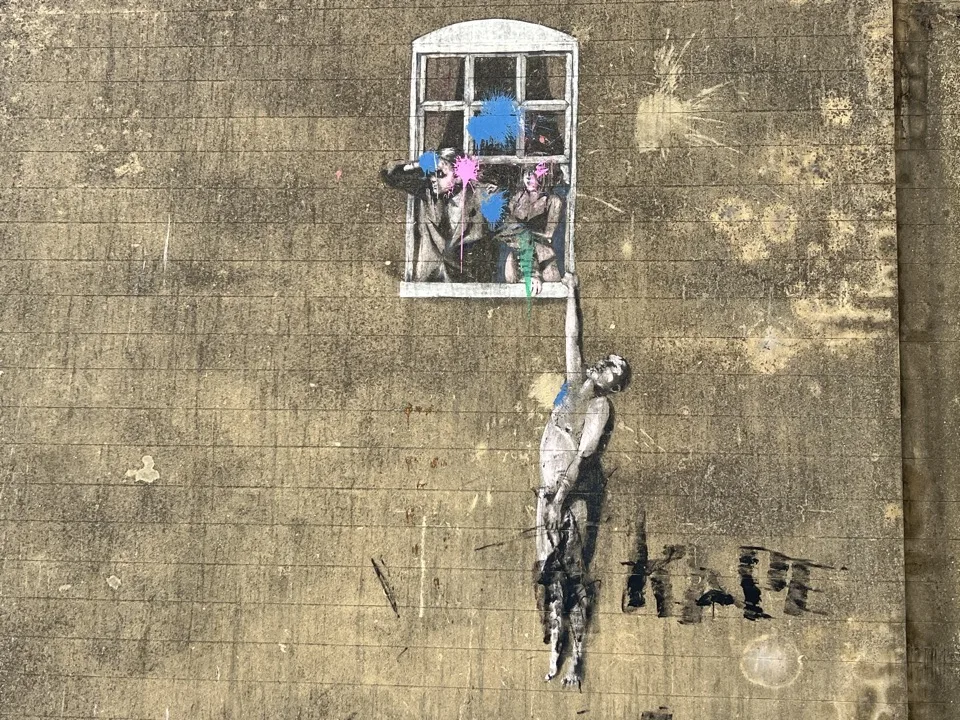
“Well Hung Lover”:
An interesting work that shows Banksy is both loved and hated. Loved because Bristol residents voted for the council not to erase this work. On the other hand, the drawing has been vandalised with splashes of colour by those who do not appreciate Banksy. Apart from that, we like the humour of the title and the situation worthy of a vaudeville. It’s even funnier because the building houses a couples therapy centre. Not the most beautiful example of street art, but an interesting case for its history and this example of an illegal work becoming legal. But why should a Banksy be allowed to remain on the walls when the work of another talented artist could not? How do you define what is art and what is allowed? Aesthetics? But that is a highly subjective criterion! How do you make rules?
As we walked, we came across a huge number of works created completely legally, on commission, like all those below for example. Often works by recognised artists, such as the English artists Inkie or Stik. We also came across works by American artists.
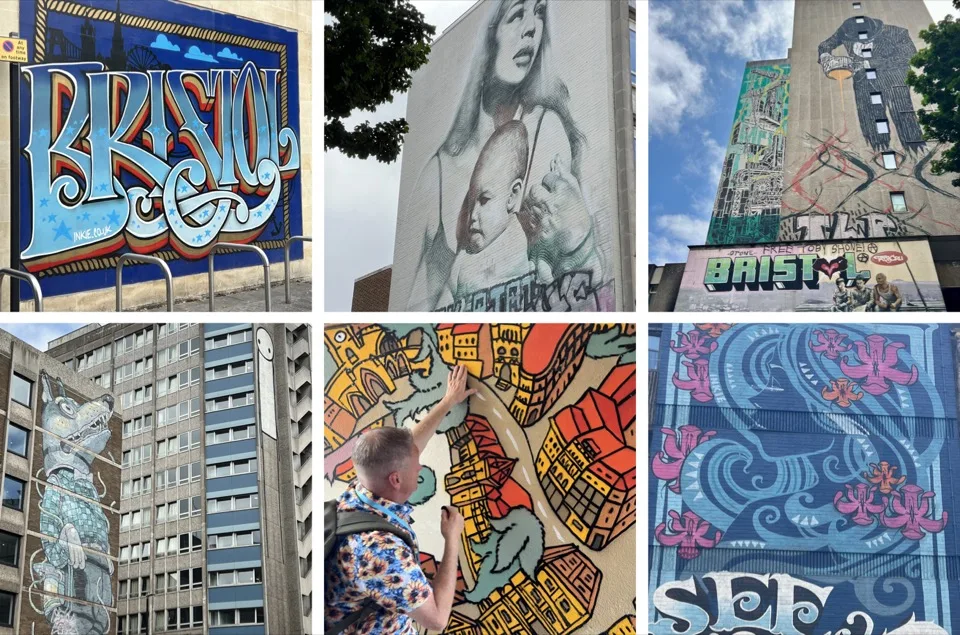
Legal and illegal street art
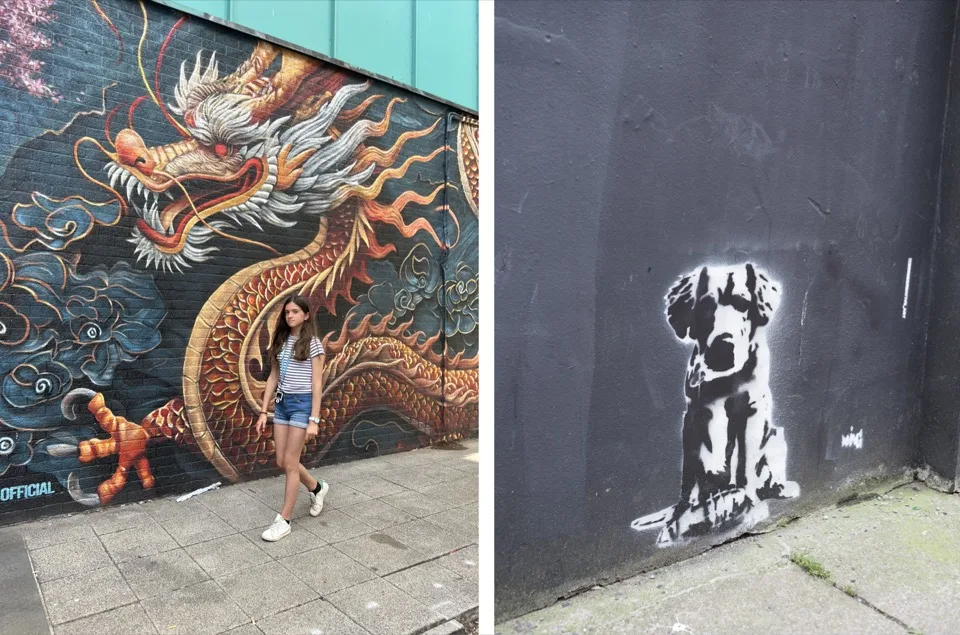
Today, in Bristol’s urban art, there are therefore both works created with permission, by famous artists, on commission, and also illegal works, so certainly ephemeral, which will disappear after the council services have passed by. The illegal works we came across that seem to remain all had one thing in common: they were beautiful (to me) and enhanced a wall that was ugly to begin with. It is complicated to legislate or even to enforce the law. Bristol wants to attract tourists for the quality of its street art, but it must not fall into anarchy. In short, the subject is complex. In the end, perhaps the creations that last and enter the city’s art history are those that make you not want to apply the law! Below is an illegal work that Titpuce and I liked: a dragon (like my princess’s Chinese zodiac sign!). Let’s see how long it stays!
As for the little dog on the right, it was made illegally on a wall covered with anti-graffiti paint. The city uses this black paint or brick-coloured paint to coat walls. It is a special paint that makes walls very easy to clean. In short, the little dog will probably no longer be there when you visit. But I’m sure there will be something else! Every visit to Bristol is unique!
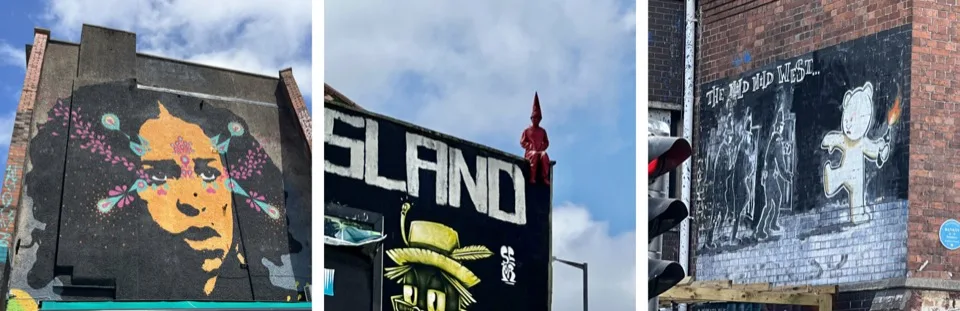
The Caribbean neighbourhood of Stokes Croft
We finished the guided tour in the Stokes Croft neighbourhood, a must for street art. There, we particularly liked the work of the Colombian artist Stinkfish (the portrait on the left below). We also came across a creation by the French artist James Colomina, known for his little red sculptures (see middle photo). Finally, we observed the famous Banksy “The Mild Mild West”, representative of Bristol, of its gentleness hiding a rebellious spirit.
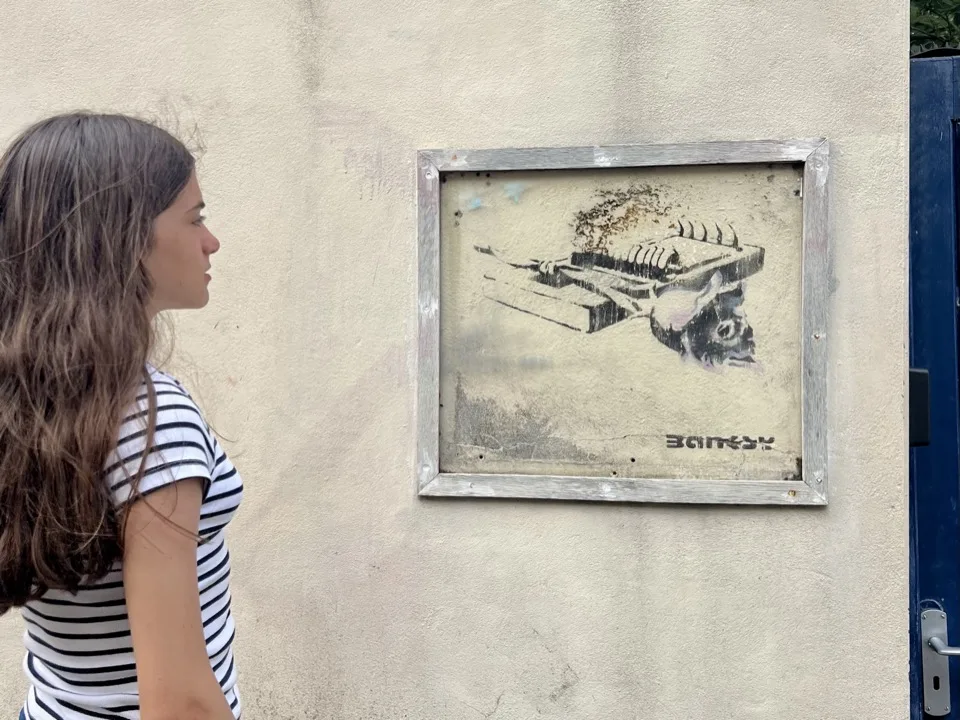
After more than two hours of guided visits, far from being tired of all this street art, we continued wandering without a guide in the Stokes Croft neighbourhood, especially to see another Banksy stencil: “Rose on a Mousetrap”. He is said to have created this drawing out of love for his girlfriend, with whom he lived in the house right next door. Did he feel trapped like a rat in the trap of love? I’m not sure I would have appreciated the message! Or perhaps with a lot of English humour!
Finally, we didn’t go there this time, but the Bristol Museum & Art Gallery also houses a Banksy and is Bristol’s main art museum (free). In 2009, Banksy held a large exhibition there.
Saint Nicholas Market
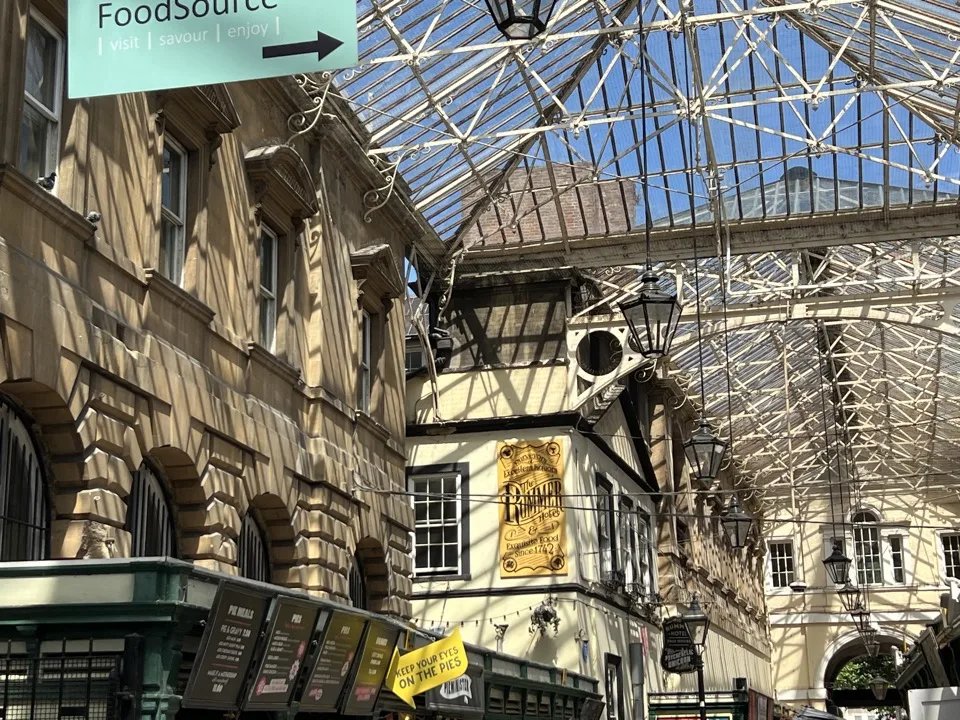
All this long artistic walk whetted our appetite! Off we went to Saint Nicholas Market in the centre of Bristol. This old market, St Nick’s Market for short, is great for lunch on the go: there are many stalls with varied and international specialities. With Titpuce, we chose a Spanish stall. It was neither light nor healthy, but it was nice and the churros were good. In the fully covered part of the market, there are small vendors selling a bit of everything (clothes, decorative objects, crafts, souvenirs). It used to be the Corn Exchange.
Walk along the River Avon
To walk off our churros, we then headed to the River Avon for a long walk along the quays. It is very pleasant because it is pedestrianised and lively.
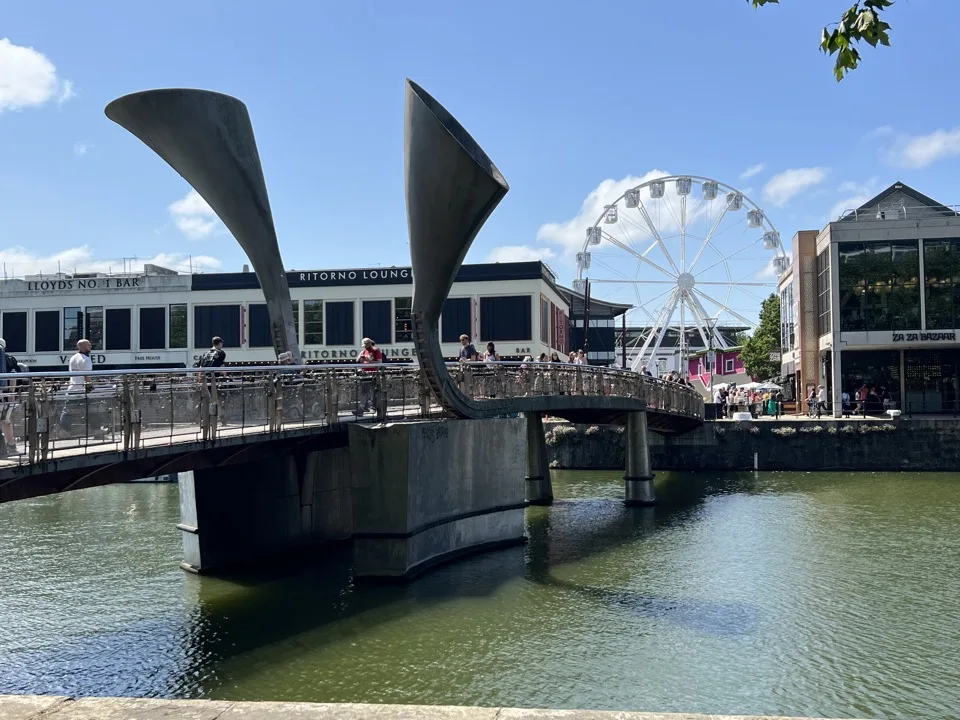
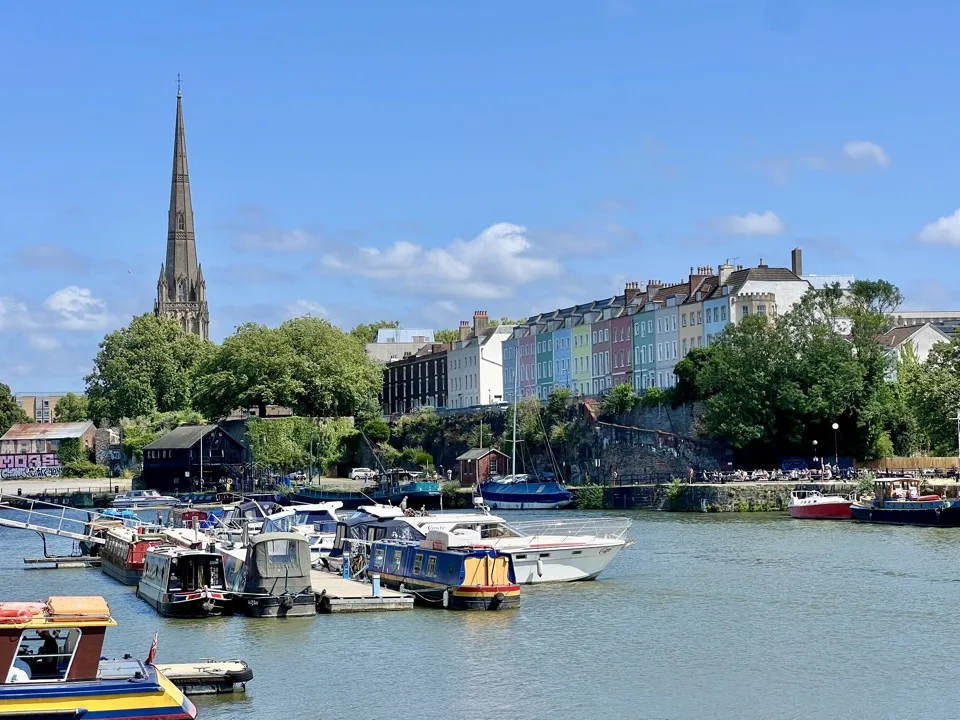
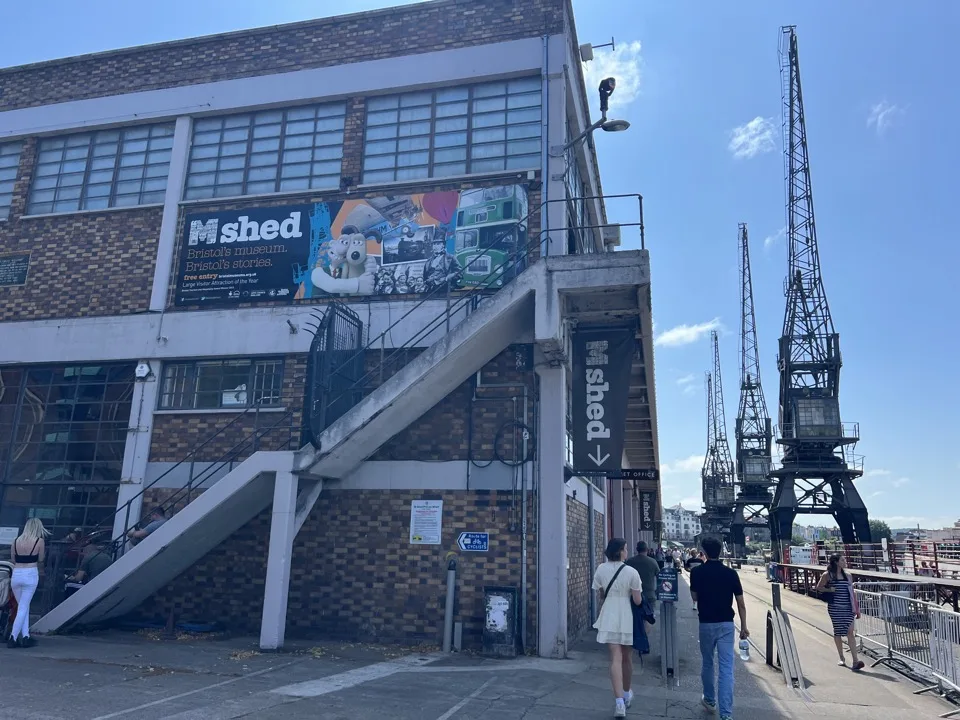
There are many bars and restaurants. The Pump House or Mud Dock are popular cafés on the docks, particularly pleasant for their terraces. Along the way, you also come across the M Shed museum.
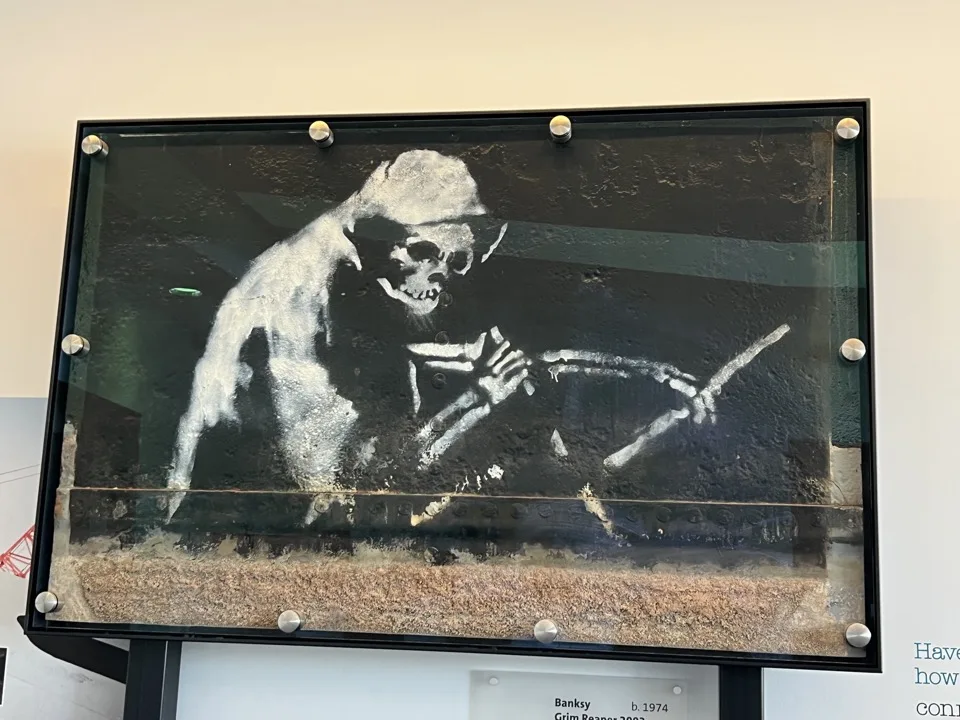
M Shed Museum: this is a free, modern museum presenting the history of the city of Bristol and its inhabitants. It is well done and not too big. Inside, you will come across another Banksy: “The Grim Reaper”. Don’t miss going up to the terrace for a view of the River Avon. We spent 45 minutes in the museum.
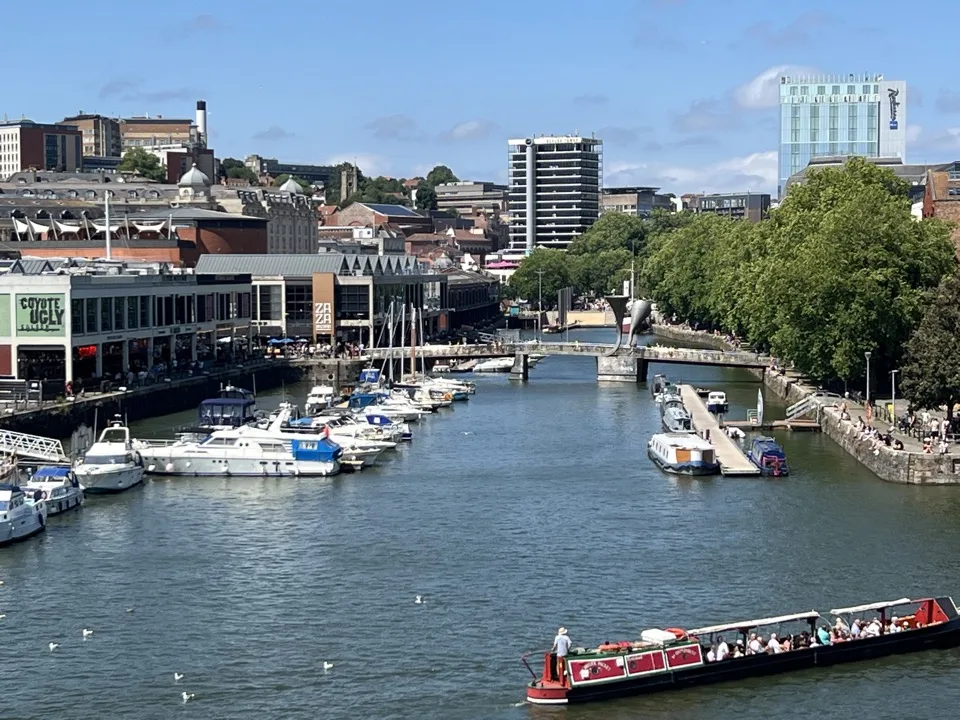
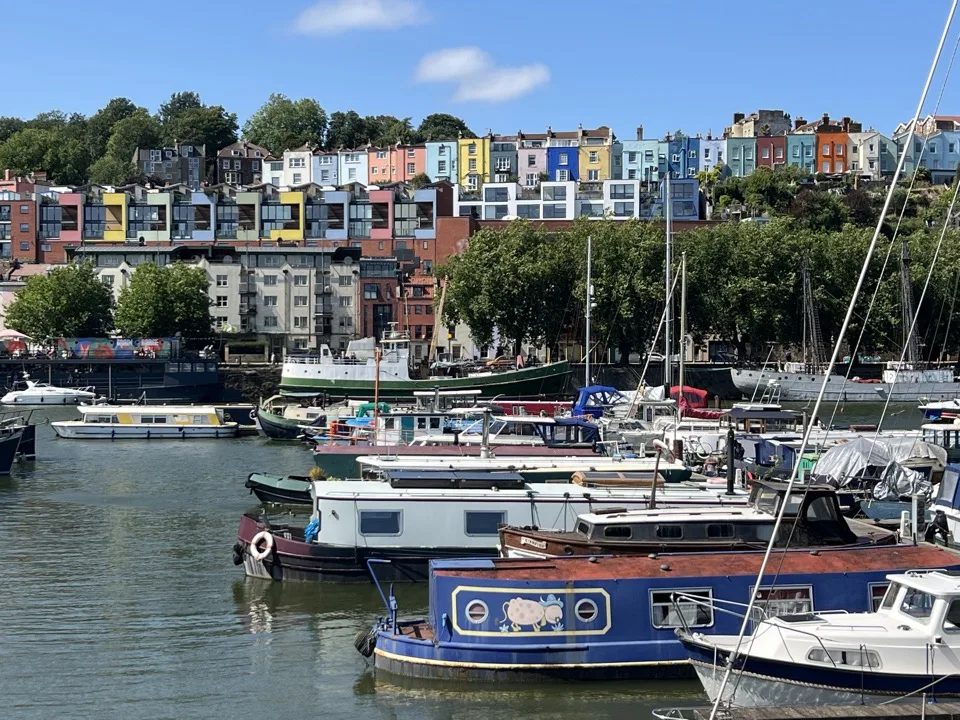
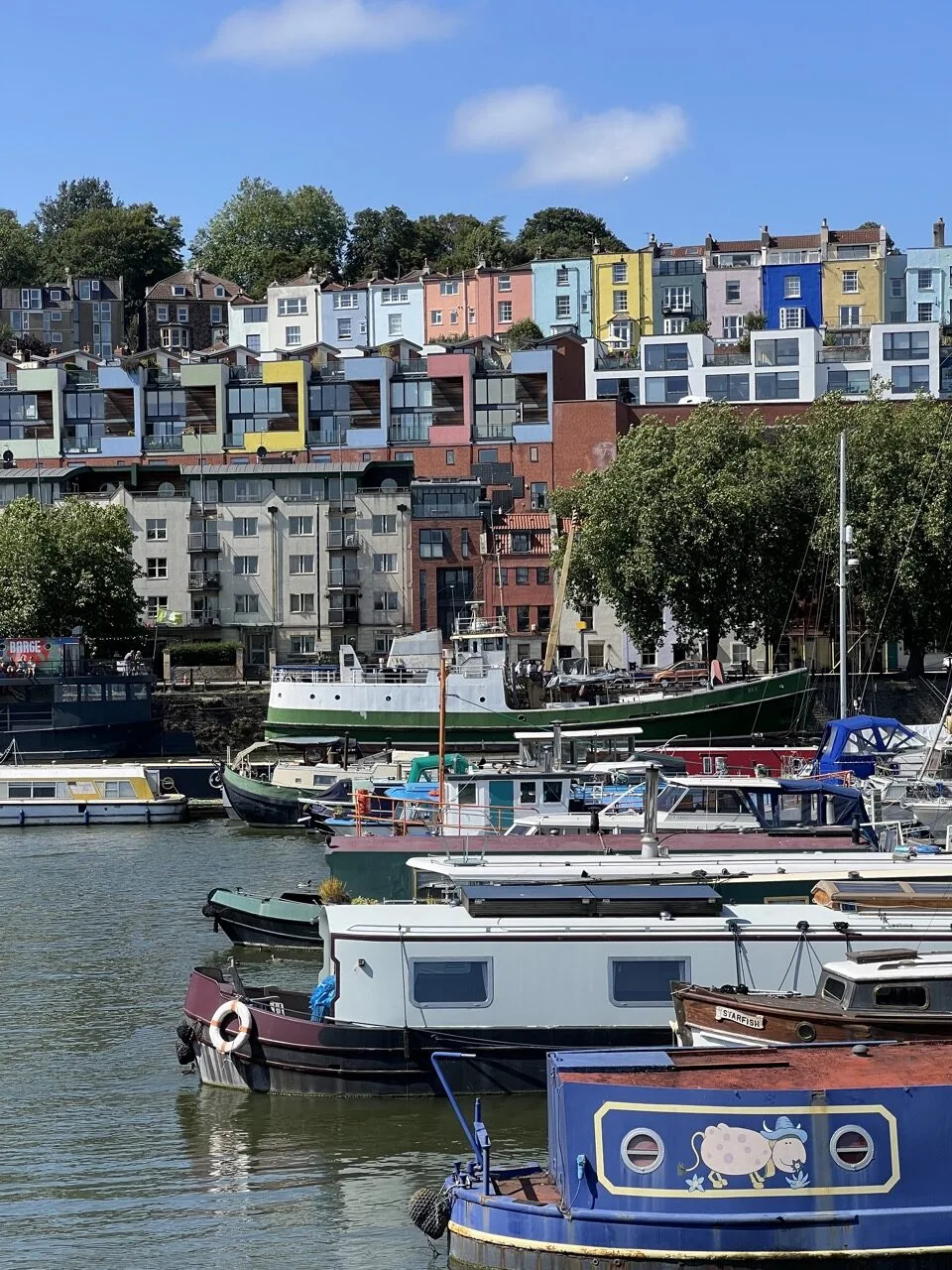
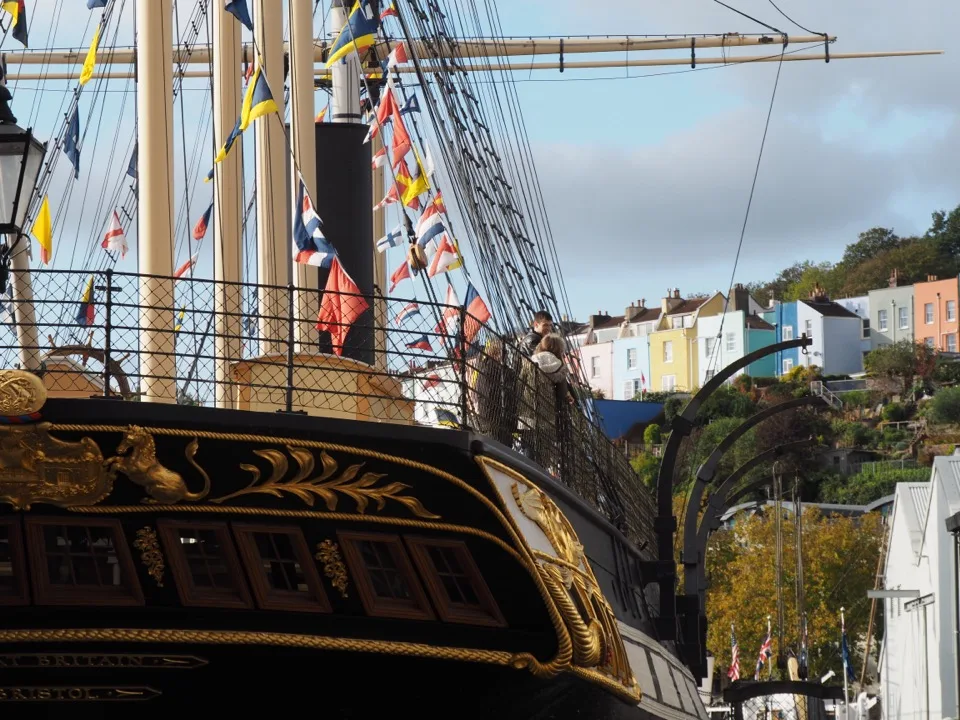
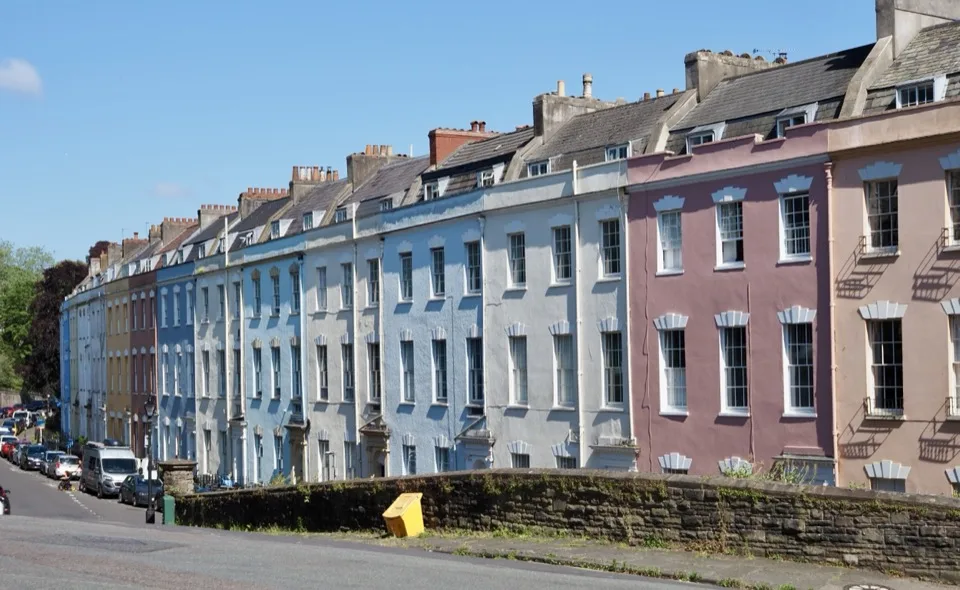
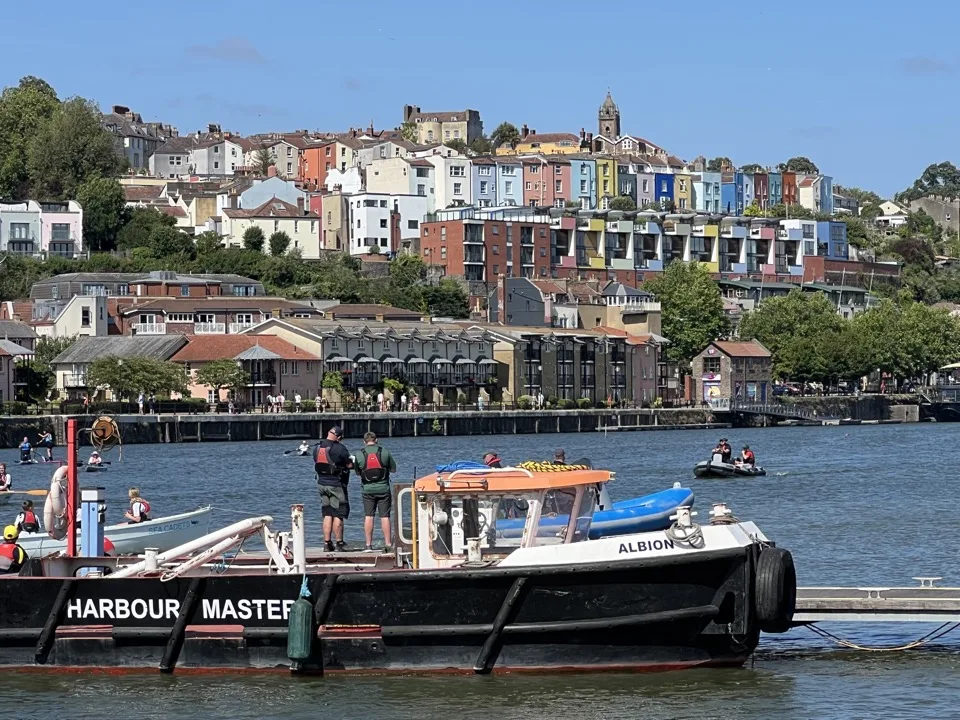
A little further on the south bank, you can see the Cliftonwood area, a neighbourhood known for its colourful houses. These are brightly coloured Victorian houses. With the harbour in the foreground, the views are particularly beautiful. At the viewpoint is Brunel’s SS Great Britain, a historic ship that can be visited.
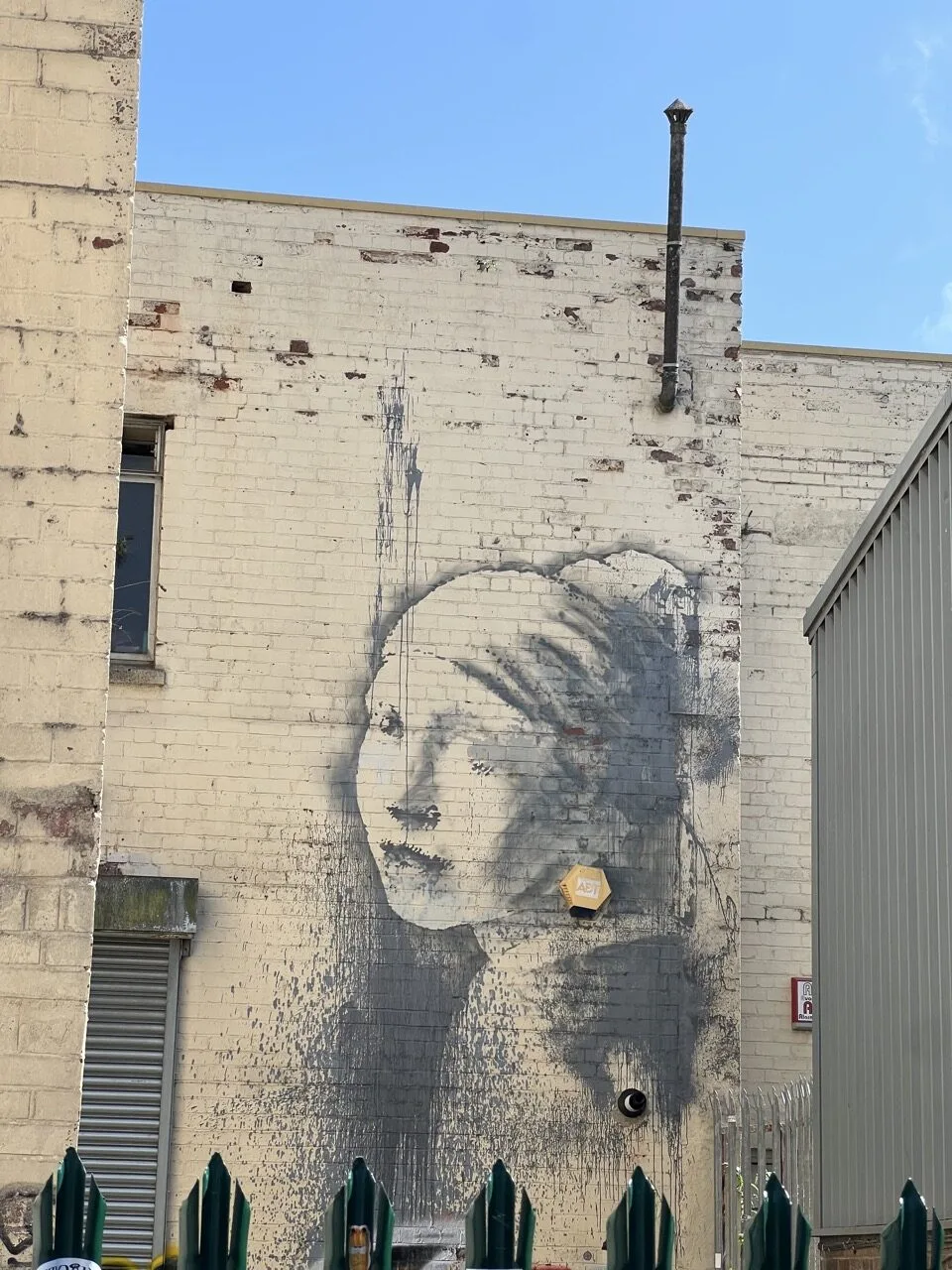
And a little behind the quays, near the Albion Dockyard, there is a very well-known Banksy: “The Girl with a Pierced Eardrum”, a stencil created in 2014 (the location is marked on Google Maps). You will recognise the inspiration from Vermeer’s painting, but the original touch is the earring: here, it is the building’s alarm!
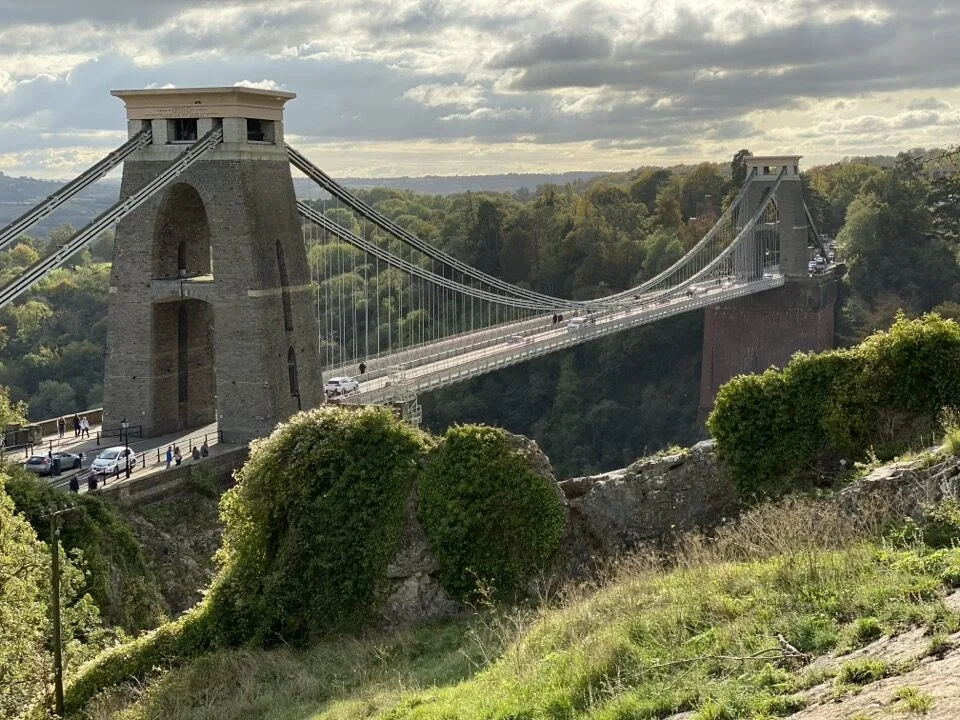
Clifton Bridge
Our goal for the walk along the river was to reach the famous Clifton Suspension Bridge. This suspension bridge, built in the 18th century, is a work by Brunel. At this point, the riverbanks form a gorge. It feels wild, even though we are so close to the city! On our previous visit to Bristol, we observed the bridge from the north bank, not far from the Observatory. We were there in autumn:
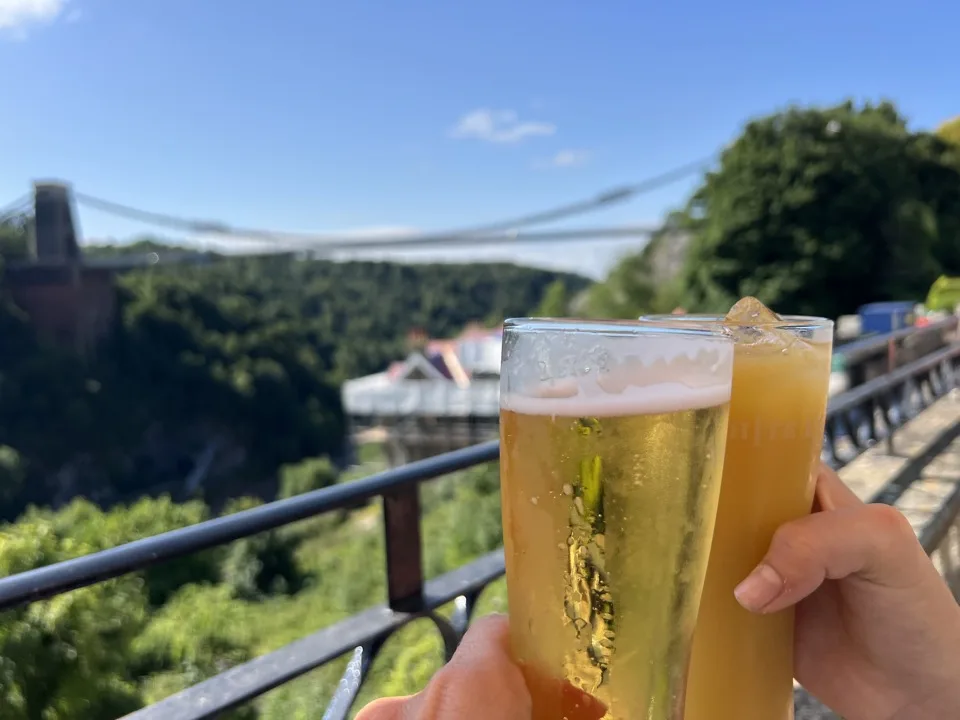
This time, with Titpuce, we opted for the terrace of the White Lion, also on the north bank but before going past the bridge. The terrace of this pub is superb and offers a beautiful panorama. The service is not great, but you manage to forget that while enjoying the view. So I recommend having a drink there in fine weather:
Clifton Village
Not far from the pub, and therefore very close to the bridge, is the very pleasant Clifton Village area. It is residential, very well kept, with pretty shops and a good choice of restaurants.
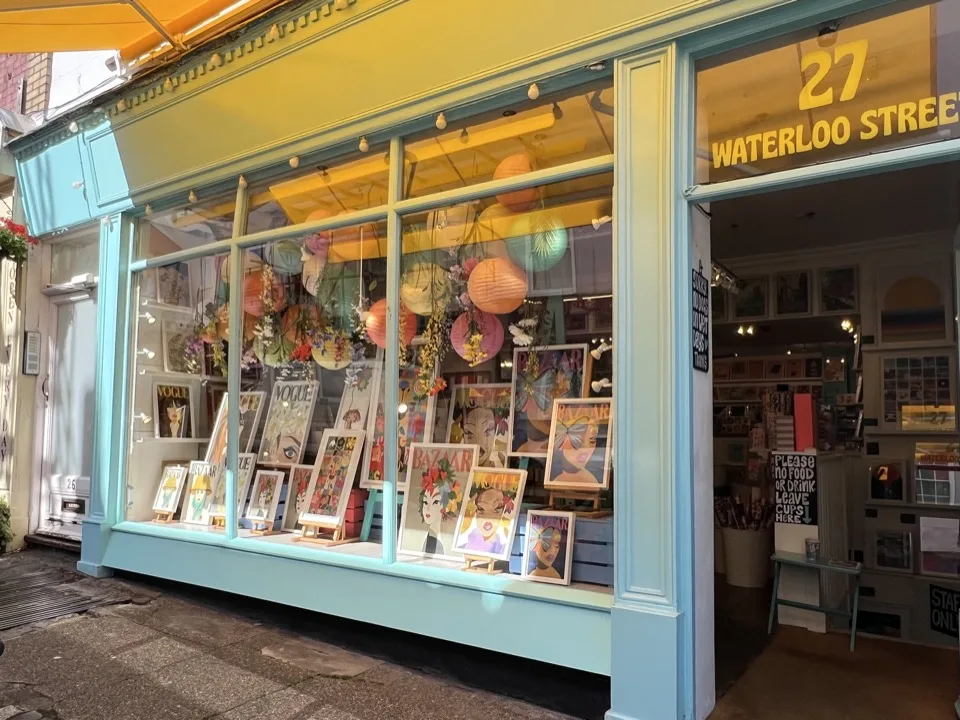
Now that we have reached the westernmost point of our walk, we loop back towards the centre, through the city rather than along the river. We aim for Brandon Hill and its beautiful observation tower.
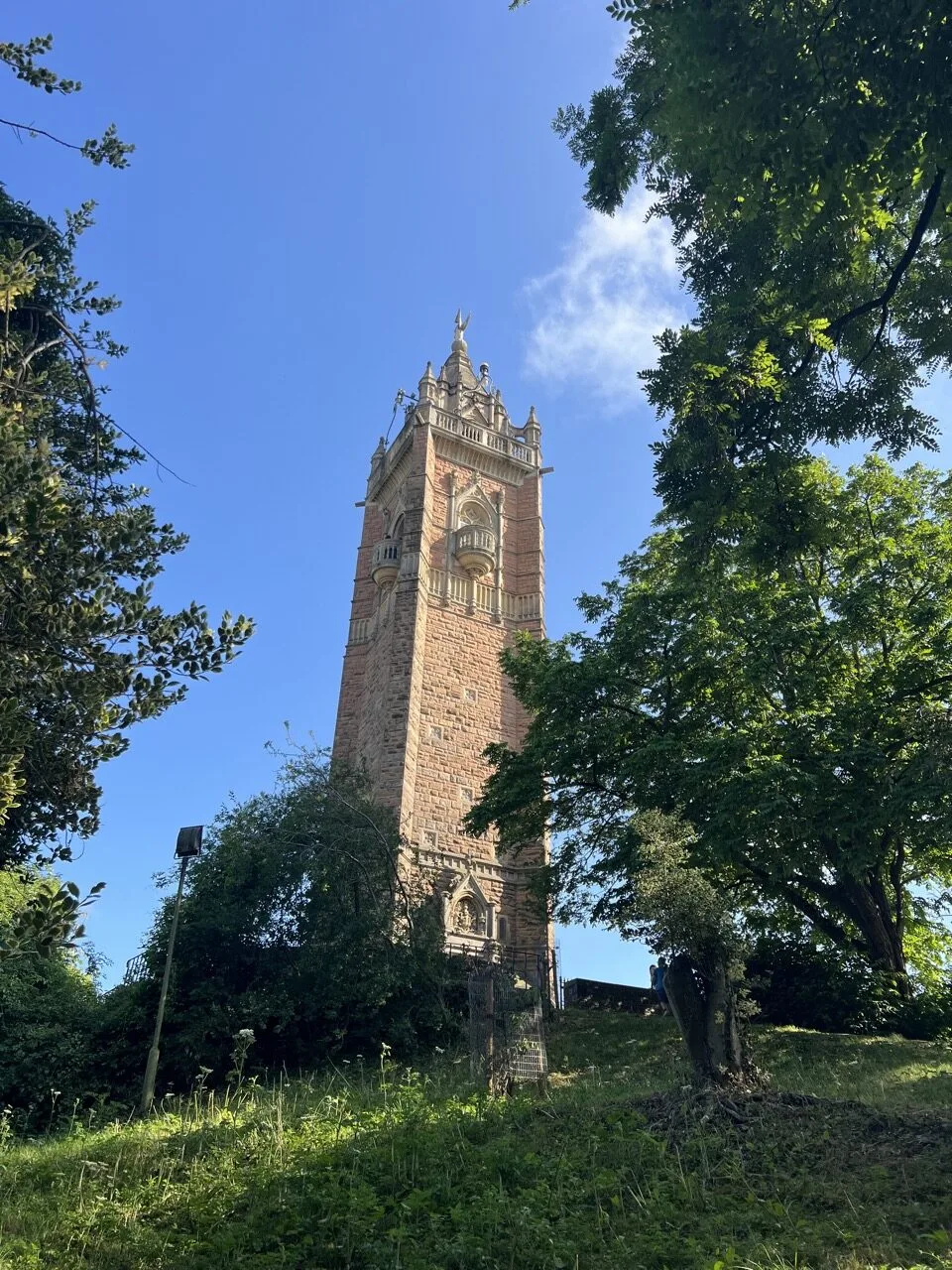
Brandon Hill and Cabot Tower
I strongly recommend climbing to the top of Cabot Tower. Surprisingly, it is free and the views over Bristol are very beautiful. After climbing a narrow spiral staircase, you enjoy a 360-degree panoramic view. The tower was built at the end of the 19th century in honour of the explorer John Cabot, who left Bristol for Canada.
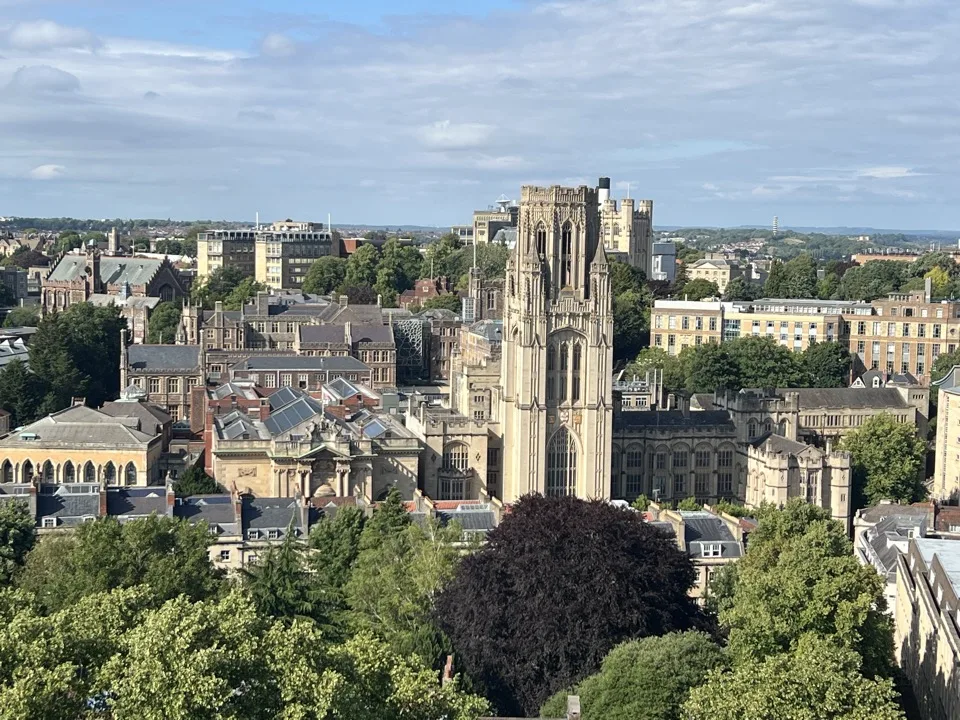
From the top of the tower, you have a bird’s-eye view of another city monument: Wills Memorial Building. It is the tower in the photo below, built in a neo-Gothic style in memory of the great tobacco magnate Henry Overton Wills.
Bristol Cathedral and St Mary’s Church
As for religious buildings, Bristol Cathedral is worth a visit. During our first stay in Bristol, we visited the inside. Titpuce has changed so little :-).
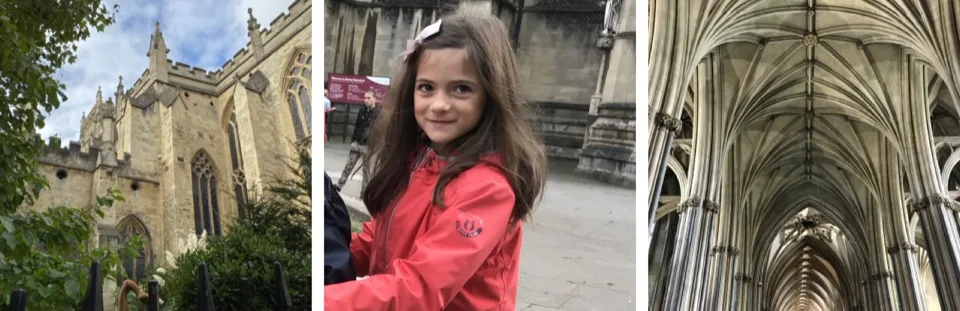
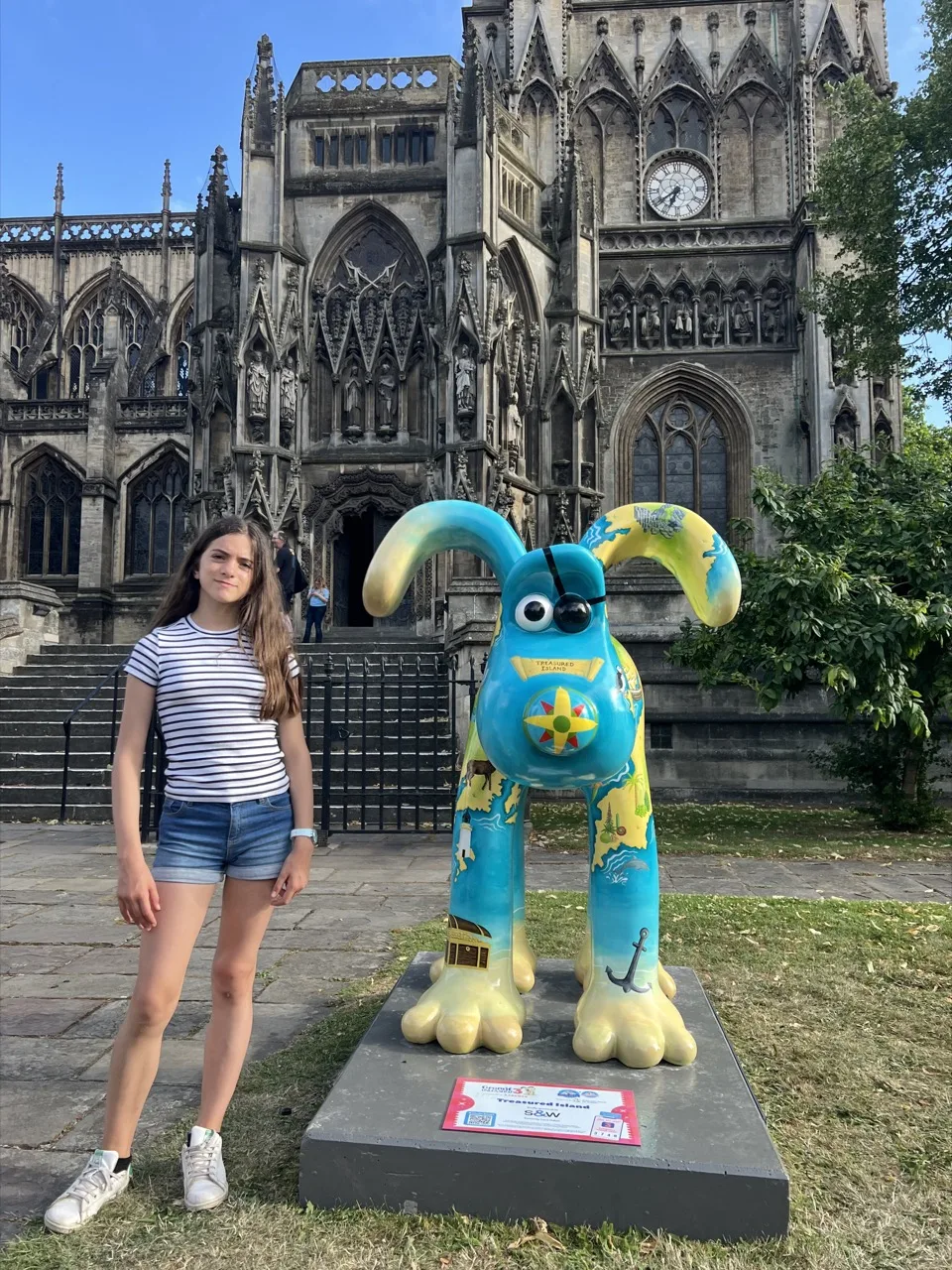
Personally, I prefer St Mary’s Church, with the delicate sculptures on its façade. Here is my Titpuce in front of this church. At the moment, there is a temporary Wallace and Gromit exhibition with colourful versions of Gromit in front of well-known places in Bristol. It’s nice and it lasts all summer (until 31 August 2025).
We went back to the harbour for dinner. There are many containers converted into restaurants.
Ashton Court Estate
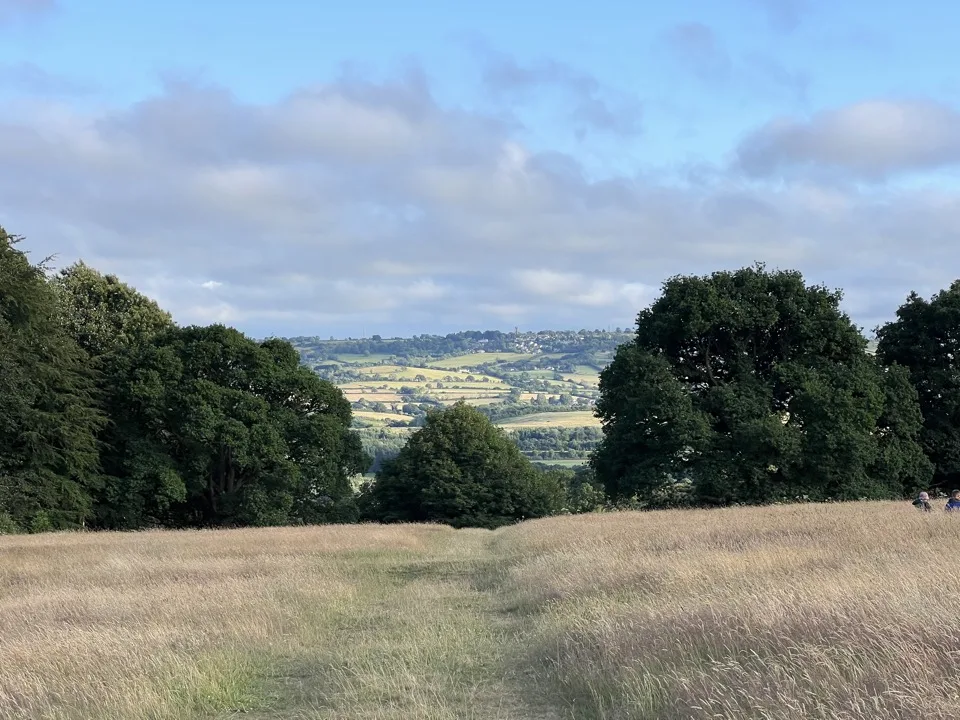
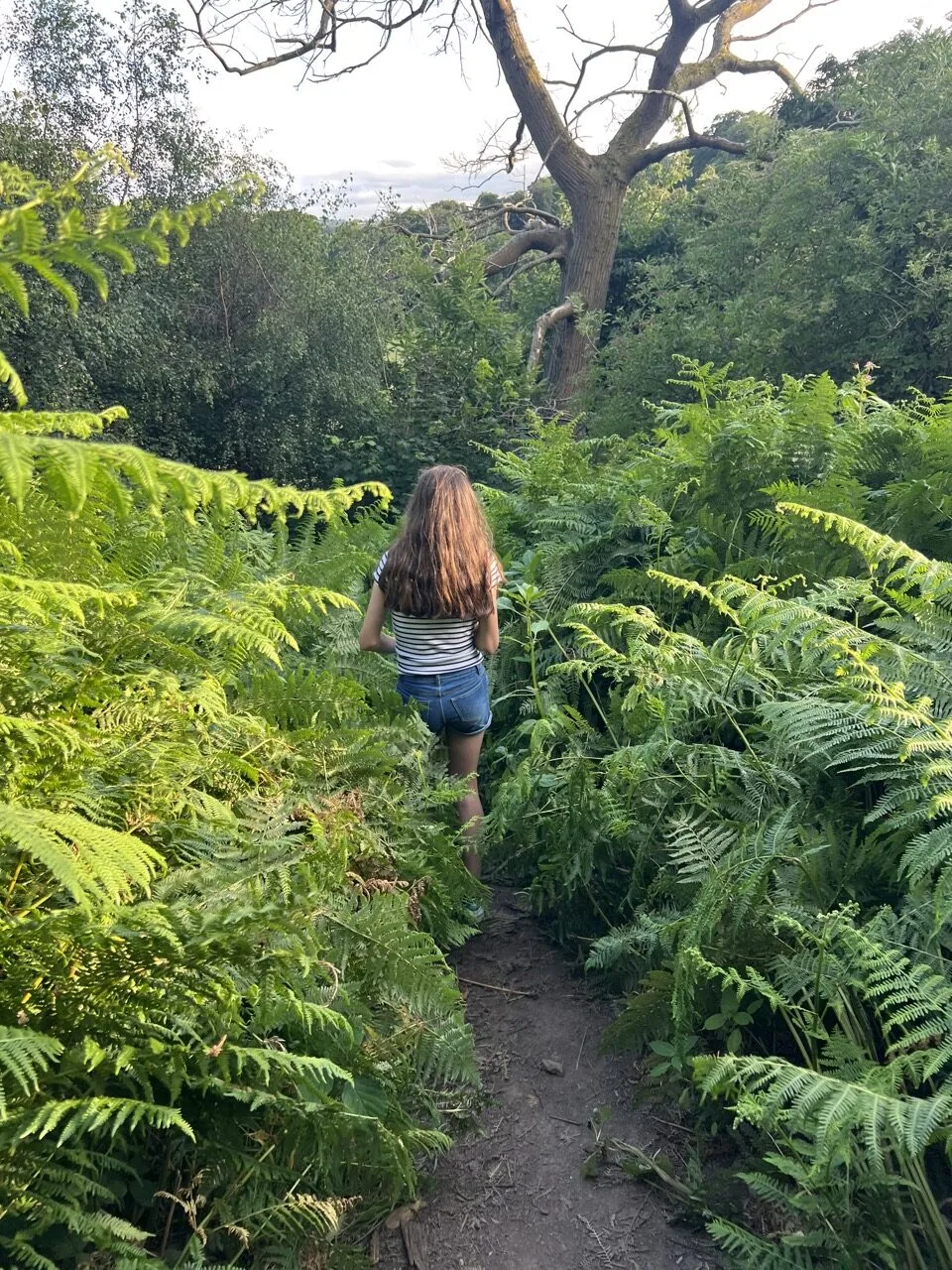
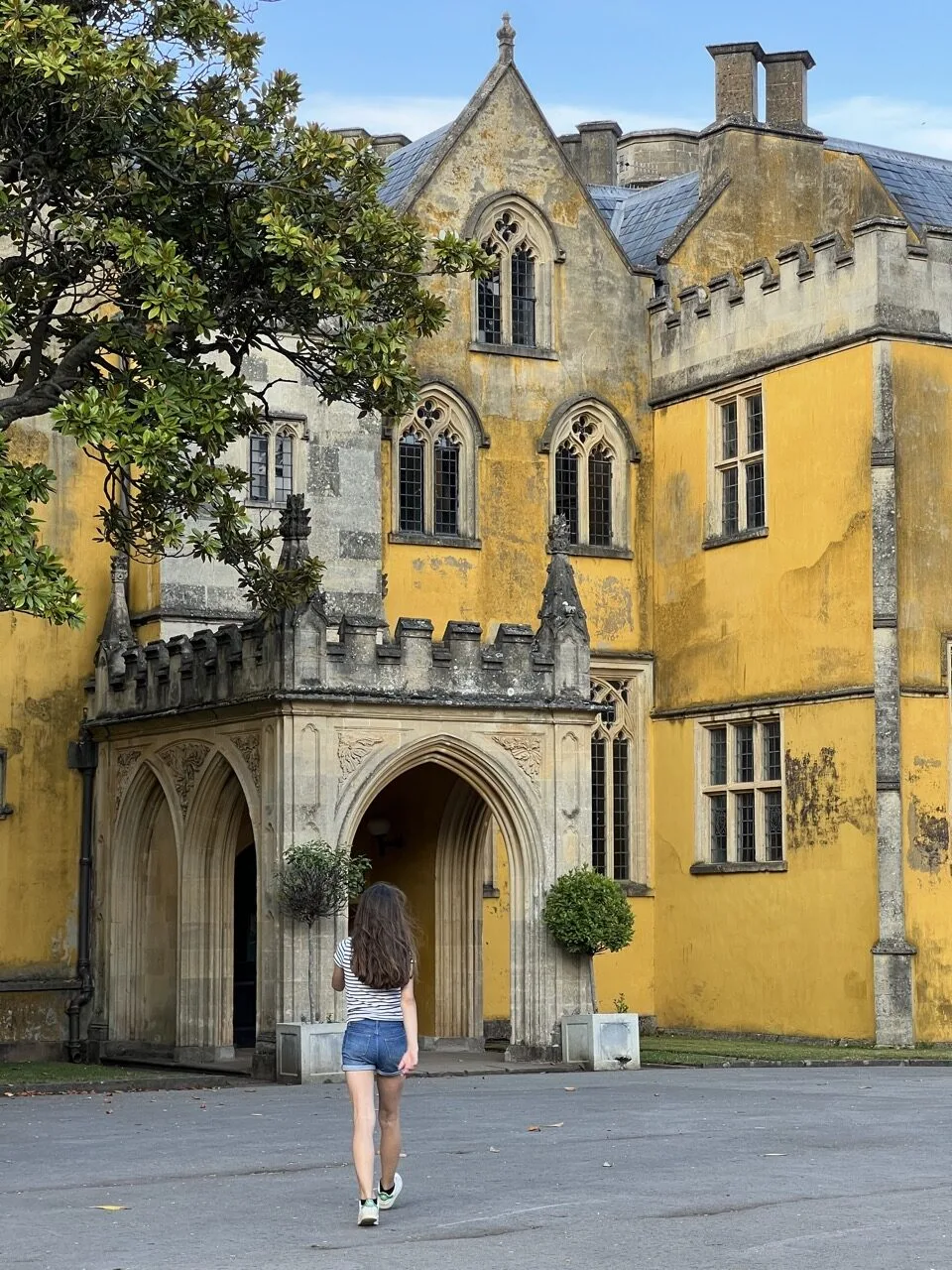
Before leaving the city, we went to Ashton Court Estate. I took the car again and we parked at Ashton Golf Course, where parking isn’t too expensive. Then we walked towards the yellow mansion of Ashton. The building is not open to the public, but the whole estate is pleasant, vast, green and hilly. You can picnic there, walk around. There are also nice playgrounds for children. In August, this is where the Balloon Fiesta takes place. For Titpuce and me, it was just the chance for one last walk on the heights of Bristol before leaving.
***
Visiting Bristol: practical information
How to get to Bristol?
- In terms of distance: Bristol is 2 hours by car from London or Portsmouth. By train, there are direct trains from Paddington station in London (1 hr 40). Bristol also has an international airport with flights from Paris.
- Parking: I parked at the outdoor Redcliffe Parade Car Park, not cheap but very well located and pleasant. Then in the evening, I parked at Ashton Court Estate (see below). If you walk even more, it would be economical to park at Ashton Court Estate for the day.
Accommodation in Bristol:
This time, we only came for the day, but last time we stayed overnight. I would say that for a first visit, two days there is ideal, so one night. Accommodation is unfortunately almost as expensive as London, at least in the centre. This duplex by the River Avon is worth it if you are travelling as 5 or 6. Very good location. Otherwise, Mollie’s Motel offers modern rooms at gentler prices, but it is very out of the centre.
Restaurants in Bristol:
- I recommend the vegetarian restaurant Root. It is one of the many containers in the harbour transformed into a restaurant. You need to book a few days in advance.
- In Stokes Croft, the Sri Lankan restaurant Nadu is a very good address in the neighbourhood.
- The stalls at St Nick’s Market for Saturday lunch.
What to do around Bristol?
- Spend a day in Bath for its beautiful architecture and Roman baths.
- Head towards the Cotswolds villages.
- Visit the old little city of Wells
- Stop in Glastonbury for its bohemian hippie style.
- Hike in the Cheddar Gorge before or after a cheese tasting!
***
Who is tempted to visit Bristol as a family?
Also worth reading
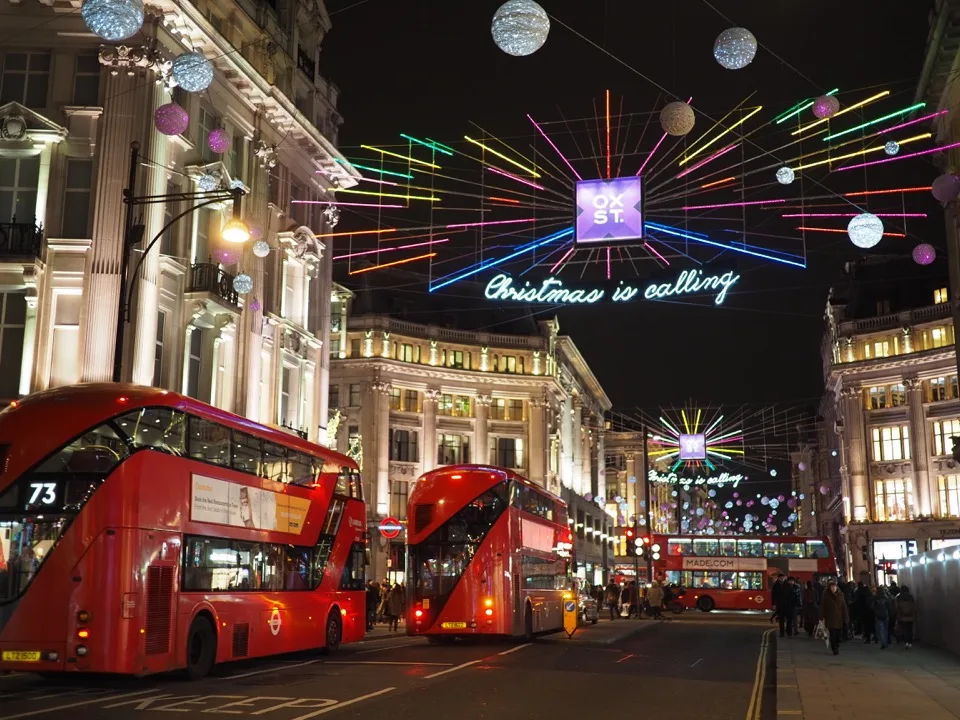 Christmas in London: 20 family activitiesPlanning a family trip to London at Christmas? Here are 20 festive activities, practical tips and ideas for enjoying the city…
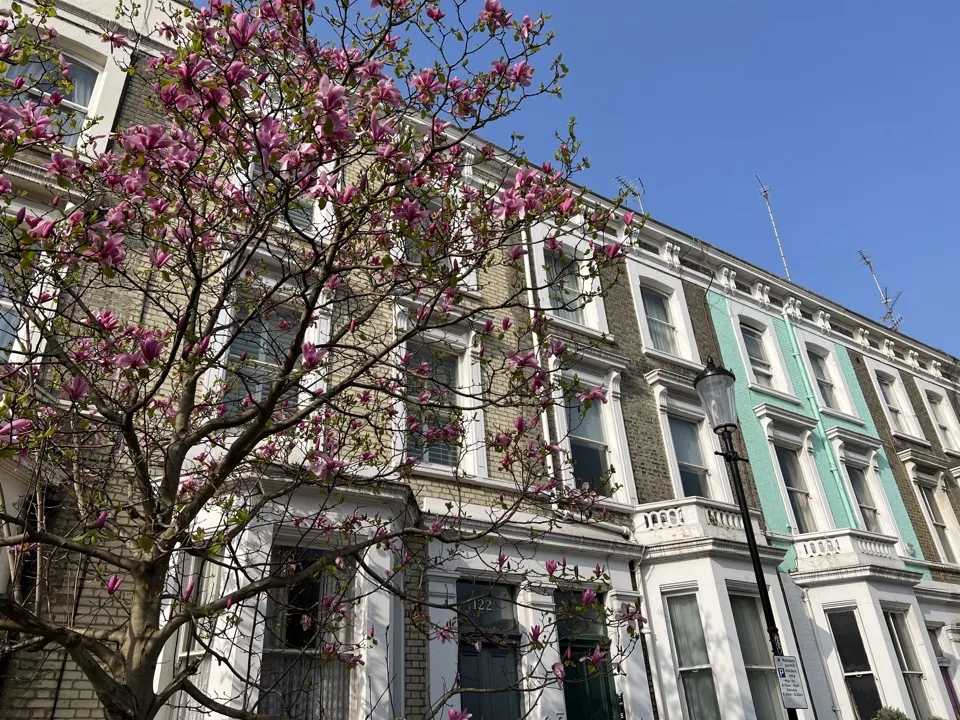 Where to stay in London? 7 ideas to chose your neighbourhoodChose your accommodation in London with kids or as a couple: our guide by neighbourhood
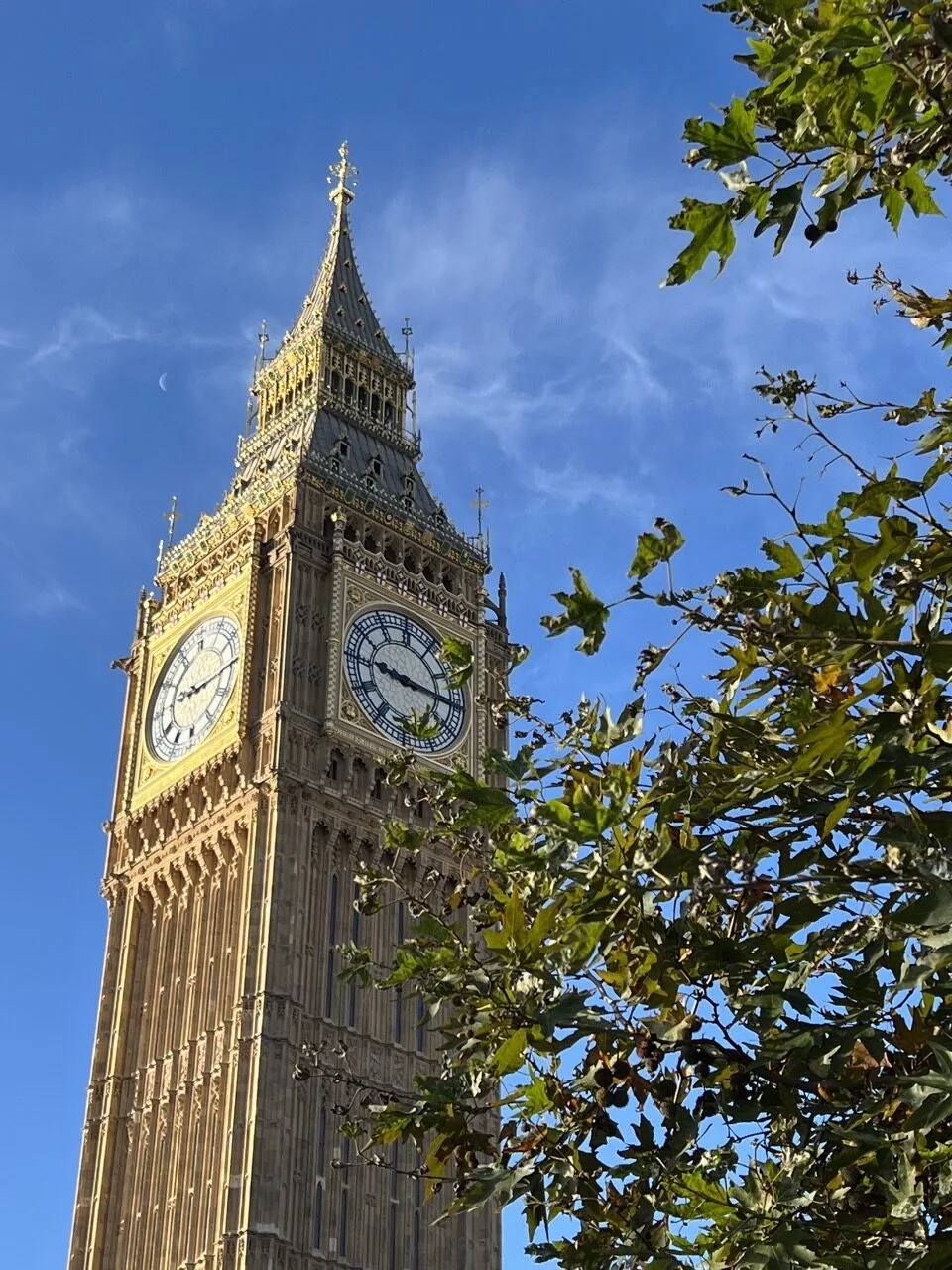 Itinerary for visiting central London as a familyA long walk to discover central London with kids
 London with kids: All you need to knowOur practical guide to visiting London with children: walks, museums, parks, transport, restaurants, accommodation and family day…
 3 days in Edinburgh with my teenagerA long mother-daughter weekend in Edinburgh: Harry Potter, art, history and shopping in the Scottish capital
 Edinburgh & Harry Potter: 10 places not to miss!Discovering Edinburgh on the trail of Harry Potter during our mother-daughter weekend!
You read this blog — which means you value quality content grounded in real experiences. With Google Preferred Sources, tell Google which publishers you trust. Add us and other sources you love, and Google will surface them more in your future search results.